
Periodic Table Organization and Patterns
A Level Chemistry Understanding atomic structure and periodic trends Foundation for periodicity studies
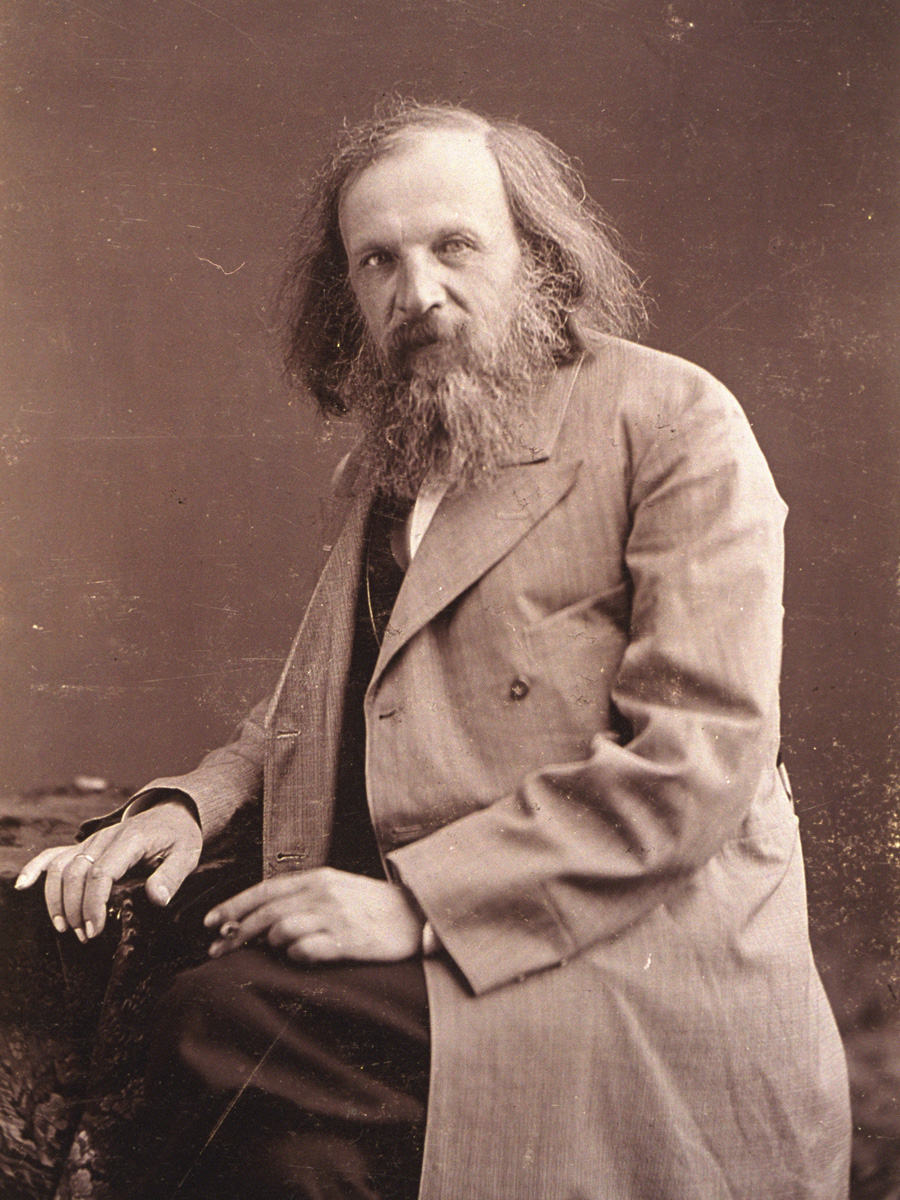
Historical Development
Mendeleev organized elements by atomic mass (1869) Predicted properties of undiscovered elements Moseley reorganized by atomic number (1913) Modern table based on proton number, not mass
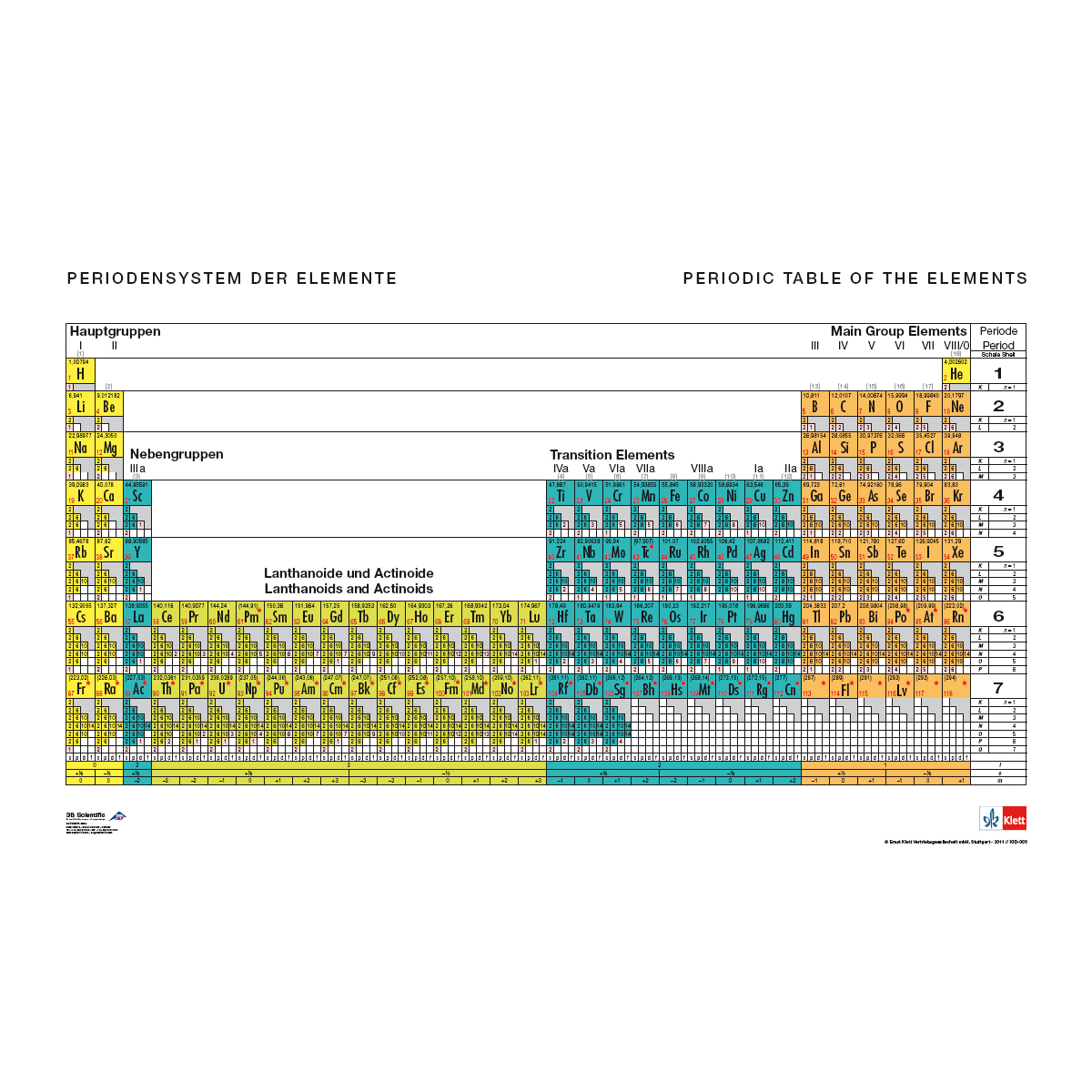
Electronic Configuration Challenge
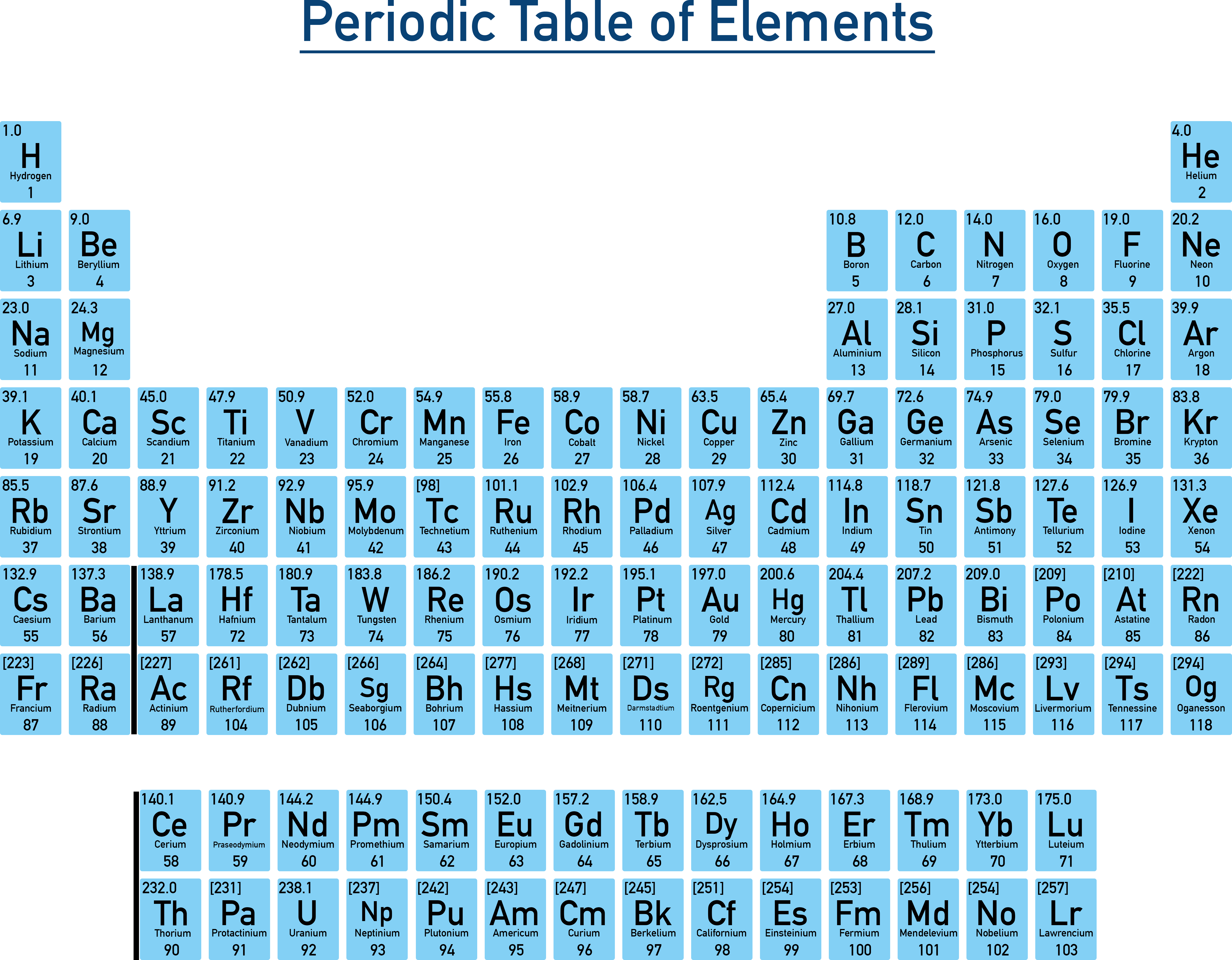
Write electronic configurations for: Na, Mg, Cl, Ar Place these elements on a blank periodic table Explain your reasoning to a partner Link electron arrangement to position
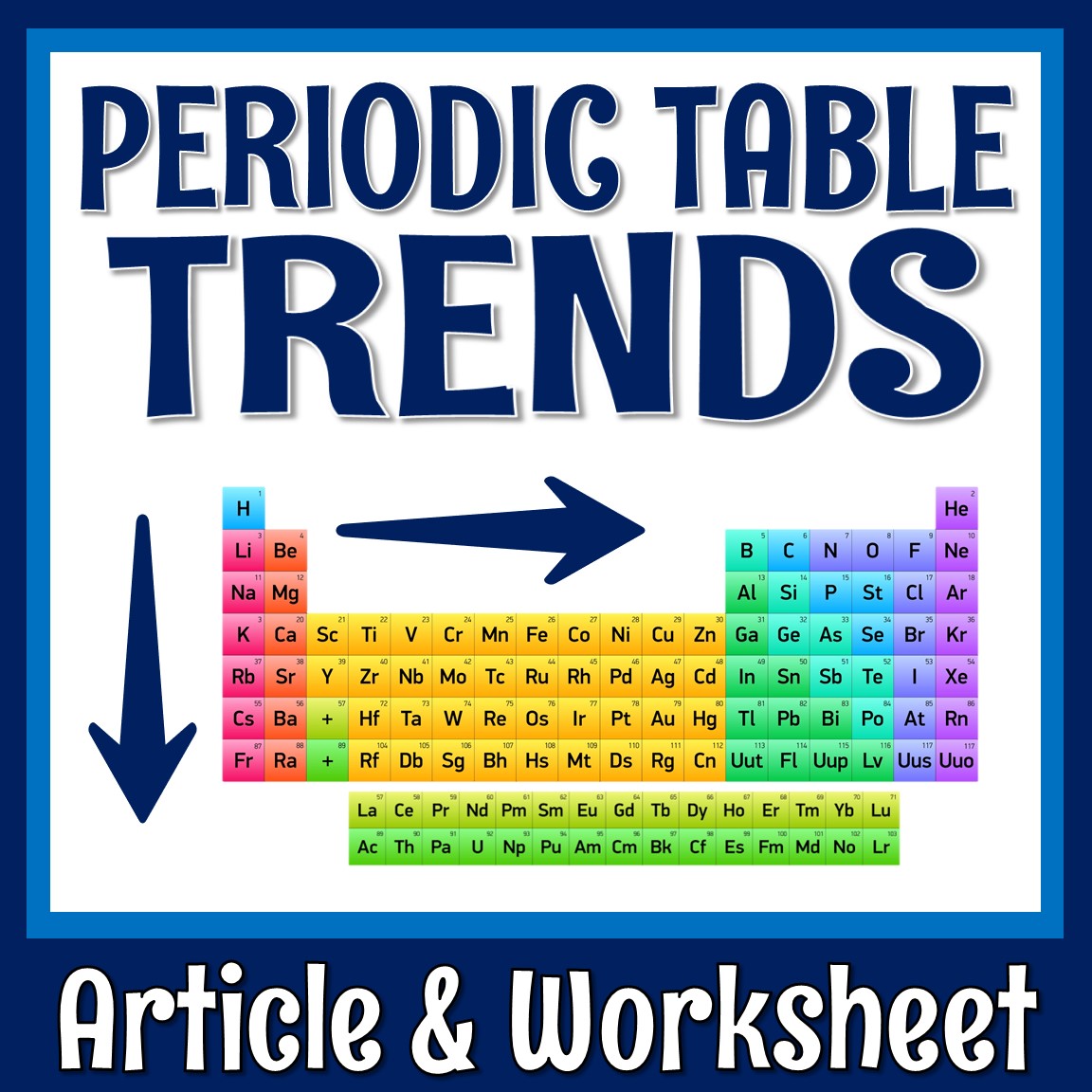
Groups vs Periods
{"left":"Vertical columns called groups\nElements share similar properties\nSame number of valence electrons\nExamples: Group 1 alkali metals","right":"Horizontal rows called periods\nElectrons fill energy levels sequentially\nProperties change across periods\nExamples: Period 3 from Na to Ar"}
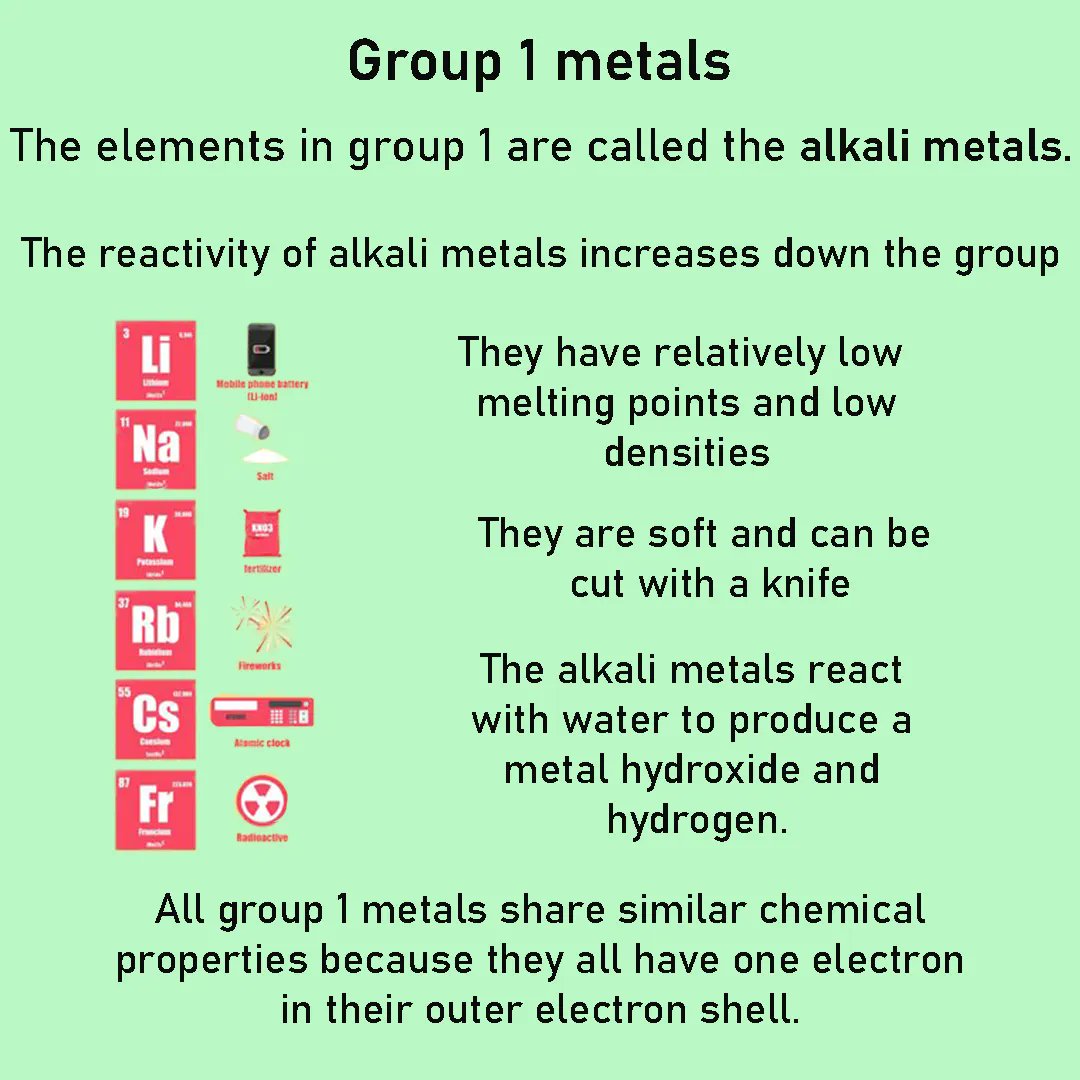
Pattern Investigation
Work in pairs with element cards Choose Group 1 or Group 7 to investigate Identify patterns in atomic number, configuration, properties Create a poster summarizing your findings

s, p, d, f Blocks of the Periodic Table
Mystery Element Challenge
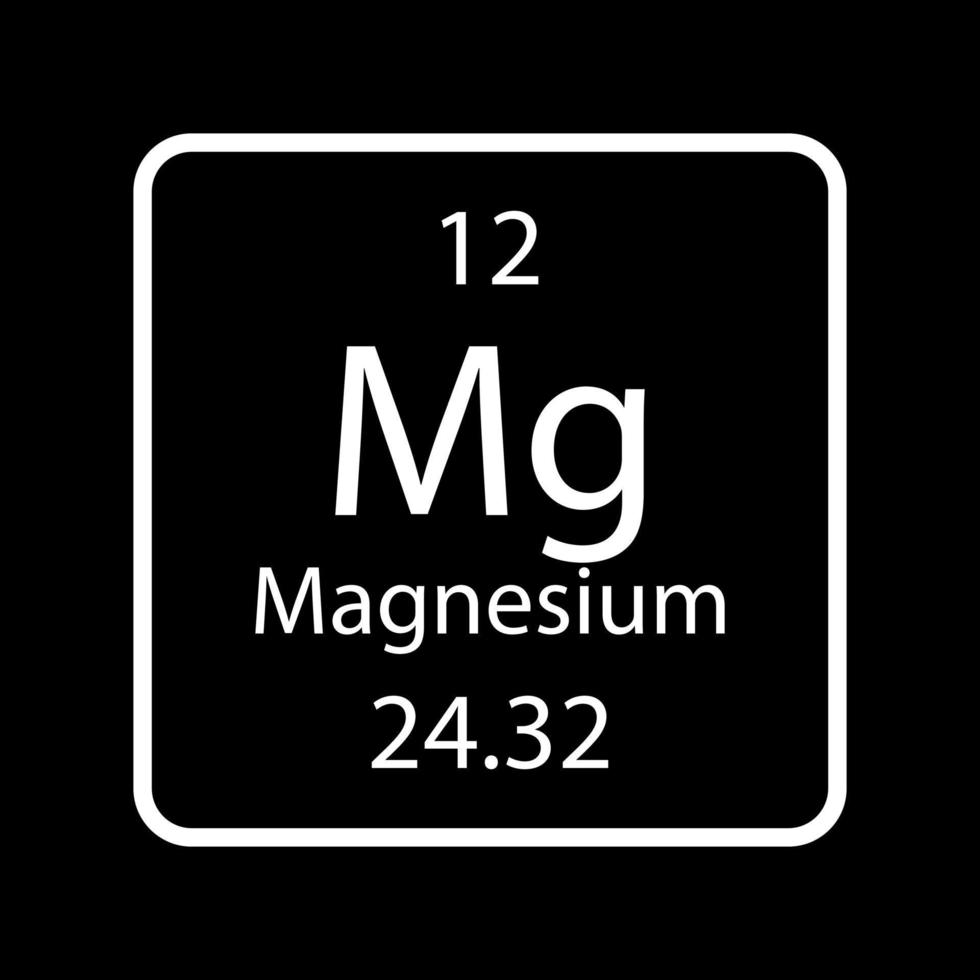
Can you identify these elements? Element A: Period 3, Group 2 Element B: Configuration ends in 3s² Element C: Period 2, Group 17 Justify your answers using periodic patterns
Key Takeaways
Periodic table organized by atomic number (proton number) Electronic configuration determines element position Groups share similar properties due to valence electrons Patterns within groups and periods predict chemical behavior Next lesson: Detailed study of periodic trends