
Plate Margins: Where Earth Moves
Year 9 Geography Understanding Earth's Dynamic Structure Exploring Convergent, Divergent & Conservative Boundaries

Starter Question
What do you remember about tectonic plates? Where might these plates meet? What might happen when they interact?

The Three Types of Plate Margins

Convergent Margins: When Plates Collide
Plates move towards each other Also called destructive margins Create mountains, volcanoes, and earthquakes Example: Himalayas formed from collision Oceanic plates subduct under continental plates
Divergent Margins: Plates Moving Apart
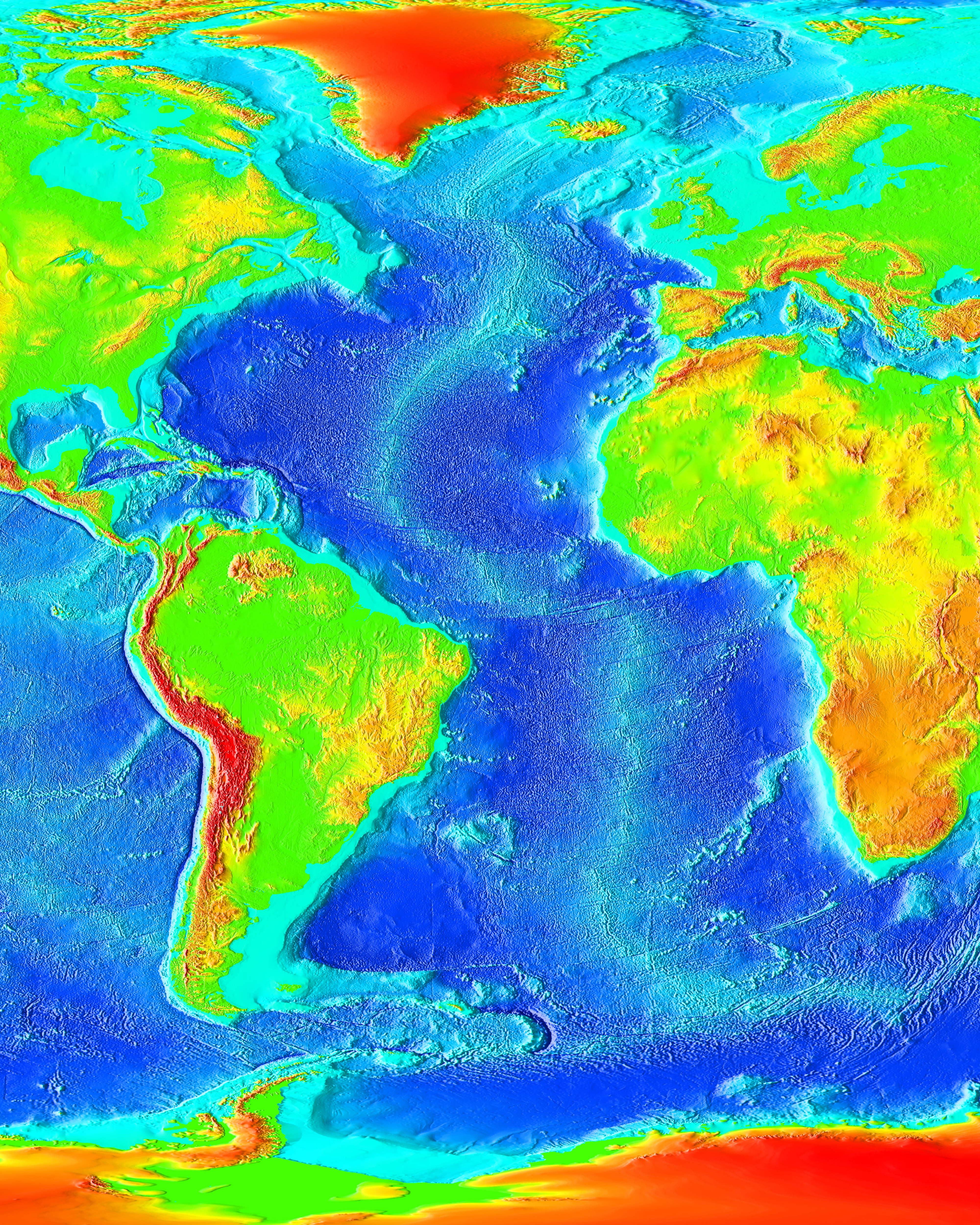
Plates move away from each other Also called constructive margins New oceanic crust is formed Create mid-ocean ridges and rift valleys Example: Mid-Atlantic Ridge Volcanic activity creates new seafloor

Conservative Margins: Sliding Past Each Other
Plates slide horizontally past each other Also called transform boundaries No new crust created or destroyed Cause powerful earthquakes Example: San Andreas Fault in California Friction builds up then releases suddenly

Case Study Investigation
Group 1: San Andreas Fault (Conservative) Group 2: Mid-Atlantic Ridge (Divergent) Answer: What type of margin is this? What geological features are created? Why is it significant to people nearby? Prepare a 1-minute summary to share
Key Takeaways: Plate Margins Summary
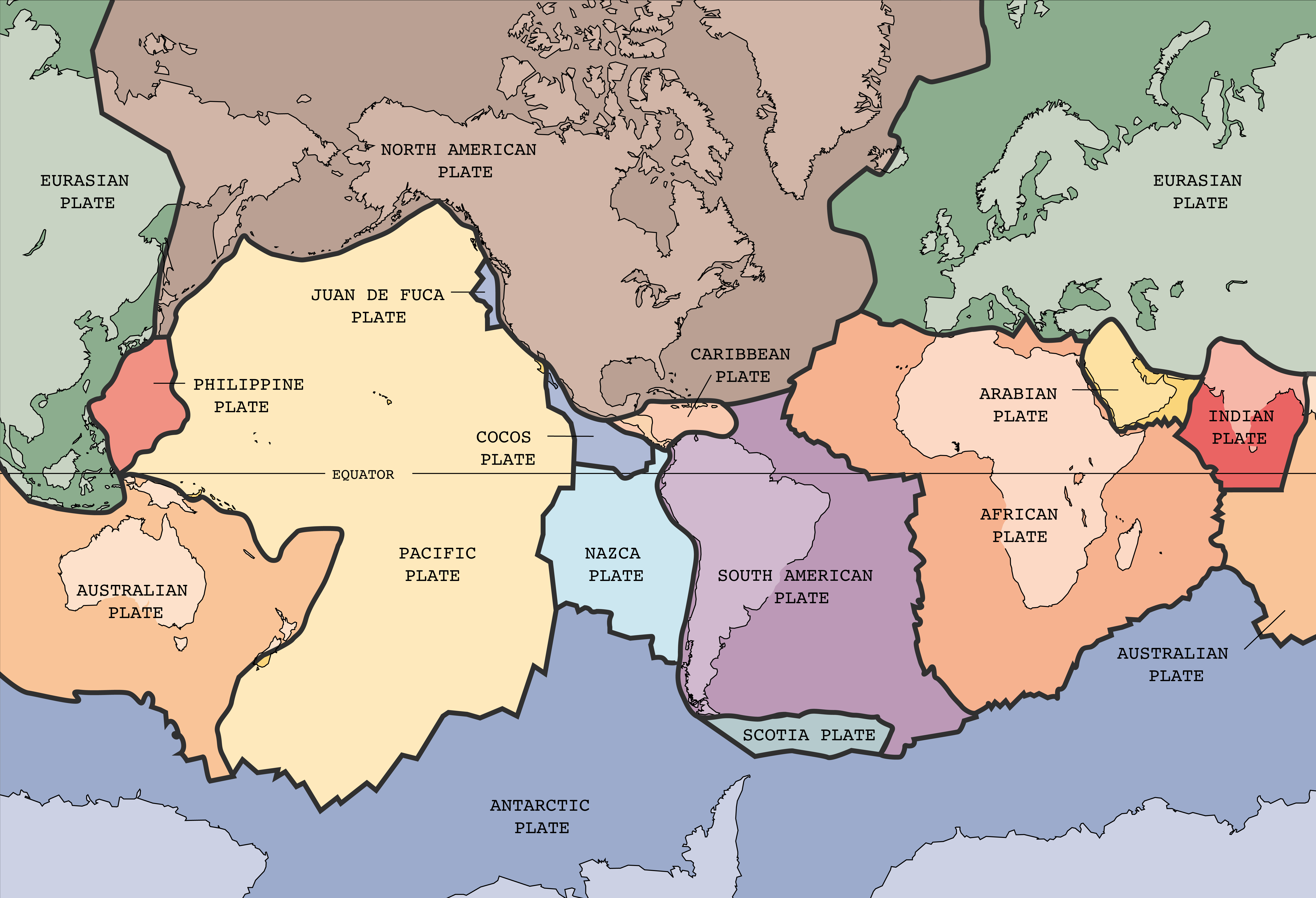
{"left":"Convergent: Plates collide, creating mountains, volcanoes, earthquakes\nDivergent: Plates separate, forming new crust and mid-ocean ridges\nConservative: Plates slide past, causing earthquakes along fault lines","right":"Each margin type creates different landforms and hazards\nUnderstanding margins helps predict geological activity\nReal examples help us see theory in action"}