
Poetry Detective: Exploring Literary Techniques
Year 9 English Discovering the secrets of poetry Simile, Metaphor, Alliteration, Rhyme & Personification
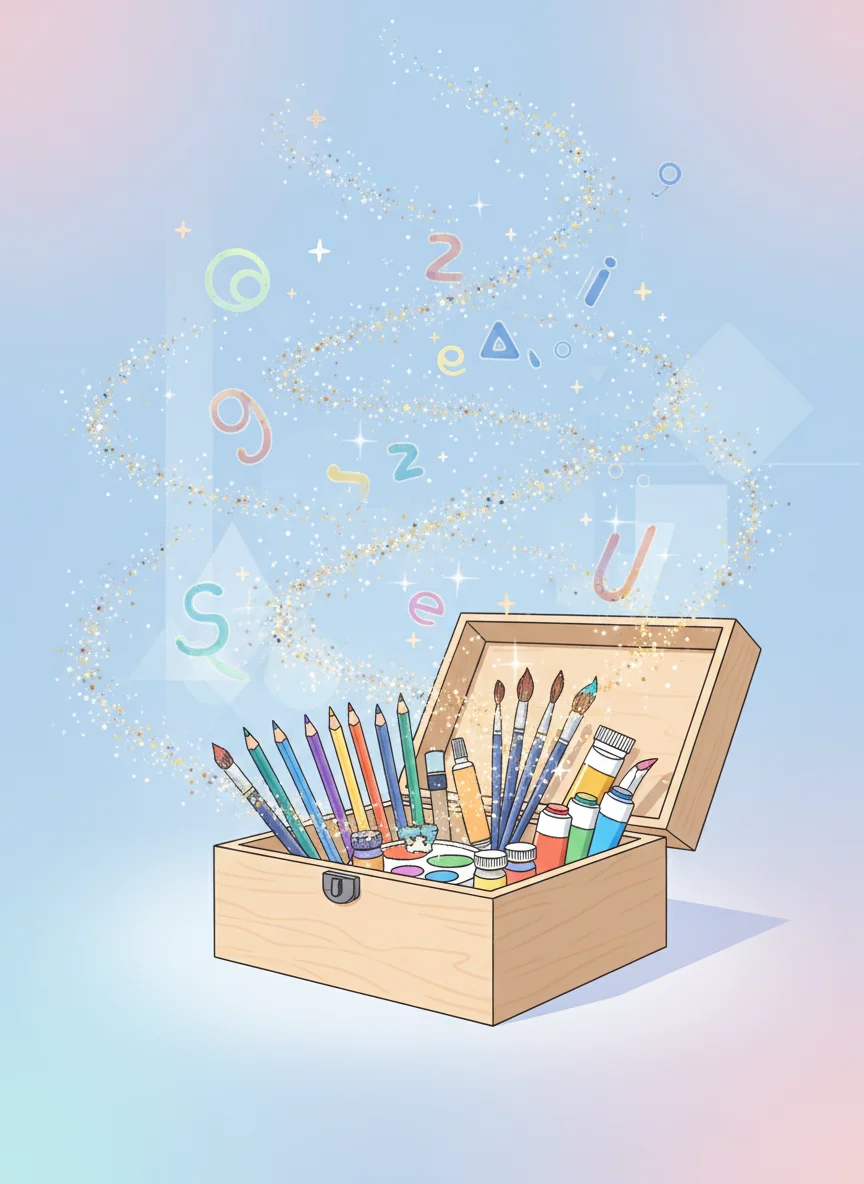
What is a Poetry Technique?
Special tools poets use to make their writing more interesting Help create pictures in our minds Make poems sound beautiful Help us understand feelings and meanings

Simile: Comparing with 'Like' or 'As'
Compares two different things using 'like' or 'as' Example: 'As brave as a lion' Example: 'Her voice is like music' Helps us picture something clearly

Metaphor: Saying Something IS Something Else
Says one thing IS another thing No 'like' or 'as' - direct comparison Example: 'Time is money' Example: 'Her heart is gold' Creates strong, vivid pictures

Alliteration: Repeating First Sounds
Repetition of the same starting sound Example: 'Wild wind whistles' Example: 'Big blue balloon' Makes poems fun to say and remember
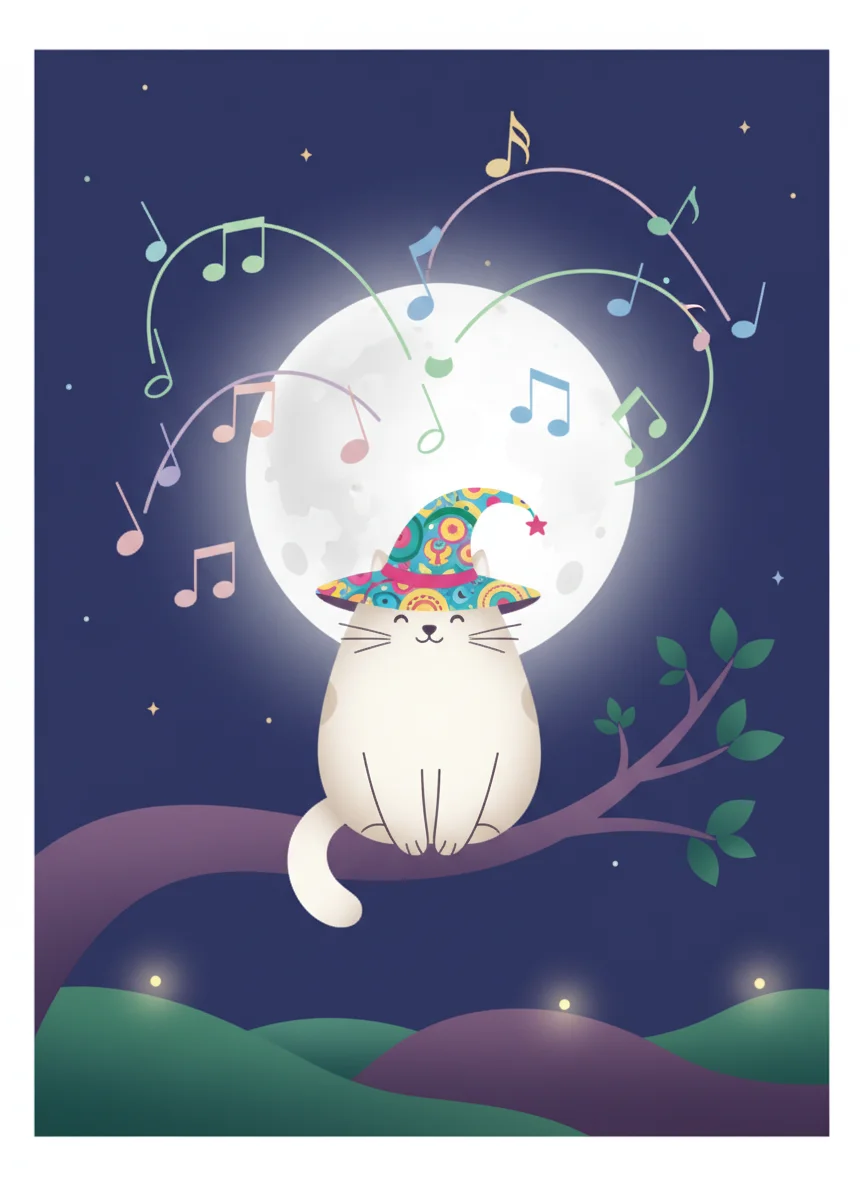
Rhyme: Words That Sound the Same
Words that end with the same sound Usually at the end of lines Example: 'cat' and 'hat' Example: 'moon' and 'June' Creates rhythm and flow
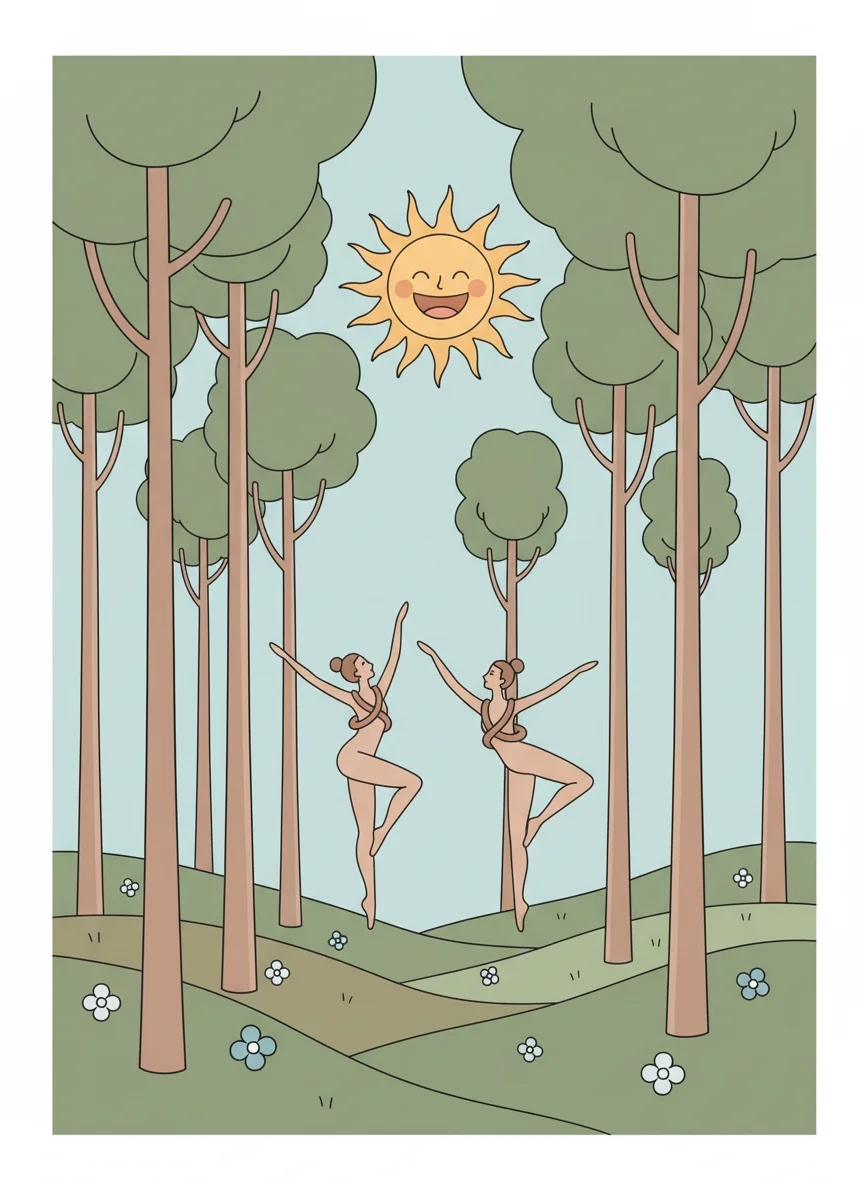
Personification: Giving Human Qualities
Gives human actions or feelings to non-human things Example: 'The trees danced in the wind' Example: 'The sun smiled down on us' Makes objects come alive in our imagination

Poetry Detective Challenge
Read the poem extracts carefully Use your detective skills to find examples Highlight or underline each technique you spot Use different colors for each technique Write down what you find in your detective notebook
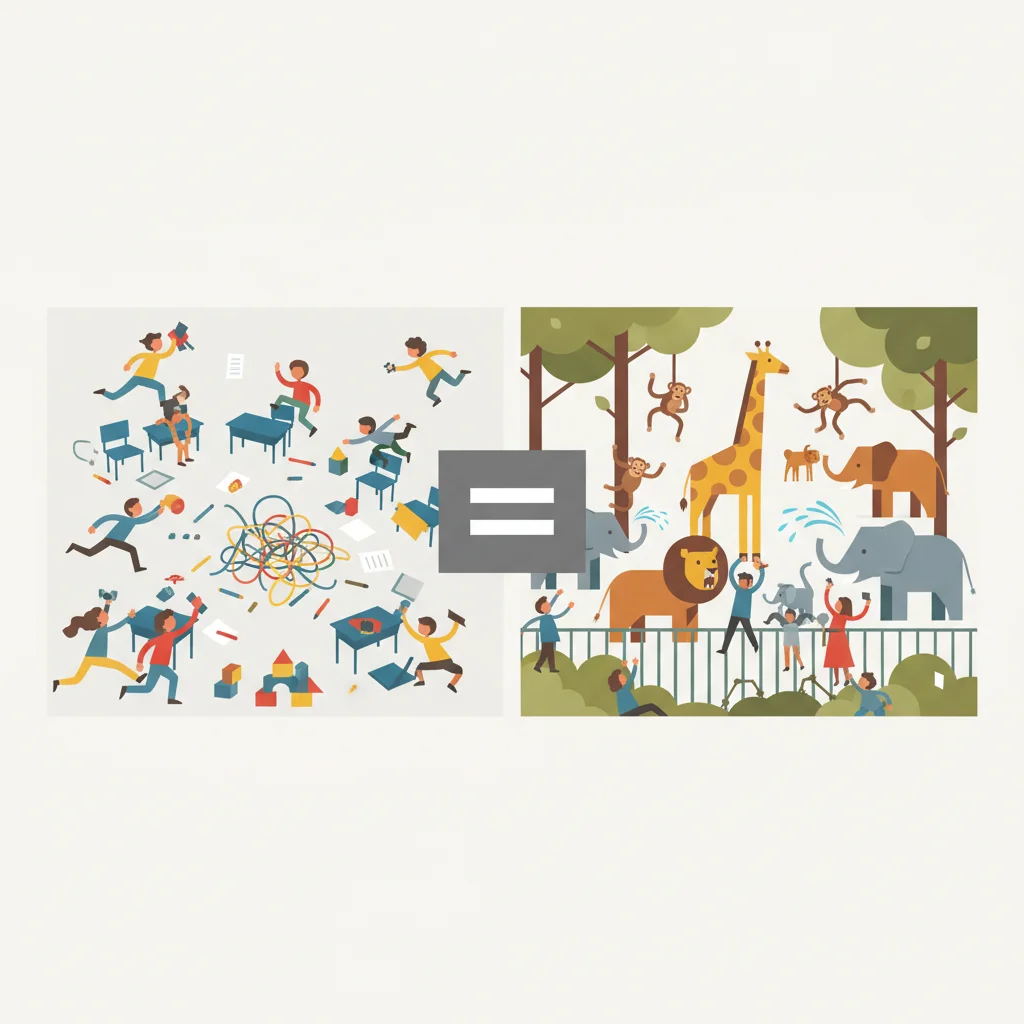
Quick Check: Can You Spot the Technique?
'The classroom was a zoo during break time' What technique is this? How does it help us understand the scene?

Poetry Detective Summary
Simile: compares using 'like' or 'as' Metaphor: says something IS something else Alliteration: repeating first sounds Rhyme: words that sound the same Personification: giving human qualities to things These techniques help poets create vivid pictures and feelings