
Poetry Types and Fun Activities
Exploring different forms of poetry Interactive activities and examples Year 6 English - Scottish Curriculum
What is Poetry?
Poetry is a form of creative writing Uses rhythm, rhyme, and imagery Expresses feelings and ideas beautifully Can tell stories or paint pictures with words
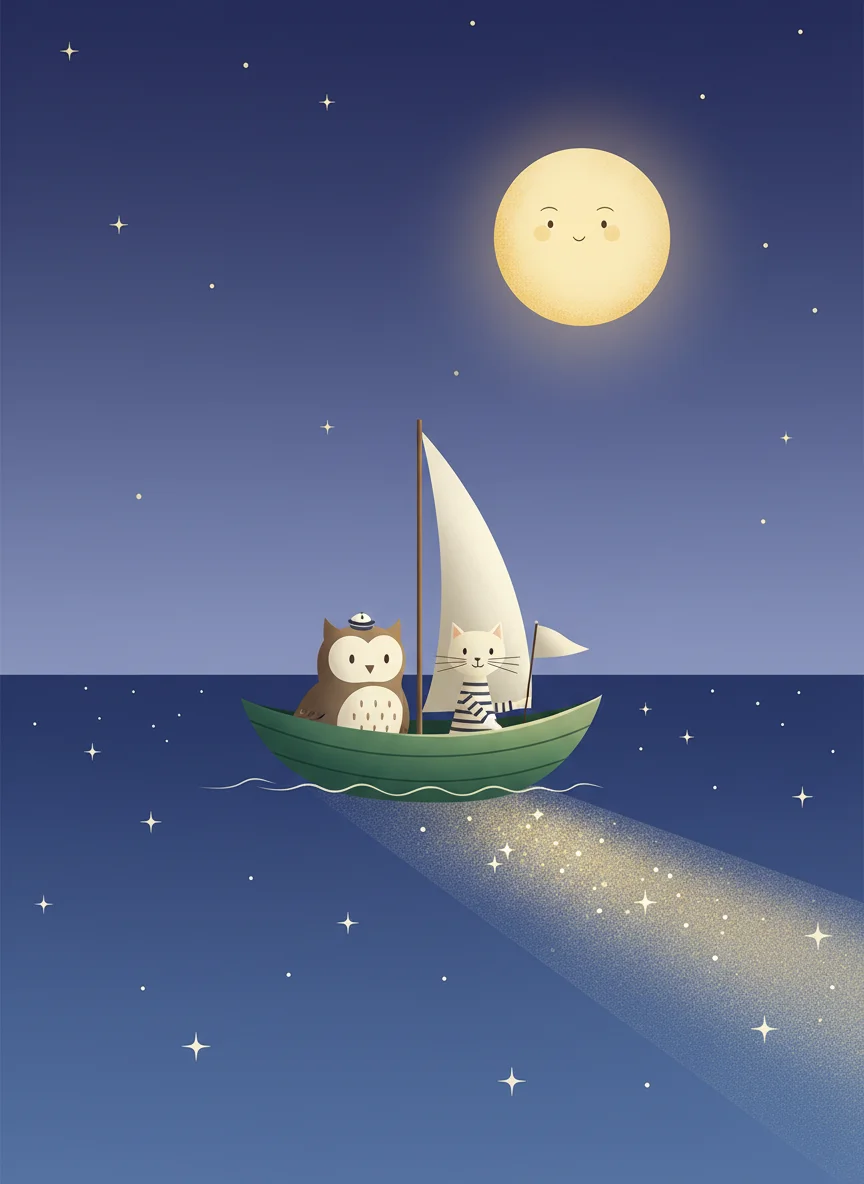
Narrative Poetry
Tells a story in verse form Has characters and a plot Often has a beginning, middle, and end Example: 'The Owl and the Pussycat' by Edward Lear

Lyric Poetry
Expresses personal feelings and emotions Often written in first person Usually shorter than narrative poems Example: 'My Heart's in the Highlands' by Robert Burns
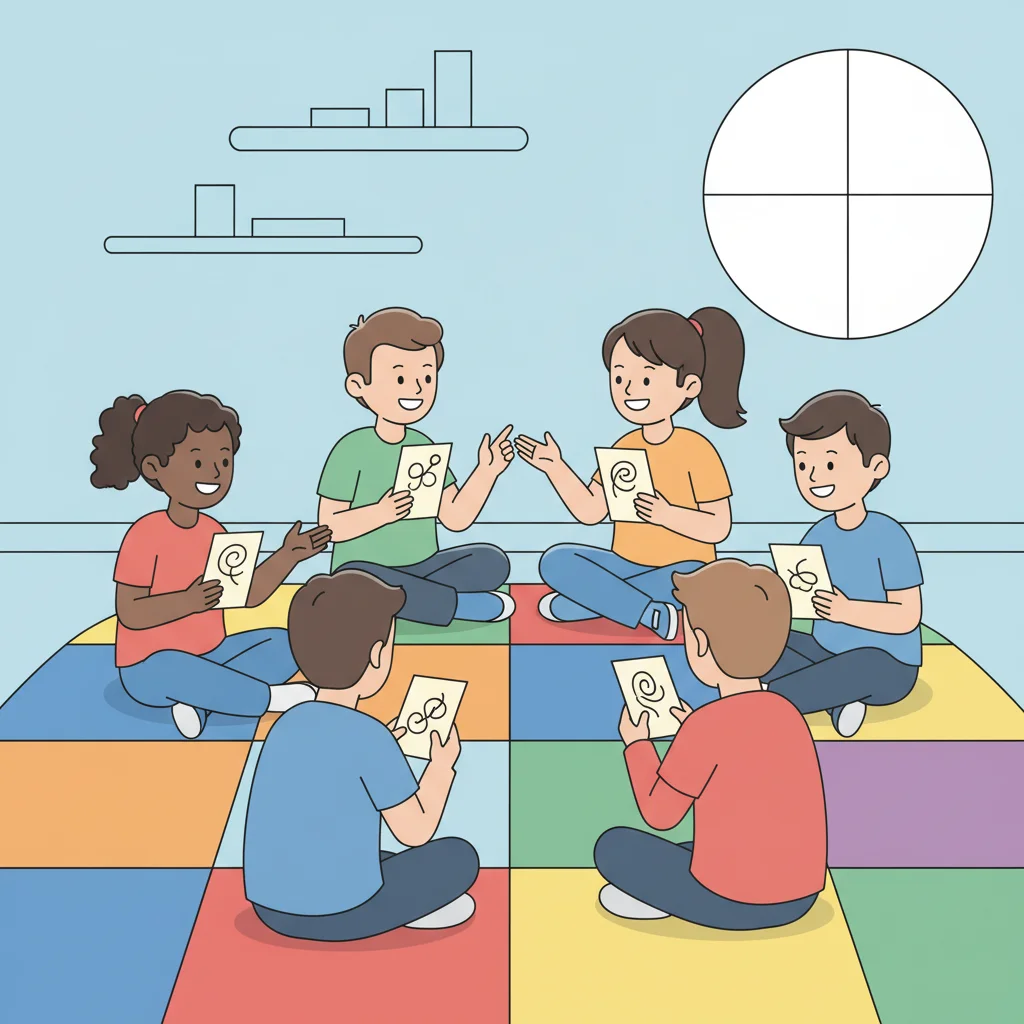
Poetry Matching Activity
Match the poem excerpts to their types Work in pairs to discuss your answers Look for clues: story elements vs. personal feelings We'll review answers together
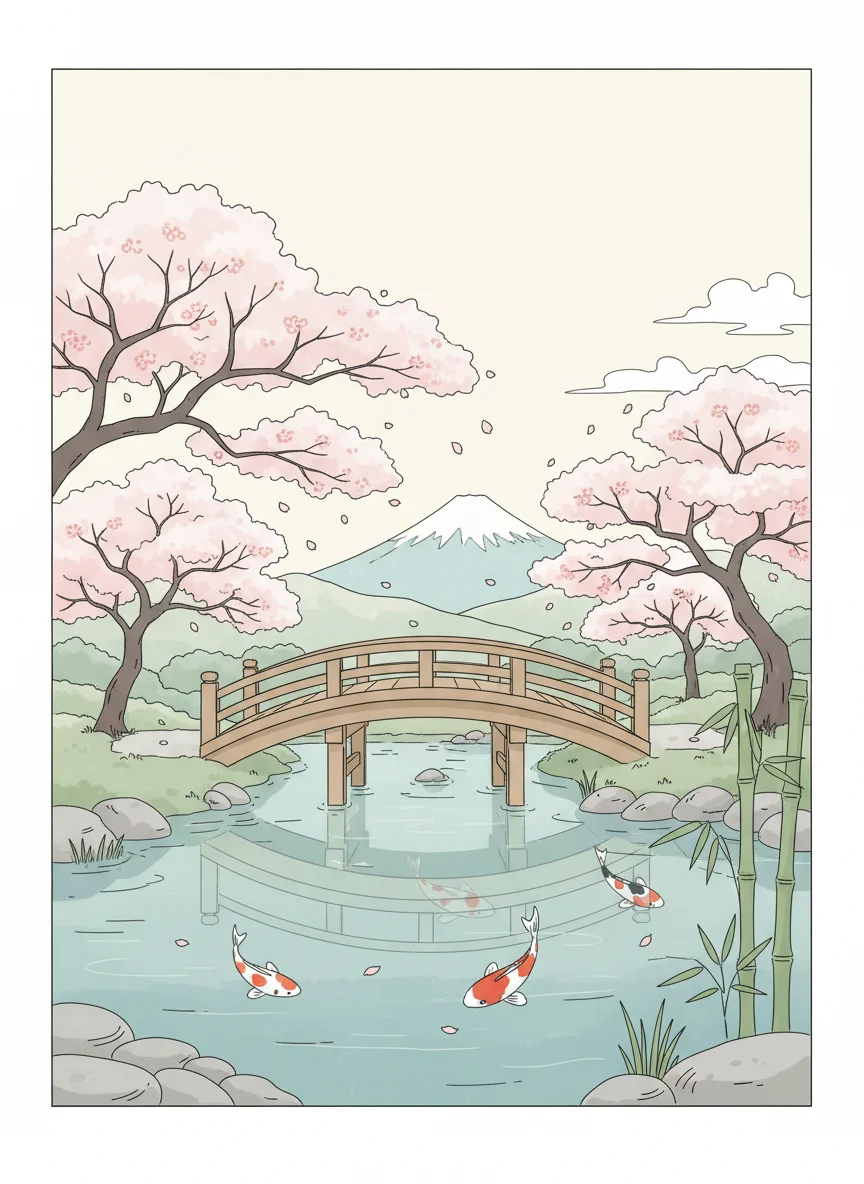
Haiku Poetry
Traditional Japanese poetry form Three lines with 5-7-5 syllable pattern Often about nature or seasons Creates a snapshot or moment in time
Limerick Poetry
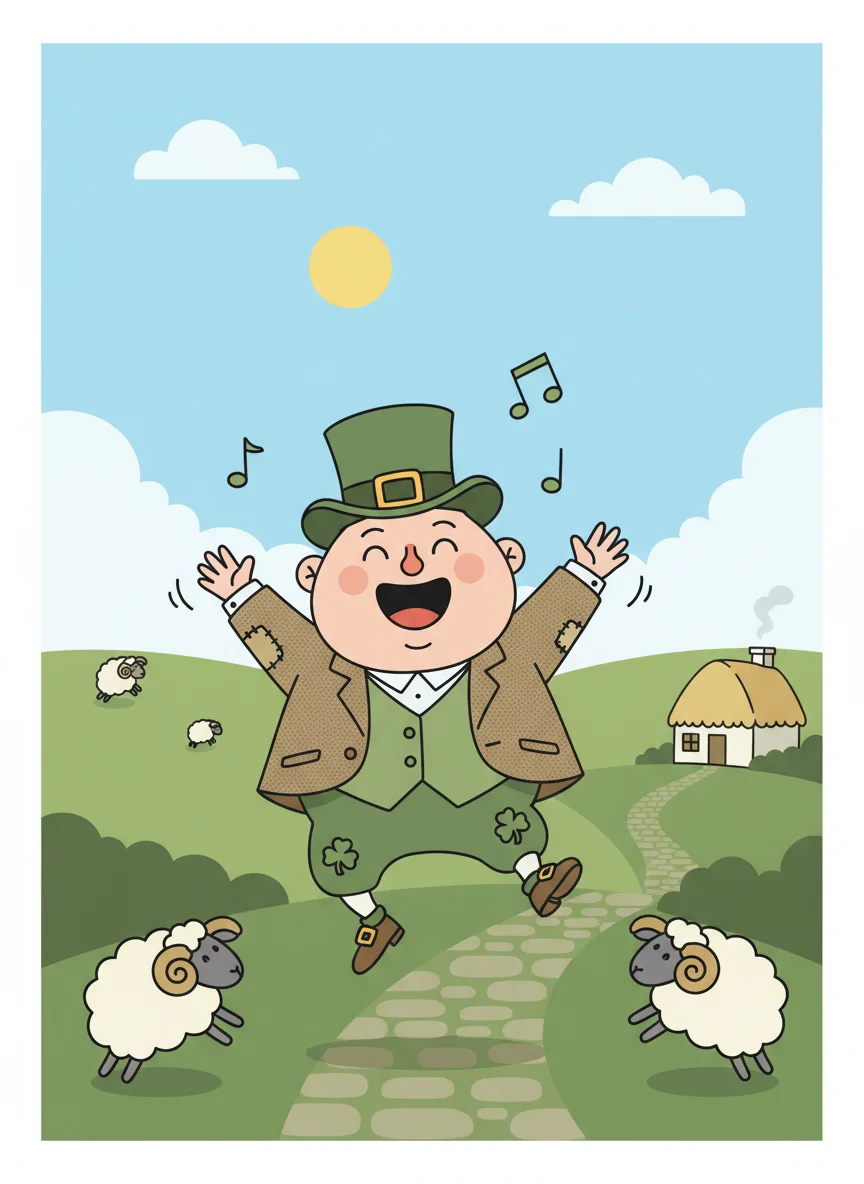
Funny five-line poems AABBA rhyme scheme Often silly or nonsensical First, second, and fifth lines rhyme and are longer
Poetry Detective Challenge
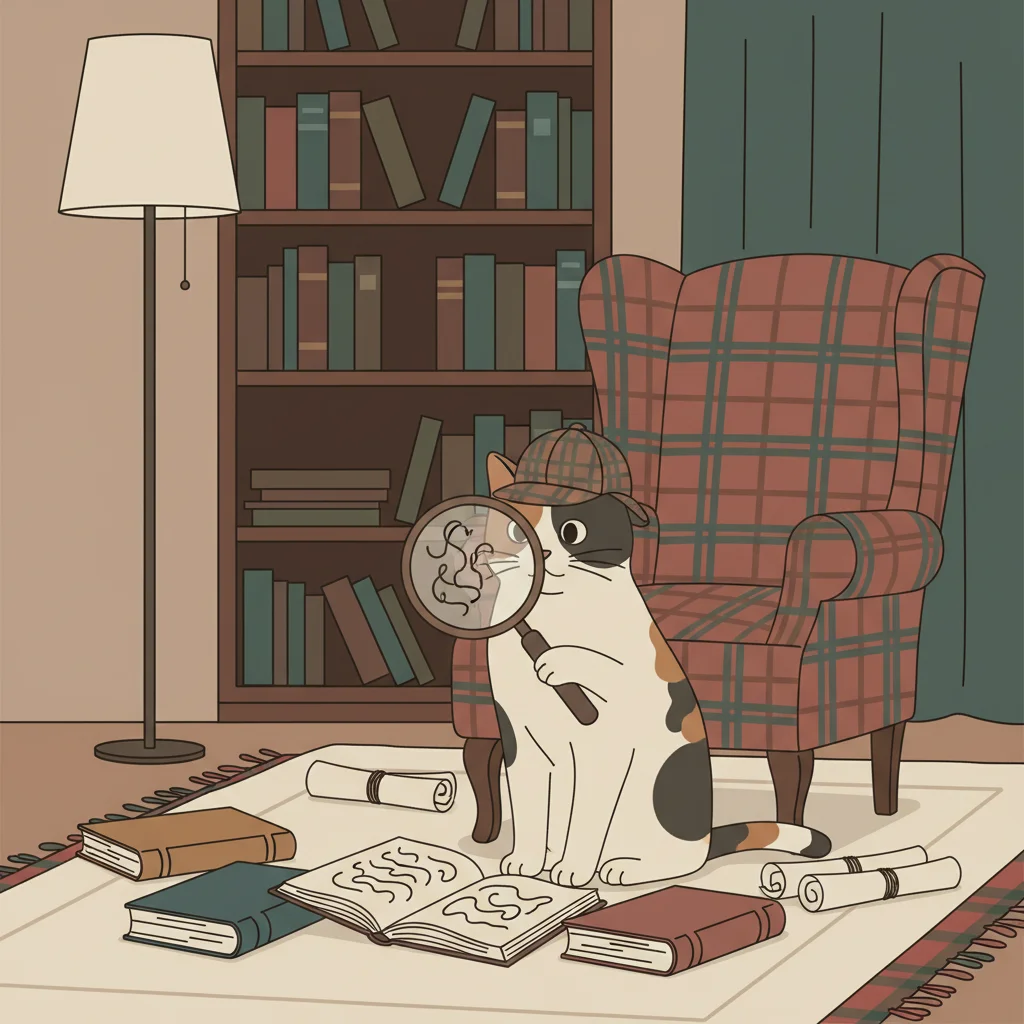
Listen to this poem excerpt: 'There once was a cat from Dundee, Who loved to climb up every tree...' What type of poetry is this? What clues helped you decide?
Create Your Own Haiku
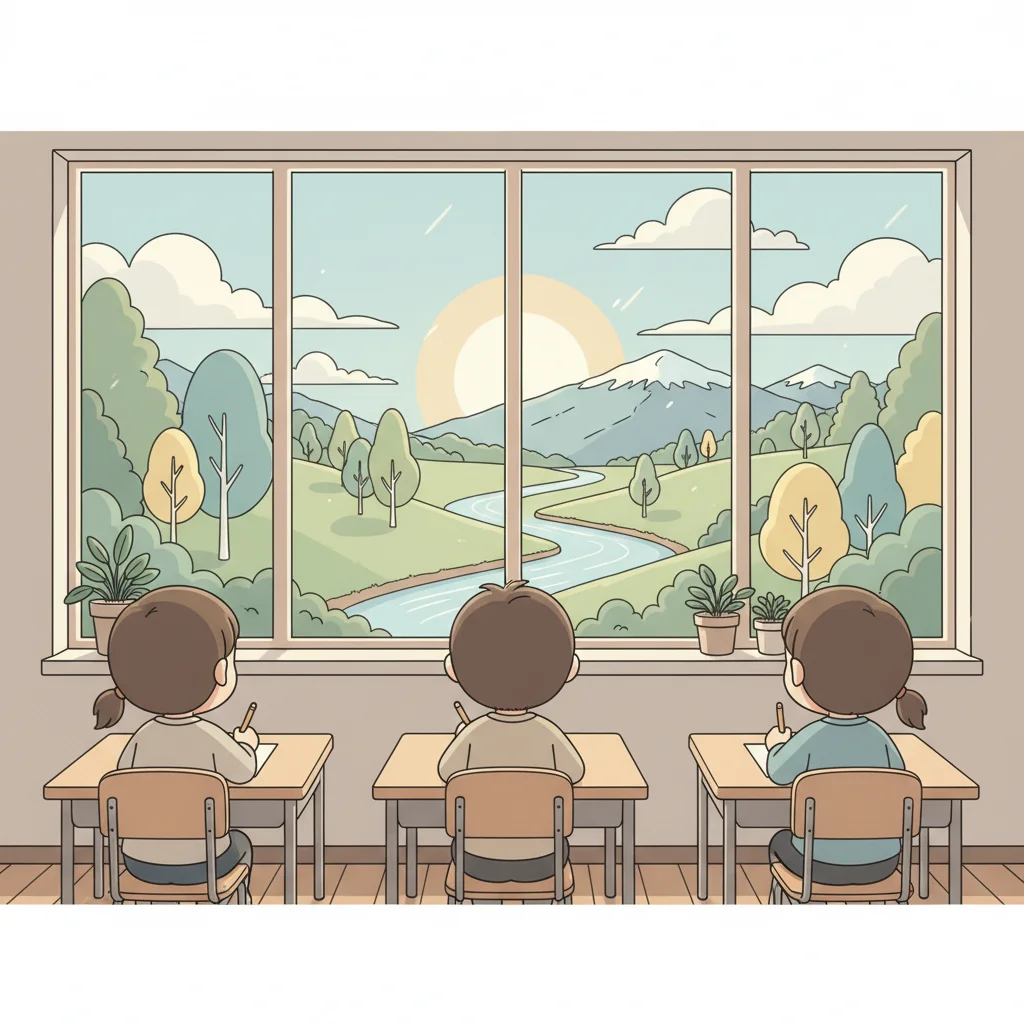
Choose a season or nature scene First line: 5 syllables Second line: 7 syllables Third line: 5 syllables Share your haiku with the class!
Poetry Wrap-Up
We explored narrative, lyric, haiku, and limerick poetry Each type has its own special features Poetry helps us express feelings and tell stories Keep reading and writing poetry to improve!