
Price Penetration Strategy Explained Simply
GCSE Business Studies A 5-minute lesson on competitive pricing
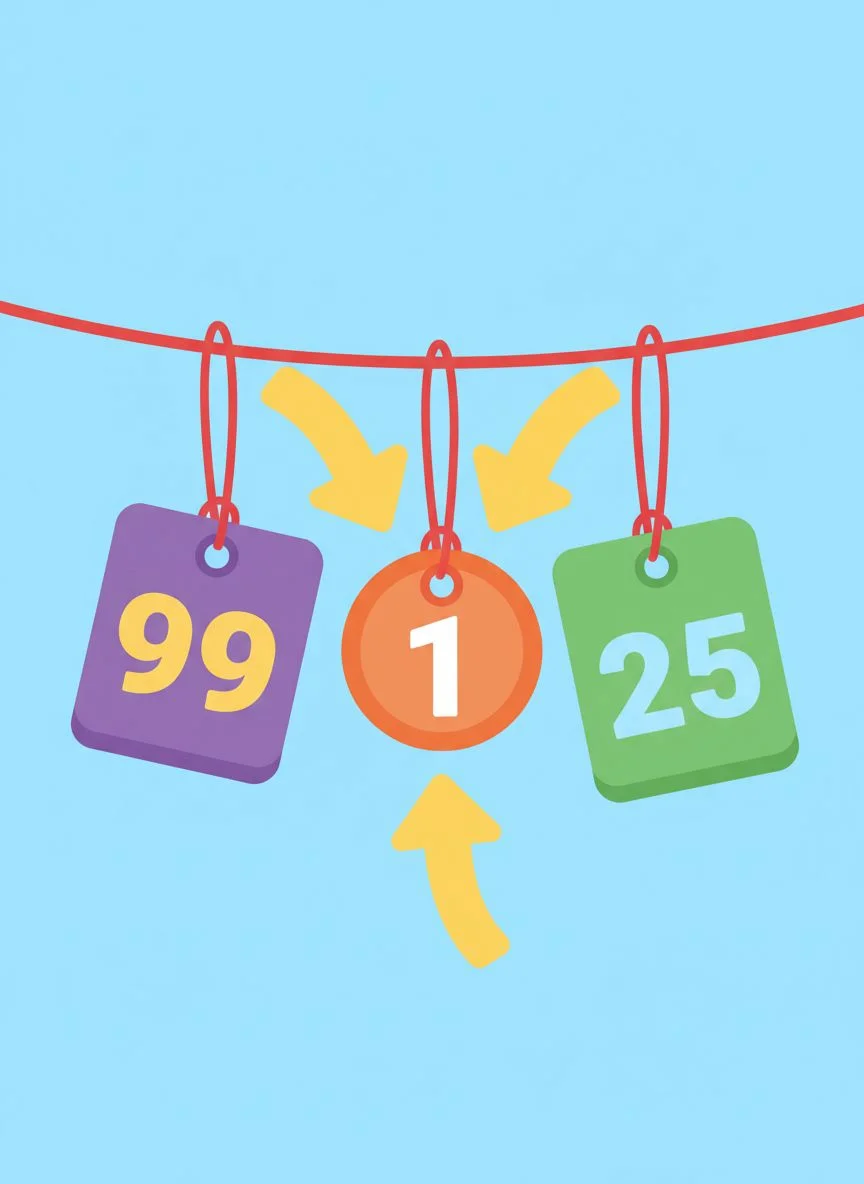
What is Price Penetration?
Setting a LOW initial price to attract customers Used when launching new products or entering new markets Aims to gain market share quickly The price is often below competitors' prices

Quick Check: Can You Spot It?
Look at these scenarios: A) New gym offers £10/month (others charge £30) B) Premium restaurant raises prices by 20% C) Streaming service launches at £3.99 (Netflix costs £10.99) Which examples use price penetration?

Price vs Sales Volume Graph
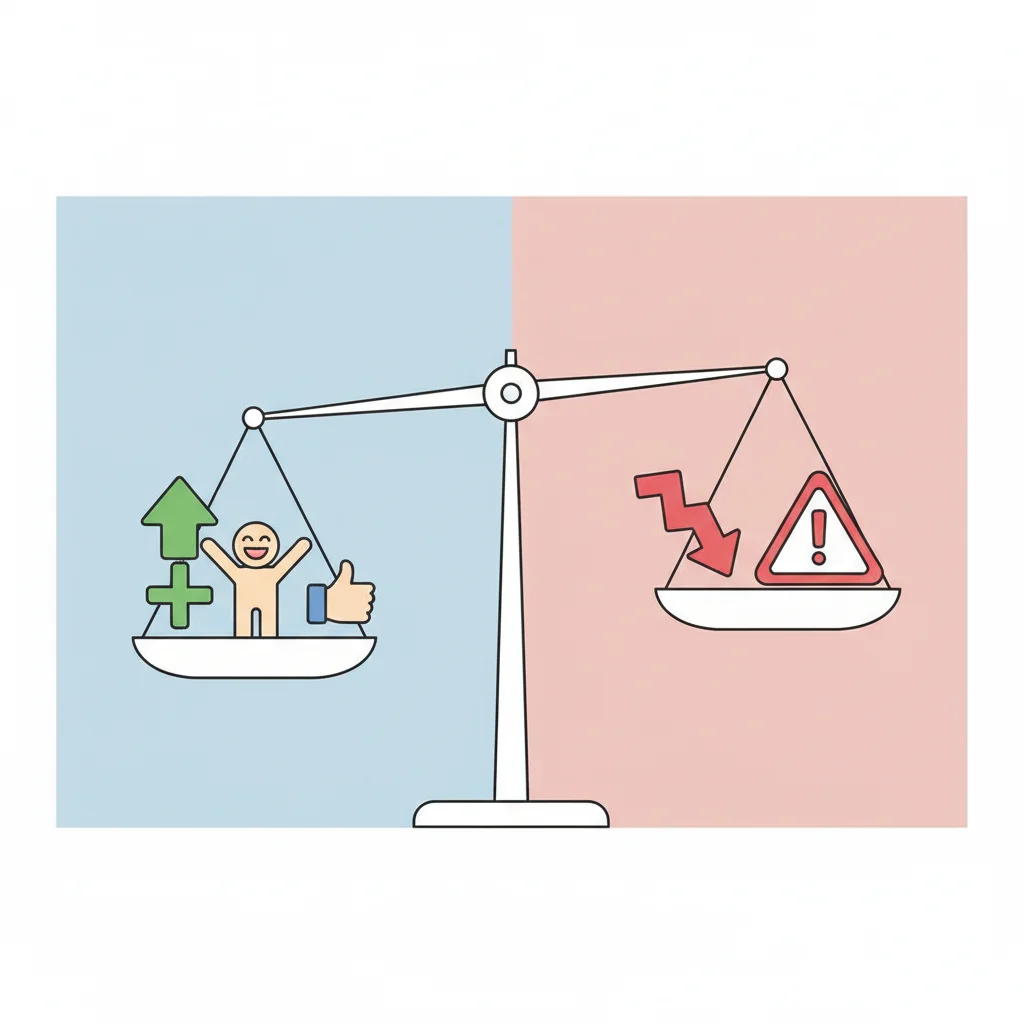
Advantages vs Disadvantages
{"left":"Attracts customers quickly\nGains market share fast\nBuilds customer loyalty early\nCreates buzz and awareness","right":"Low profit margins initially\nMay damage brand image\nCompetitors might copy strategy\nDifficult to raise prices later"}

Case Study: Netflix vs Traditional TV
Netflix launched in UK at £5.99/month (2012) Sky TV packages cost £25-50+ per month Netflix gained 5 million UK subscribers in 2 years Later raised prices to £10.99 as they established market position

Quick Quiz: Test Your Knowledge
1. What is the main goal of price penetration? 2. Give one advantage and one disadvantage 3. Why might Netflix have used this strategy in 2012? 4. When might a business avoid price penetration?
More Business slide decks
Other ready-to-teach business decks for UK classrooms.