
Primate Cities: Causes, Consequences, and Cases
CIE A-Level Geography 9696 Understanding urban hierarchy and development patterns Year 12 Module

What is a Primate City?
A city that is significantly larger than any other city in the country Typically 2-3 times larger than the second largest city Dominates the country's economic, political, and cultural life Contains a disproportionate share of national population Examples: London (UK), Paris (France), Bangkok (Thailand)

The Rank-Size Rule vs Primate Cities
Rank-Size Rule: population of nth city = largest city ÷ n Predicts balanced urban hierarchy Second city should be half the size of the largest Third city should be one-third the size Primate cities violate this rule dramatically

Causes of Primate Cities
{"left":"Colonial legacy - administrative centers\nEconomic concentration - financial hubs\nPolitical centralization - capital cities\nTransport networks - convergence points","right":"Historical factors - early settlements\nResource availability - ports, rivers\nGovernment policies - investment focus\nMigration patterns - rural-urban movement"}

Identifying Primate Cities
Work in pairs to research population data Calculate the primacy ratio for assigned countries Ratio = largest city ÷ second largest city Countries: Thailand, UK, France, Argentina, Peru Present findings to class
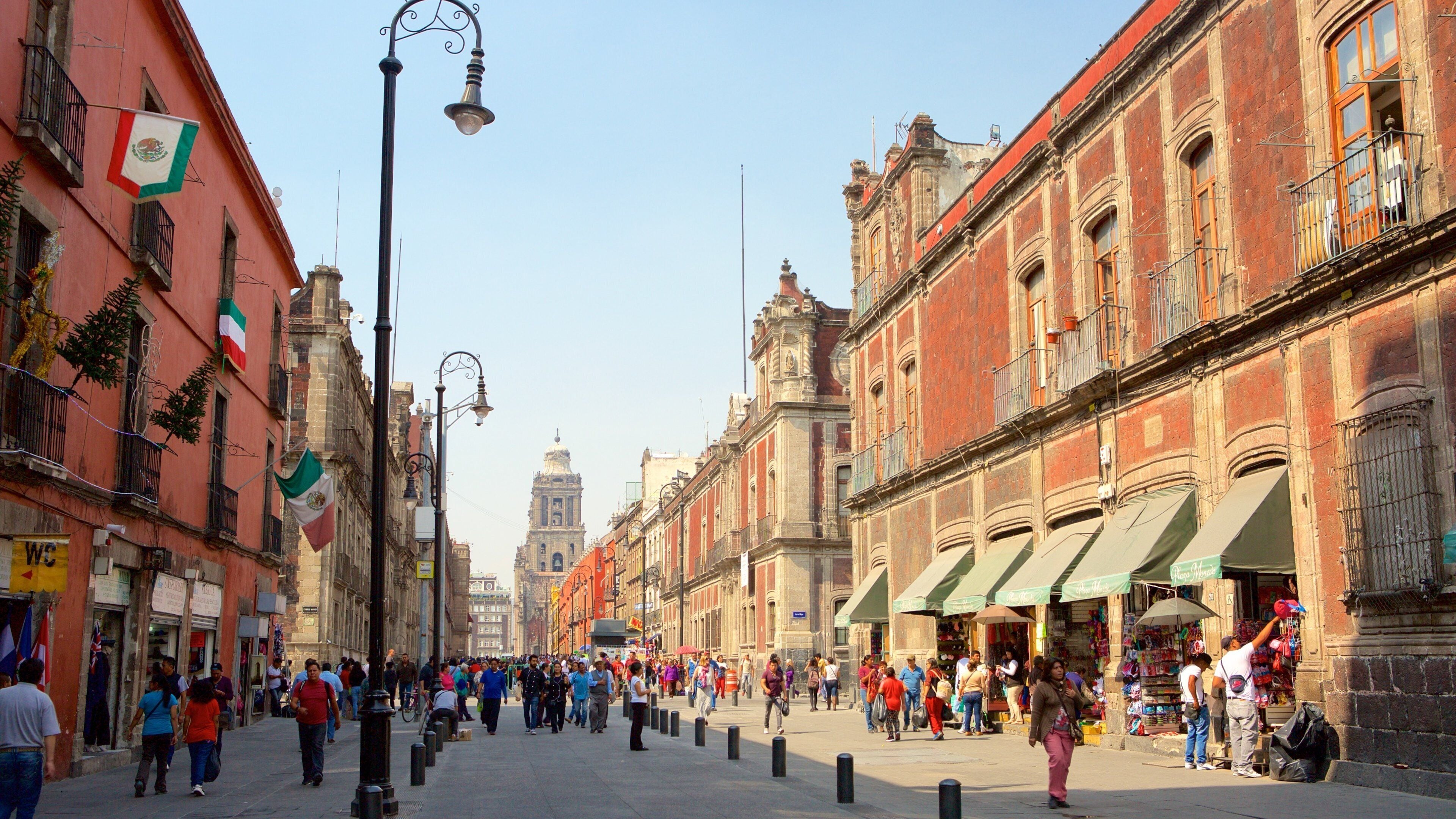
Case Study: Mexico City

Positive Consequences of Primate Cities
Economic efficiency - agglomeration benefits Infrastructure concentration - better services Innovation hubs - knowledge clustering International connectivity - global cities Cultural centers - arts, education, media Employment opportunities - job creation
Negative Consequences of Primate Cities
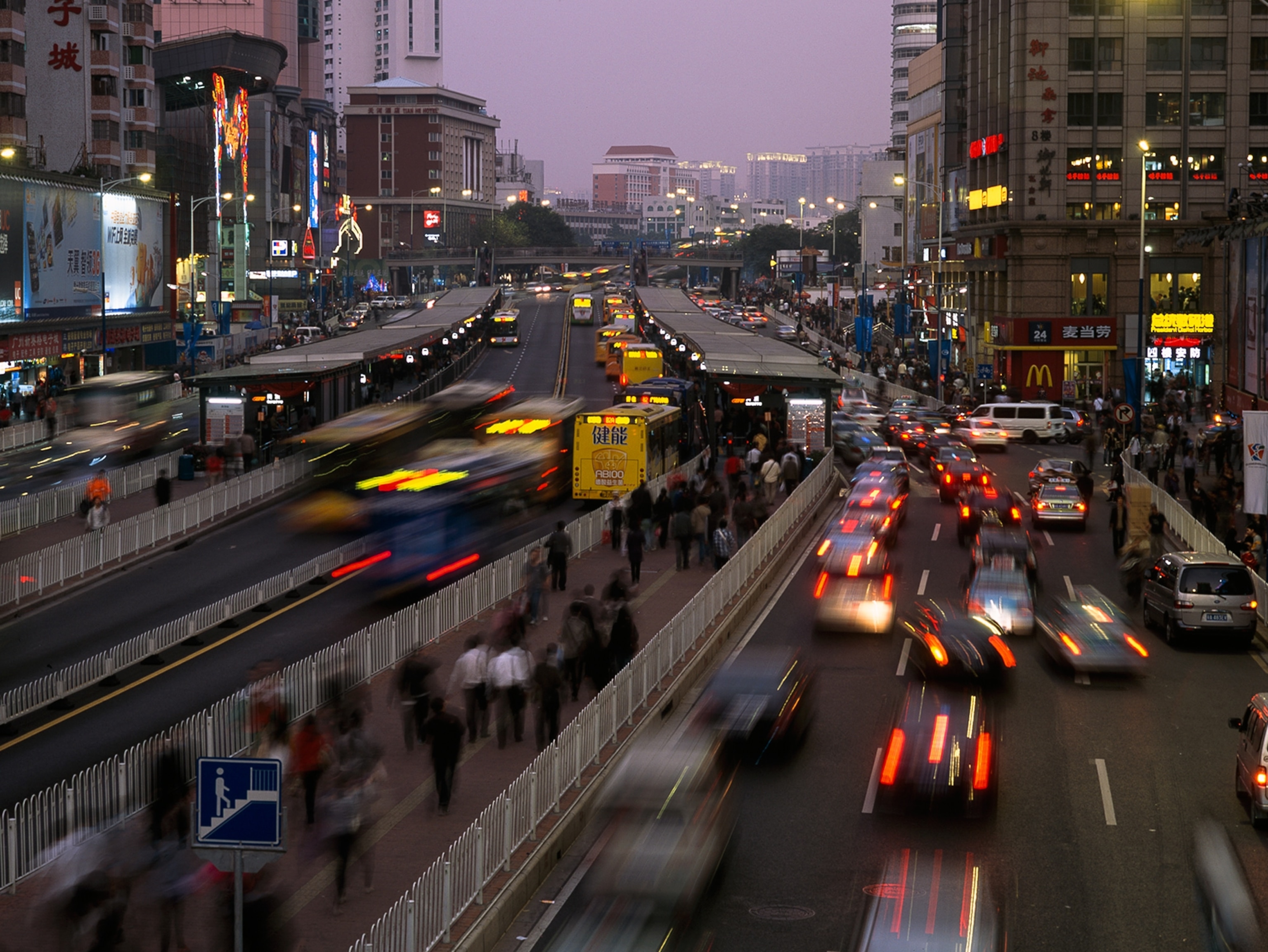
Regional inequality - uneven development Overcrowding - housing shortages Environmental problems - pollution, congestion Infrastructure strain - overloaded systems Rural decline - brain drain effect Social problems - poverty, crime in slums
Case Study Analysis
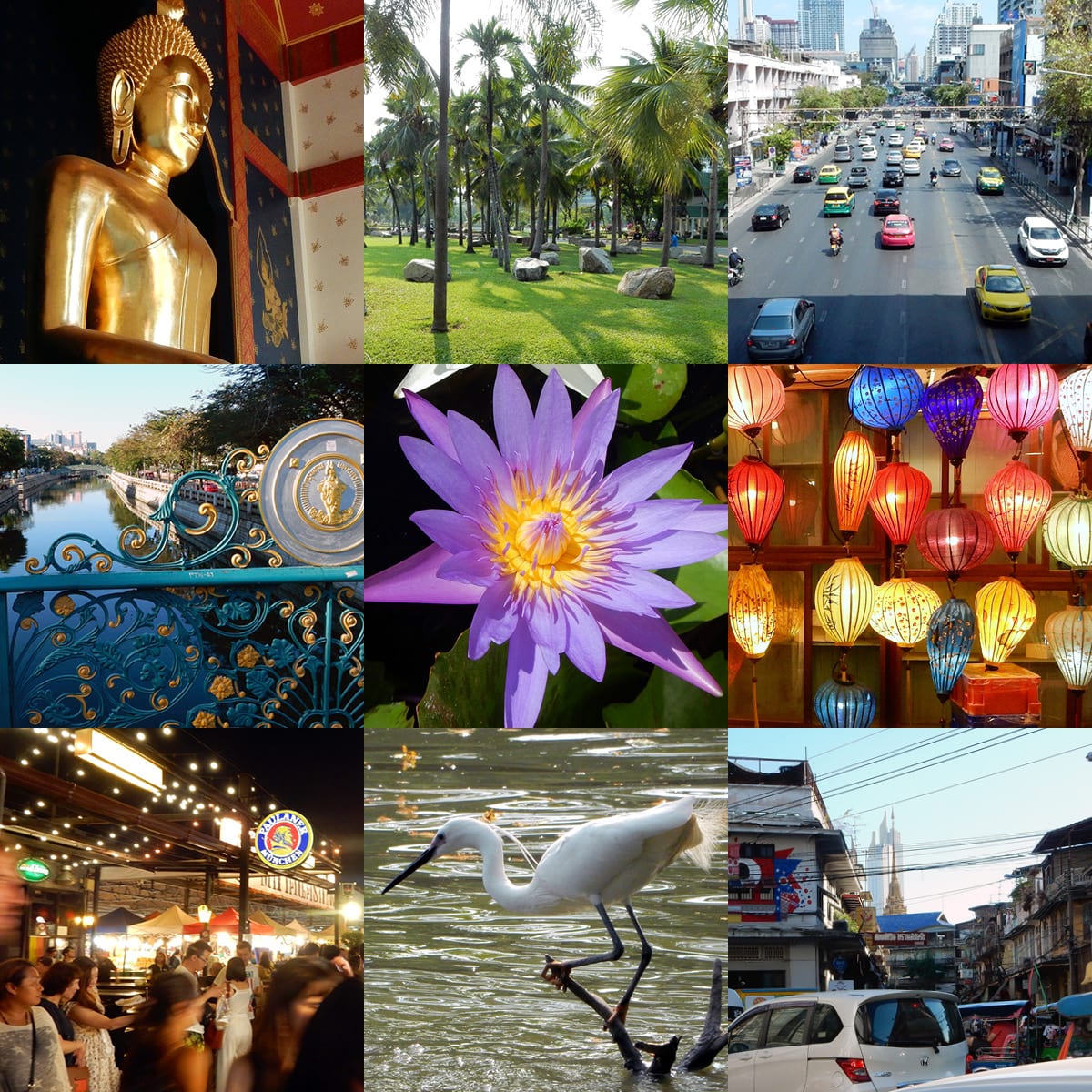
Choose Bangkok or London as your case study How does your chosen city demonstrate primate city characteristics? What are the main causes of its dominance? Evaluate both positive and negative consequences What policies might address the problems?
Summary and Key Takeaways
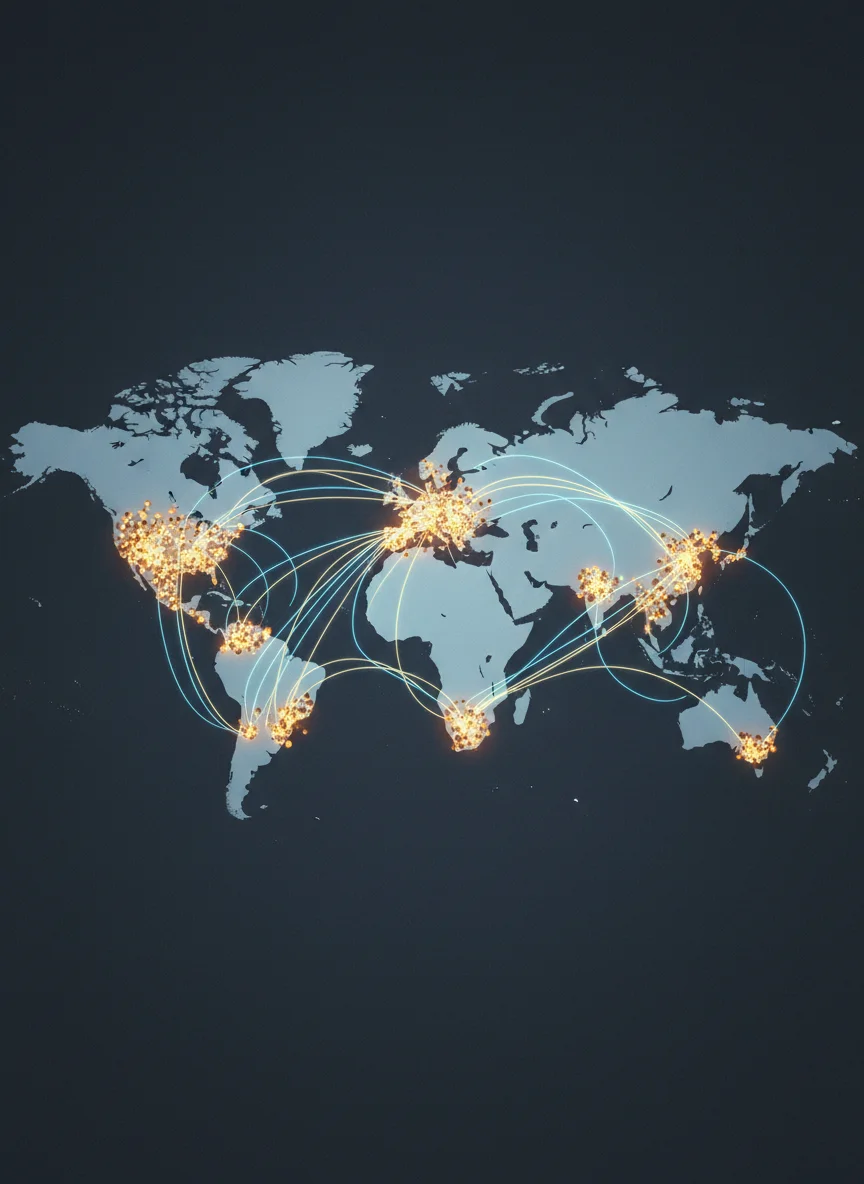
Primate cities violate the rank-size rule Result from historical, economic, and political factors Bring both benefits (efficiency) and costs (inequality) Common in developing countries and former colonies Policy responses vary - decentralization vs acceptance Understanding helps explain global urban patterns