
Programming Loops and Nested Iteration
Year 11 Computer Science Understanding iteration and control structures Building efficient algorithms
Introduction to Iteration
Iteration is the process of repeating a sequence of instructions Loops automate repetitive tasks efficiently Makes code more readable and maintainable Essential for processing large datasets Example: Processing thousands of audio samples per second
For Loops (Count-Controlled)
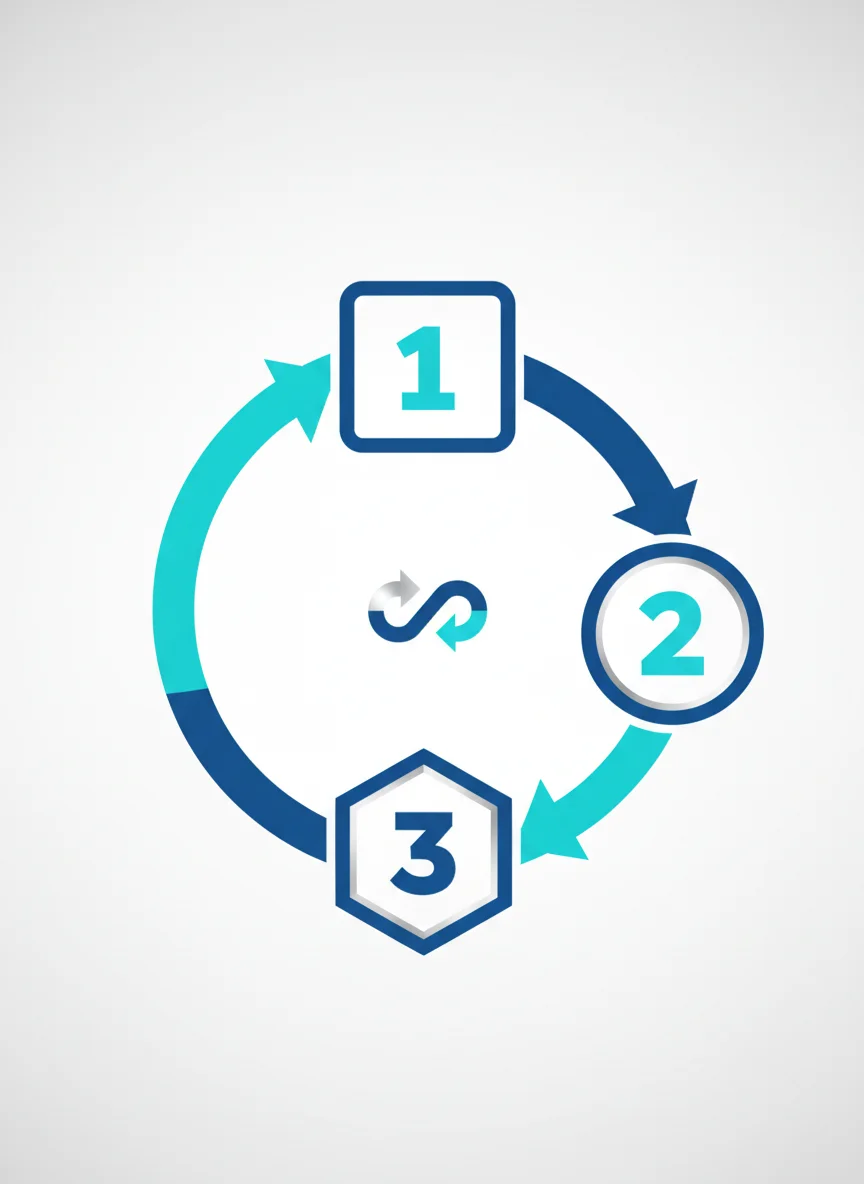
Count-controlled loops with predetermined iterations Perfect when you know how many times to repeat Uses range() function in Python Automatically handles start and stop conditions Example: Processing a list of audio bit depths
While Loops (Condition-Controlled)
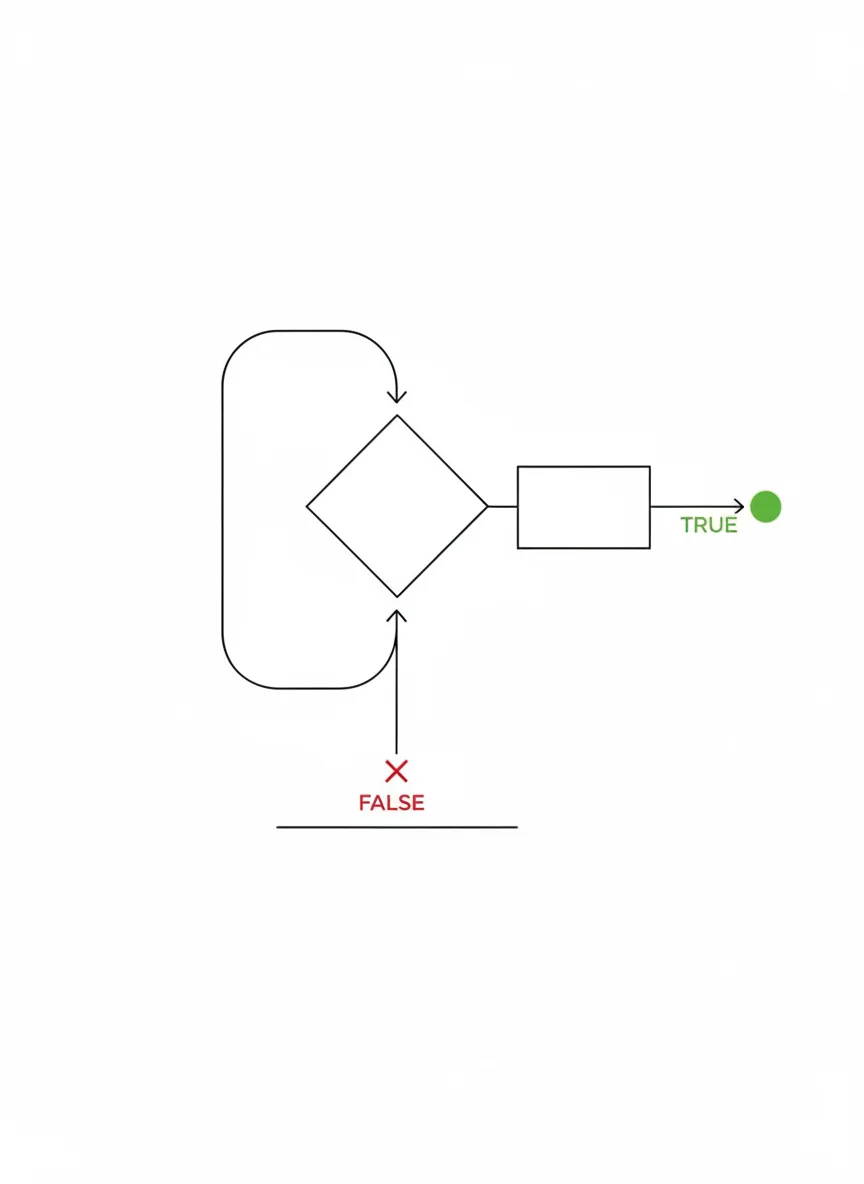
Condition-controlled loops that check before each iteration Continues while a boolean condition remains true Used when iteration count is unknown beforehand Stops immediately when condition becomes false Example: Repeating until file size limit is reached

Understanding Nested Loops
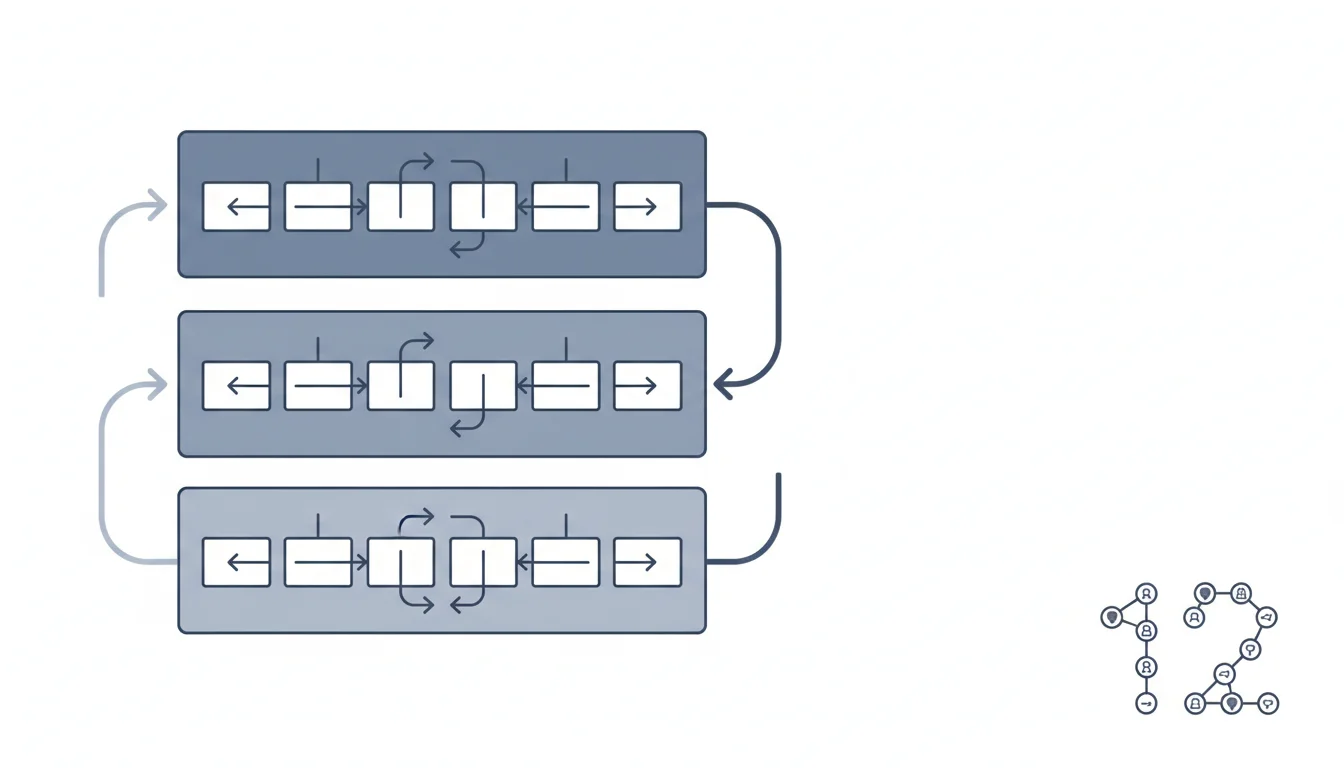
"A nested loop is simply one loop running inside another. The inner loop completes its entire cycle for every single step of the outer loop."
For Loops vs While Loops: Structure Comparison
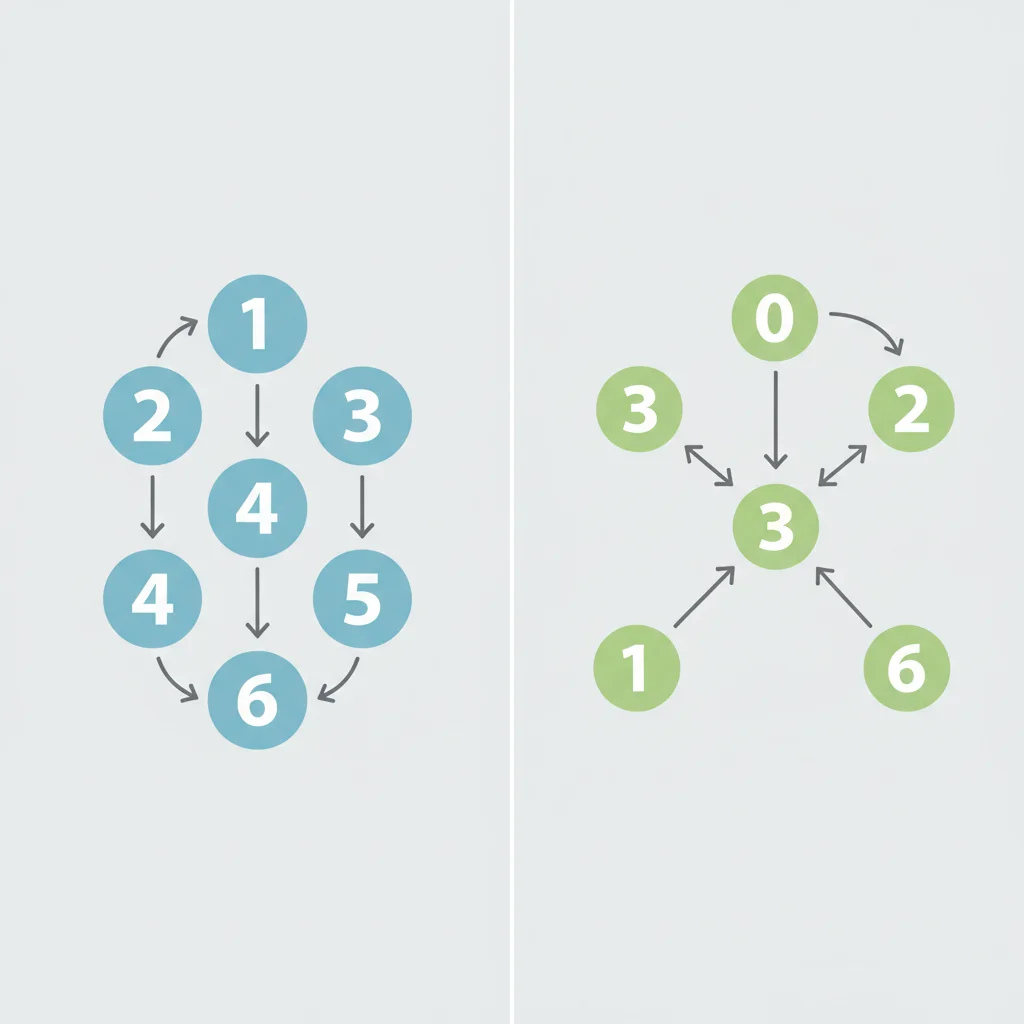
{"left":"For loops iterate through sequences automatically\nPerfect for lists and ranges\nBuilt-in iteration control\nLess prone to infinite loops","right":"While loops check conditions repeatedly\nRequire manual counter management\nMore flexible for dynamic conditions\nNeed careful condition design"}

Code Analysis Challenge
Examine these two code snippets Both print numbers 1 to 5 Identify the key differences Which approach is more suitable and why? Discuss potential risks with each method
Choosing the Right Loop & Safety
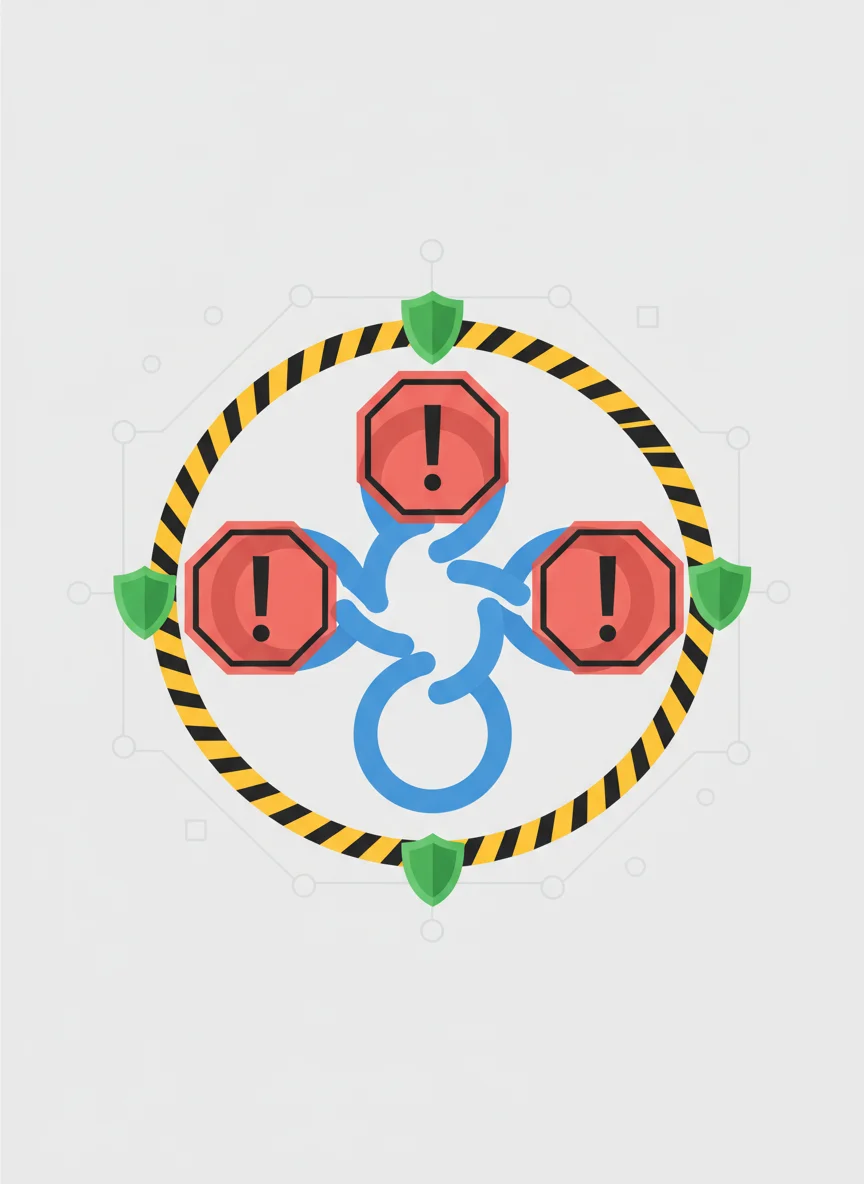
Use for loops for fixed datasets and known ranges Use while loops for logic-based repetition Always ensure while loop conditions will become false Use break statements for emergency exits Test loops with small datasets first
How Nested Iteration Works

Python Examples: Matrices and Grids
Matrix traversal using list of lists Outer loop moves through rows Inner loop processes each column Essential for 2D data processing Example: 24-bit audio across 16 tracks

Problem-Solving Challenge
You need to process a 10x10 grid of temperature readings Each cell needs to be checked and possibly modified How many total operations will occur? What would be the structure of your nested loops?

Solving Complex Problems
Matrix multiplication requires nested loops Data archiving into nested folder structures Image processing pixel by pixel Algorithm efficiency considerations Time complexity increases with nesting levels
2 more slides available after you open the deck.
Download all 14 slides