Quantum Physics: Wave-Particle Duality
A-Level Physics Understanding the dual nature of light and matter AQA Specification Section 3.1.3

The Photoelectric Effect
Light shines on a metal surface and electrons are emitted Only occurs above a threshold frequency (f₀) Maximum kinetic energy depends on frequency, not intensity Einstein's explanation won him the Nobel Prize in 1921
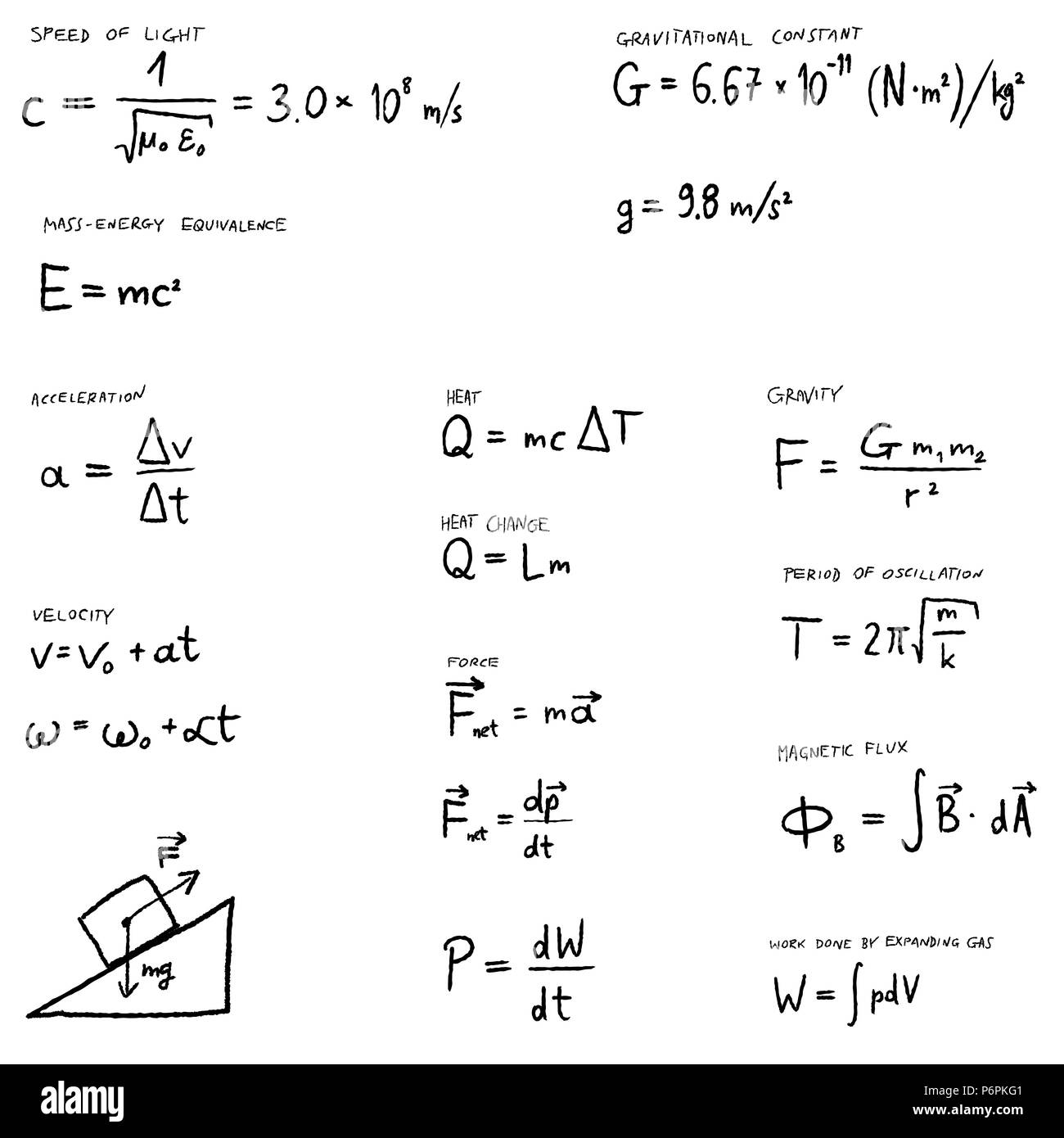
Photoelectric Equation Practice
Work in pairs to solve photoelectric problems Use the equation: hf = φ + Eₖ(max) Convert between eV and Joules Calculate stopping potentials from given data
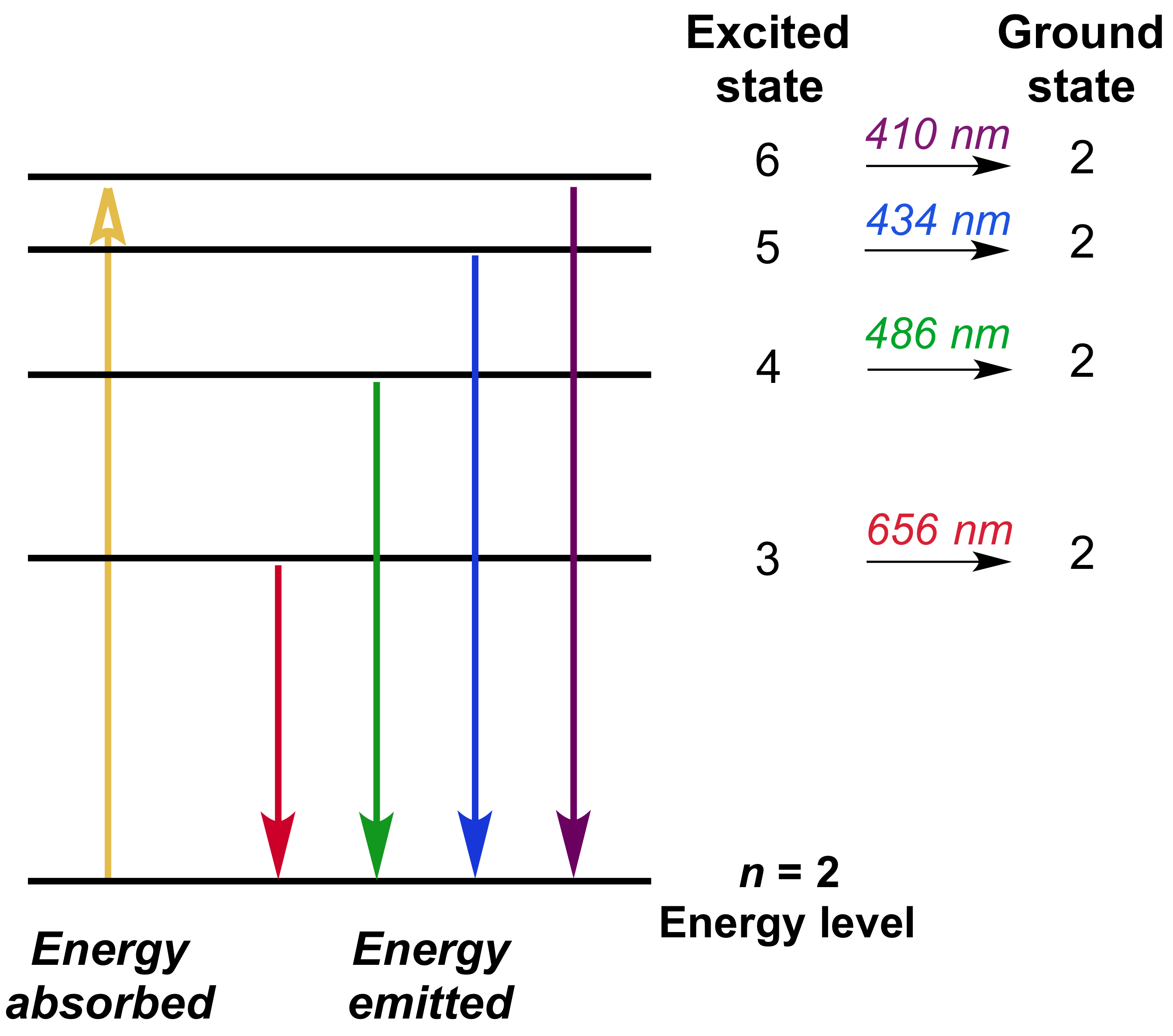
Energy Levels and Atomic Spectra
Electrons occupy discrete energy levels in atoms Excitation: electron moves to higher energy level Ionisation: electron completely removed from atom Line spectra result from electron transitions: hf = E₁ - E₂

Electron Diffraction: Evidence for Wave Nature
Wave-Particle Duality Evidence
{"left":"WAVE EVIDENCE:\n• Electron diffraction patterns\n• Interference effects\n• de Broglie wavelength λ = h/mv\n","right":"PARTICLE EVIDENCE:\n• Photoelectric effect\n• Discrete energy packets\n• Localized interactions"}
Check Your Understanding
If you increase the momentum of an electron, what happens to its de Broglie wavelength? How would this affect the diffraction pattern? Discuss with your partner and be ready to explain your reasoning
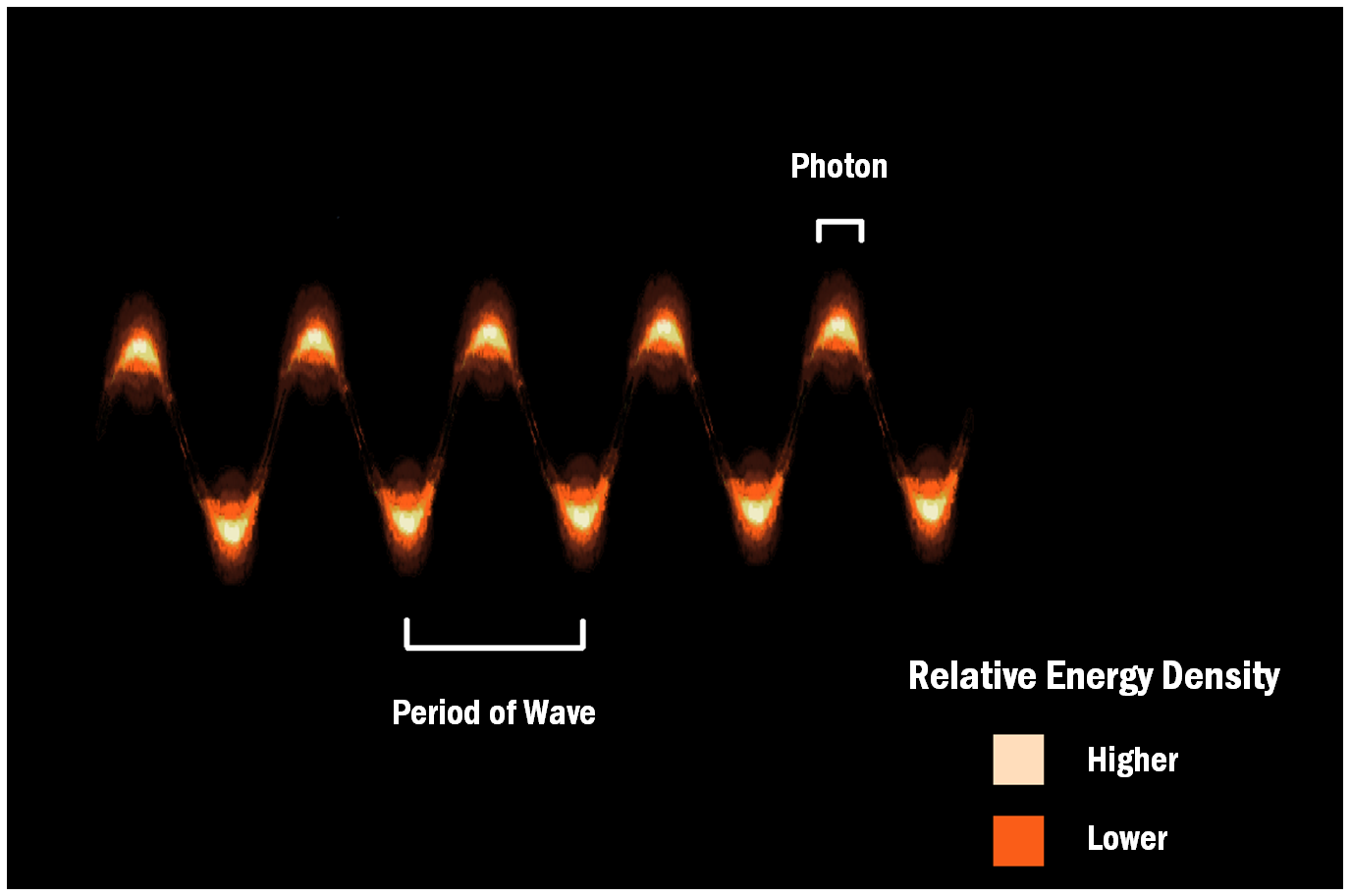
Key Takeaways
Light and matter exhibit both wave and particle properties Photoelectric effect: hf = φ + Eₖ(max) Energy transitions: hf = E₁ - E₂ de Broglie wavelength: λ = h/mv Scientific understanding evolves through experimentation and peer review