Romeo & Juliet: Prologue to Passion
English Literature - Year 9 Exploring Shakespeare's Tragic Masterpiece The Prologue and Act 1, Scenes 1-2
What is a Prologue?
An introduction that comes before the main story Tells the audience what to expect In Shakespeare's time, it helped noisy audiences settle down Reveals key information about the plot
Prologue Sketching Activity
Listen to the Prologue being read aloud Choose 5 key parts from the text Draw quick sketches representing each part Write explanatory notes for your drawings
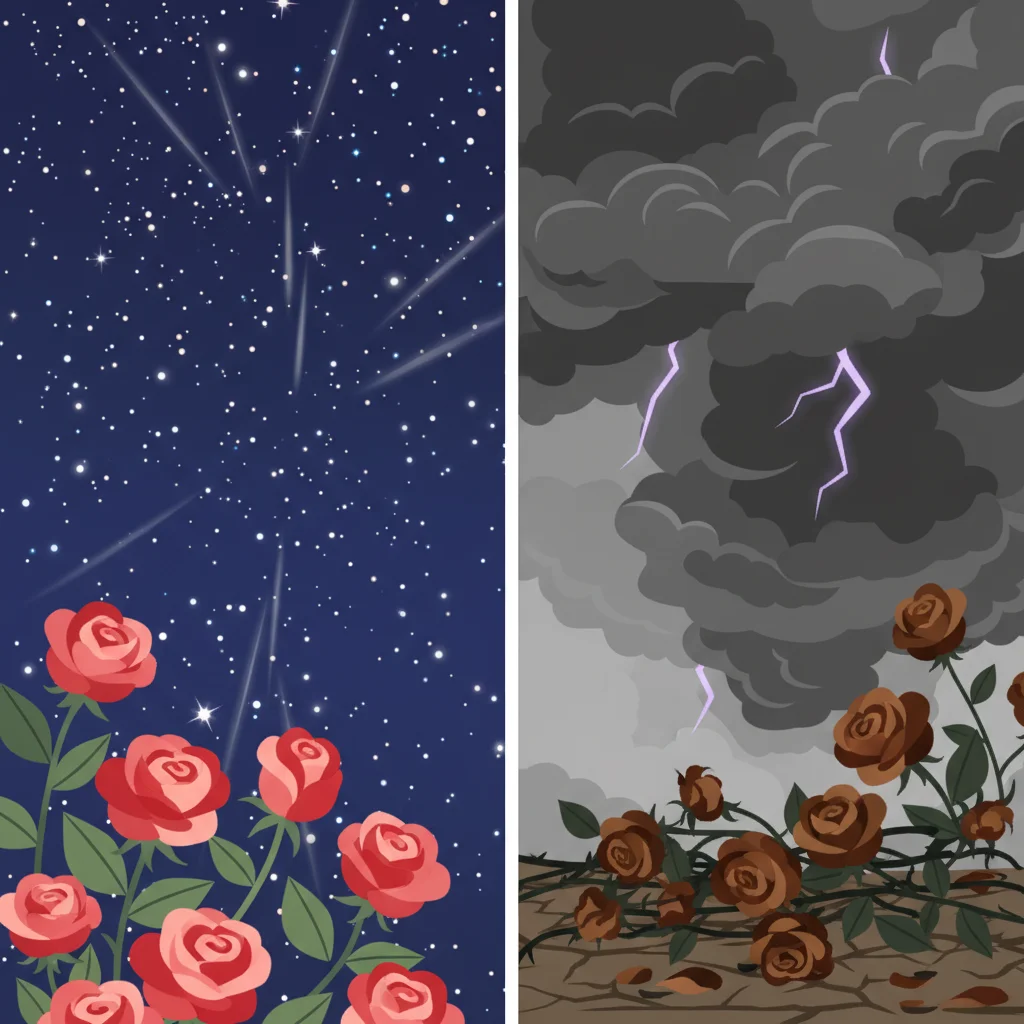
Adjectives from the Prologue: Positive vs Negative
{"left":"Star-cross'd\nFair\nAncient\nFatal","right":"Noble\nDeath-mark'd\nFearful\nPiteous"}
Why Reveal Everything at the Start?
Why does Shakespeare tell us the ending in the Prologue? How might knowing the fate of Romeo and Juliet affect our experience? What is the purpose of dramatic irony?
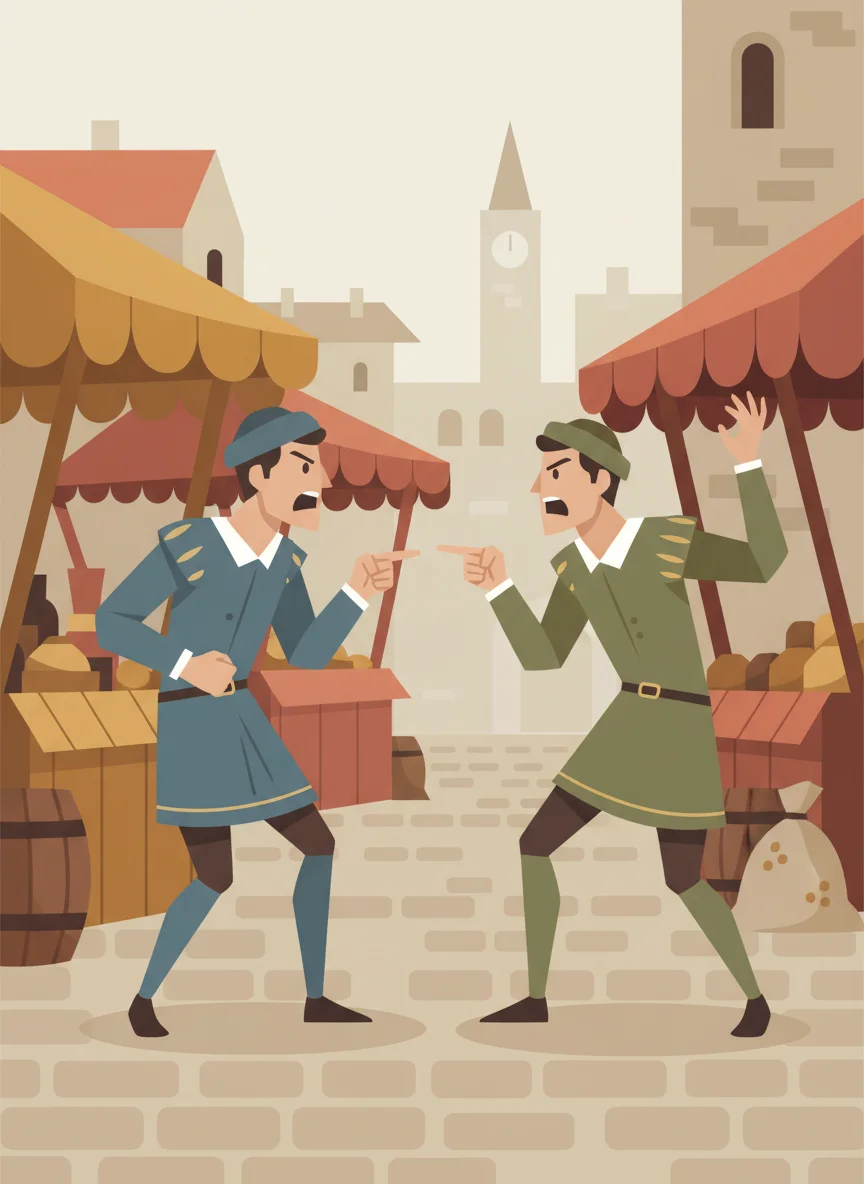
Act 1, Scene 1: Why Start with Servants?
Shows the feud affects all levels of society Servants mirror their masters' hatred Creates immediate conflict and action Demonstrates how deeply rooted the feud is
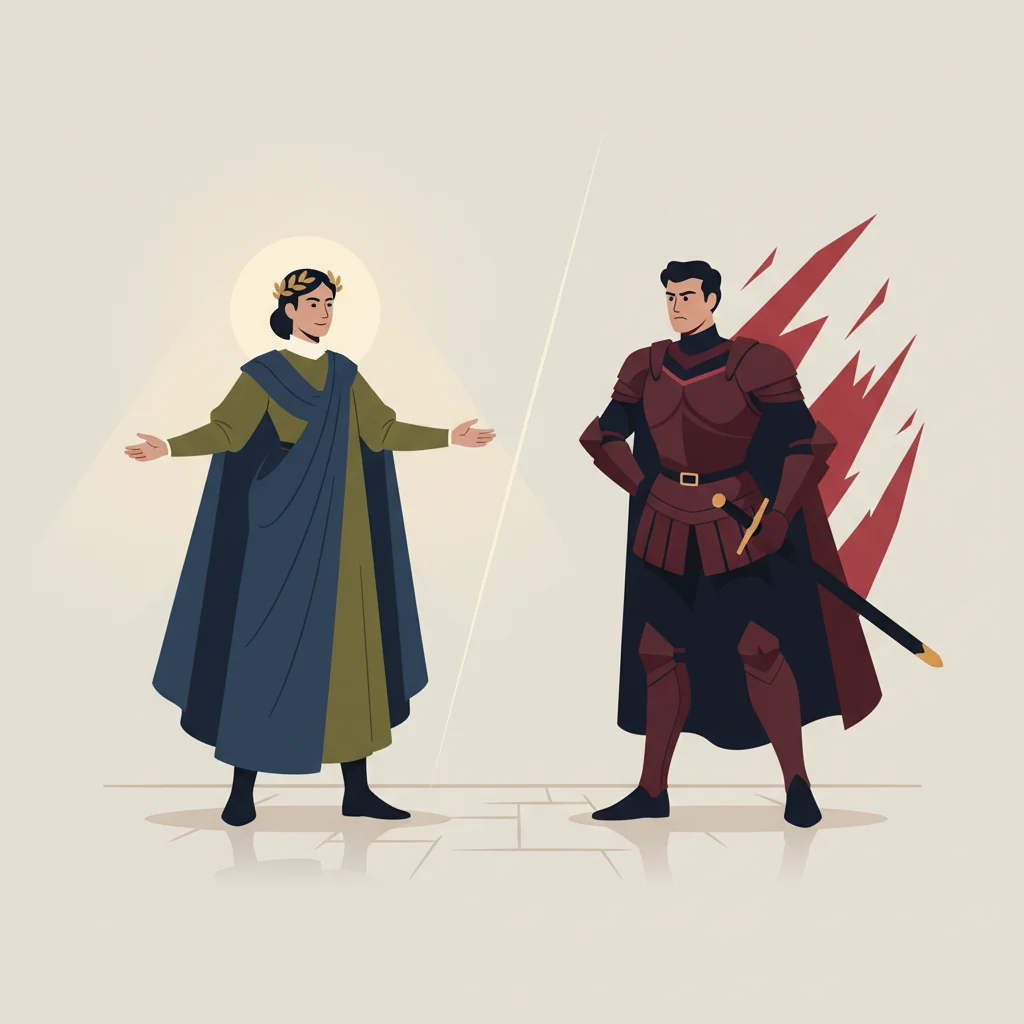
Character Analysis: Benvolio vs Tybalt
Create a Venn diagram comparing the two characters List their differences and similarities Draw symbols that represent each character Consider their roles as foils to each other

Romeo's Oxymorons About Love
'O brawling love, O loving hate' 'Feather of lead, bright smoke, cold fire' 'Heavy lightness, serious vanity'
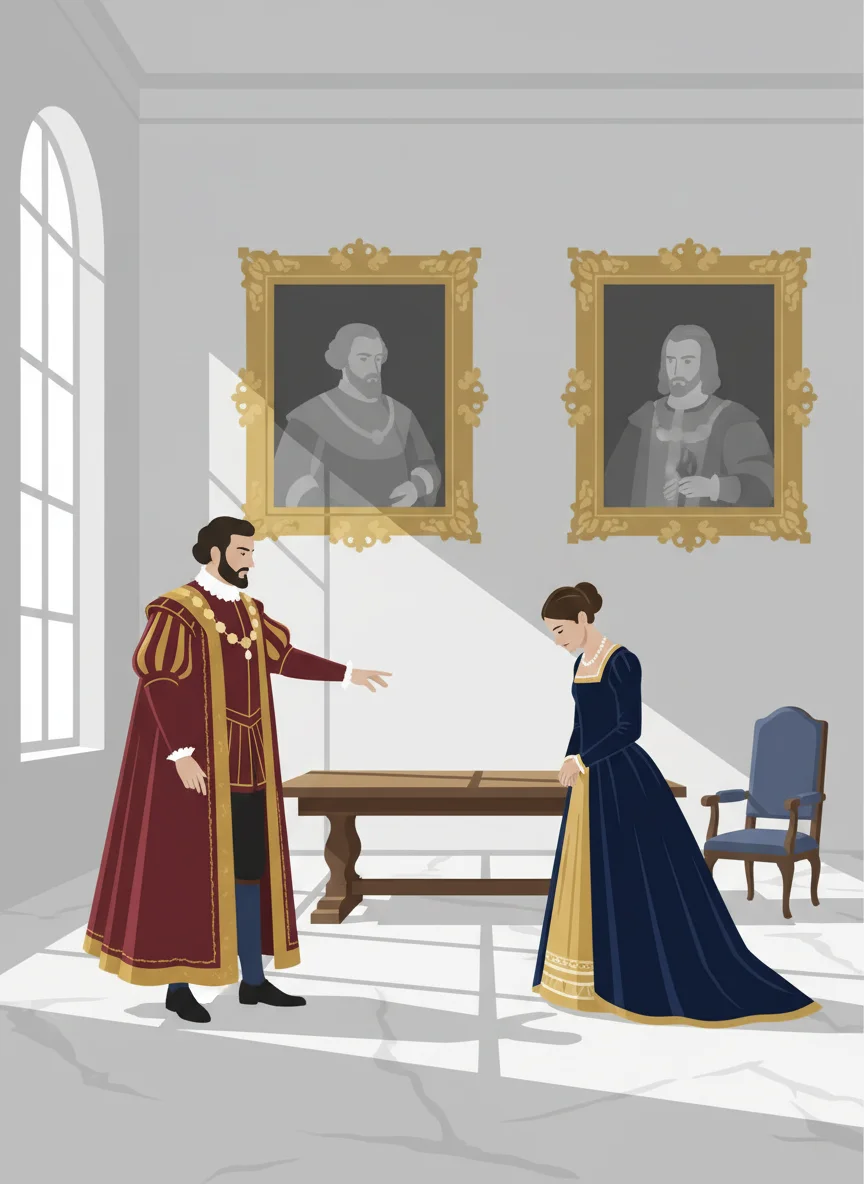
Act 1, Scene 2: Patriarchal Society
Fathers control their daughters' marriages Capulet's speech: 'And too soon marr'd' Women have little choice in their fate Marriage is about family alliance, not love

Key Learning Summary
Prologue uses dramatic irony and foreshadowing Juxtaposition creates tension between love and hate Characters serve as foils to highlight themes Oxymorons reveal Romeo's emotional confusion Patriarchal society constrains characters' choices
More English Literature slide decks
Other ready-to-teach english literature decks for UK classrooms.

Frankenstein: Gothic Language and Literary Devices
Frankenstein: Gothic Language and Literary Devices

Maya Angelou: Poetry and Resilience

Macbeth GCSE Mastery: Grades 7-8
Macbeth GCSE Mastery: Grades 7-8