
Scale Factors in Real Life
Understanding proportional relationships From maps to models Exploring mathematics in the world around us
What is a Scale Factor?
A ratio comparing the size of a representation to the actual object Written as a fraction or ratio (e.g., 1:100) Tells us how many times larger or smaller something is Essential for creating accurate models and maps
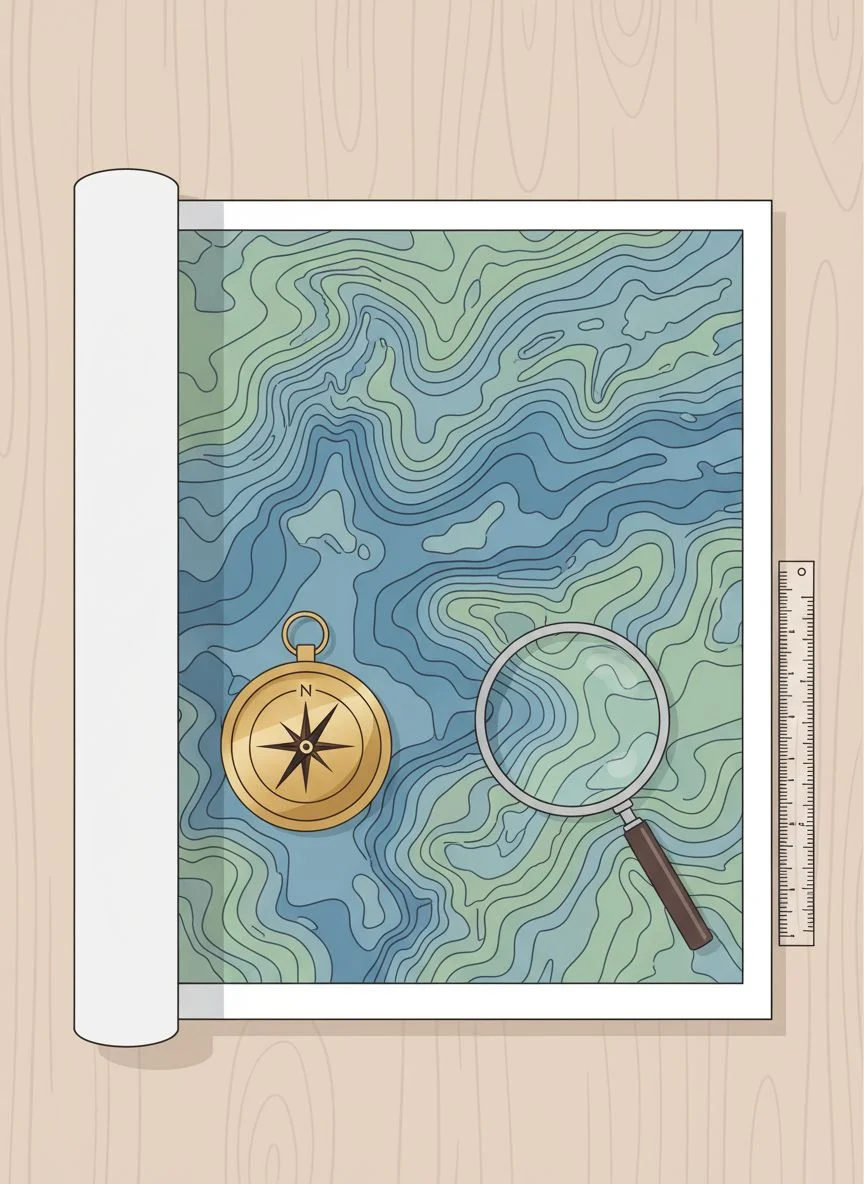
Maps: Bringing the World to Your Hands
Ordnance Survey maps use scales like 1:25,000 1 cm on the map = 250 metres in real life Allows navigation and planning Different scales show different levels of detail
Map Scale Challenge
Using a 1:50,000 map scale Measure the distance between two cities on the map Calculate the real-world distance Check your answer using online mapping tools

Architecture and Scale Models
Architects use scales like 1:100 or 1:50 for floor plans Scale models help visualize buildings before construction Saves time and money by identifying problems early Allows clients to understand the design

Scale Factors in Different Fields
{"left":"Engineering: Circuit board layouts and mechanical parts\nMedicine: Cell diagrams and anatomical models\nFashion: Pattern making and garment sizing","right":"Film: Miniature sets and special effects\nScience: Molecular models and planetary systems\nArt: Sculptures and installations"}
Real-World Problem
A scale model of the London Eye is built at 1:200 scale If the model is 68 cm tall, what is the height of the real London Eye? Show your working and explain your reasoning
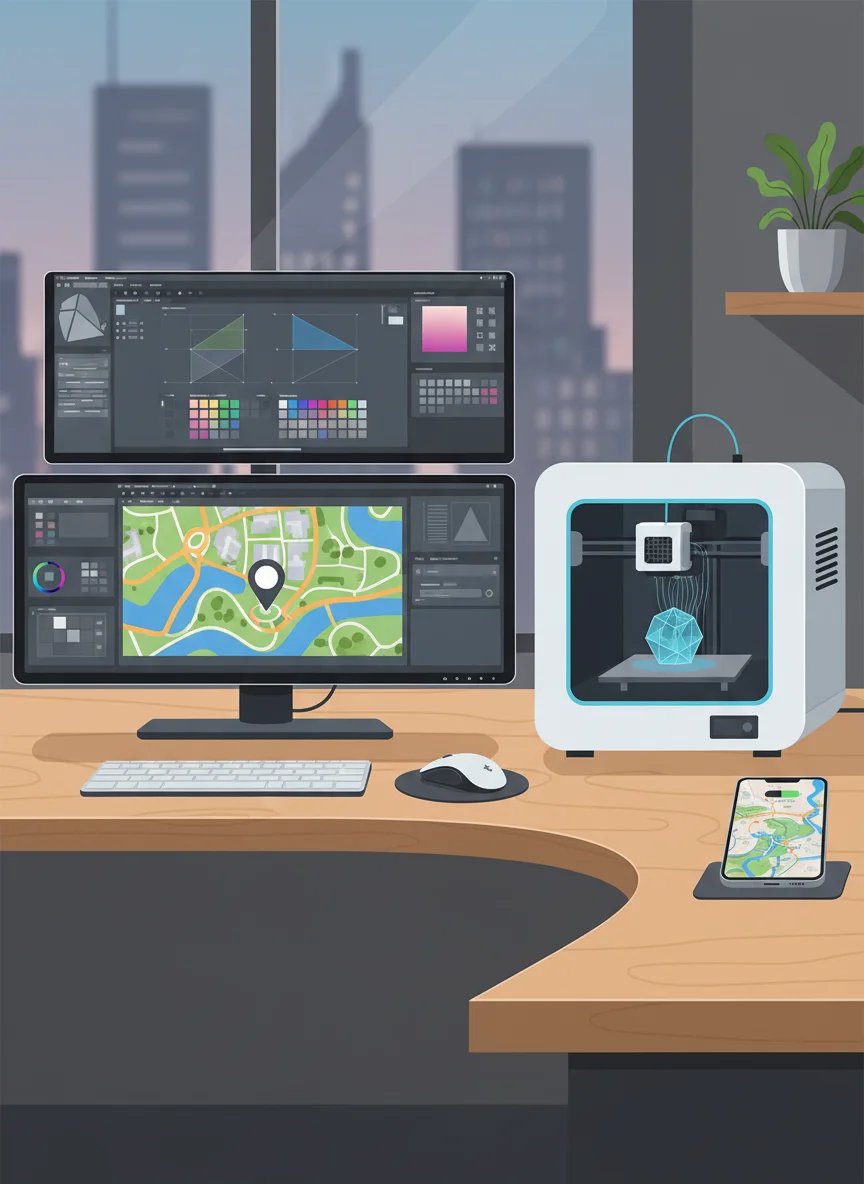
Digital Age: Pixels and Screens
Image resolution and scaling in digital media Zoom functions on smartphones and computers Video game graphics and level design 3D printing requires precise scaling calculations
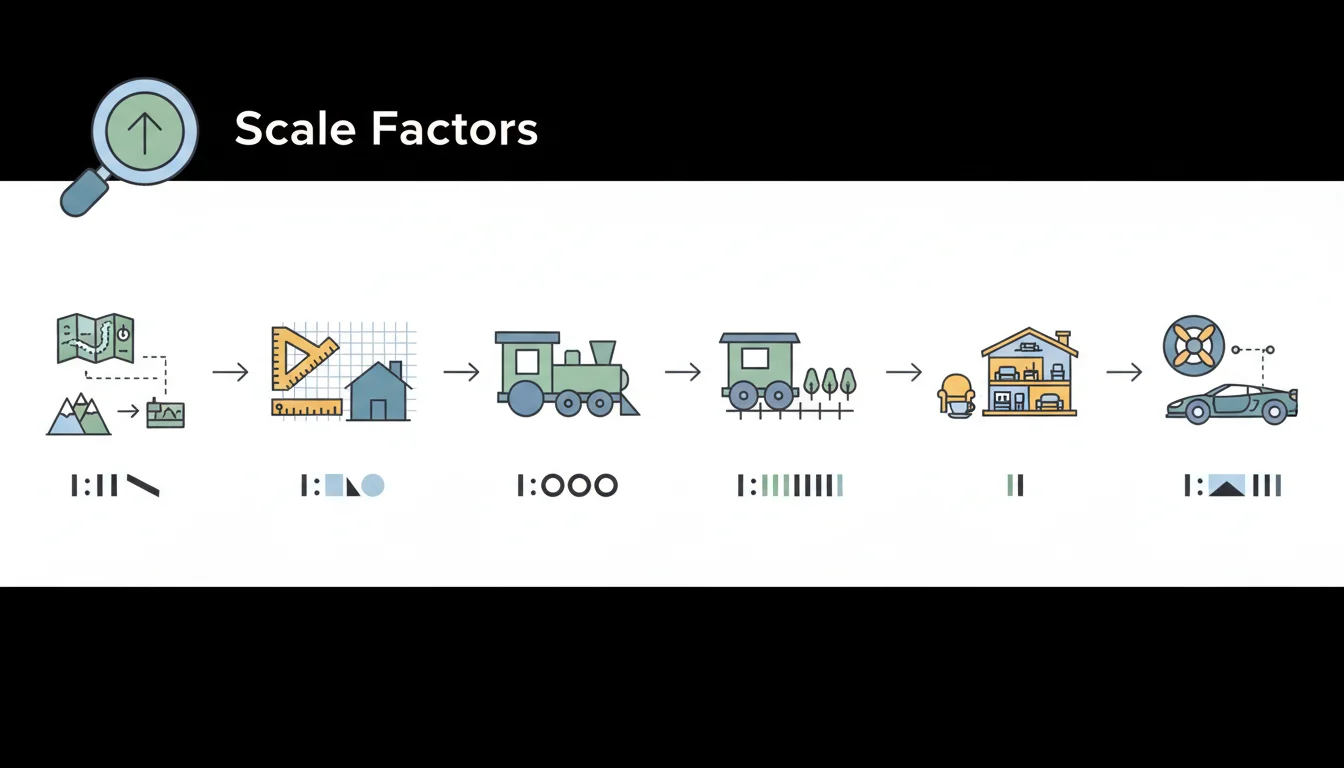
Scale Factors Around Us

Key Takeaways
Scale factors are mathematical tools for proportional representation Essential in mapping, architecture, engineering, and design Help us understand and model the world at manageable sizes Critical thinking skill for problem-solving in many careers
More General slide decks
Other ready-to-teach general decks for UK classrooms.


