Specific Heat Capacity Investigation
Year 10 Physics 60-minute lesson UK National Curriculum

National Curriculum Links
Physics - Key Stage 4 Energy transfers in heating, cooling and change of state Practical scientific enquiry skills Mathematical applications in physics

Learning Objectives
Define specific heat capacity and explain its physical meaning Calculate energy transfer using Q = mcΔθ Describe factors affecting specific heat capacity Carry out practical investigation Evaluate experimental methods and reliability

Starter Question
Why do some materials heat up quicker than others? Think about: Metal spoon vs plastic spoon in hot soup Sand vs water at the beach

What is Specific Heat Capacity?
The amount of energy needed to raise 1 kg of a substance by 1°C Different materials require different amounts of energy Related to particle structure and bonding Measured in J/kg°C (Joules per kilogram per degree Celsius)

The Formula: Q = mcΔθ
Q = thermal energy transferred (Joules) m = mass (kilograms) c = specific heat capacity (J/kg°C) Δθ = change in temperature (°C)

Worked Example
Calculate the energy needed to heat 500g of water by 20°C Given: Specific heat capacity of water = 4200 J/kg°C Step 1: Convert mass to kg (500g = 0.5kg) Step 2: Apply formula Q = mcΔθ Step 3: Q = 0.5 × 4200 × 20 = 42,000 J

Practical Investigation Setup
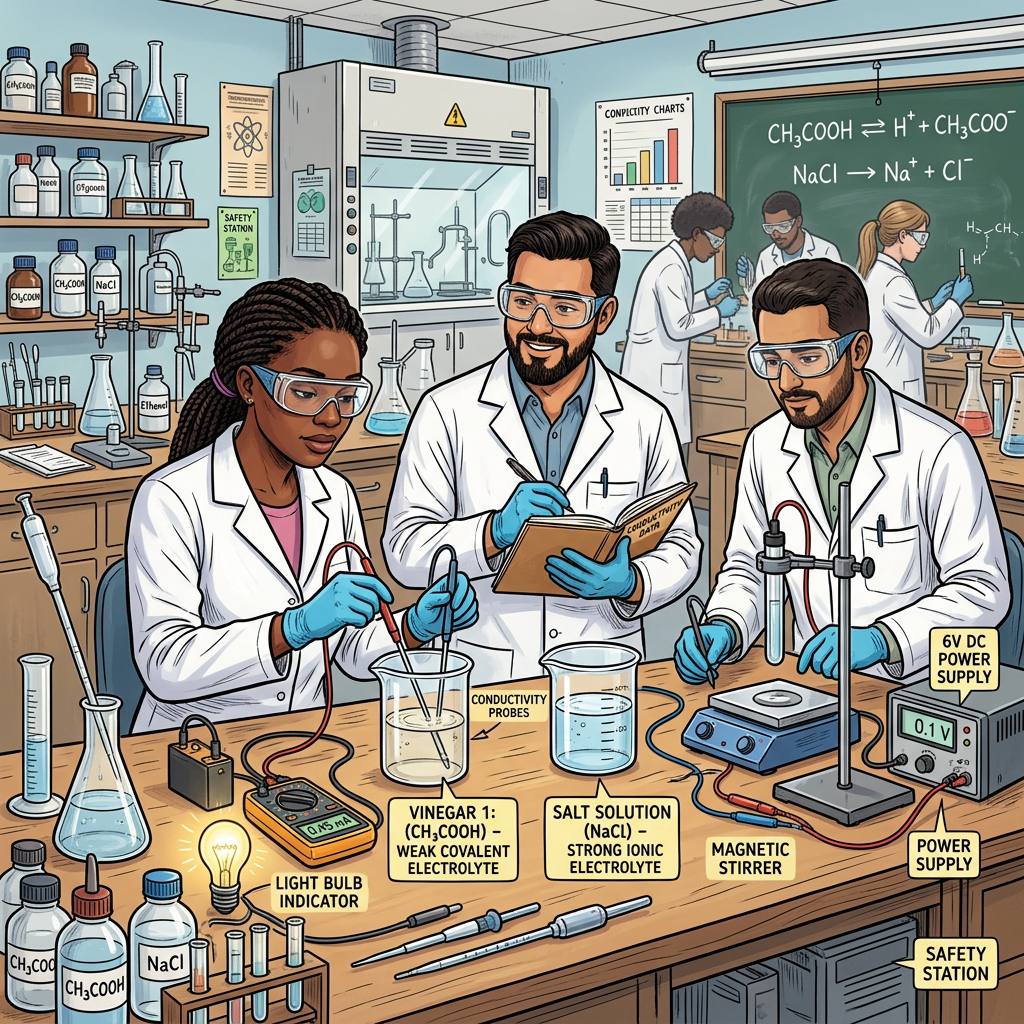
Equipment needed: Metal block (known mass) Immersion heater Thermometer Stopwatch Insulated container Safety: Low voltage equipment only
Investigation Method
1. Measure and record mass of metal block 2. Record initial temperature 3. Heat block for set time period 4. Record final temperature 5. Calculate temperature change (Δθ) 6. Use known energy input to calculate specific heat capacity

Different Materials, Different Results
{"left":"Water: 4200 J/kg°C\nAluminum: 900 J/kg°C\nCopper: 385 J/kg°C\nIron: 450 J/kg°C","right":"Why the differences?\nParticle structure\nBonding strength\nMolecular complexity"}
Real-World Applications
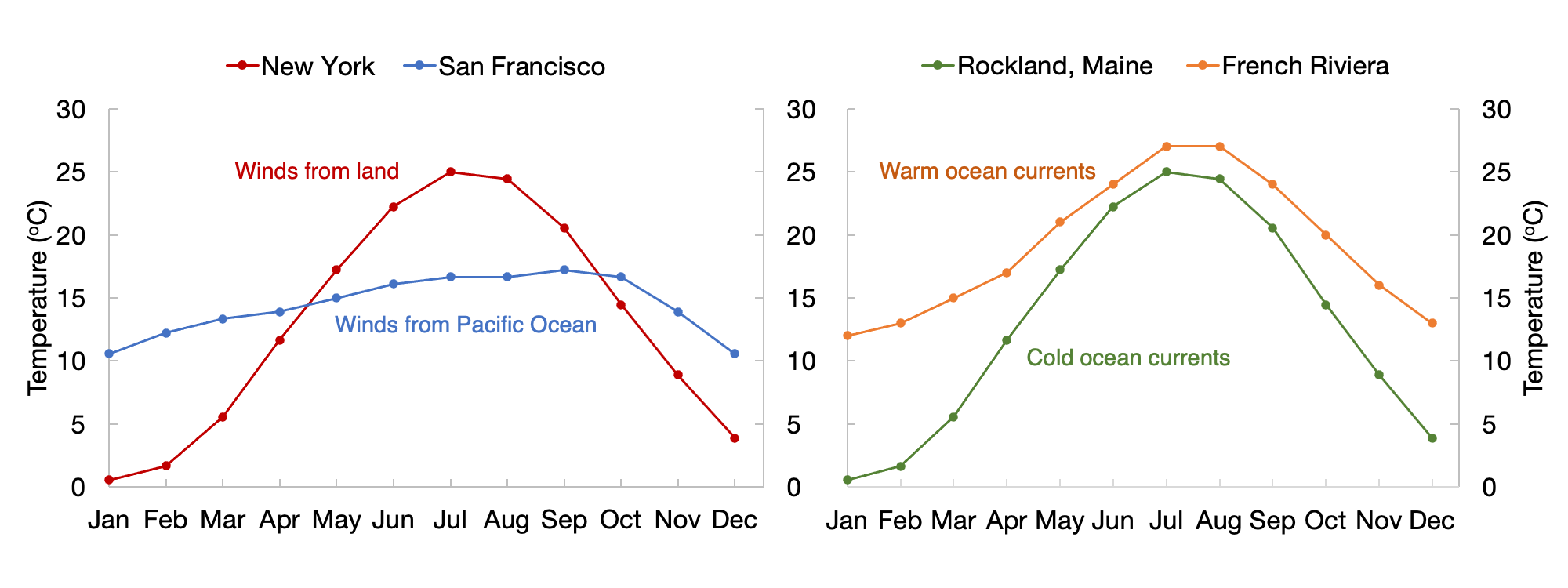
Climate moderation by oceans Thermal insulation in buildings Cooking and food preparation Engine cooling systems Thermal energy storage Material selection in engineering

Plenary Quiz
1. What units are used for specific heat capacity? 2. Calculate energy required to raise 2 kg of water by 10°C 3. Why does metal heat faster than water? 4. Name one real-world application