
Supporting Year 5 Maths Learning
Effective strategies for diverse learners National Curriculum aligned approaches Building confidence and understanding

Common Learning Barriers in Year 5 Maths
Working memory challenges with multi-step problems Abstract concepts like place value to thousandths Mathematical vocabulary comprehension Confidence issues with formal written methods Difficulty connecting concrete and abstract representations
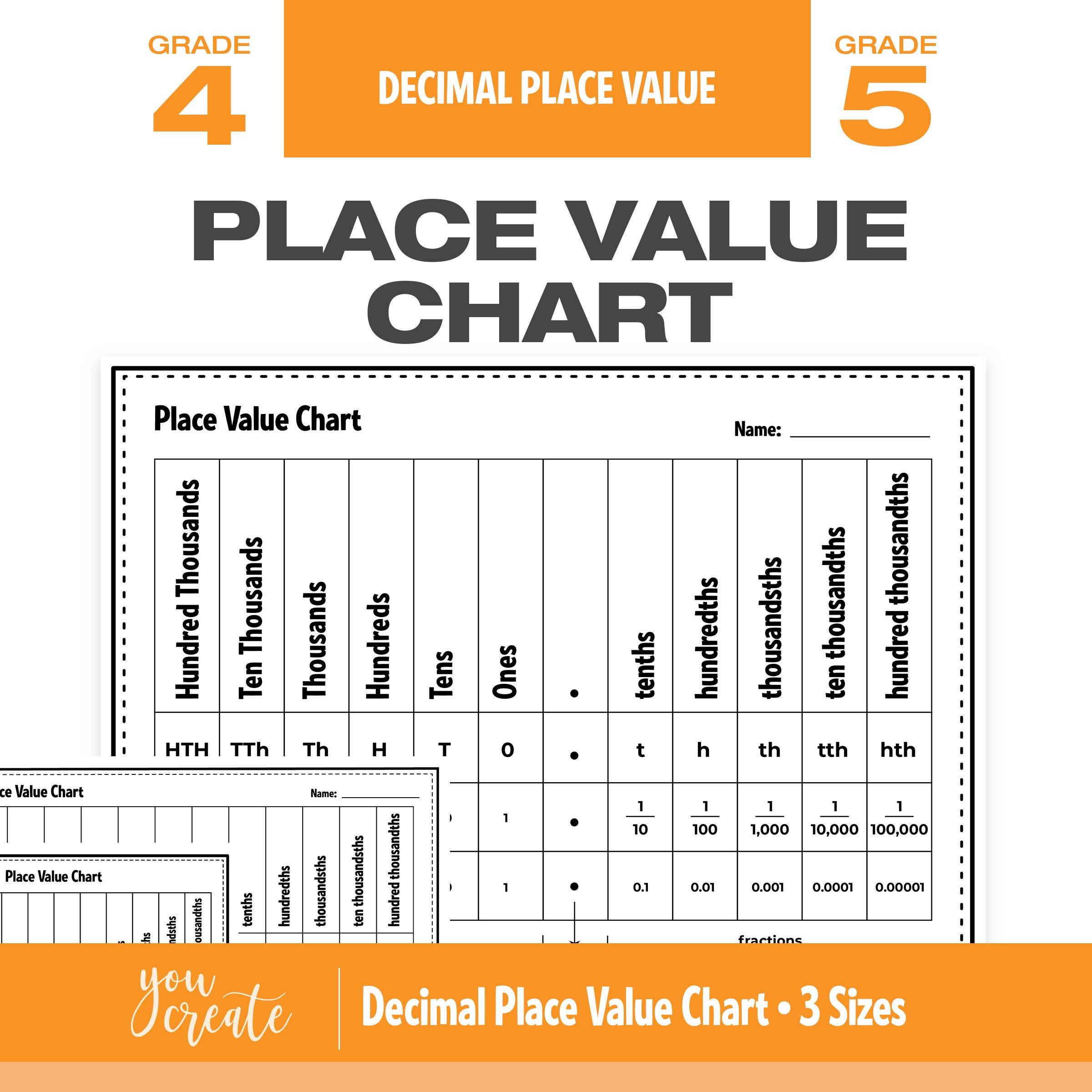
Year 5 National Curriculum Focus Areas
{"left":"Multiplication and Division: Mental strategies, multiples, factors, prime numbers\nAddition and Subtraction: Formal written methods for numbers over 4 digits","right":"Fractions and Decimals: Understanding thousandths, relating to percentages\nProblem Solving: Using number facts and place value reasoning"}

Strategy 1: Visual Representations and Scaffolding
Use number lines for mental calculation strategies Base-ten blocks for place value understanding Fraction walls and circles for decimal connections Gradually fade visual supports as confidence builds Model the 'I do, We do, You do' approach

Hands-On Activity: Adapting for Diverse Learners
Work in groups of 3-4 teachers Each group receives a Year 5 maths problem Adapt the task for different learner profiles: • EAL learner needing language support • Student with dyslexia requiring visual aids • Gifted learner needing extension Create one concrete adaptation to share

Strategy 2: Language and Vocabulary Support
Pre-teach mathematical vocabulary before lessons Create word walls with visual definitions Use sentence starters for mathematical explanations Encourage mathematical talk and reasoning Support EAL learners with multilingual resources
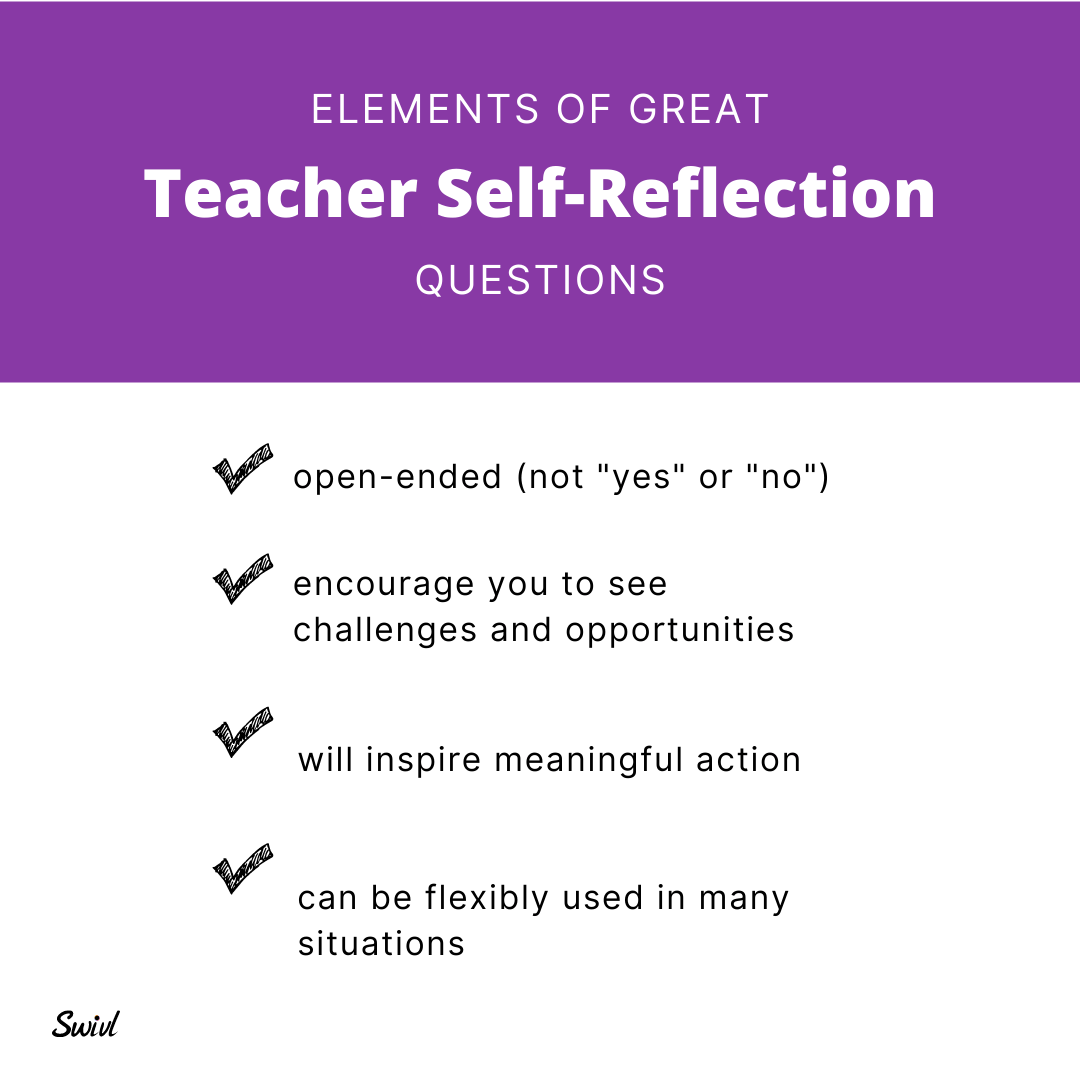
Reflection Question
Which strategy from today's session will you implement in your classroom next week? How will you measure its success with your students? What challenges do you anticipate and how might you overcome them?

Key Takeaways and Next Steps
Use visual aids and manipulatives to support understanding Differentiate tasks for diverse learning needs Explicitly teach mathematical vocabulary Implement 'I do, We do, You do' structure Create inclusive learning environments Plan follow-up peer observations Complete reflective journal entries