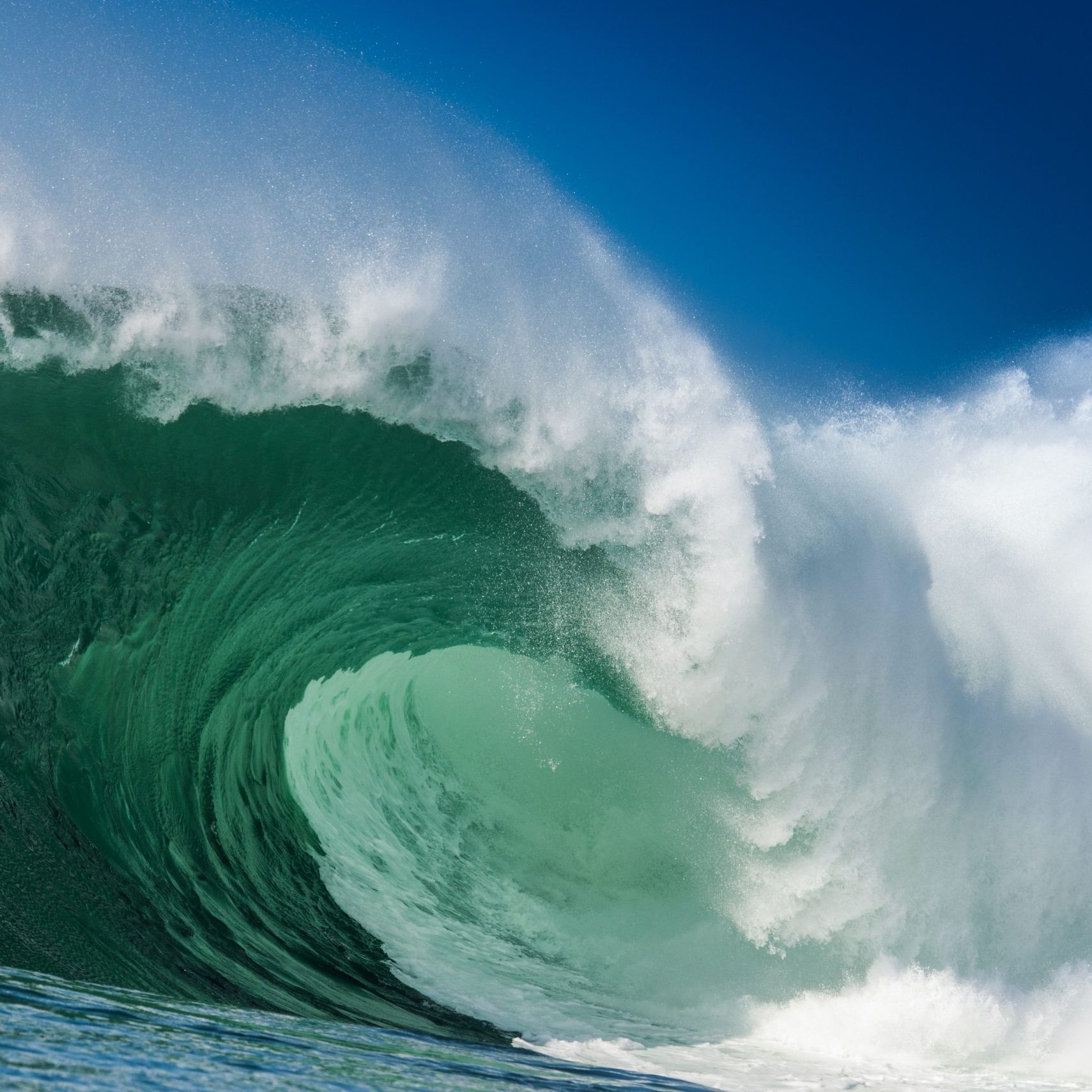
Surfing Waves: Geography in Motion
Exploring Ocean Waves and Coastal Geography Year 6 Geography UK National Curriculum
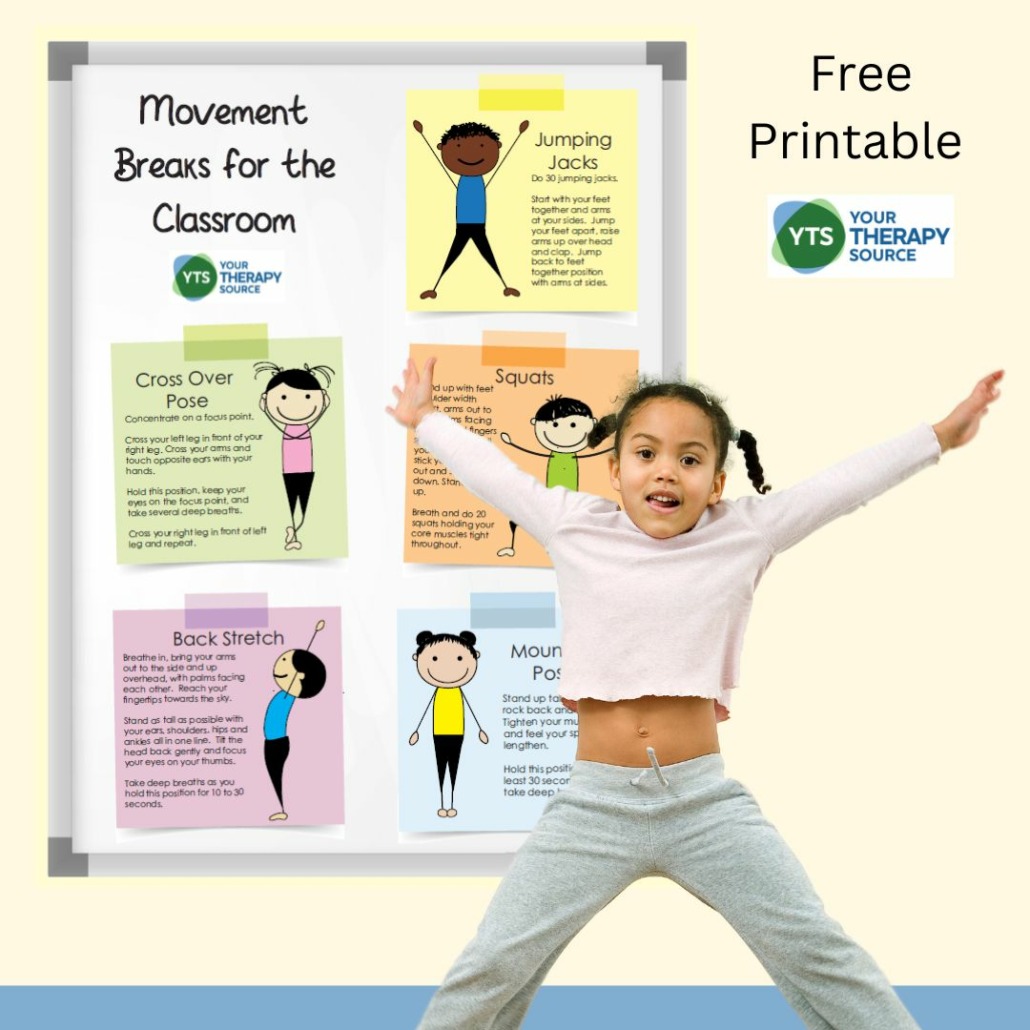
Wave Motion Warm-Up
Stand up and spread out around the classroom Practice body undulation like ocean waves Swing your arms in wave-like motions Feel the rhythm and flow of wave movement
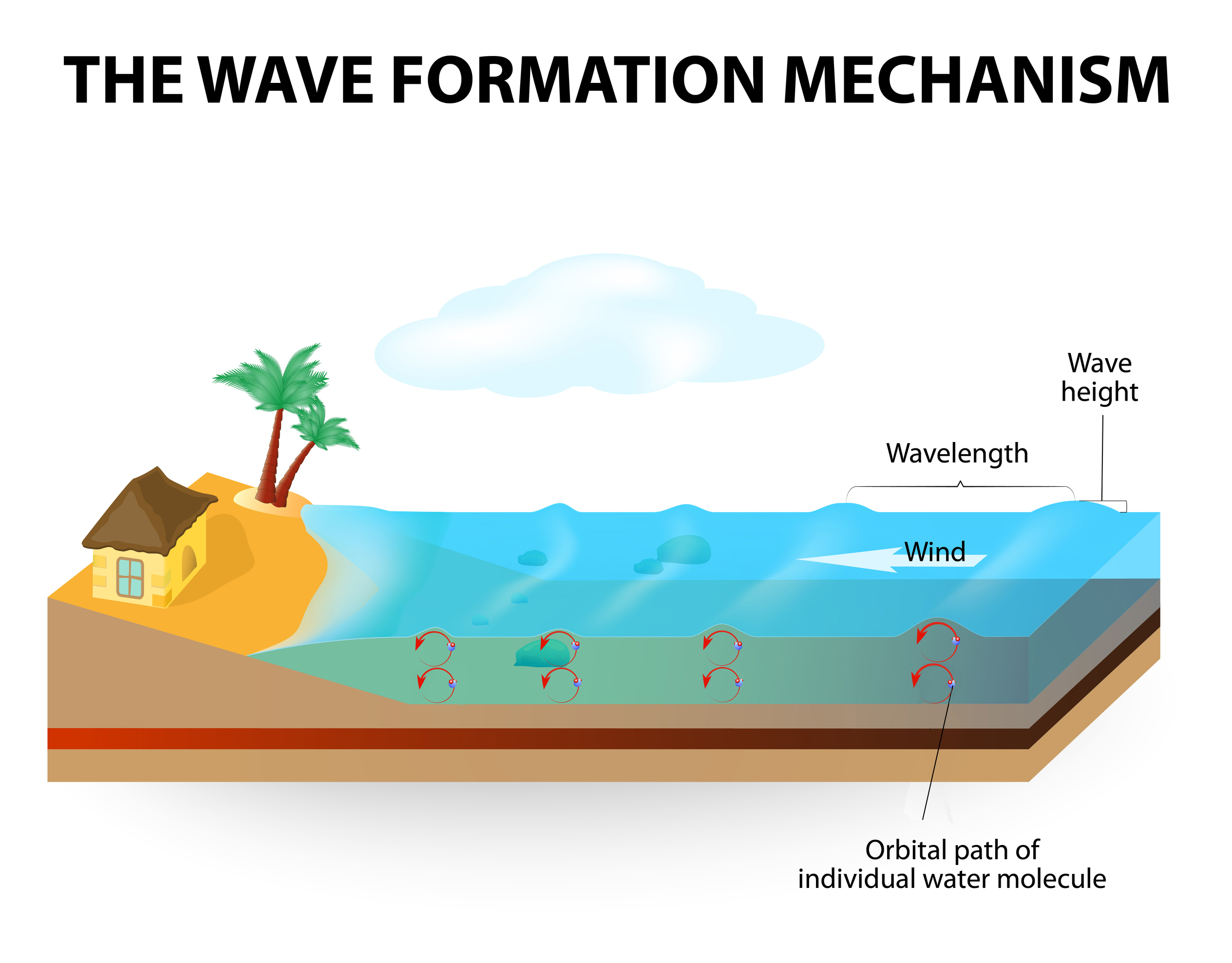
What Are Ocean Waves?
Waves are moving energy through water Wind creates most ocean waves Water particles move in circles, not forward Wave energy travels across the ocean

Types of Ocean Waves
{"left":"Wind Waves - created by surface winds\nSwells - long-distance traveling waves","right":"Tsunamis - caused by earthquakes\nTidal Waves - caused by gravitational pull"}

Wind Wave Experiment
Watch as we create waves in our water tank Observe how wind creates wave patterns Notice wave height and frequency changes Connect this to real ocean wave formation
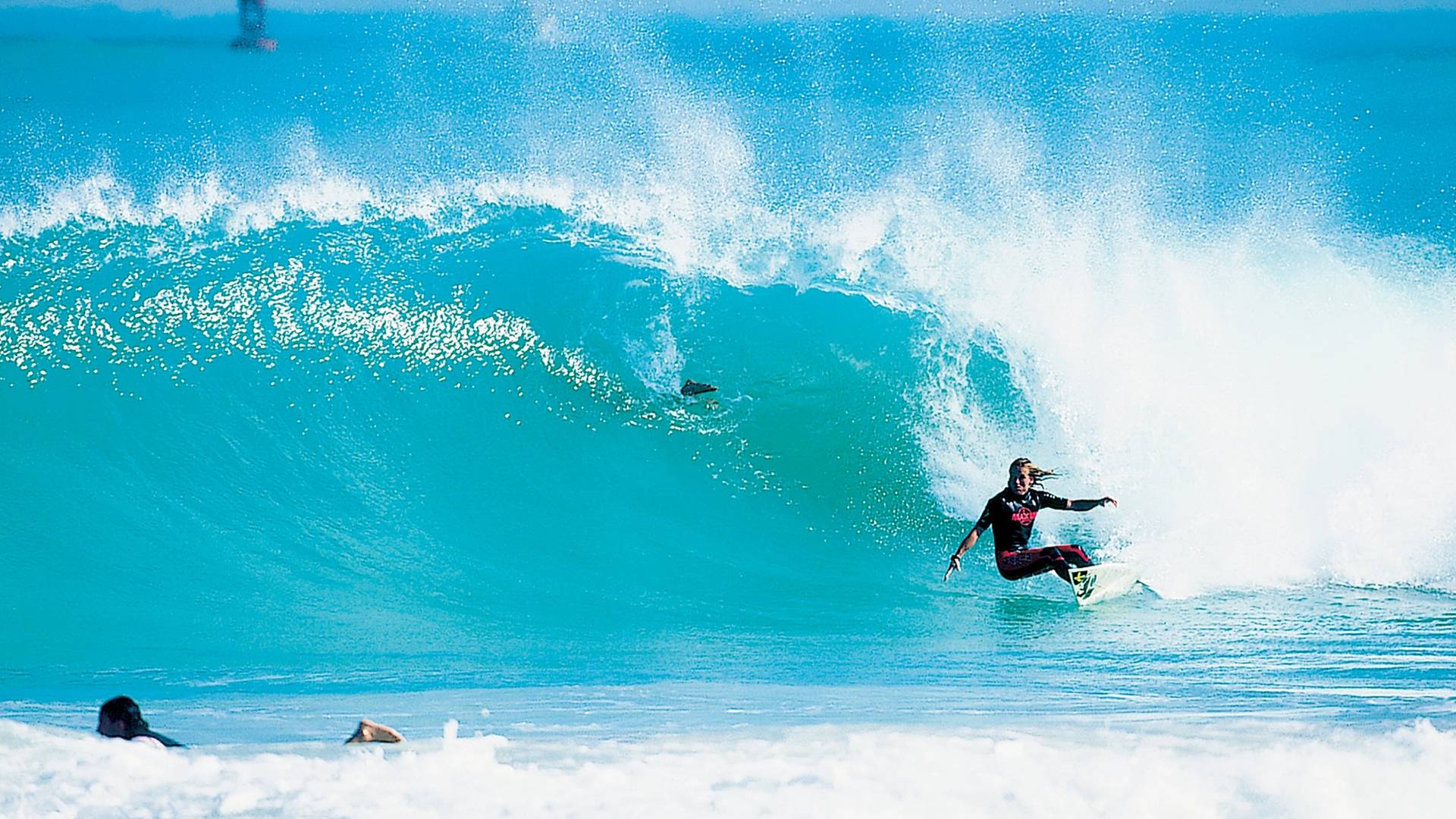
Perfect Surfing Environment
Surfing Environment Brainstorm
What geographical features make a good surfing spot? Think about: coastline shape, water depth, wind direction, seabed type

How Ocean Waves Form - Video Time!
Watch: 'How an Ocean Wave Forms' Pay attention to: wind's role, energy transfer, wave development Think about: how this connects to surfing

Waves and Coastal Geography
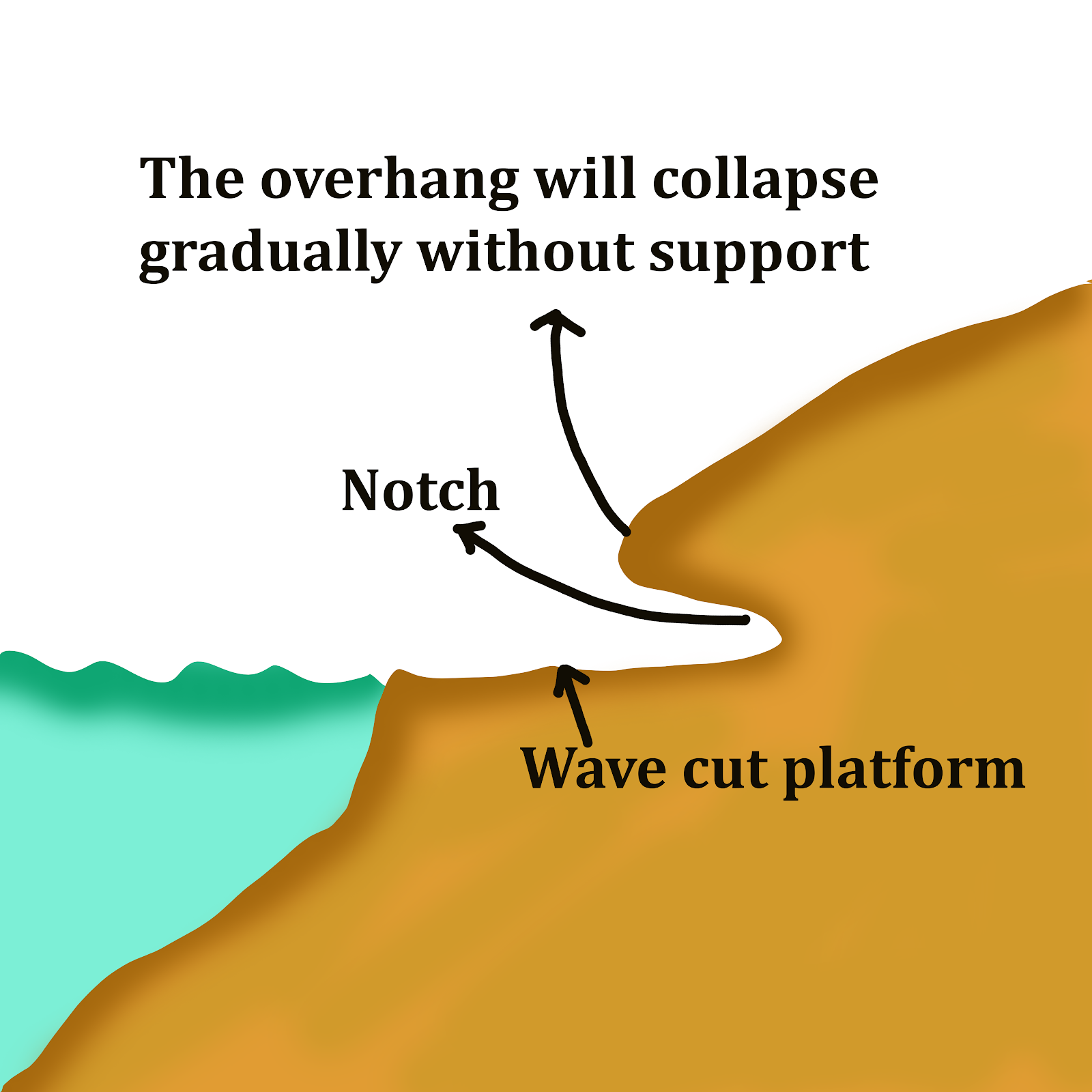
Waves shape our coastlines constantly Erosion - waves wear away cliffs and beaches Deposition - waves drop sand and pebbles This creates different coastal landforms
Lesson Summary & Worksheet Time
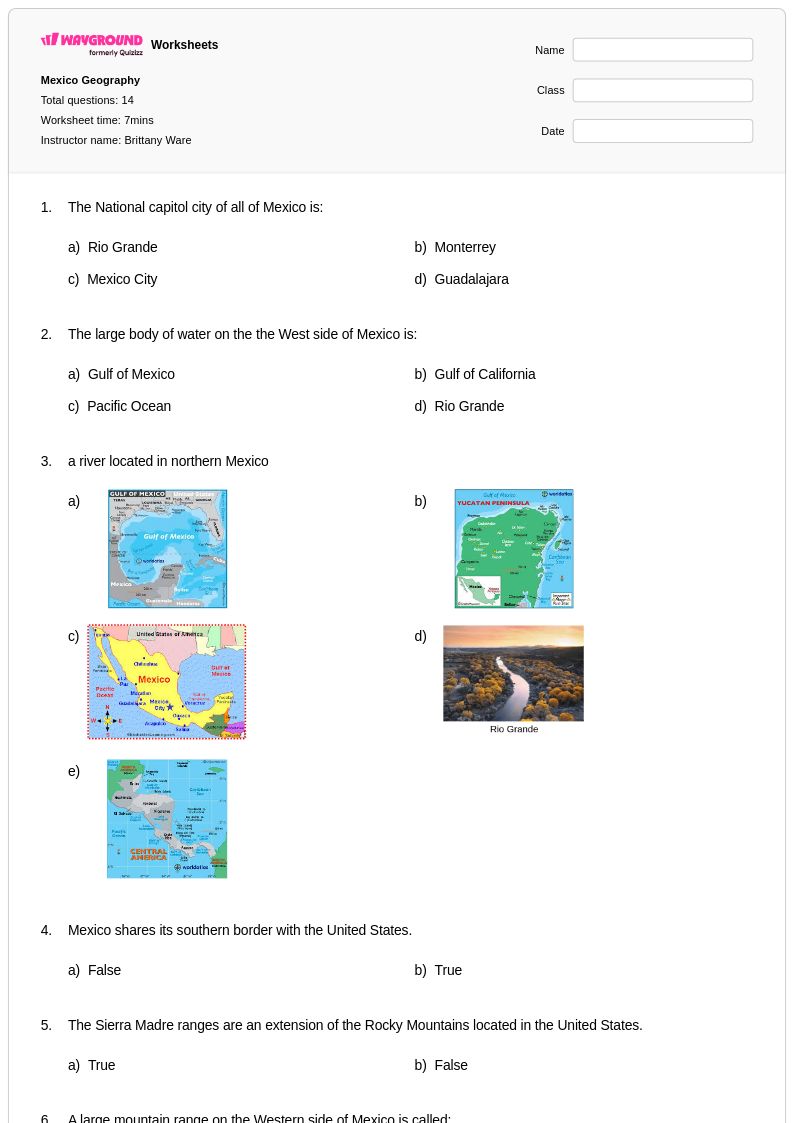
Waves are energy moving through water Wind creates most surfing waves Waves shape our coastal geography Complete your 'Surfing Waves Geography Worksheet'