
Thermal Conductivity: Heat Transfer Exploration
Year 10 Science Understanding Heat Transfer Through Materials 60-minute Investigation

Learning Objectives - WALT
We Are Learning To understand and explain thermal conductivity We Are Learning To identify conductors and insulators We Are Learning To conduct practical investigations We Are Learning To explain material choices in everyday objects

Starter Activity: Material Mystery
Look at these everyday objects Why is a metal saucepan used for cooking? Why is a wooden spoon used for stirring? Discuss with your partner for 2 minutes

What is Thermal Conductivity?
The rate at which heat passes through a material Measured in watts per meter per kelvin (W/m·K) Different materials have different thermal conductivities This property determines how materials are used

Conductors vs Insulators
{"left":"High thermal conductivity\nAllow heat to pass through easily\nExamples: metals like copper, aluminum, iron\nUsed in: cooking pans, radiators, heat sinks","right":"Low thermal conductivity\nPrevent heat from passing through\nExamples: wood, plastic, air, wool\nUsed in: pan handles, thermal clothing, insulation"}

Thermal Conductivity Values Chart
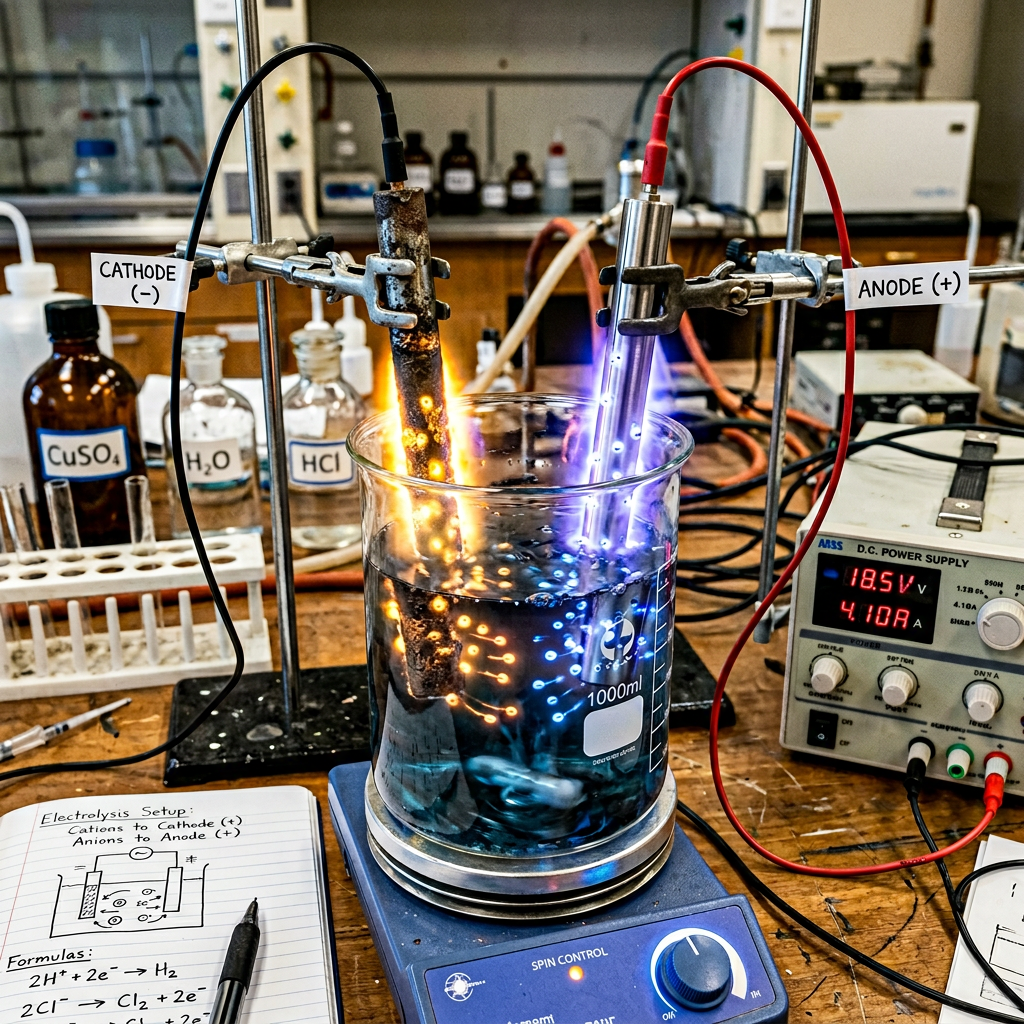
Practical Investigation Setup
Work in groups of 5 Each group gets metal and wooden rods Set up heating apparatus safely Record temperature every minute for 5 minutes Measure temperature at the far end from heat source

Investigation Results Discussion
Which material conducted heat faster? How do your results compare with other groups? What patterns do you notice in the data? Why might there be differences between groups?

Real-World Applications
Cooking utensils: metal pans, wooden handles Building insulation: air gaps, foam materials Electronics: heat sinks for cooling computer processors Thermal clothing: trapped air layers for warmth Car radiators: aluminum or copper for heat dissipation
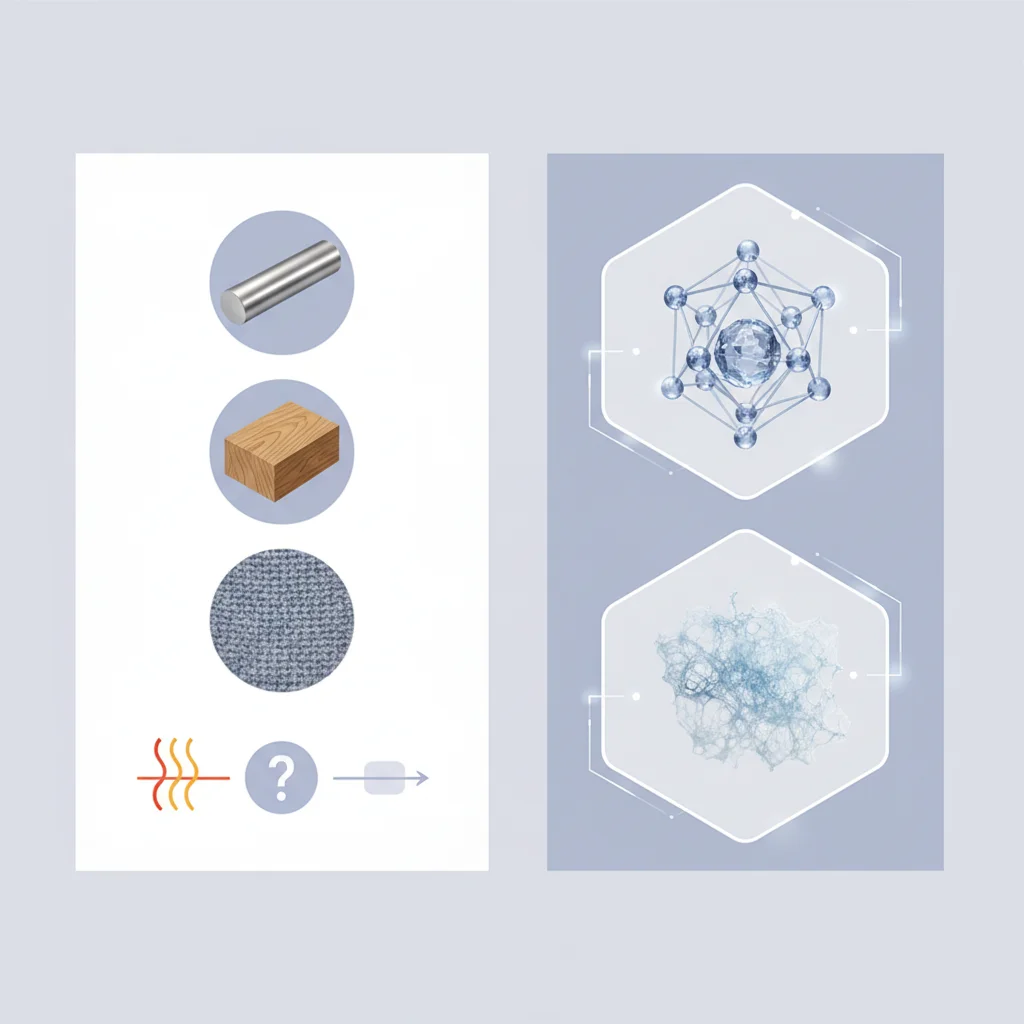
Quick Quiz & Extension Tasks
Quiz: Match materials to their thermal conductivity Advanced learners: Research diamond and aerogels Standard task: Explain why buildings need insulation Take home: Dyslexia-friendly summary sheets