
Titanic: A Tale of Three Classes
Exploring the experiences of passengers across social classes Year 6 History UK National Curriculum
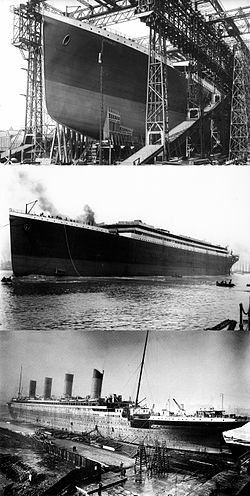
The Ship of Dreams
Launched in 1912 as the world's largest ship Called 'unsinkable' by newspapers Carried 2,224 passengers and crew Maiden voyage from Southampton to New York

Think About It
Why do you think there were different classes of travel on ships in 1912? What might determine which class a passenger could afford?

First Class: The Elite
Wealthiest passengers paid £870 (£75,000 today!) Luxurious suites with private bathrooms Grand dining room with 6-course meals Access to gymnasium, swimming pool, and Turkish baths

Second Class: The Middle Class
Tickets cost around £12 (£1,000 today) Comfortable cabins with shared bathrooms Own dining room with quality meals Access to library and smoking room

Third Class: The Hopeful
Cheapest tickets at £3-8 (£250-700 today) Small shared cabins with bunk beds Basic meals in large common dining room Many were immigrants seeking new life in America

Life Aboard: Class Differences
{"left":"First class passengers dined on oysters, caviar, and champagne\nThird class passengers ate hearty stew, bread, and tea\nFirst class had personal servants and valets","right":"Third class passengers shared washing facilities\nFirst class enjoyed evening entertainment and dancing\nThird class gathered for music and storytelling"}

The Night of April 14th, 1912

Survival and Class
First class survival rate: 60% (202 out of 329) Second class survival rate: 42% (118 out of 285) Third class survival rate: 24% (178 out of 709) 'Women and children first' rule applied differently by class

Class Activity: Design Your Own Ship
Work in groups of 4-5 students Design a passenger ship with fair treatment for all classes Consider: cabin sizes, dining arrangements, safety procedures Present your design to the class

Remembering the Titanic
'The Titanic disaster taught us that social class should never determine a person's chance of survival or access to safety.'