
Titanic Exercise: Rich vs Poor
How different social classes stayed fit aboard the world's most famous ship A journey through 1st and 3rd class exercise facilities

The Titanic: A Floating City
Launched in 1912 as the world's largest ship 2,224 passengers and crew aboard Three main passenger classes with very different experiences Exercise and recreation varied greatly by social class

First Class vs Third Class: The Great Divide
{"left":"First Class: Wealthy passengers paid £870 (£100,000 today!)\nThird Class: Working families paid £7-40 (£800-4,600 today)\nFirst Class: Luxury suites with private bathrooms","right":"Third Class: Shared cabins with bunk beds\nFirst Class: Access to all ship facilities\nThird Class: Limited to designated areas only"}
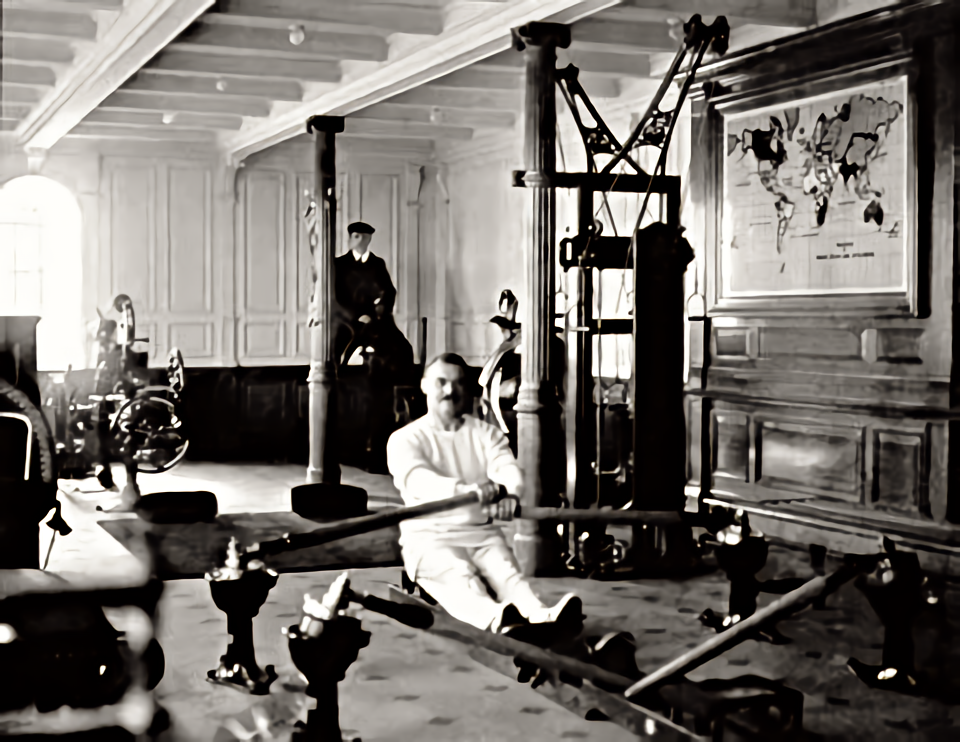
First Class Exercise: Luxury and Leisure
Gymnasium with rowing machines and exercise bikes Squash court for racquet sports Swimming pool (first on any ship!) Turkish baths and steam rooms Deck games like shuffleboard and quoits Personal trainers and attendants available

Exercise Equipment Detective
Look at this list of Titanic gym equipment: Rowing machine, stationary bikes, electric camels, vibrating belts Which ones do we still use today? Which ones sound strange to modern ears? Why might 'electric camels' have been popular in 1912?

Third Class Exercise: Making Do with Less
No access to gymnasium or swimming pool Exercise limited to open deck areas Walking and running on lower decks Simple games like hopscotch and tag Dancing in the general room during evenings Manual work and daily chores provided physical activity

Think About Fairness
Was it fair that exercise facilities were only available to wealthy passengers? How do you think third-class passengers felt about these restrictions? What would you have done to stay fit in third class? How is this similar or different to inequalities we see today?

Lessons from the Titanic
The Titanic shows us how social class affected every aspect of life, even exercise and health. While we've made progress toward equality, it's important to ensure everyone has access to opportunities for physical fitness and wellbeing, regardless of their background.
More History slide decks
Other ready-to-teach history decks for UK classrooms.


