
Understanding Algorithms: Step-by-Step Problem Solving
Year 8 Technology 60 minutes Learn to think like a computer scientist Activity: Making a Peanut Butter Sandwich Point to the peanut butter jar on your table What is the first step we need to do? Let's break this down into simple steps together Raise your hand when you complete each step
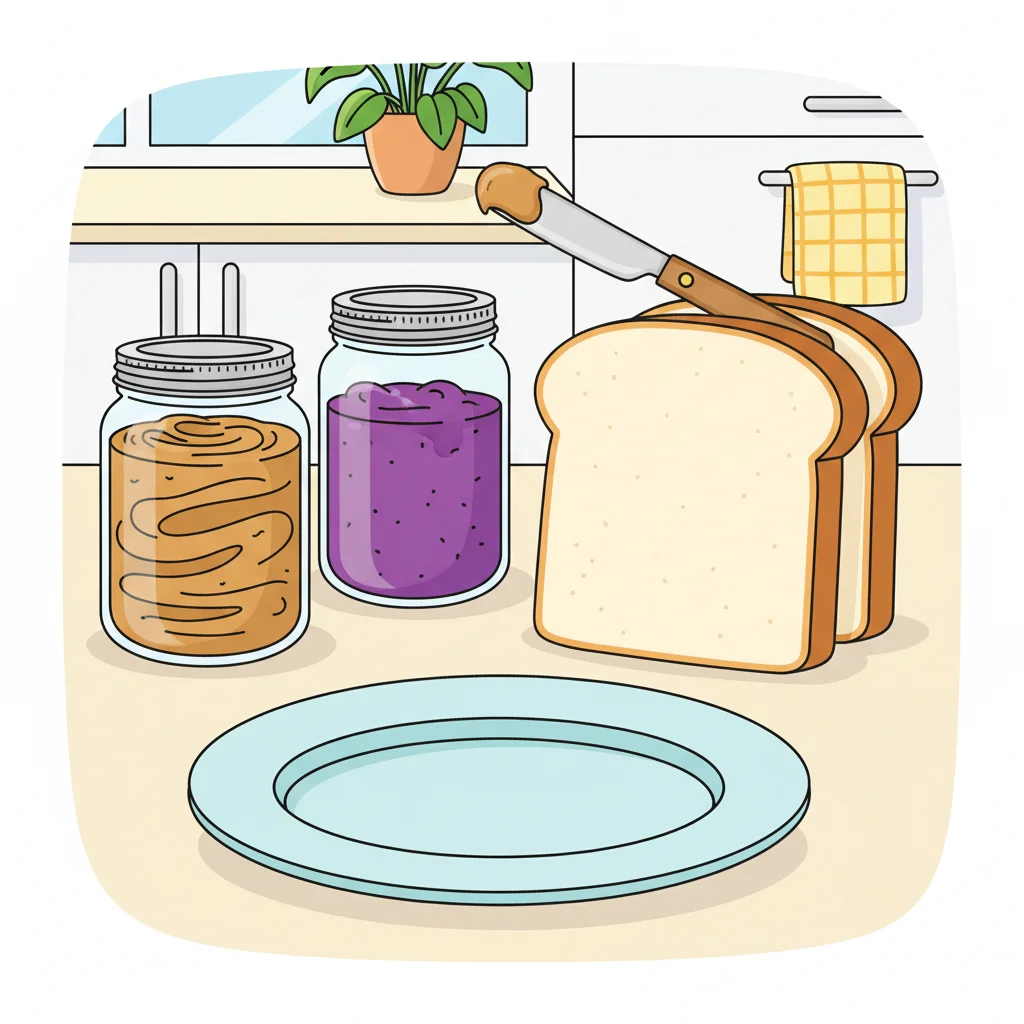
Brain Teaser: Making a Sandwich
How would you give instructions to make a peanut butter sandwich? Imagine explaining to someone who has never done it before Write down your steps - be as detailed as possible! Think about what could go wrong with unclear instructions

What is an Algorithm?
A step-by-step procedure for solving a problem Like a recipe that computers can follow Must be precise and unambiguous Forms the foundation of all computer programs Examples: GPS navigation, search engines, social media feeds
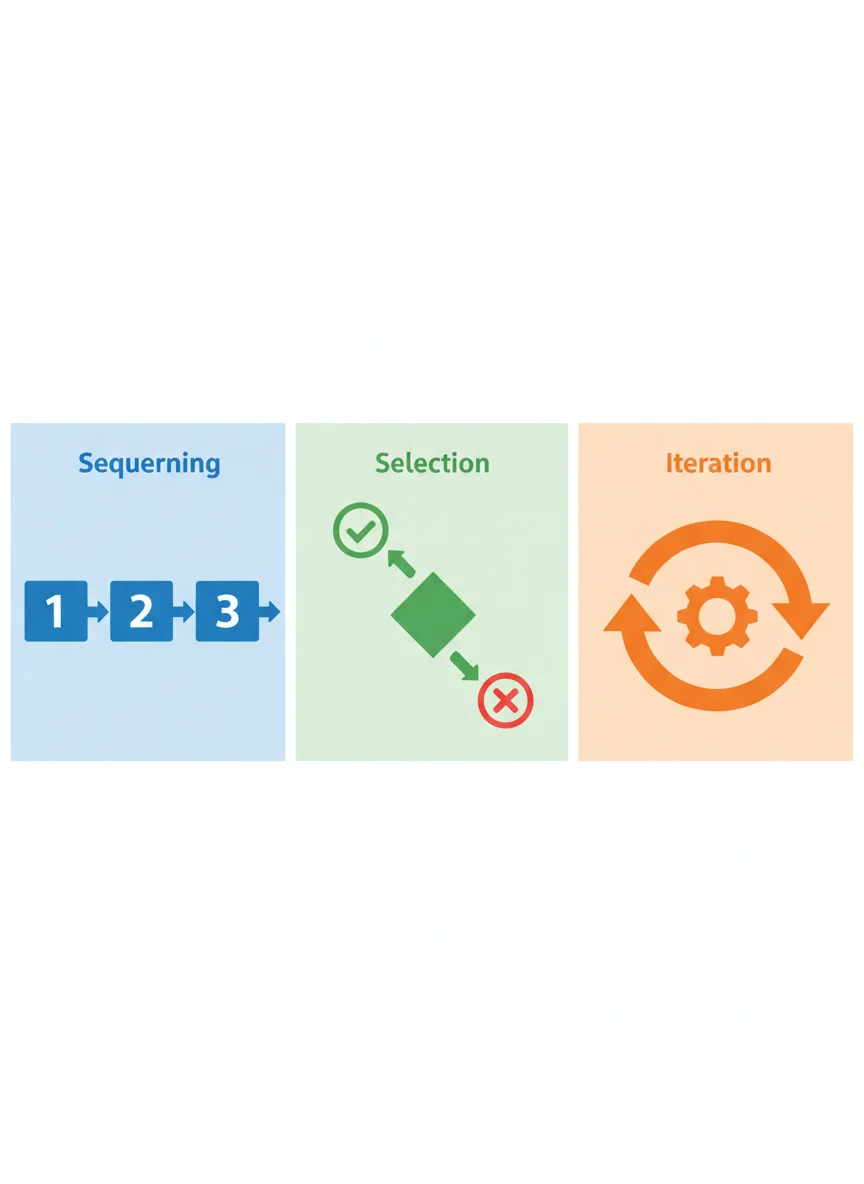
Key Features of Algorithms
Sequencing: Steps must be in the correct order Selection: Making decisions based on conditions (IF statements) Iteration: Repeating steps until a condition is met (loops) All algorithms use these three building blocks
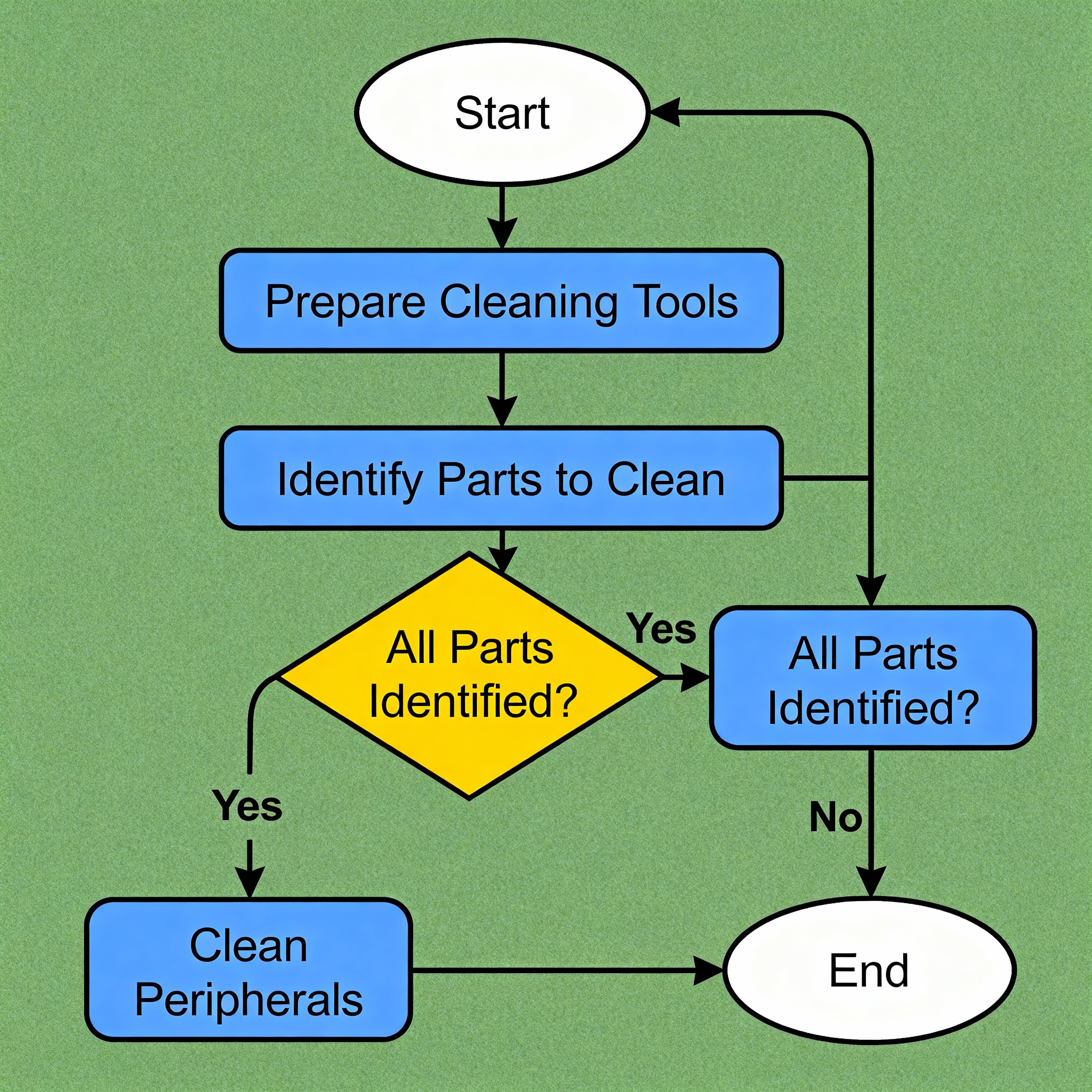
Flowchart Symbols
Oval: Start and End points Rectangle: Process or action Diamond: Decision point (yes/no questions) Arrows: Show the flow of steps Parallelogram: Input or output
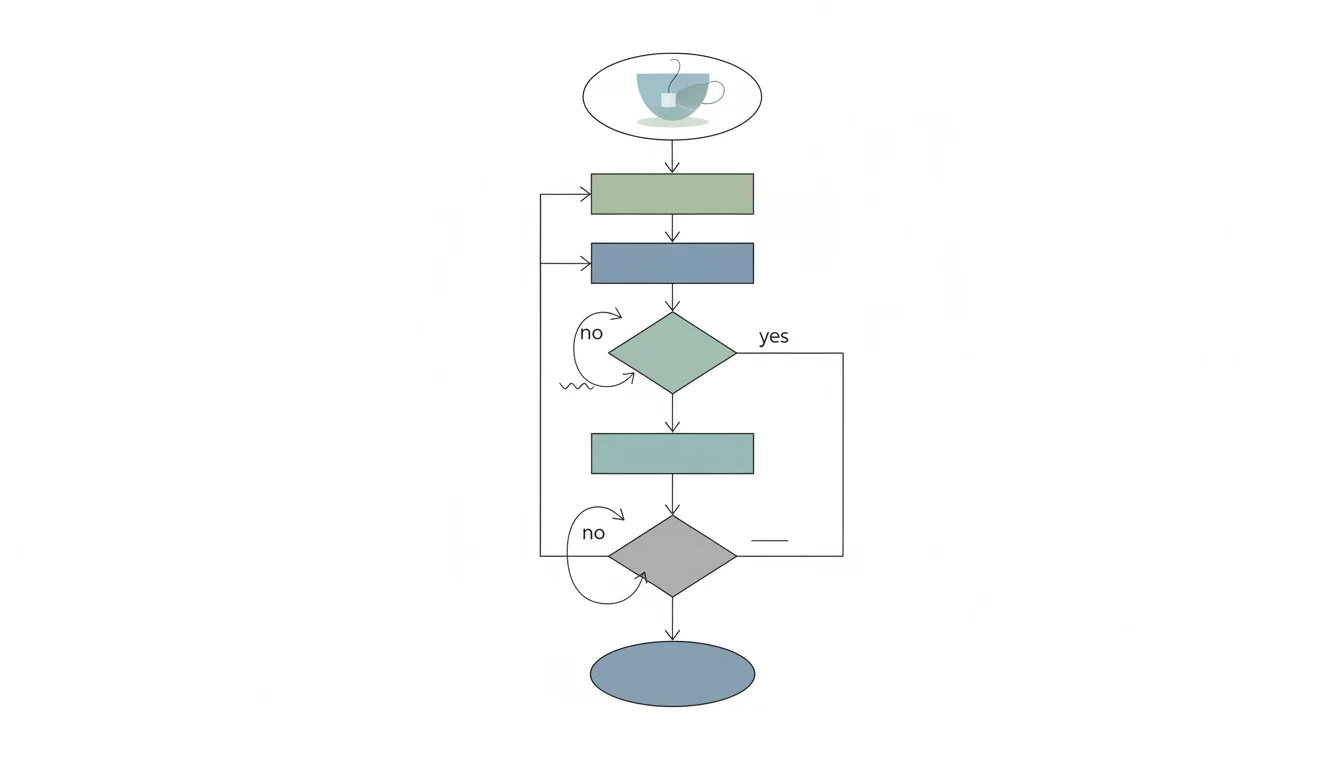
Making Tea Algorithm Flowchart
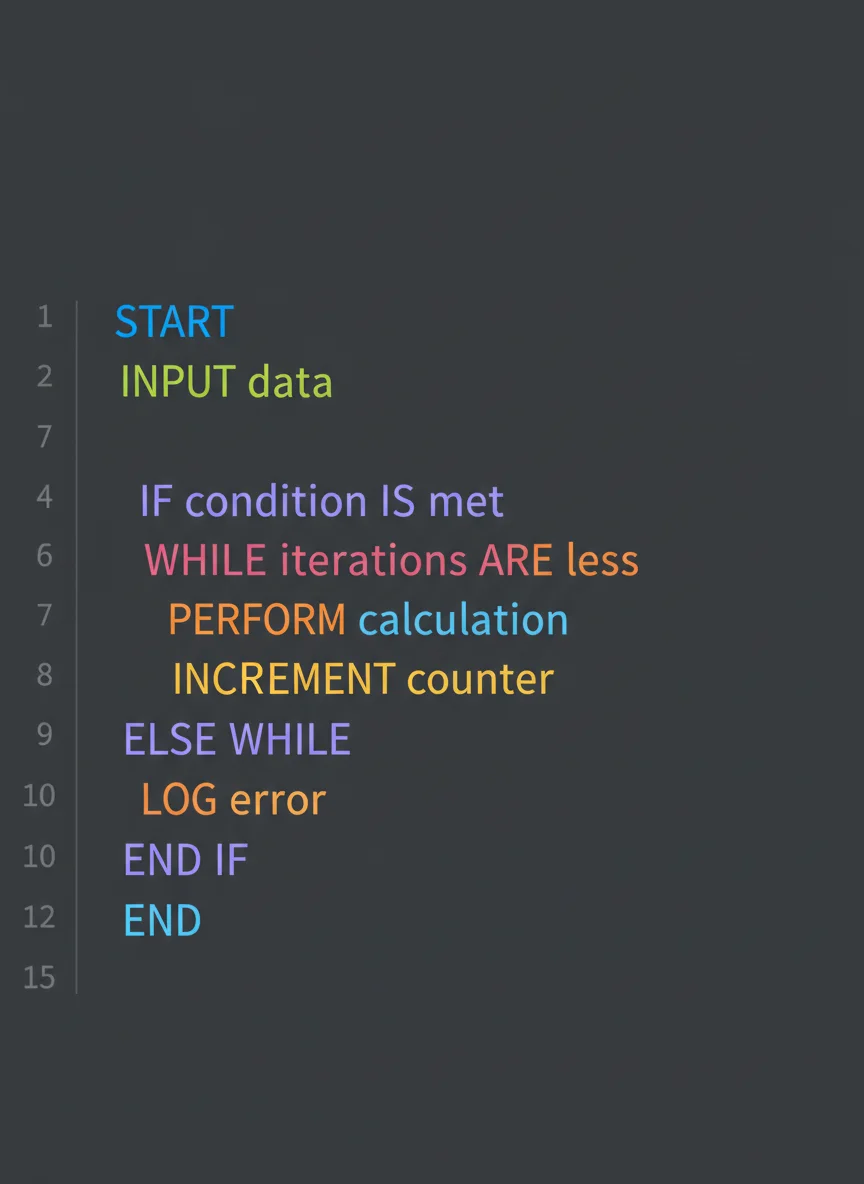
Introduction to Pseudocode
Written in plain English, not programming language Shows the logic without worrying about syntax Uses keywords like START, END, IF, WHILE Helps plan before writing actual code Example: 'IF age >= 18 THEN print eligible ELSE print not eligible'

Guided Practice: Even or Odd?
Problem: Check if a user's number is even or odd Work together to design the algorithm First write the steps in plain English Then create a flowchart Finally write pseudocode
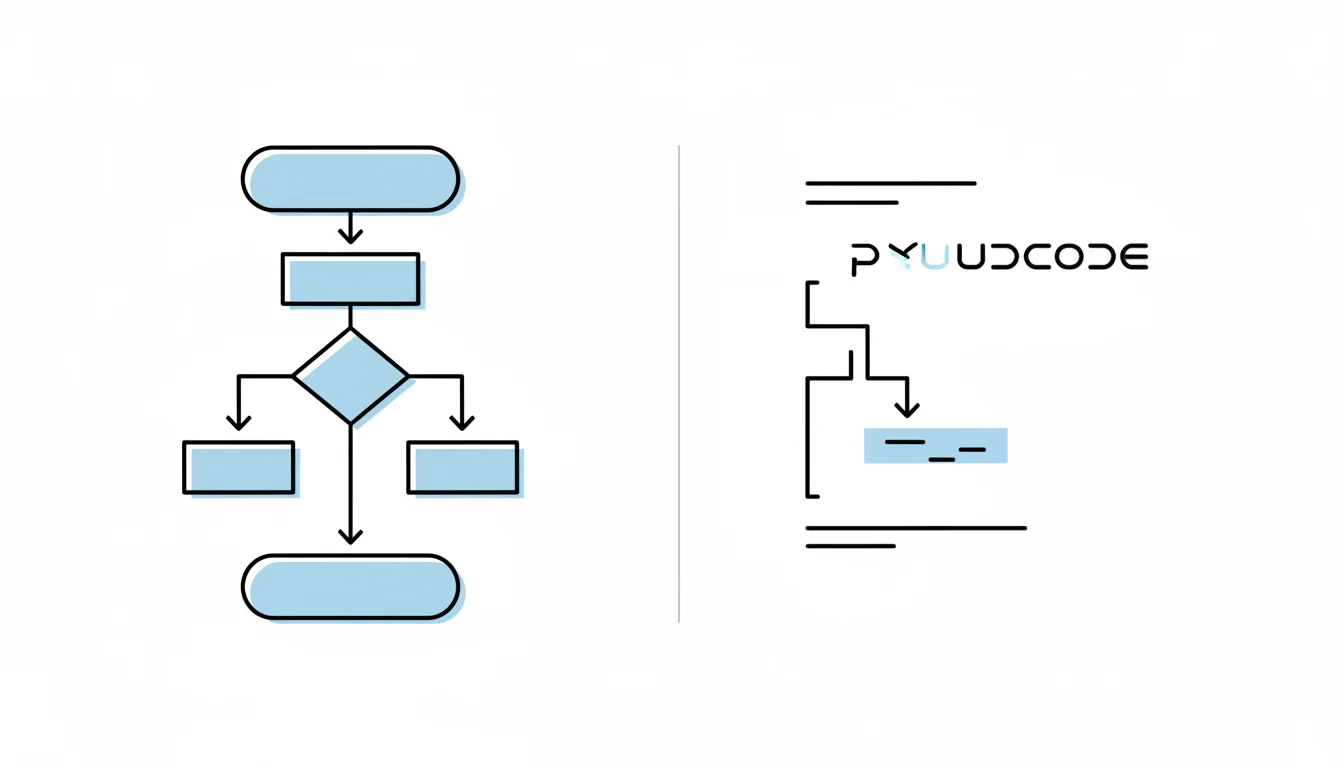
Even or Odd Algorithm Solution

Independent Challenge
Choose one problem to solve: Problem A: FizzBuzz - Numbers 1-10, but 'Fizz' for multiples of 3 Problem B: Countdown - Count from 5 to 1, then 'Blast off!' Create both flowchart AND pseudocode Work with a partner to review each other's solutions
Quick Quiz: Test Your Knowledge
What are the three key features of algorithms? Which flowchart symbol represents a decision? What does iteration mean in programming? Why must algorithms be unambiguous?

Lesson Summary & Next Steps
Algorithms are step-by-step problem-solving procedures They use sequencing, selection, and iteration Flowcharts and pseudocode help us plan algorithms Practice makes perfect - keep thinking algorithmically! Homework: Find a real-life example where precise instructions matter
More Technology slide decks
Other ready-to-teach technology decks for UK classrooms.

Building Vehicles With Wheels and Axles

Logic Gates & Truth Tables Unlocked
Logic Gates & Truth Tables Unlocked

Exploring Linear Search Algorithms
Exploring Linear Search Algorithms