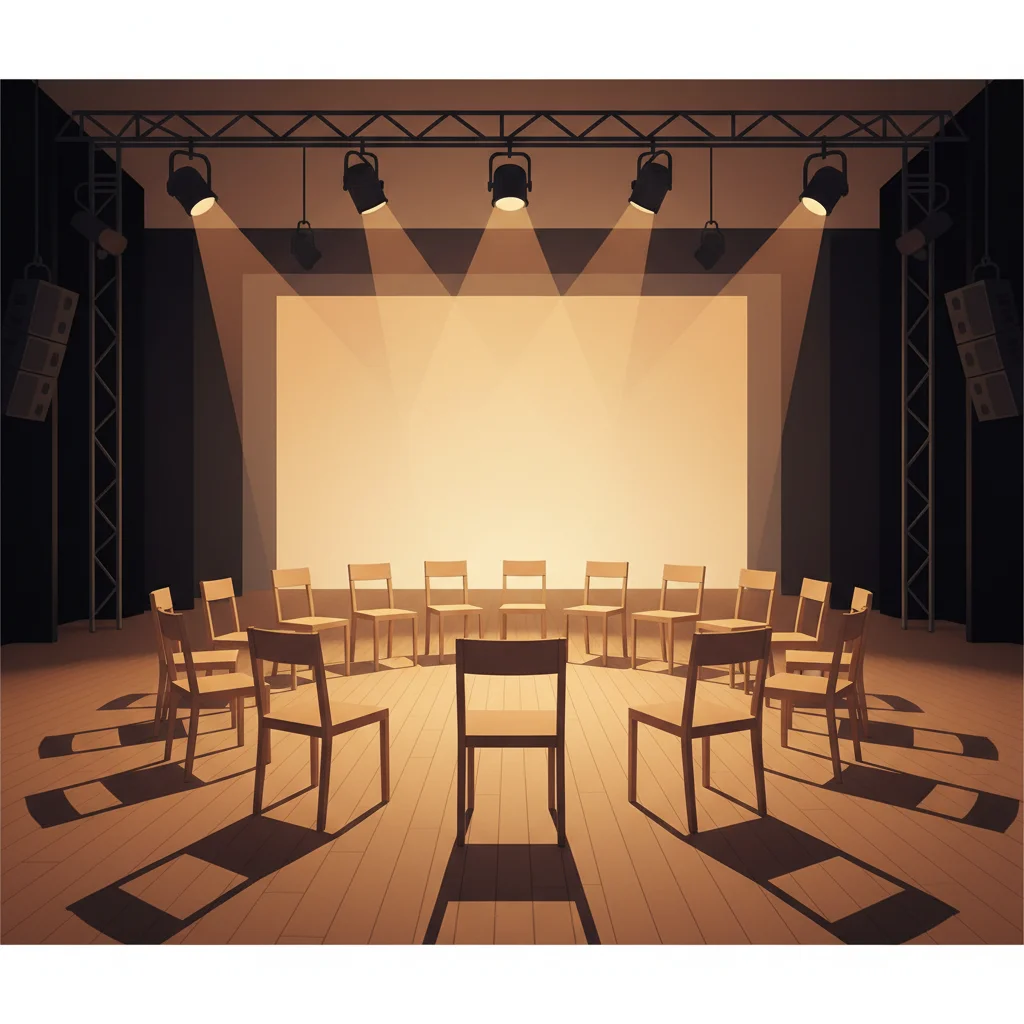
Verbatim Theatre and Lighting Design
Year 11 Drama Exploring 'Cookies' by Emily Jenkins Performance and Technical Theatre Skills
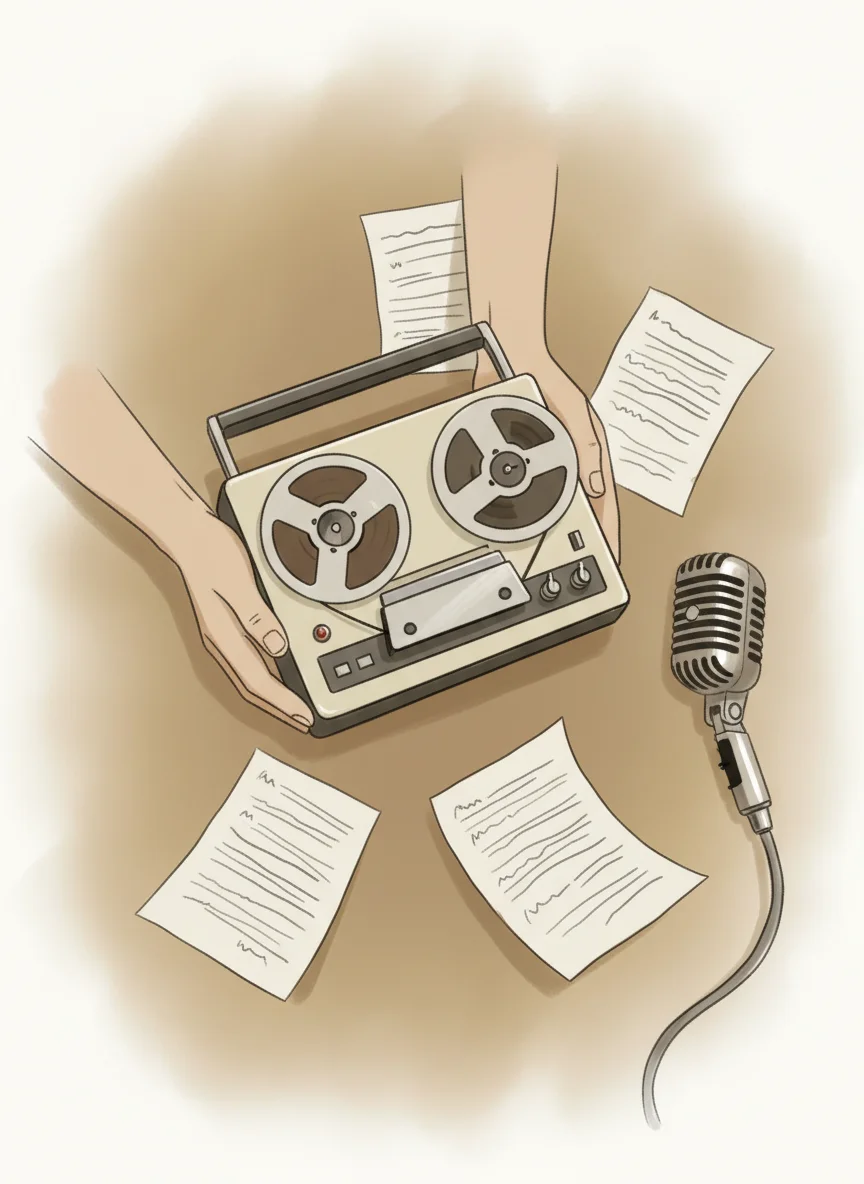
What is Verbatim Theatre?
Uses exact words from real people's interviews or testimonies Documentary drama based on authentic voices Preserves original speech patterns and emotions Transforms real-life experiences into theatrical performance
Meet 'Cookies' by Emily Jenkins
Contemporary verbatim play exploring real voices Based on authentic interviews and testimonies Focuses on human experiences and relationships Challenges performers to maintain truthfulness while creating theatre
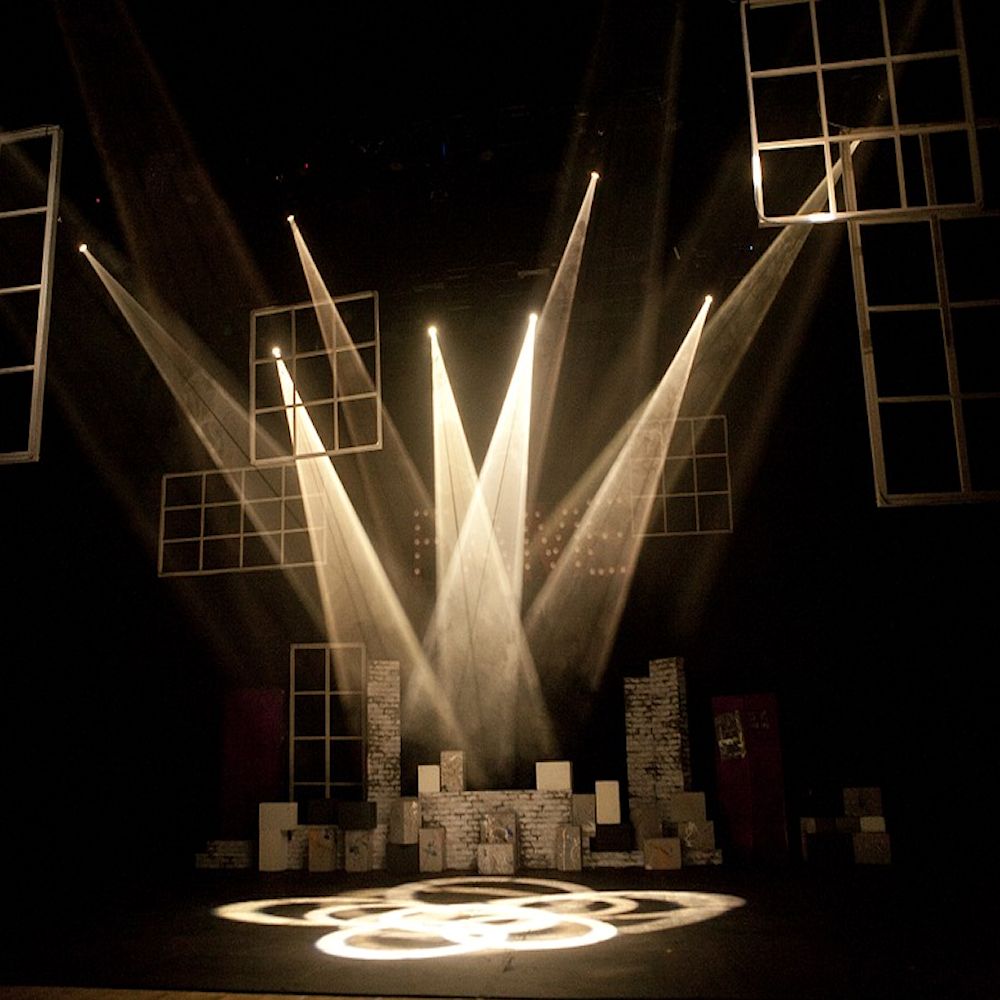
Lighting in Theatre: Key Concepts
{"left":"Focus: Spotlight vs wash lighting\nColour temperature: warm vs cold tones\nIntensity: bright vs dim effects","right":"Shadow: creating depth and mood\nDirection: front, side, and back lighting\nMovement: static vs dynamic changes"}
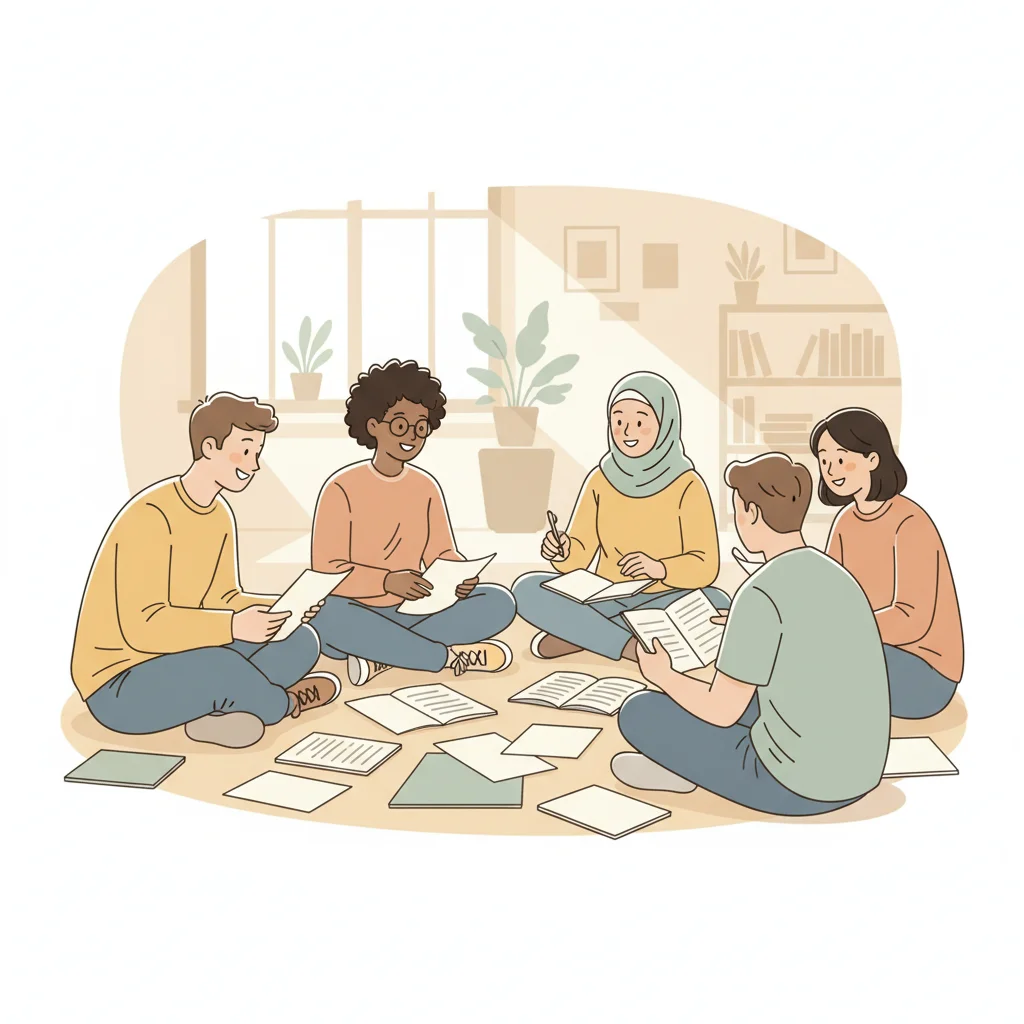
Group Reading and Analysis
Form groups of 5 students Read selected 'Cookies' extracts aloud Focus on natural speech patterns and emotions Discuss: What lighting would enhance these moments? Consider the authentic voice behind each word
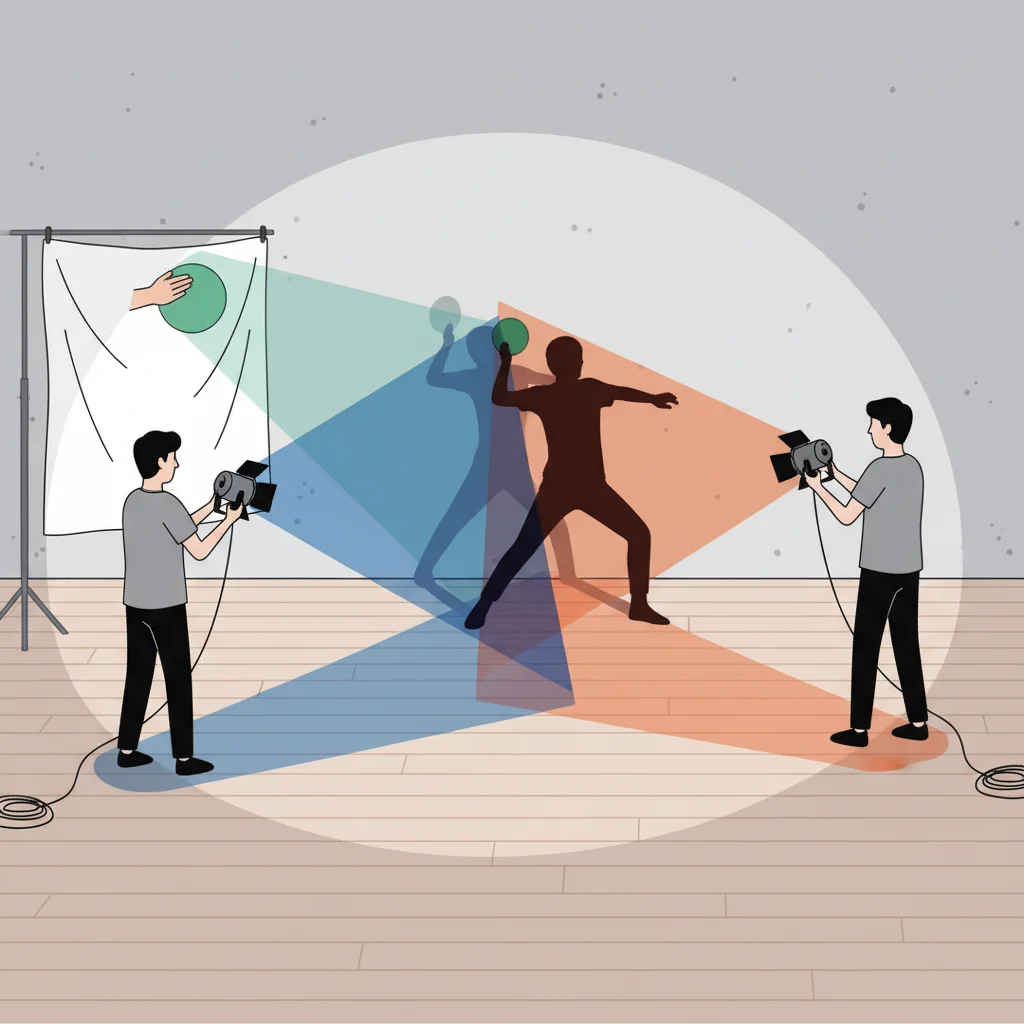
Lighting Experimentation Workshop
Select a 1-2 minute extract for performance Experiment with different lighting setups Test warm vs cool colour temperatures Try spotlight focus vs wash lighting Adjust intensity to match emotional moments Document which choices enhance the verbatim text
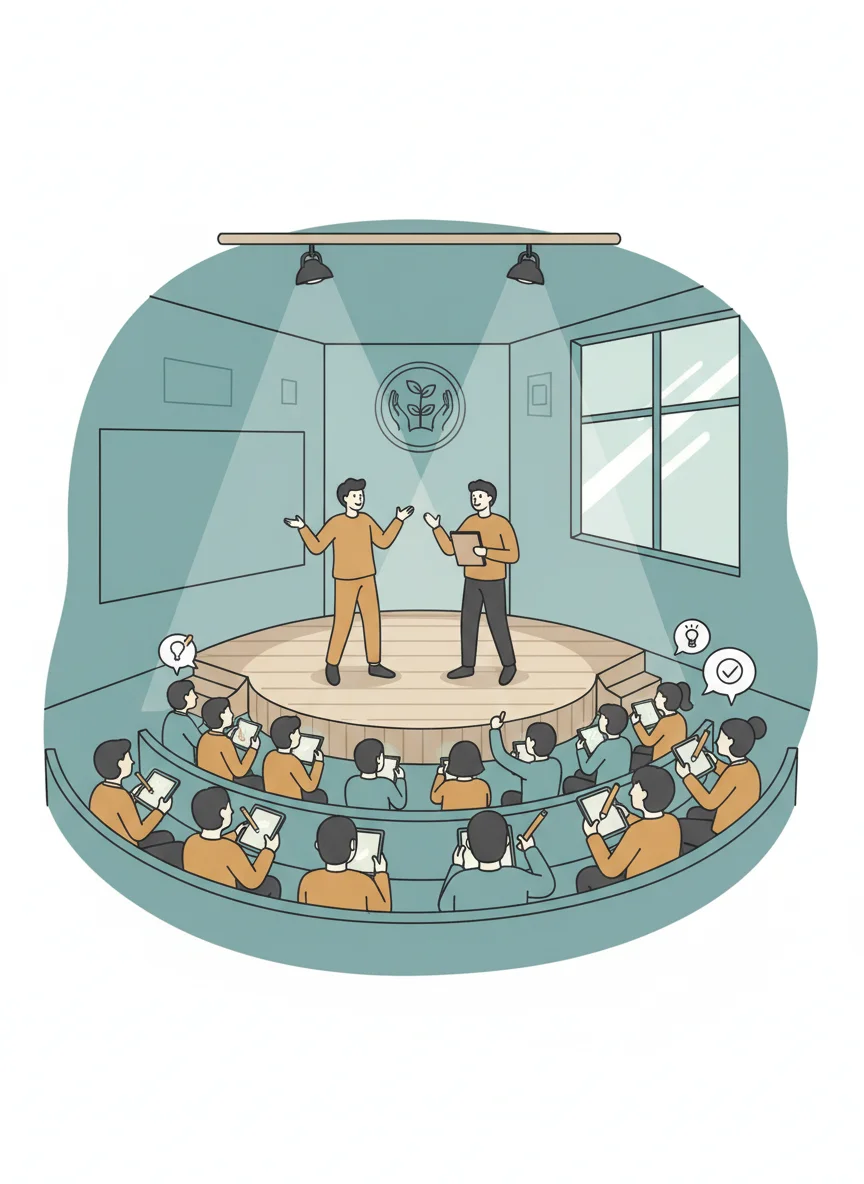
Performance and Peer Feedback
Each group performs their extract with lighting Focus on faithfulness to verbatim text Evaluate lighting effectiveness in supporting mood Give constructive feedback on authenticity and technical choices Discuss how lighting changed your experience of the text
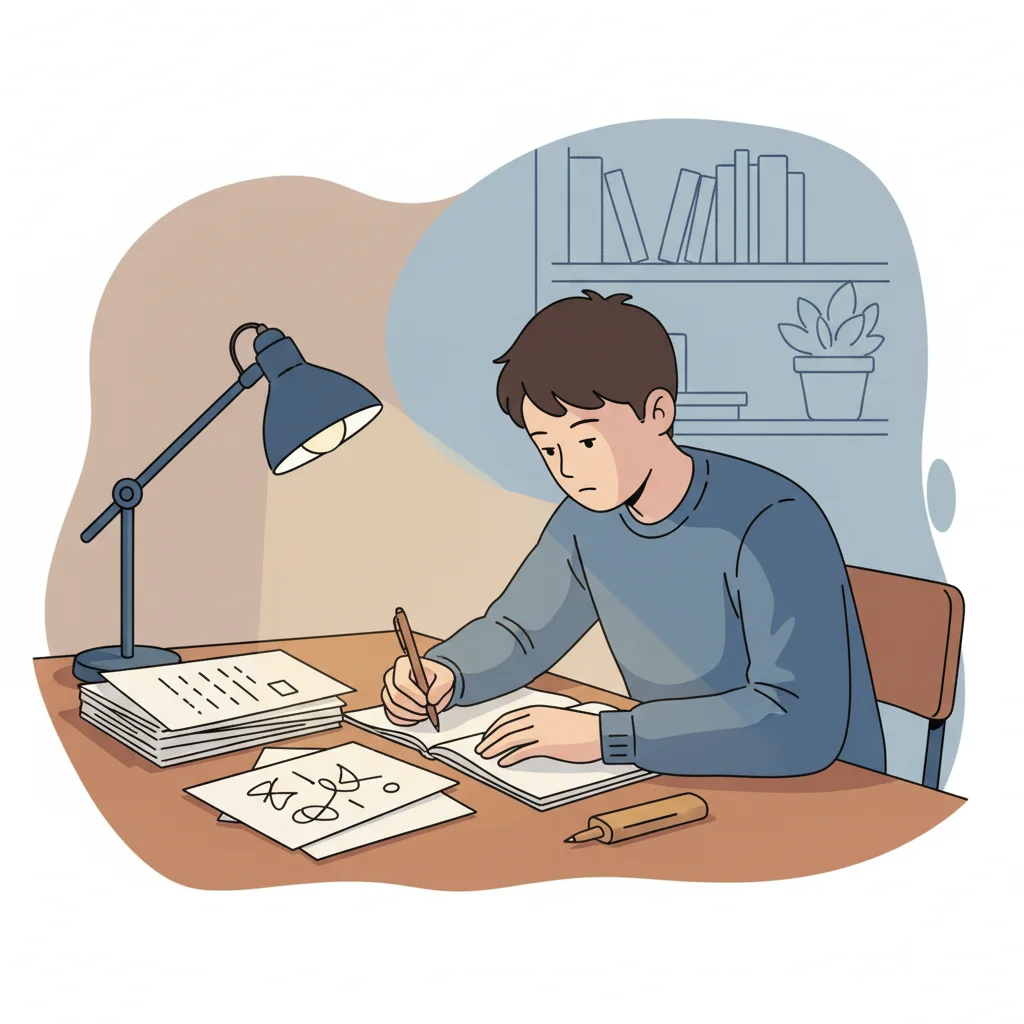
Reflection and Assessment
"How did lighting change your experience of the verbatim text?" "What challenges arise when performing verbatim theatre honestly yet theatrically?" Key learning: Lighting enhances authentic voices without overwhelming them Homework: Write a reflection on lighting's impact on interpretation
More Drama slide decks
Other ready-to-teach drama decks for UK classrooms.