Volume Units in Year 5
Understanding how to measure space Learning metric volume units Practical applications in everyday life
What is Volume?
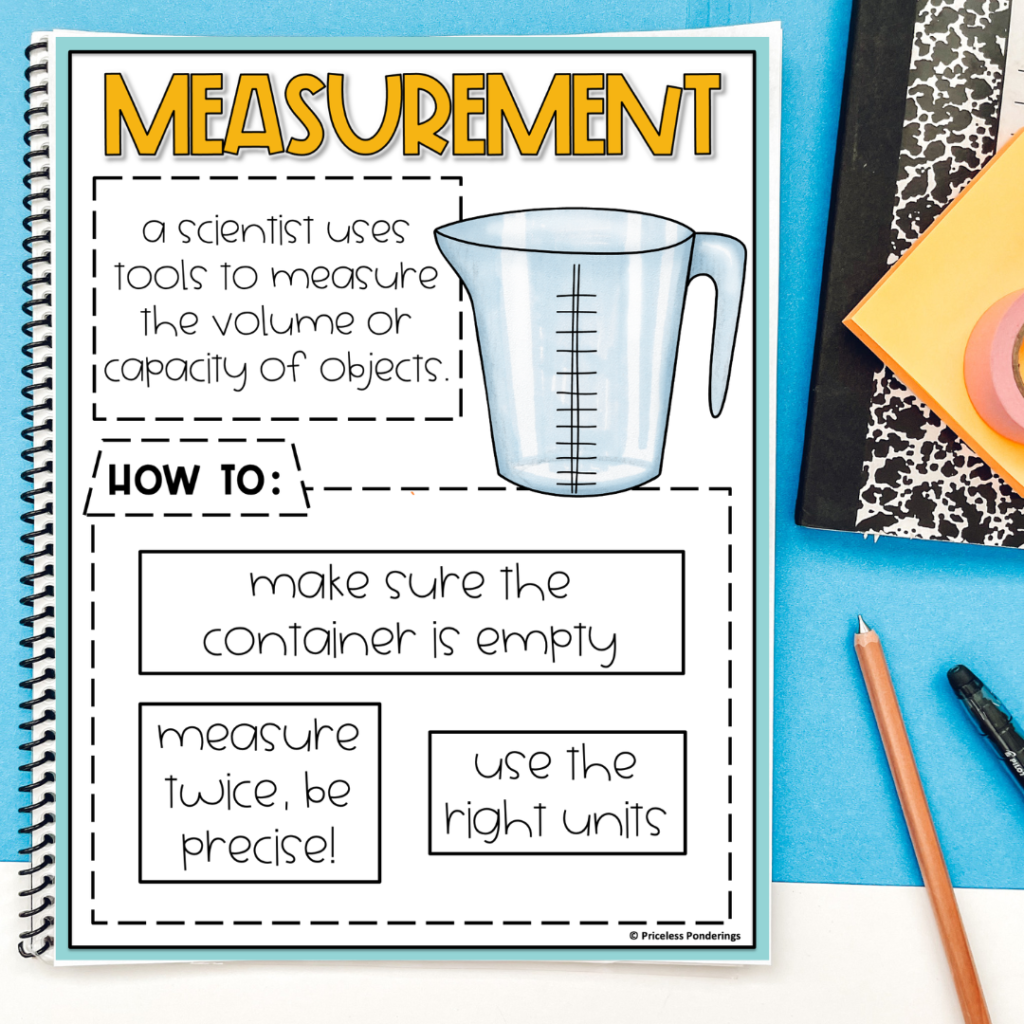
Volume is the amount of space inside a 3D shape It tells us how much liquid or material can fit inside We measure volume in special units Think about filling a swimming pool or a glass with water

Millilitres (ml)
The smallest volume unit we use regularly Perfect for measuring small amounts 1 millilitre is about 20 drops of water Medicine spoons hold about 5ml

Spot the Millilitres!
Look around the classroom Find 3 containers that might hold less than 100ml Guess how many millilitres each one holds Write your estimates on your worksheet
Litres (l)
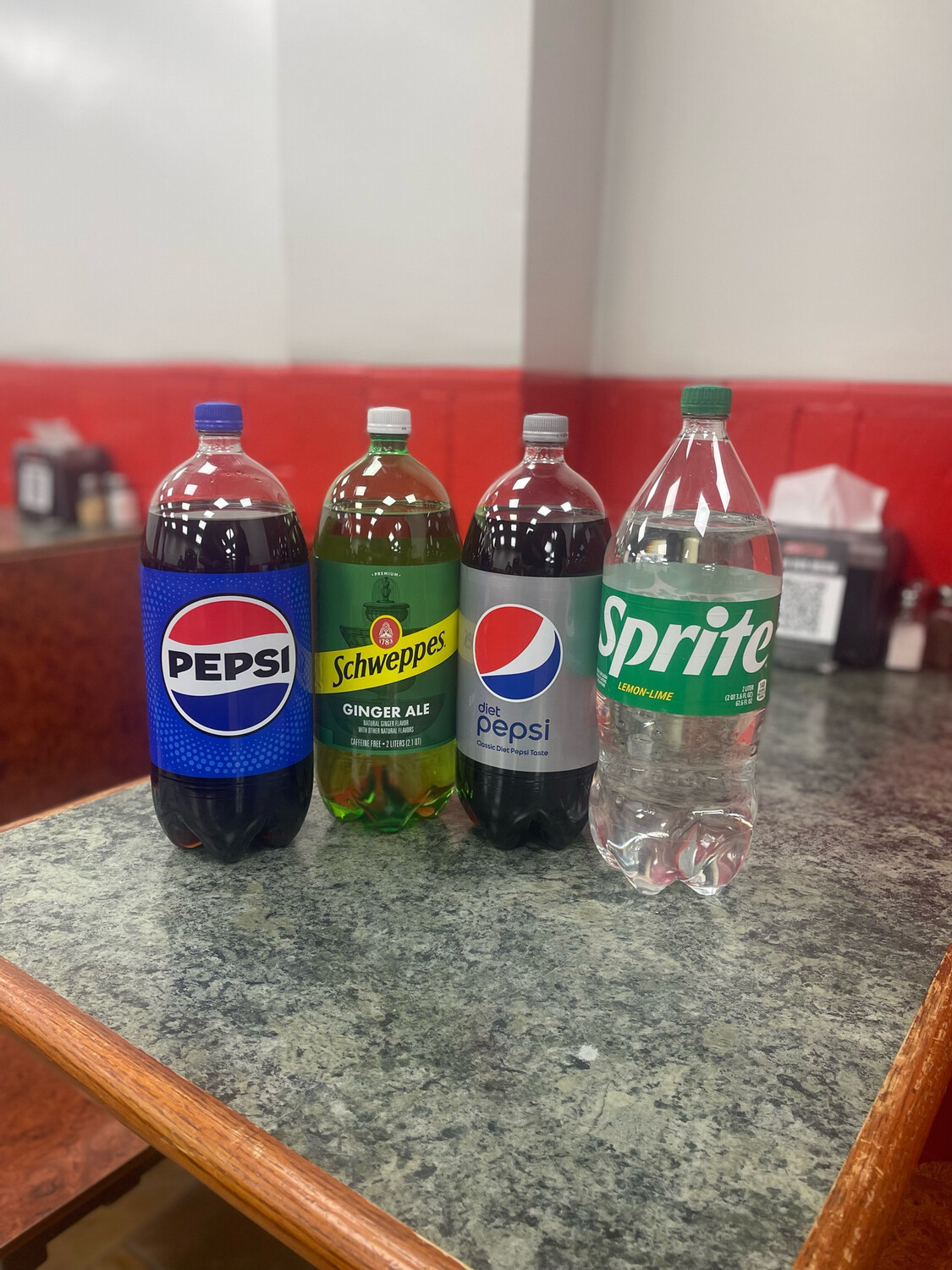
A much bigger unit than millilitres 1 litre = 1000 millilitres Perfect for measuring drinks and larger liquids A large bottle of fizzy drink is often 2 litres
Converting Between ml and l
{"left":"1 litre = 1000 millilitres\n2 litres = 2000 millilitres\n500ml = 0.5 litres","right":"250ml = 0.25 litres\nTo convert ml to l: divide by 1000\nTo convert l to ml: multiply by 1000"}
Quick Check!
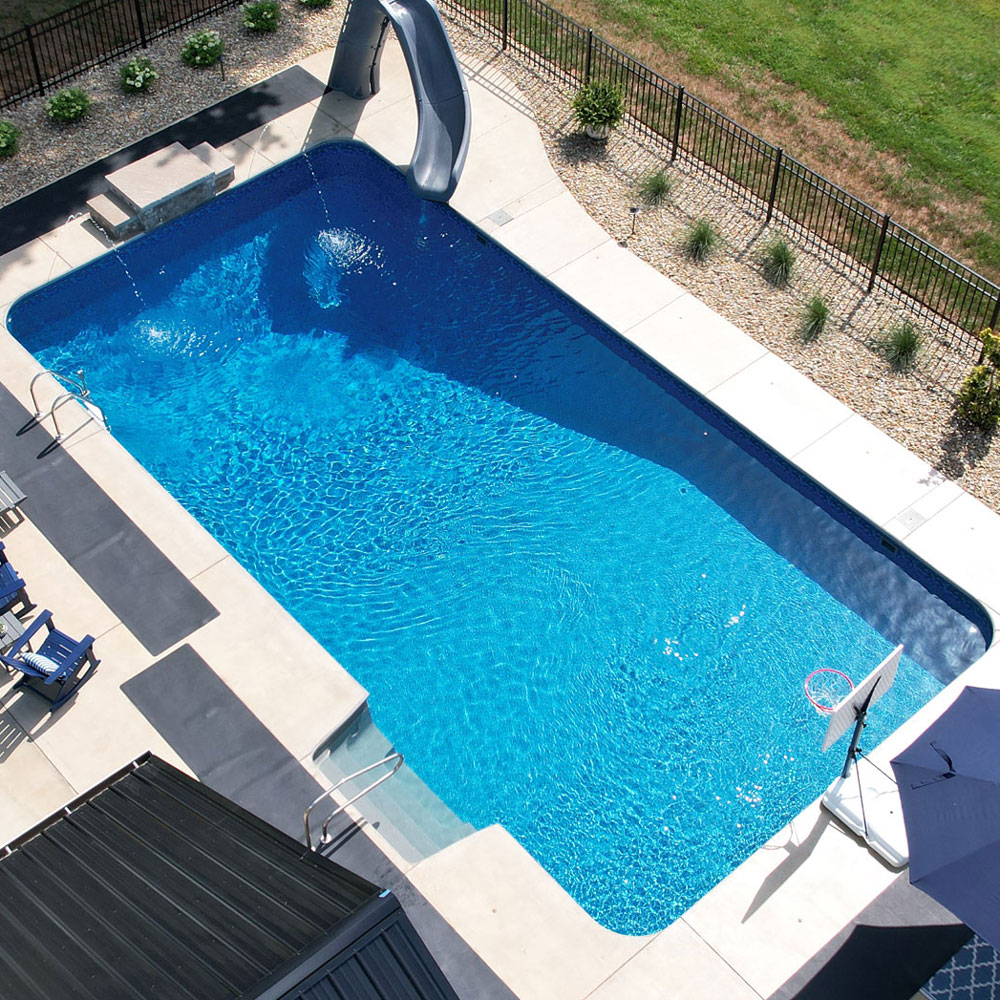
If a swimming pool holds 50,000 litres of water, how many millilitres is that? Think about the conversion rule Discuss your answer with a partner
Volume Detective Challenge
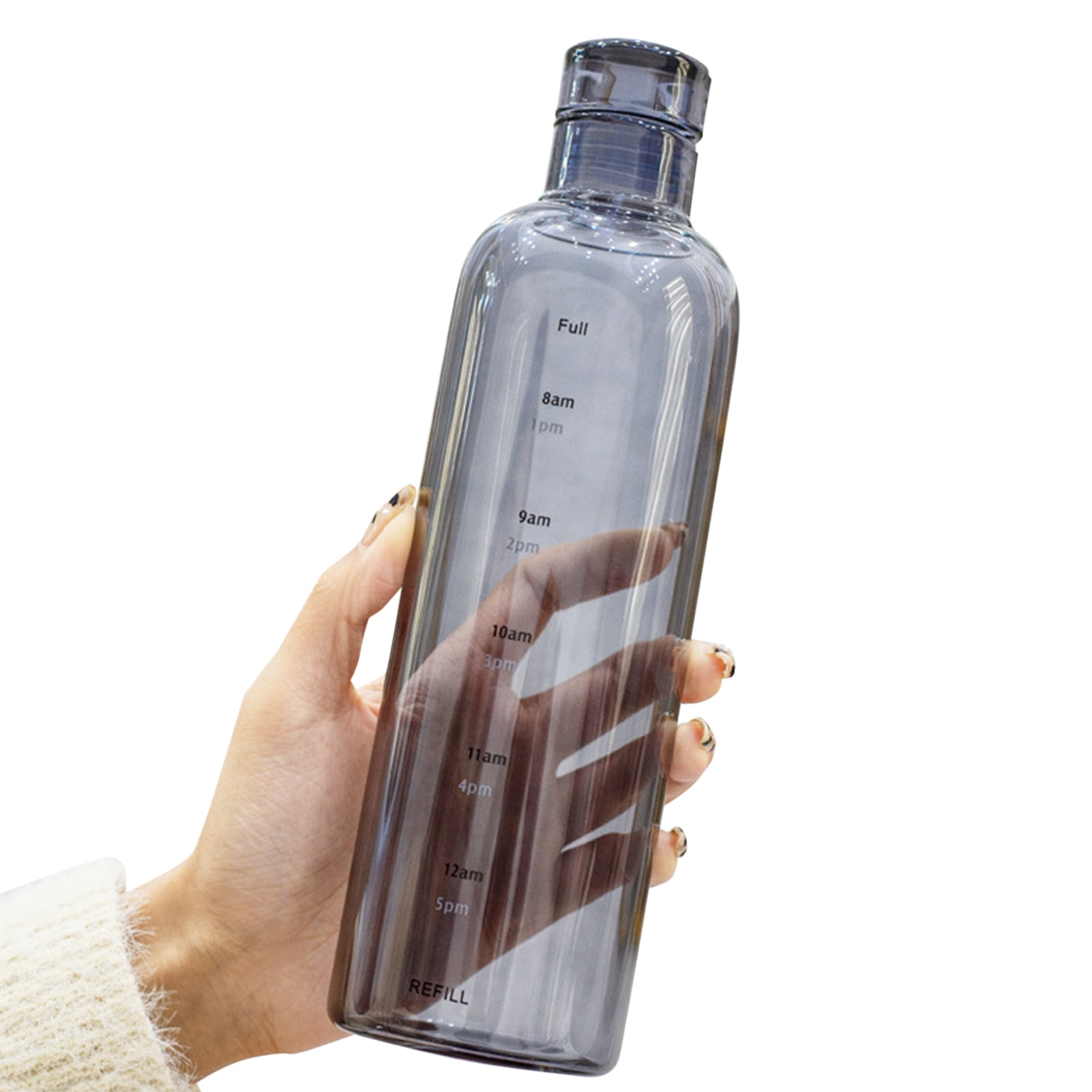
Work in pairs to estimate volumes Container 1: School water bottle Container 2: Classroom bin Container 3: Teacher's coffee mug Use ml for small items, l for large items
Real-World Volume Examples
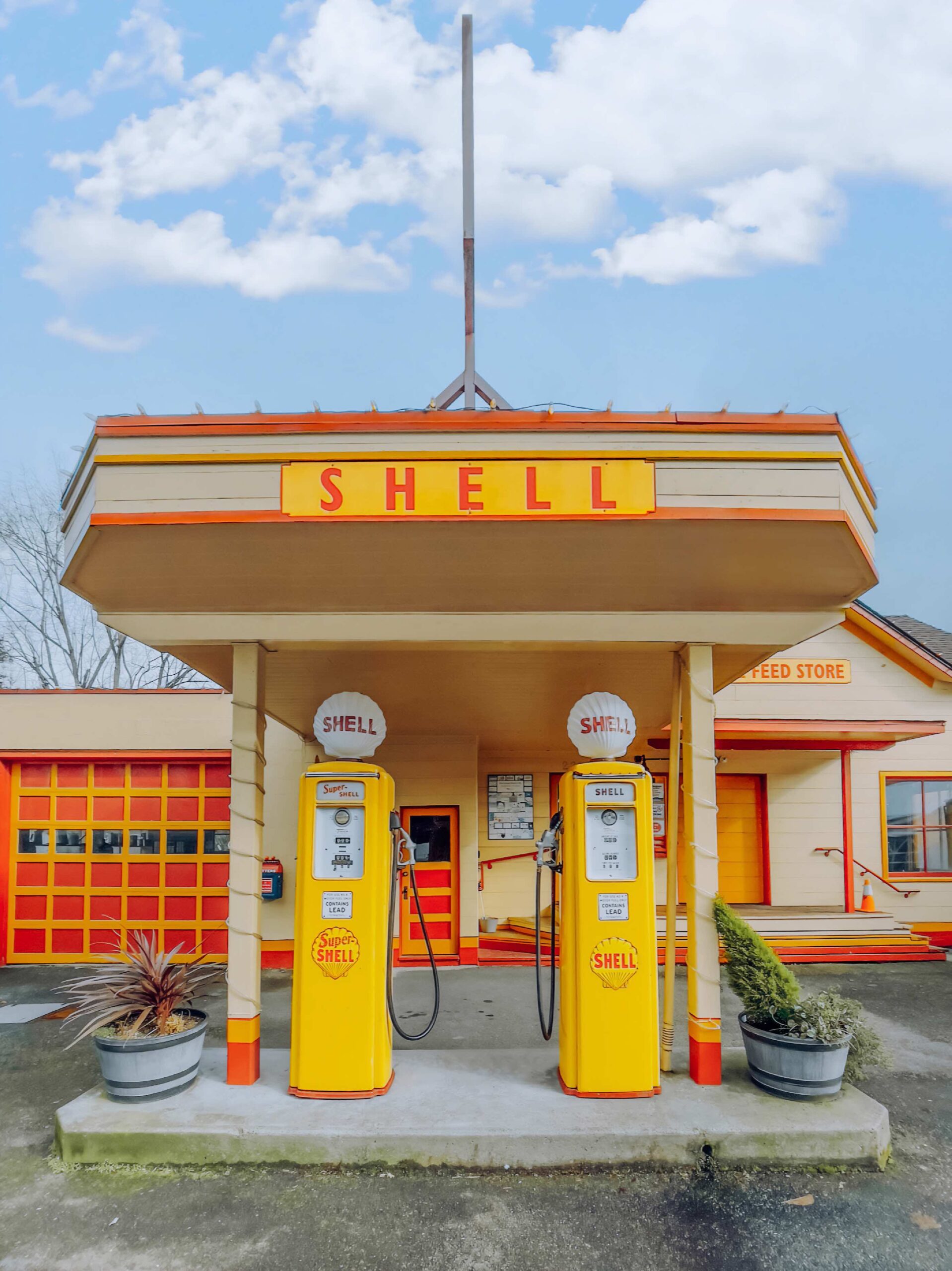
Car petrol tank: 40-60 litres Bath tub: 150-200 litres Can of drink: 330ml Milk carton: 1 litre or 2 litres Teaspoon of medicine: 5ml

What We've Learned Today
Volume measures the space inside 3D objects Millilitres (ml) for small amounts Litres (l) for larger amounts 1 litre = 1000 millilitres We can convert between ml and l by multiplying or dividing by 1000