
Writing Effective Leaflets for Events
Year 11 English - Functional Skills Level 1 45-minute lesson Building organisational and writing skills

What Makes a Leaflet Effective?
Clear headings and sub-headings Bullet points or numbered lists Eye-catching layout and design Persuasive and informative content Appropriate language for target audience
Leaflet Analysis Activity
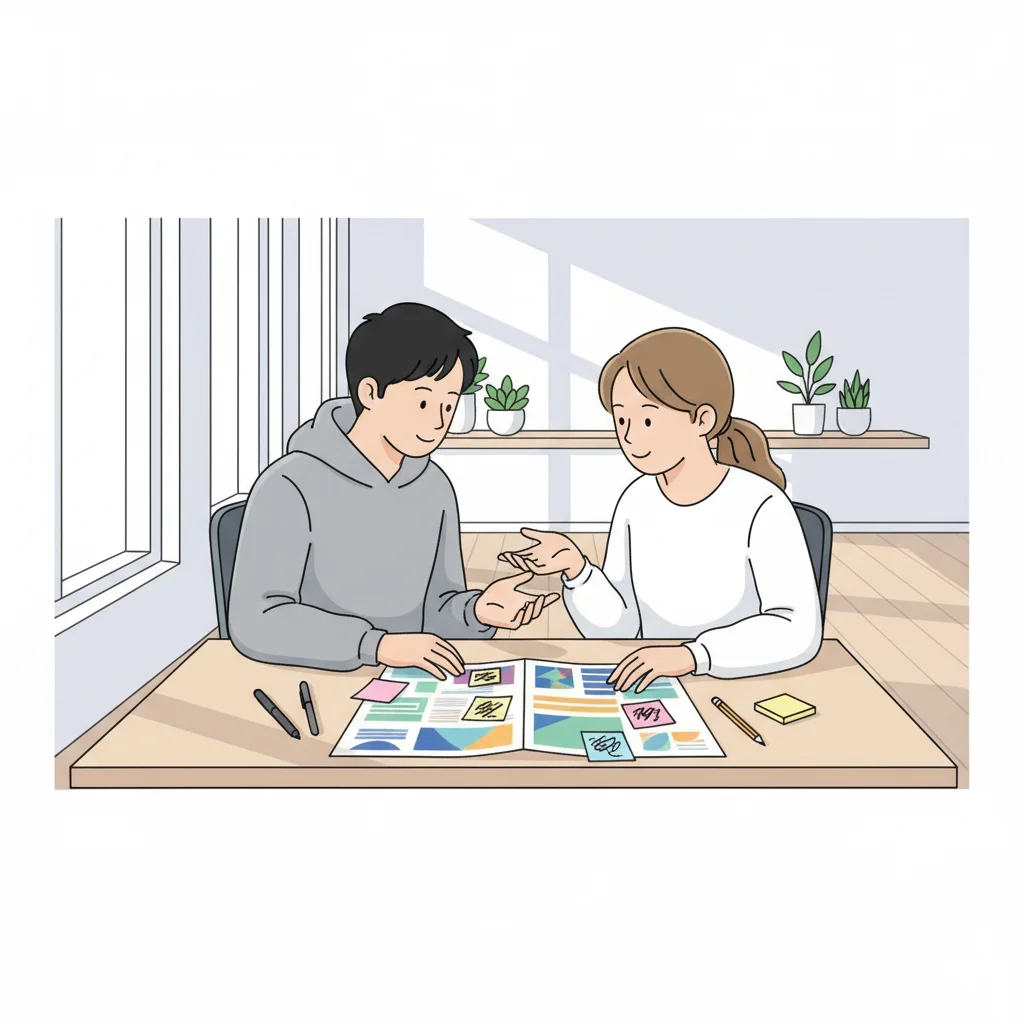
Work in pairs to examine the example leaflet Use sticky notes to label: headings, sub-headings, bullet points, numbered lists Discuss: Why are these organisational features important? Share findings with the class
Planning Your Leaflet
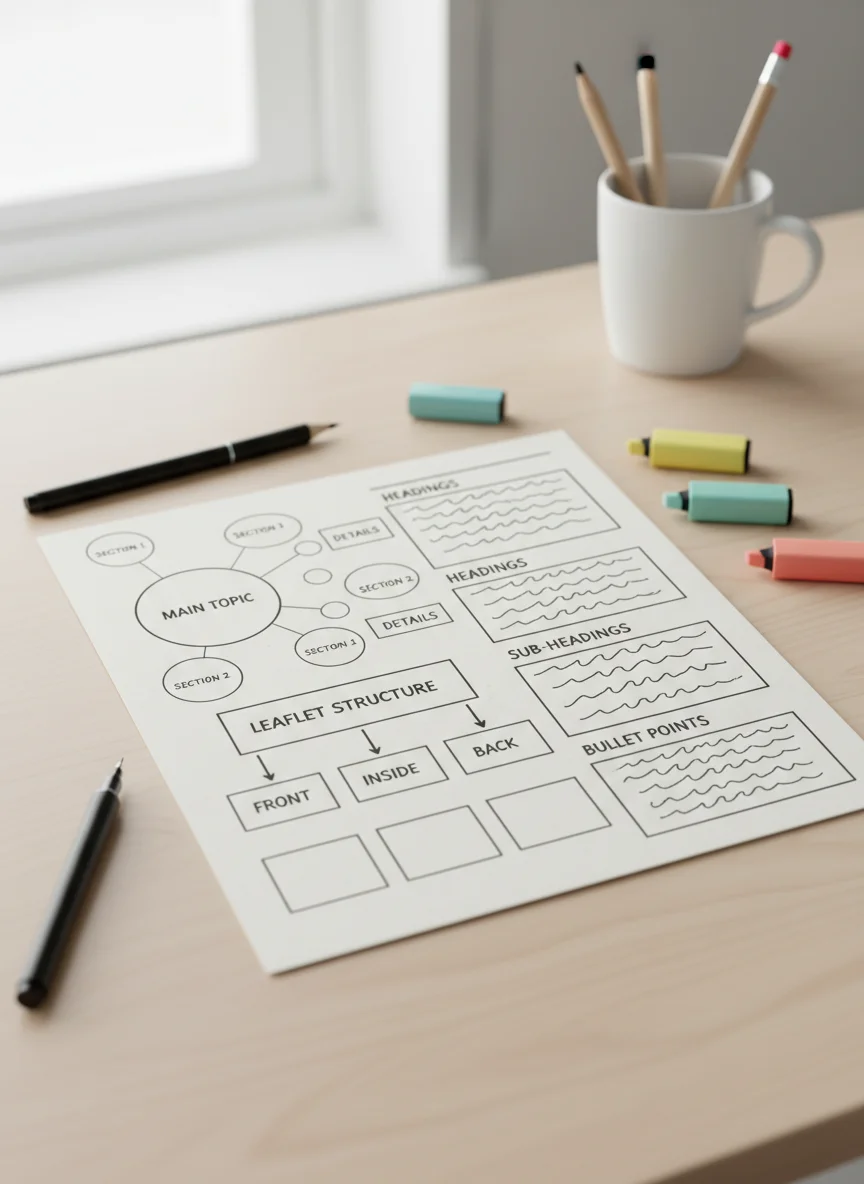
Choose your event topic Create a clear main heading Plan 2-3 sub-headings Organise information using bullet points Note where to include complex sentences

Complex Sentences
"Although the weather was unpredictable, the outdoor concert was a huge success because the organisers had prepared covered areas for the audience."
Writing Your Leaflet
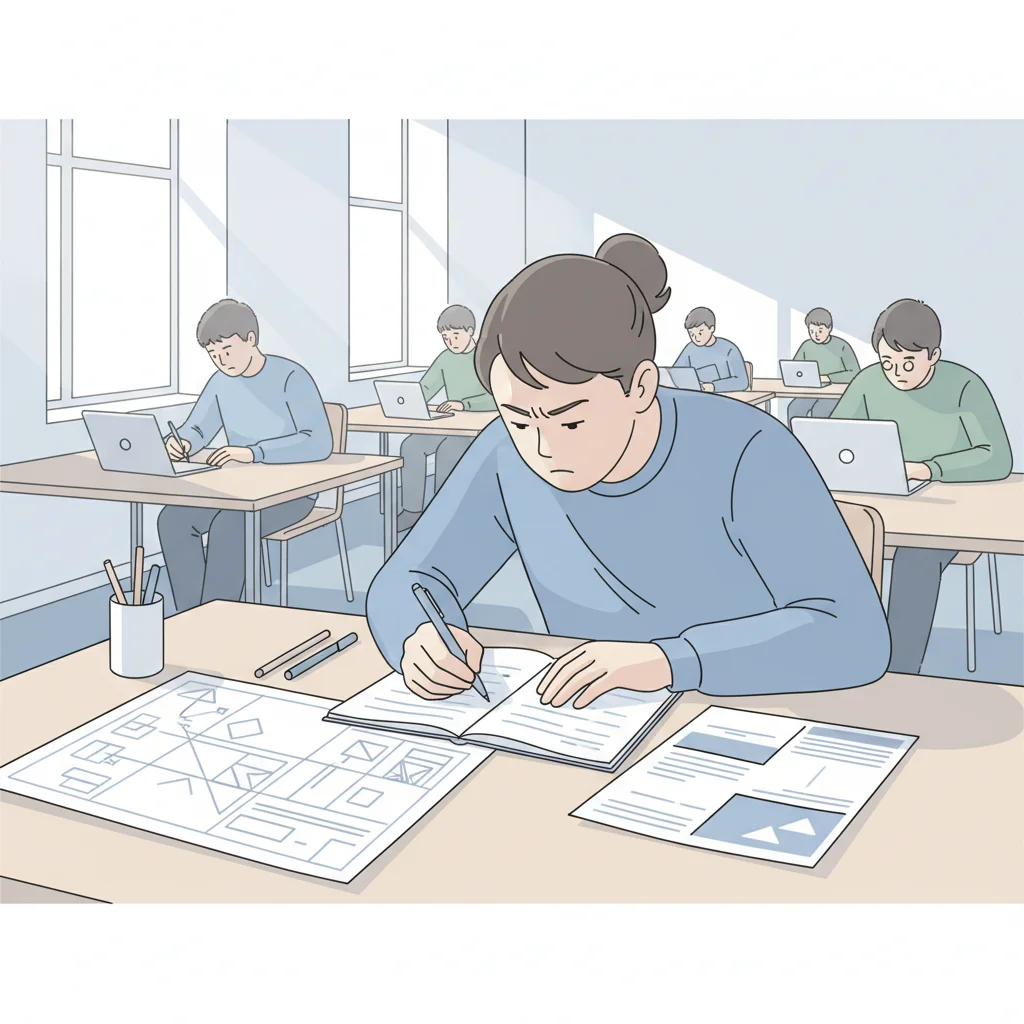
Use your plan to write your leaflet Include clear headings and sub-headings Add bullet points or numbered lists Write at least 200 words Include 3 complex sentences with conjunctions
Editing Checklist
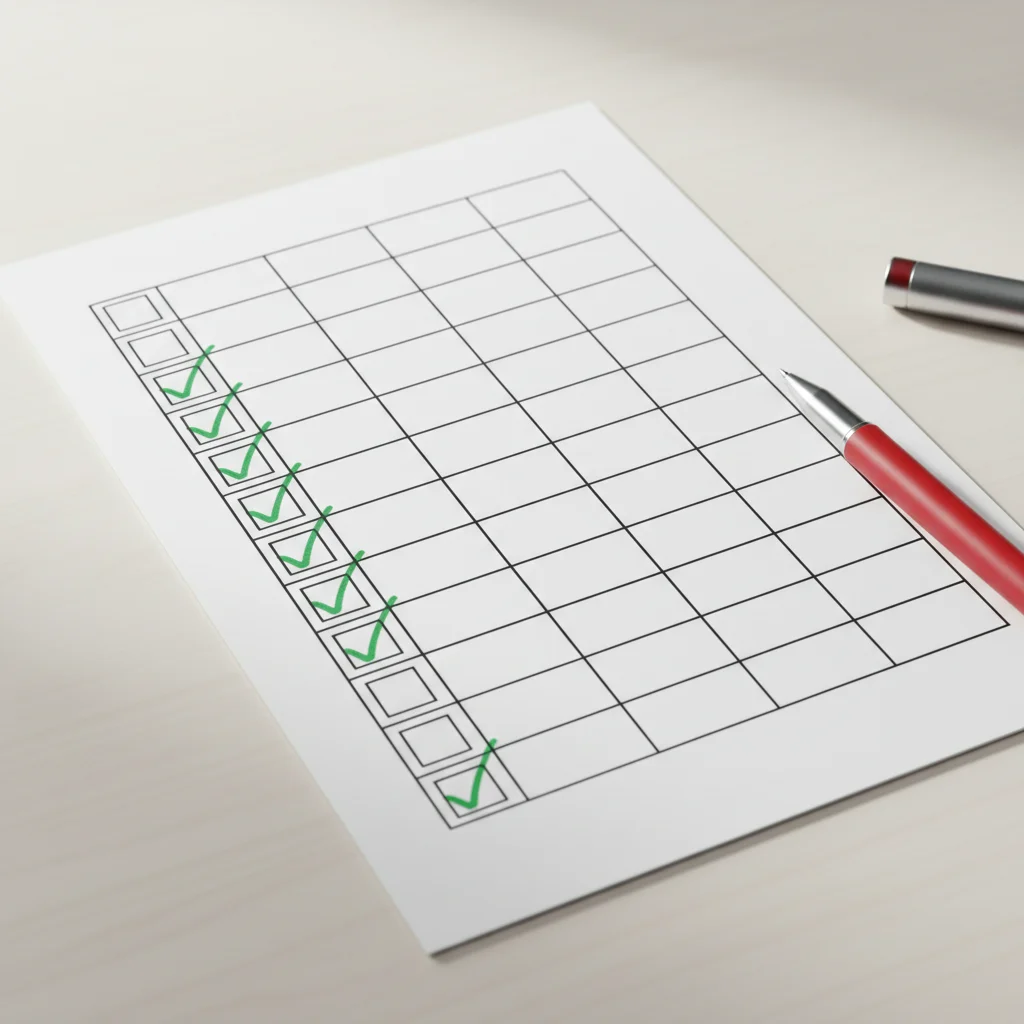
{"left":"Capital letters at start of sentences\nFull stops at end of sentences\nCorrect spelling throughout\nClear headings and sub-headings","right":"Effective bullet points or lists\nAt least 3 complex sentences\nMinimum 200 words\nLogical organisation and flow"}

Key Learning Summary
Planning improves leaflet quality and organisation Organisational features help readers navigate information Complex sentences make writing more engaging Editing ensures accuracy and professionalism Leaflets must be tailored to their target audience