
Writing with Emotion: Tone and Pathos
Year 10 English Developing emotional impact in writing 100-minute session
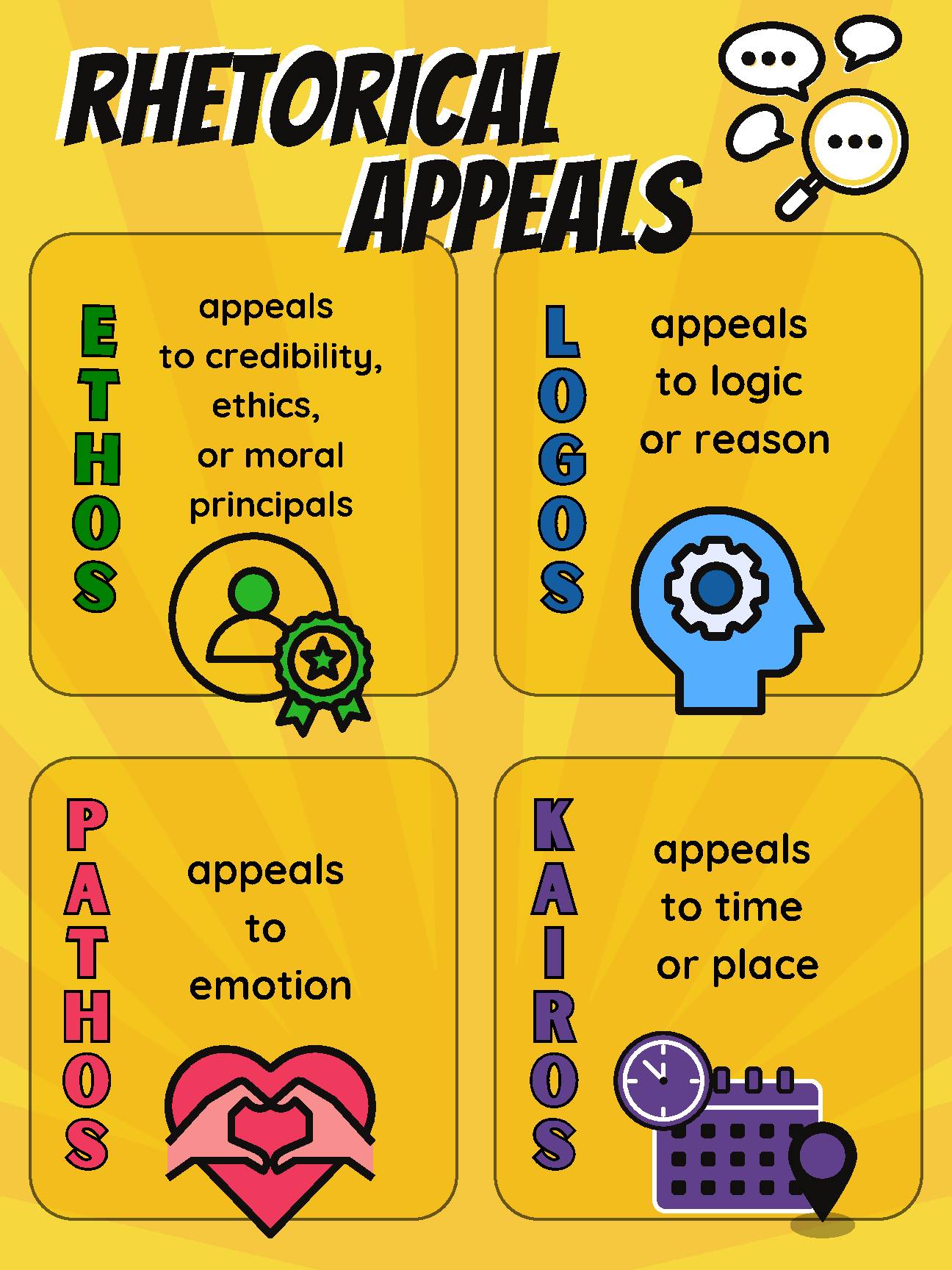
What Are Tone and Pathos?
Tone: The attitude or feeling conveyed in writing Pathos: The emotional appeal that moves readers Writers deliberately choose words to create specific emotions Tone shapes how readers respond to your message
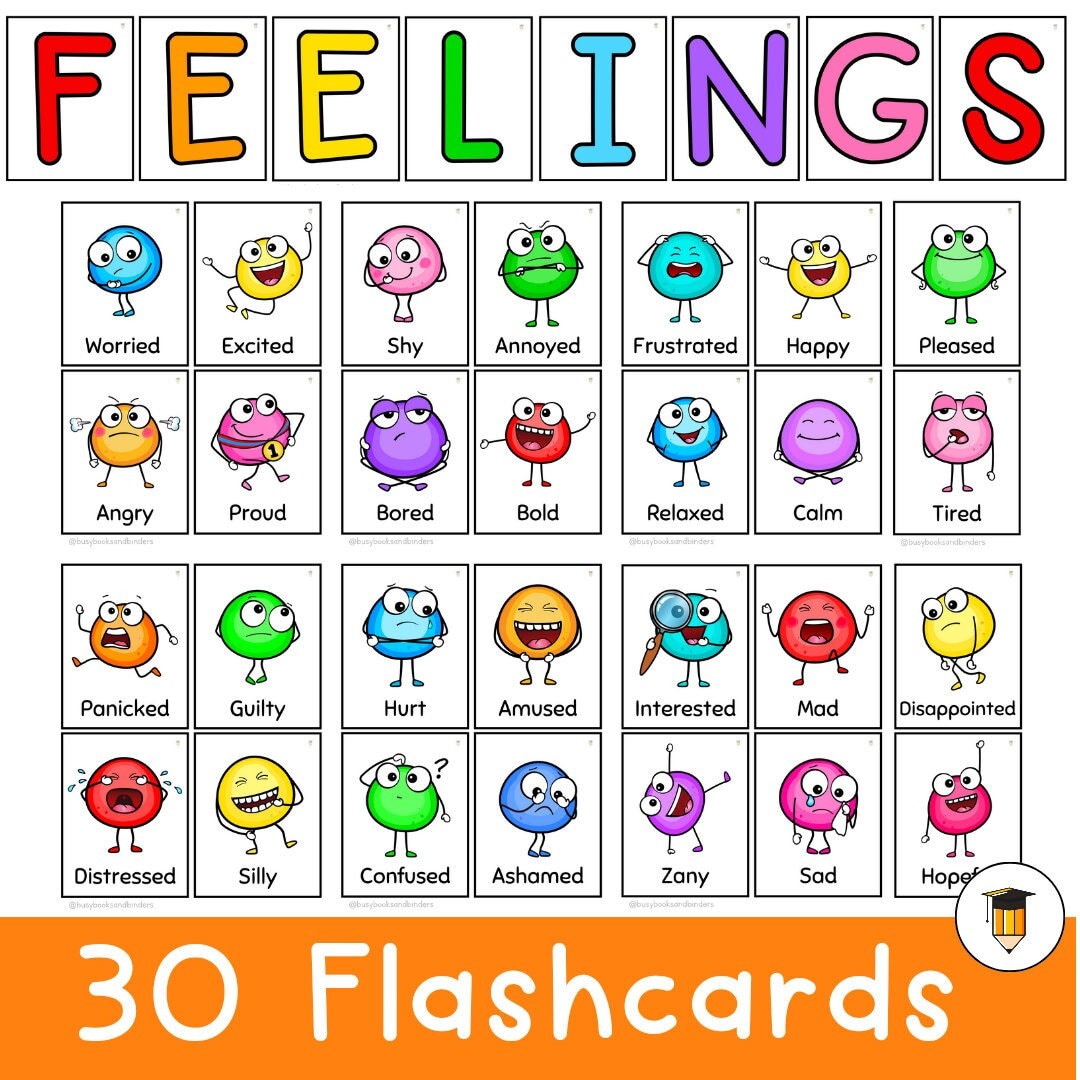
Emotional Tone Detective
Read three short extracts Identify the emotional tone in each Use colored cards to show the emotion Discuss vocabulary choices that create the tone

Building Vocabulary Banks for Emotion
{"left":"Despair: devastating, crushing, hopeless, shattered, bleak\nHope: radiant, promising, uplifting, bright, renewed","right":"Anger: furious, outraged, seething, explosive, bitter\nJoy: euphoric, delighted, exuberant, gleaming, triumphant"}

Techniques for Creating Emotional Impact
Choose specific, vivid vocabulary over generic words Vary sentence length - short for impact, longer for flow Use punctuation for emphasis and rhythm Consider sound and rhythm of words (harsh vs soft sounds)

Writing Challenge: Three Emotional Paragraphs
Write three paragraphs (5-6 sentences each) Each paragraph should convey a different tone Suggested tones: Somber, Hopeful, Angry Use vocabulary banks and techniques discussed Focus on creating pathos in your reader

Peer Assessment: Does It Create Emotion?
Exchange paragraphs with a partner Which paragraph created the strongest emotional response? What specific words or techniques were most effective? How could the emotional impact be strengthened?

The Power of Emotional Writing
'Words have no single fixed meaning. Like wayward electrons, they can spin away from their initial orbit and enter a wider magnetic field.' - Maya Angelou