
AI for English Teachers
Elevate your English teaching with AI tools designed for literacy and language arts
Create engaging English lessons, generate reading comprehension activities, design writing prompts, build vocabulary exercises, and inspire a love of literature. Kuraplan's AI understands English pedagogy and helps you develop strong readers and writers.
Features Built for English (ELA) Teachers
Discover how Kuraplan's AI tools are specifically designed to help english (ela) educators
English Presentation Slides
Transform English lessons into engaging slideshows with text analysis, writing examples, literary concepts, and multimedia elements. Perfect for introducing texts, teaching writing skills, or reviewing material.
English Lesson Plans
Generate comprehensive English lesson plans covering reading, writing, speaking, and listening. Our AI creates lessons aligned with curriculum standards, including literature analysis, creative writing, grammar, and vocabulary development.
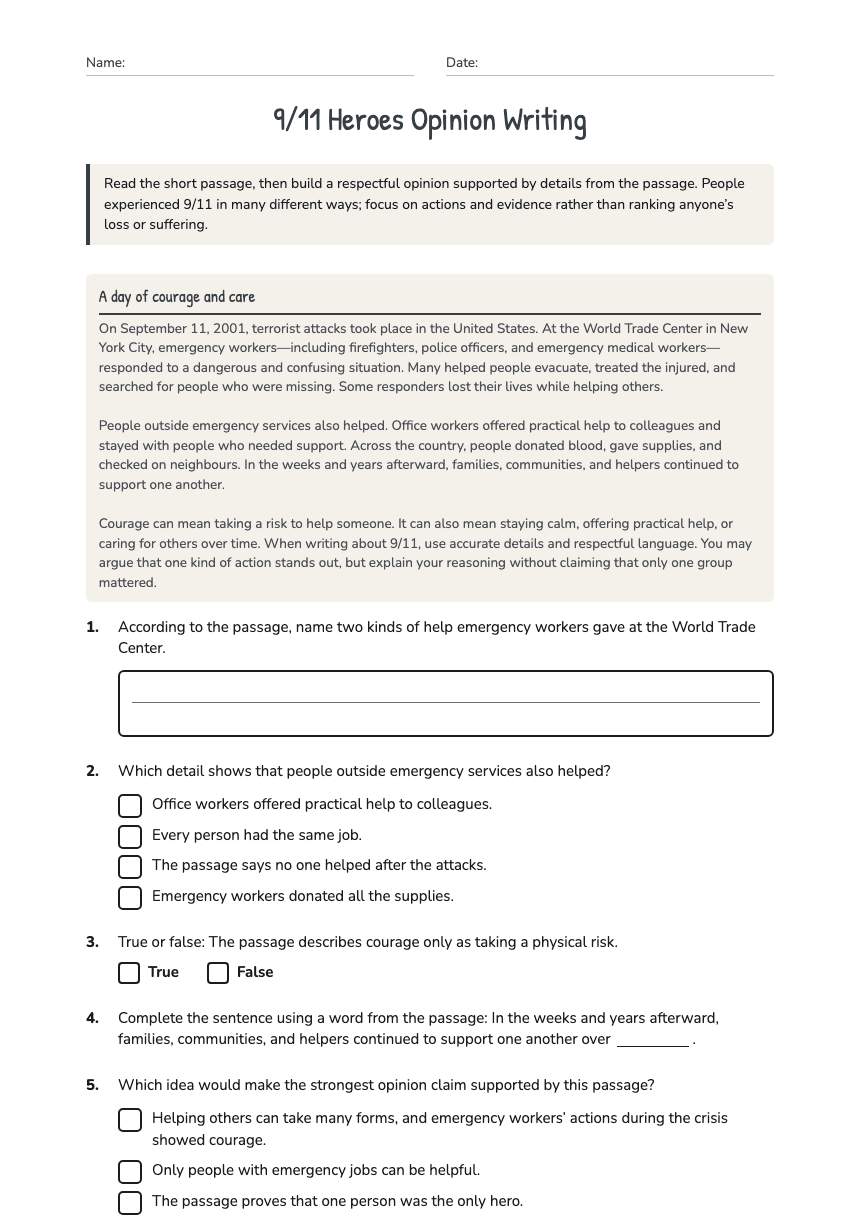
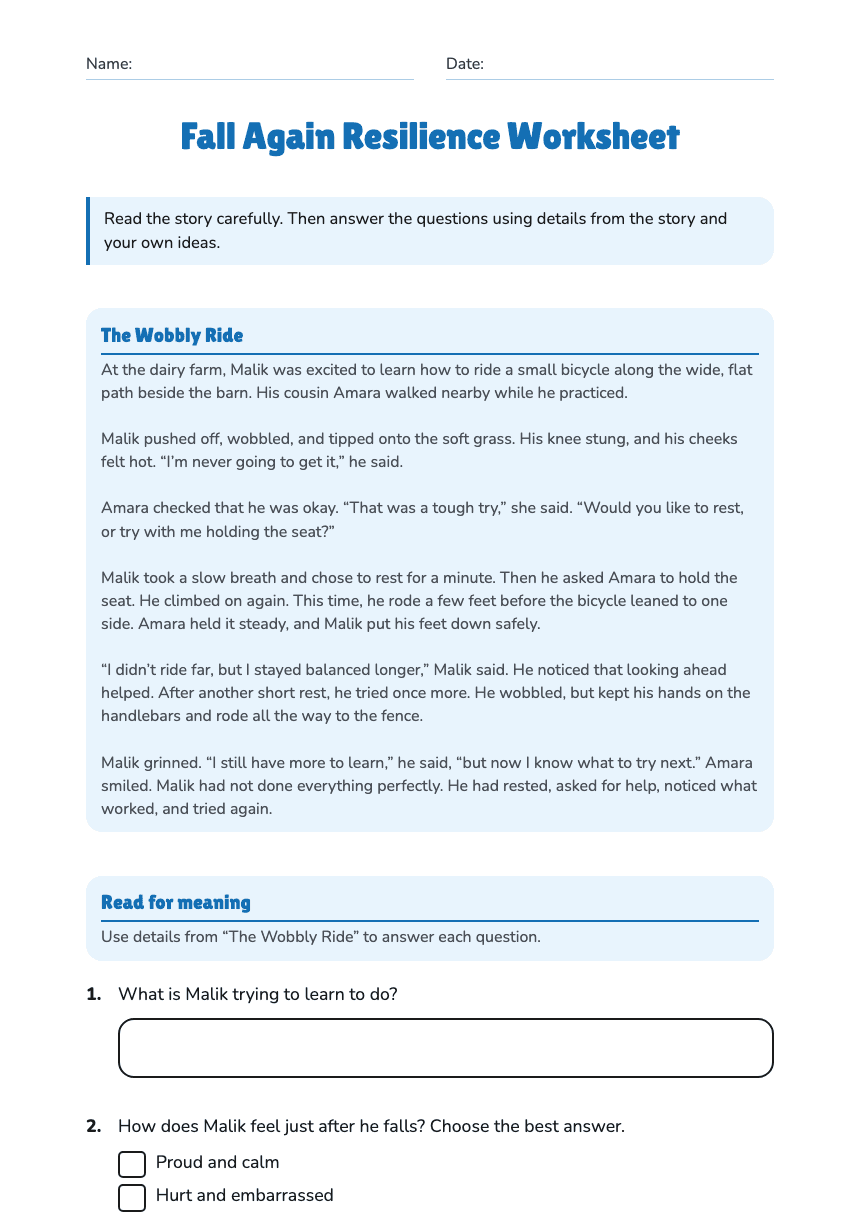
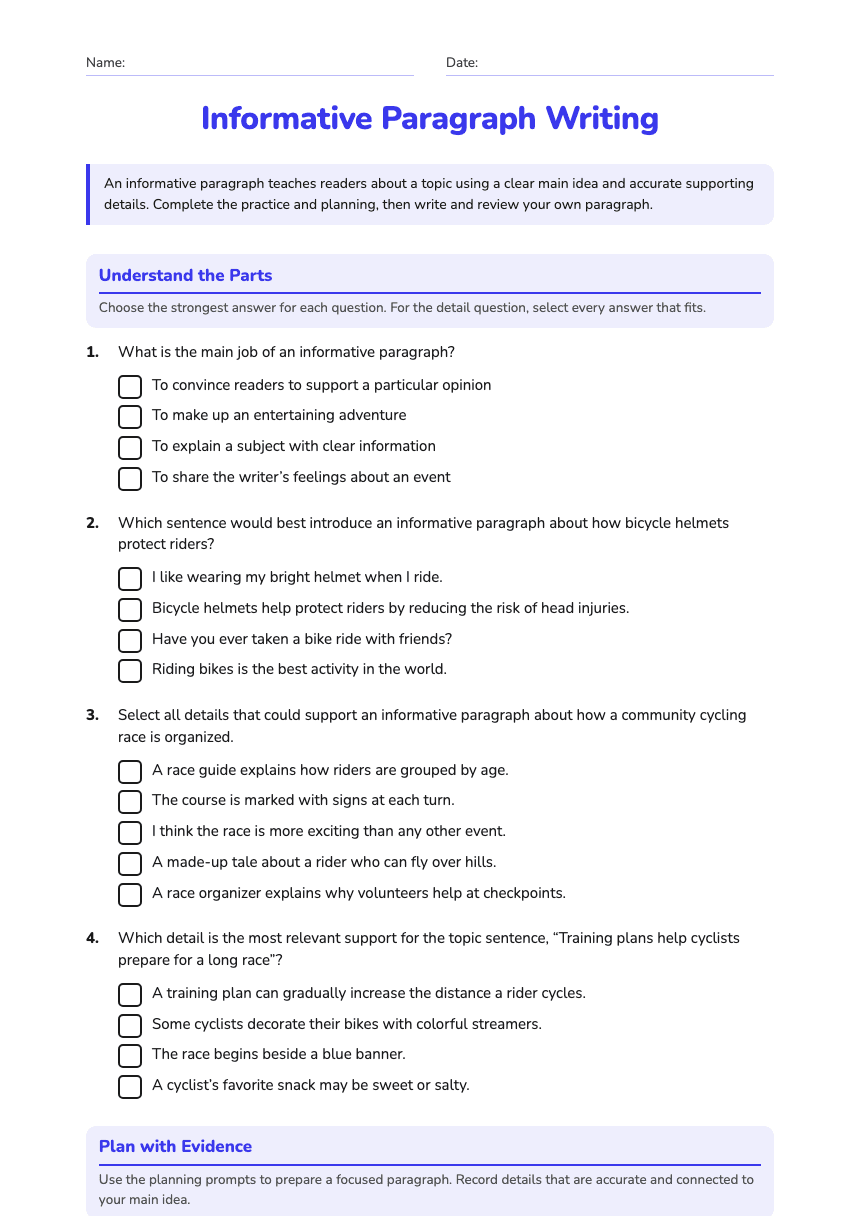
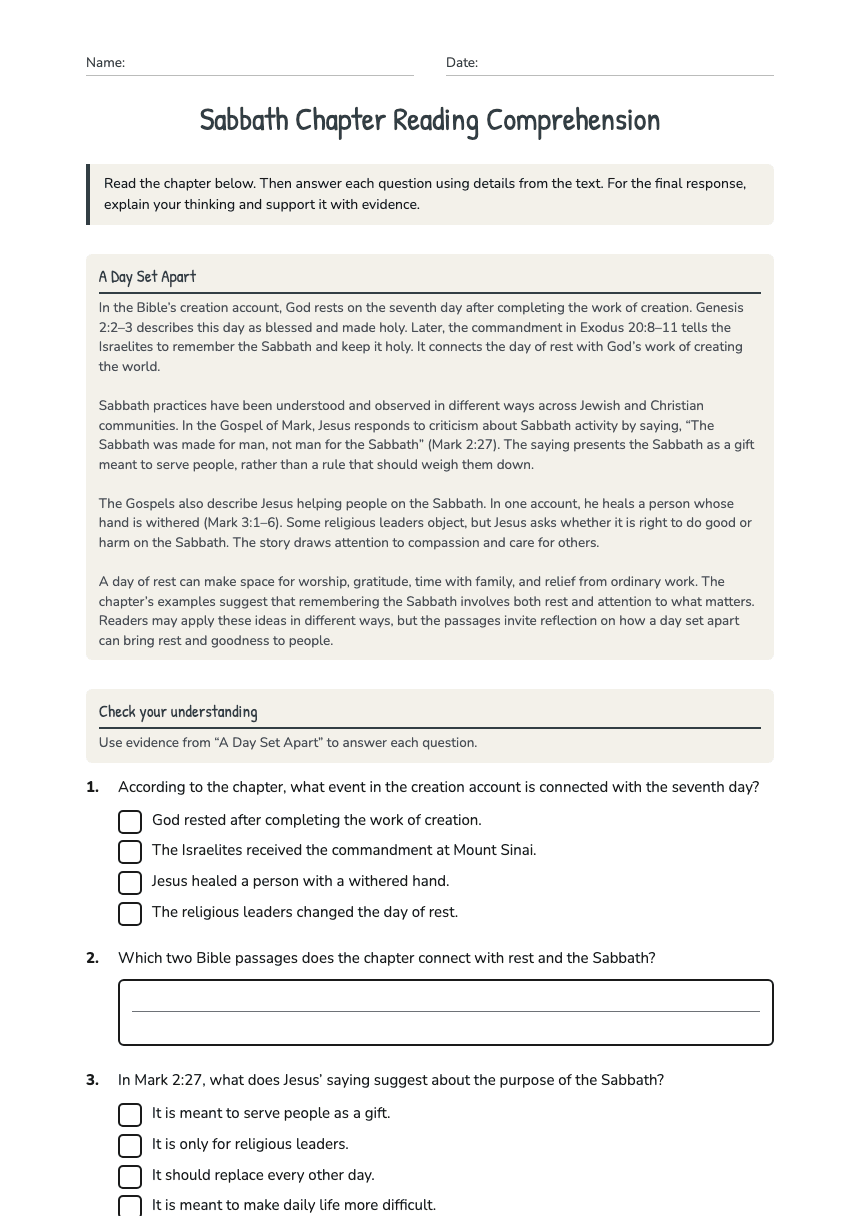
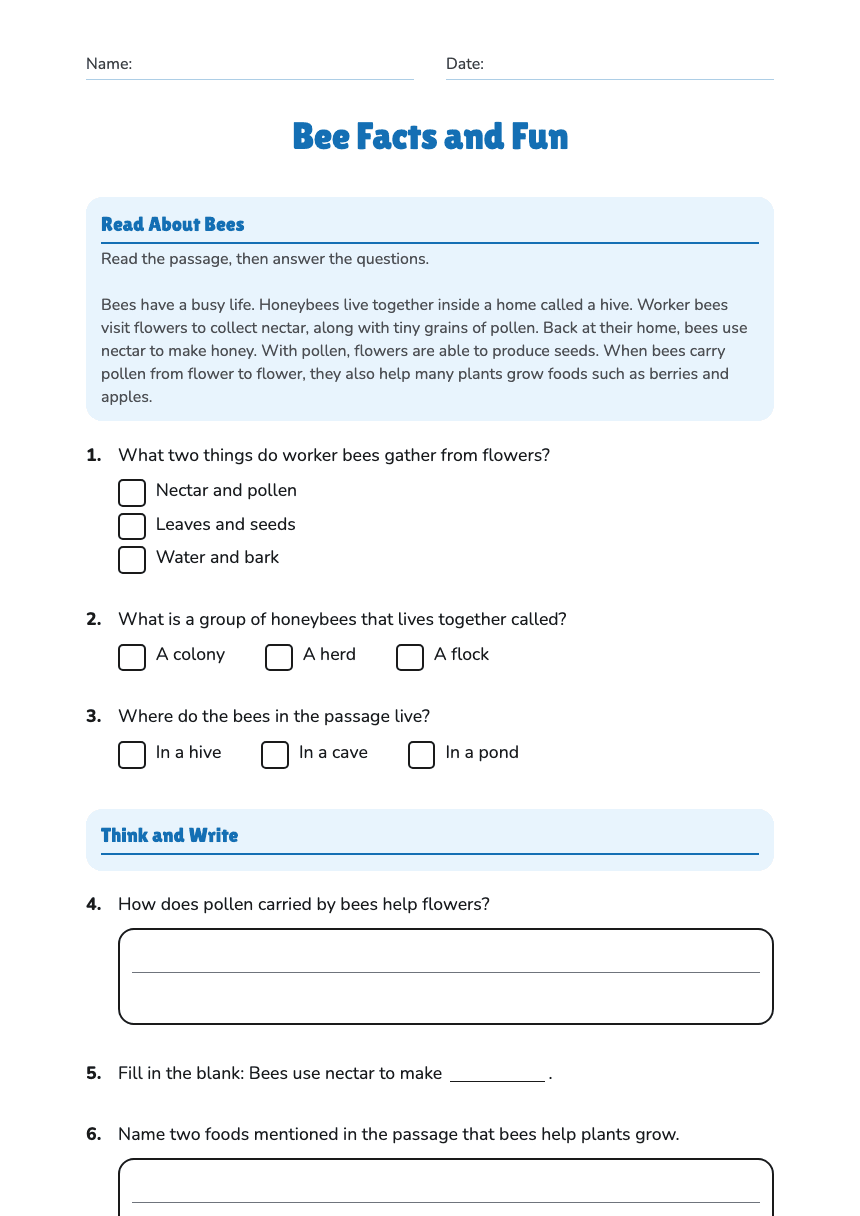
Reading & Writing Worksheets
Create reading comprehension worksheets, writing prompts, grammar exercises, vocabulary activities, and English assessments. Generate materials for all aspects of literacy and language arts instruction.
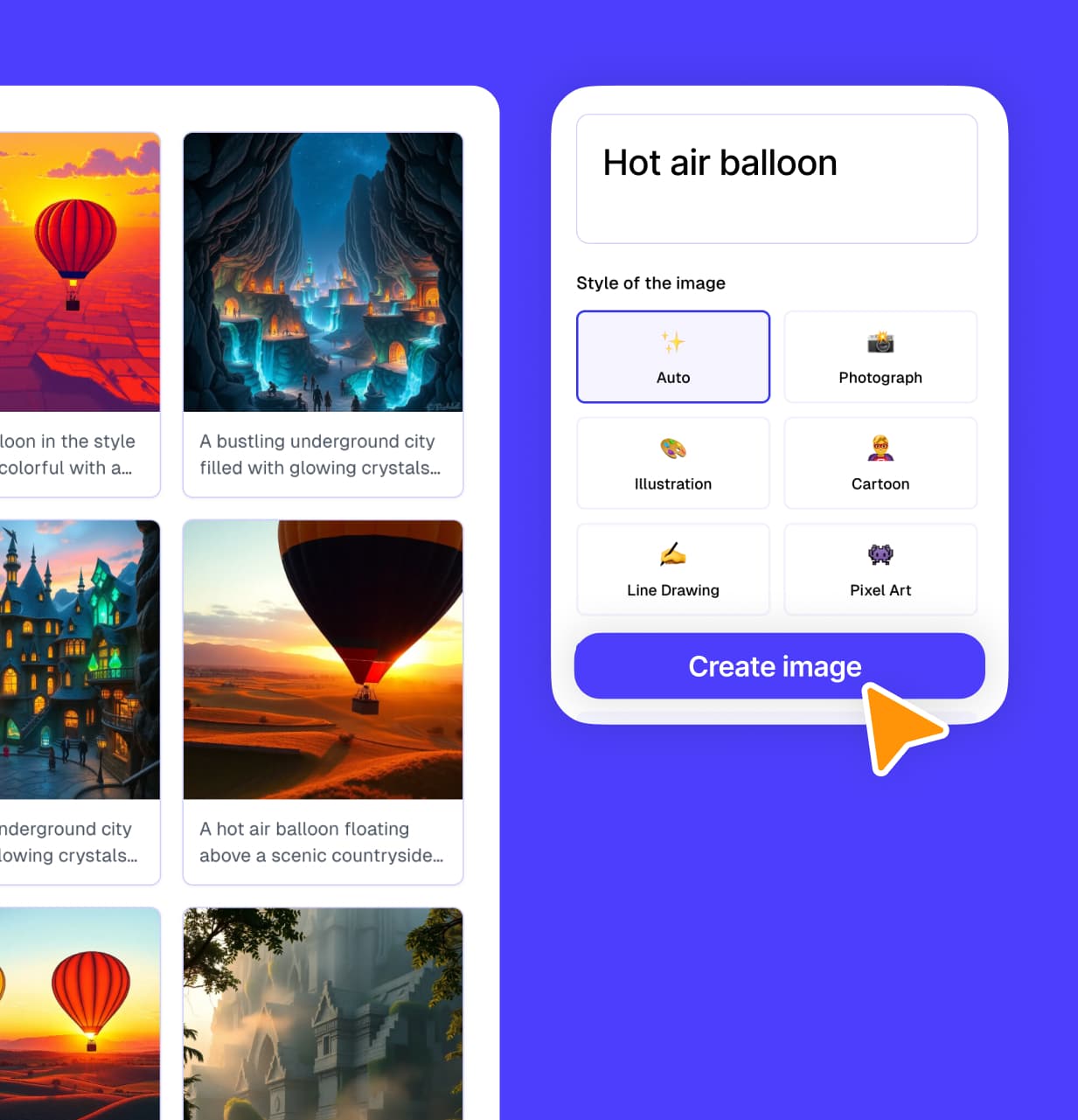
Literary Visuals & Story Illustrations
Generate illustrations for stories, character visuals, setting images, and literary concept diagrams. Create visual aids that help students visualize texts and understand literary elements.
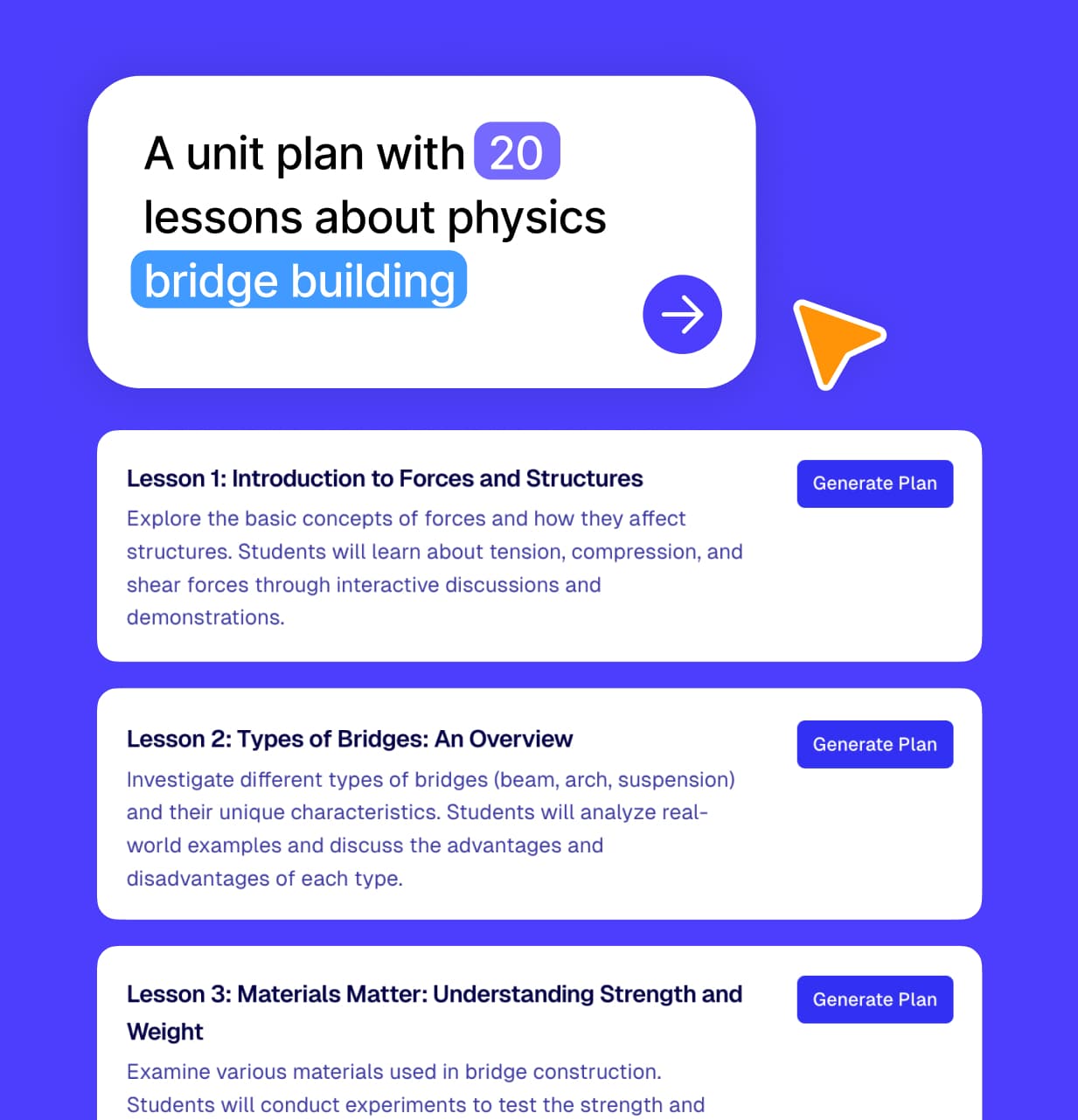
Complete English Unit Plans
Design comprehensive English units covering novels, writing genres, literary periods, or thematic studies. Plan units with progressive skill building, integrated assessments, and cross-curricular connections.
English Teaching Assistant
Get help with English pedagogy, text selection, writing instruction, differentiation strategies, and curriculum questions. Your AI assistant understands English education and can help brainstorm activities and troubleshoot challenges.
English (ELA) Lesson Plan Examples
Explore ready-to-use lesson plans created by english (ela) teachers
Popular Clipart for English (ELA) Teachers
Free printable english (ela) illustrations and diagrams — labelled, classroom-ready, CC BY-NC 4.0
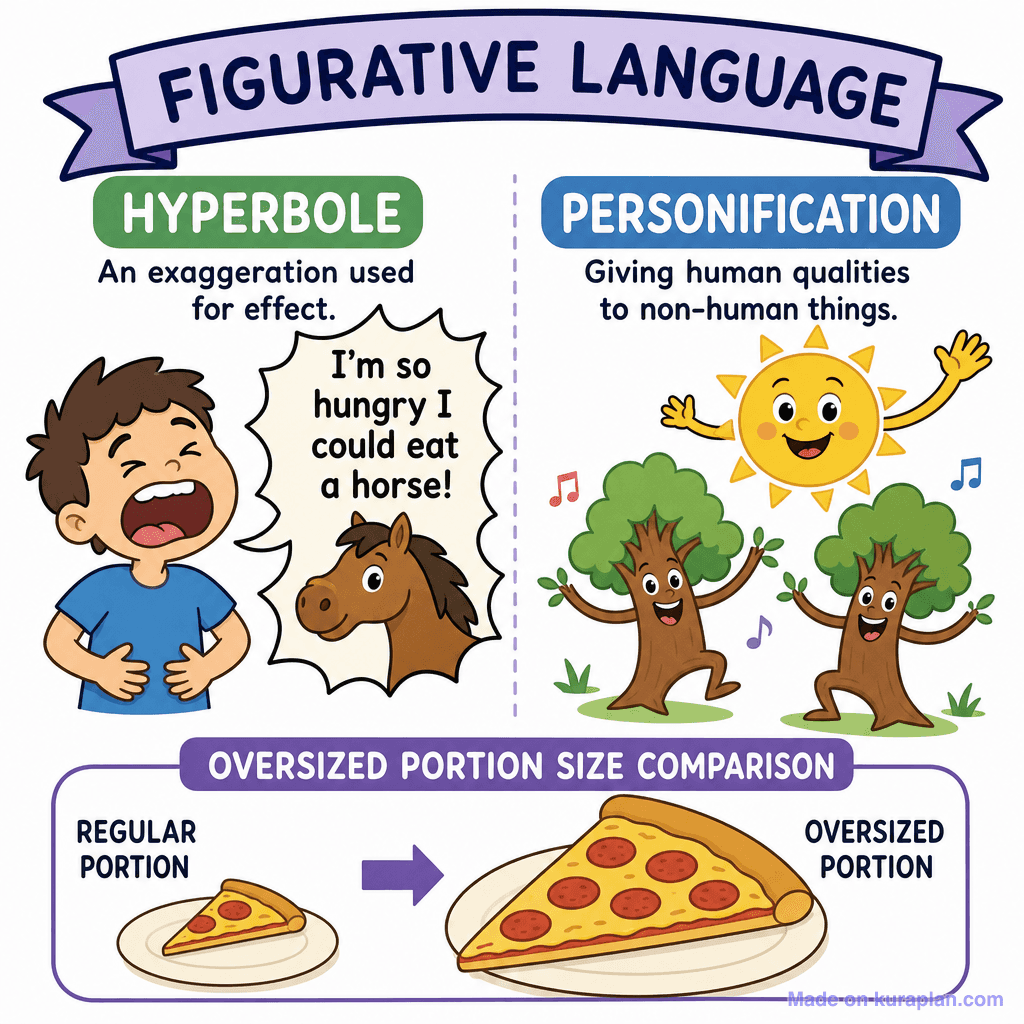
Figurative Language: Hyperbole & Personification (simple)
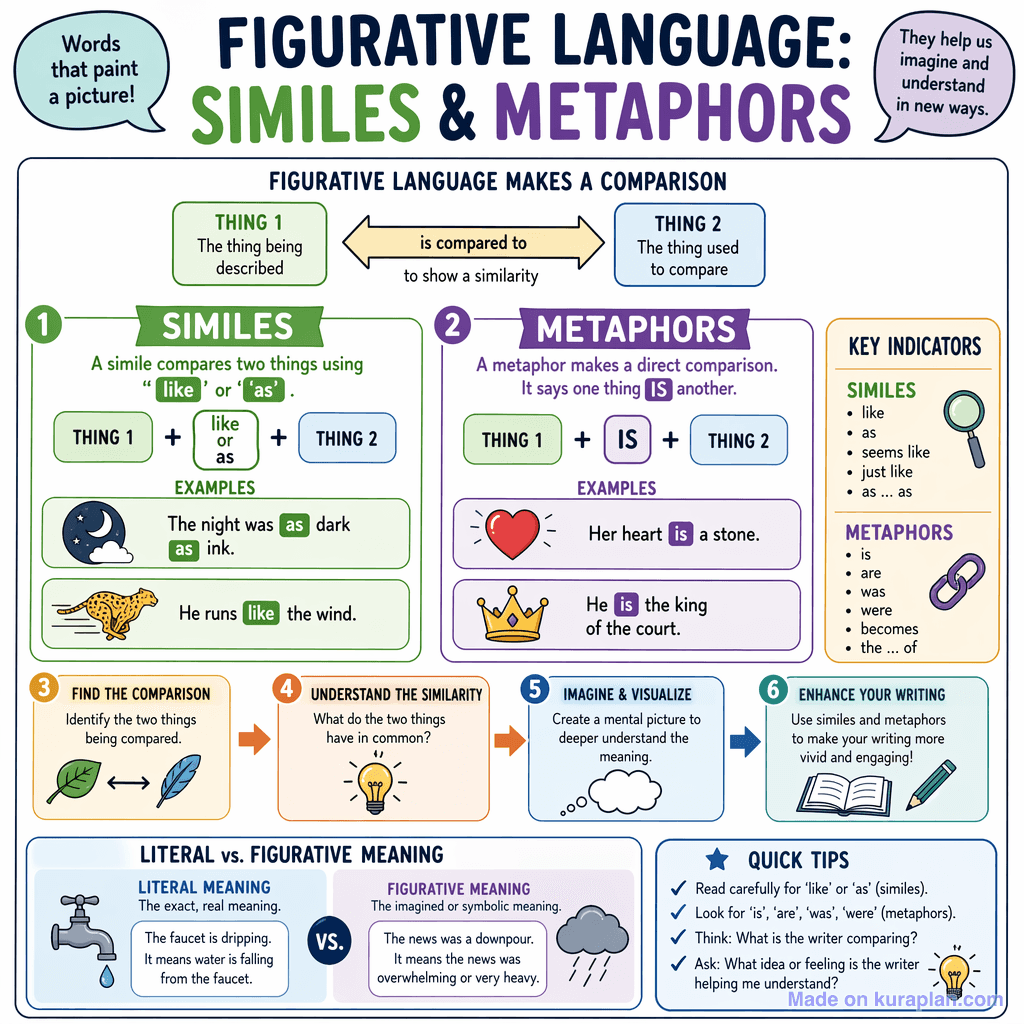
Figurative Language: Similes & Metaphors (detailed)
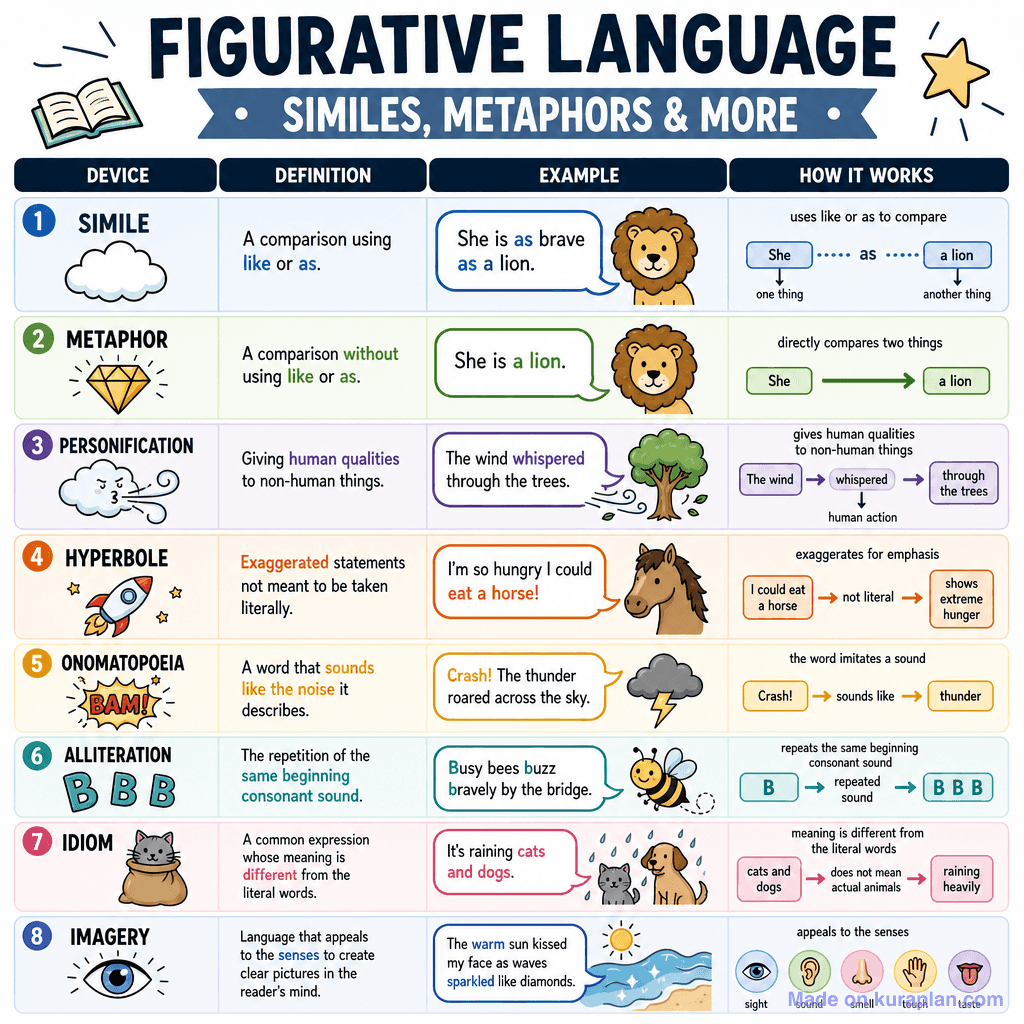
Figurative Language: Similes, Metaphors & More (detailed)
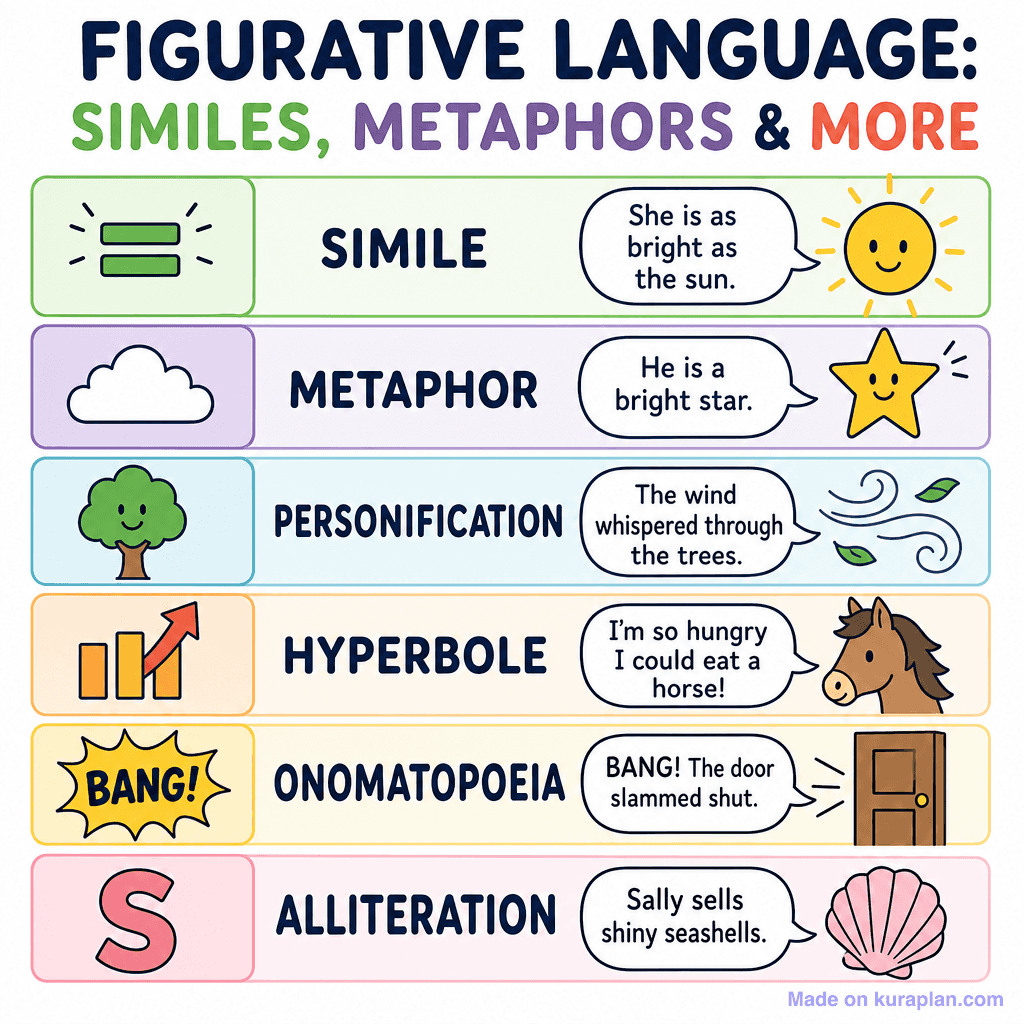
Figurative Language: Similes, Metaphors & More (simple)
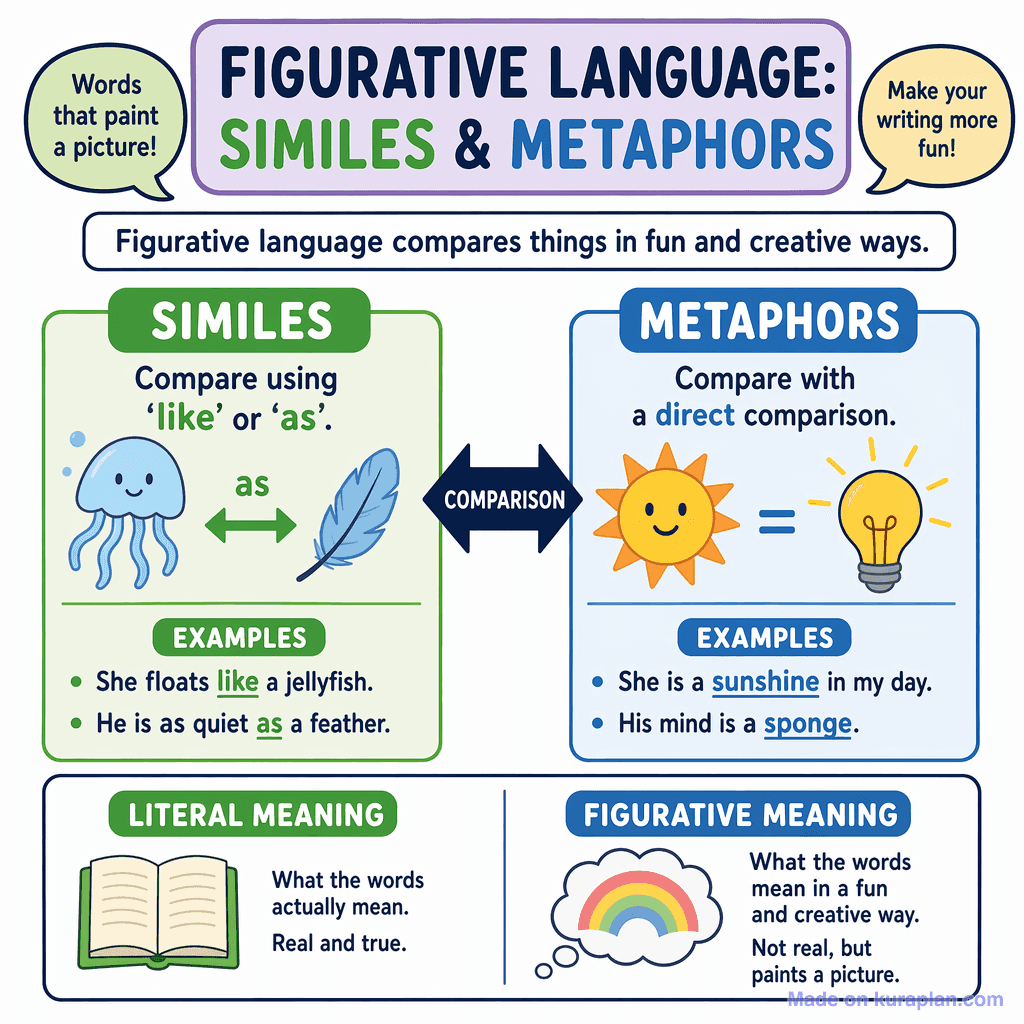
Figurative Language: Similes & Metaphors (simple)
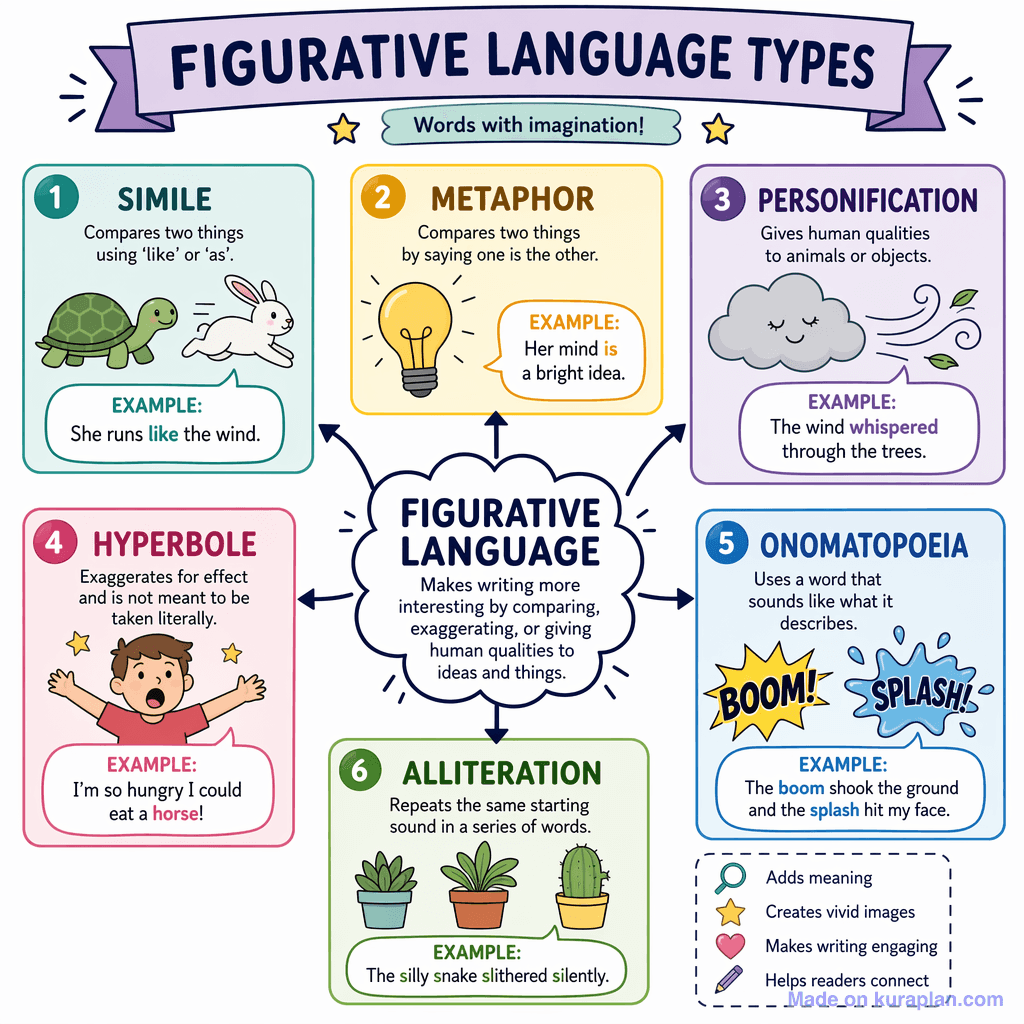
Figurative Language Types (detailed)
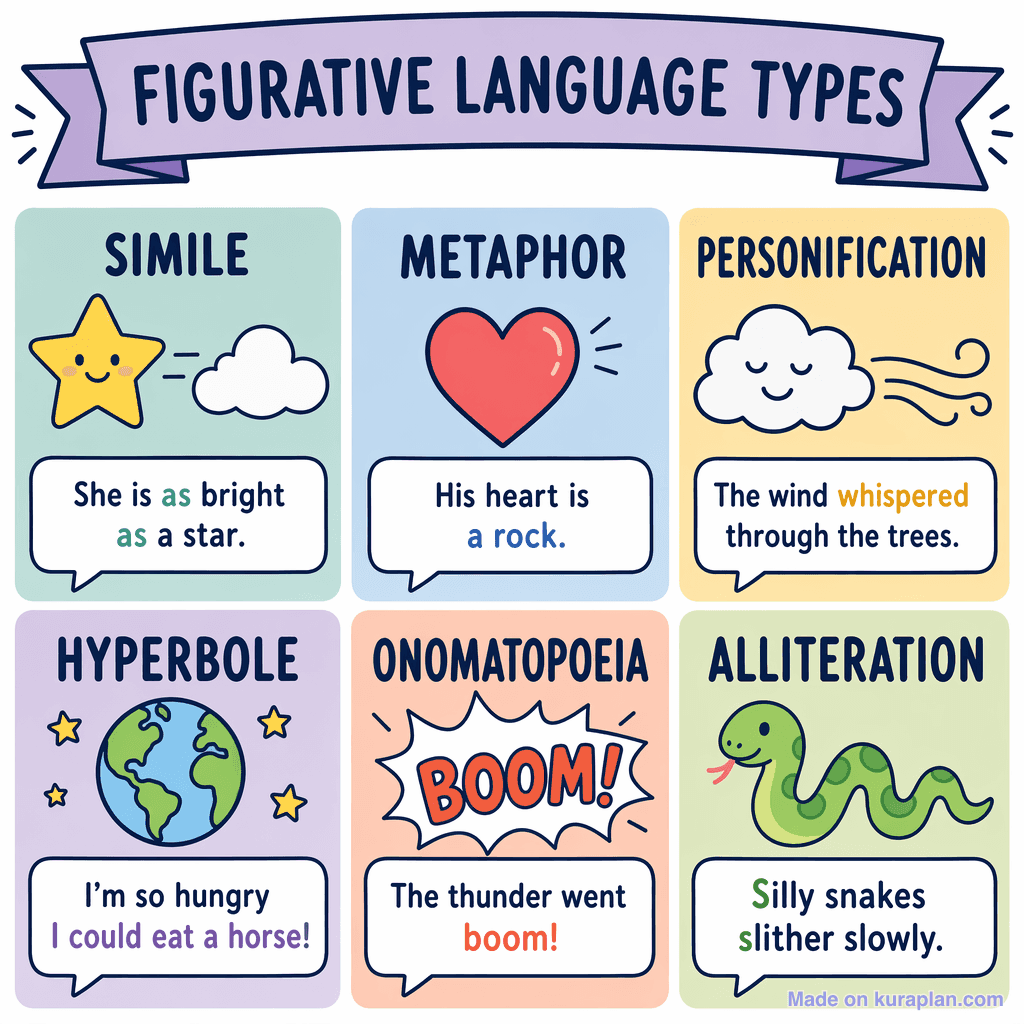
Figurative Language Types (simple)
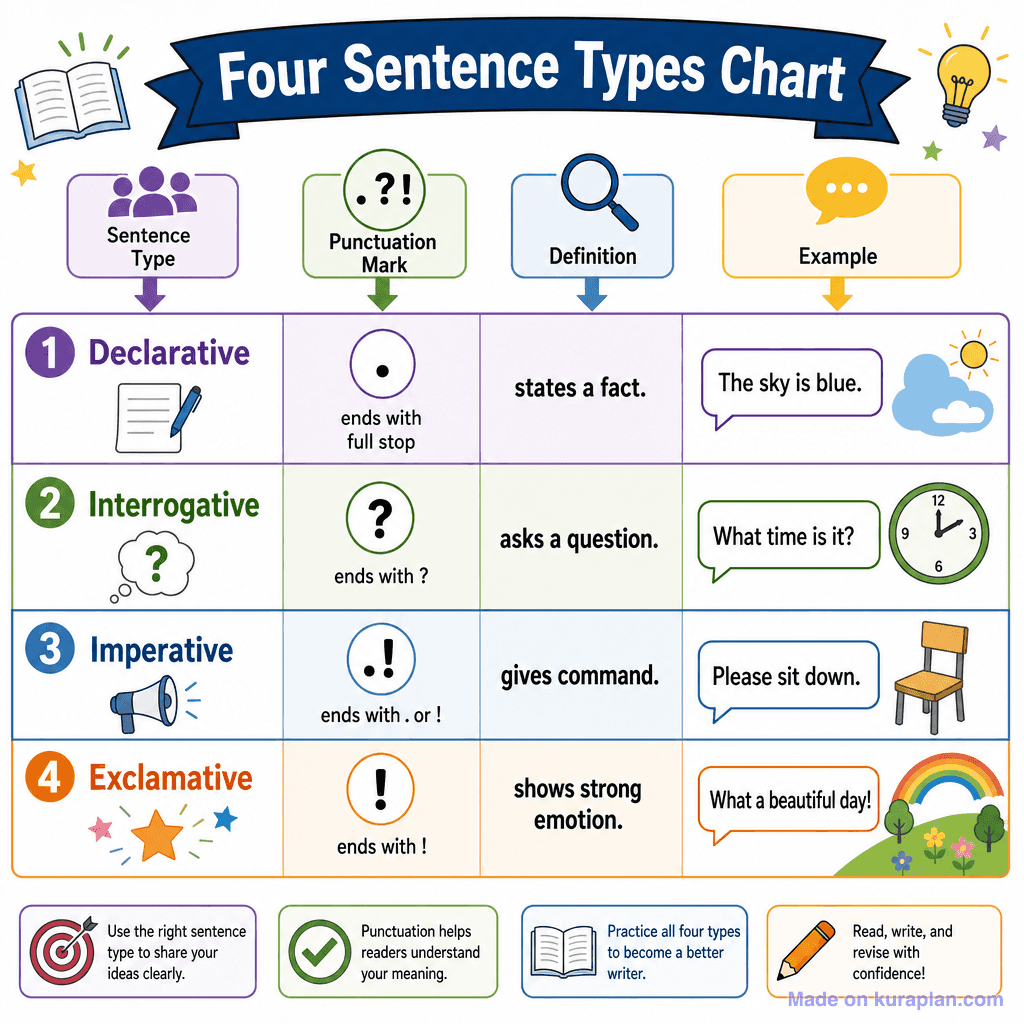
Four Sentence Types Chart (detailed)
Free English (ELA) Worksheets
Ready-to-print worksheets used by english (ela) teachers
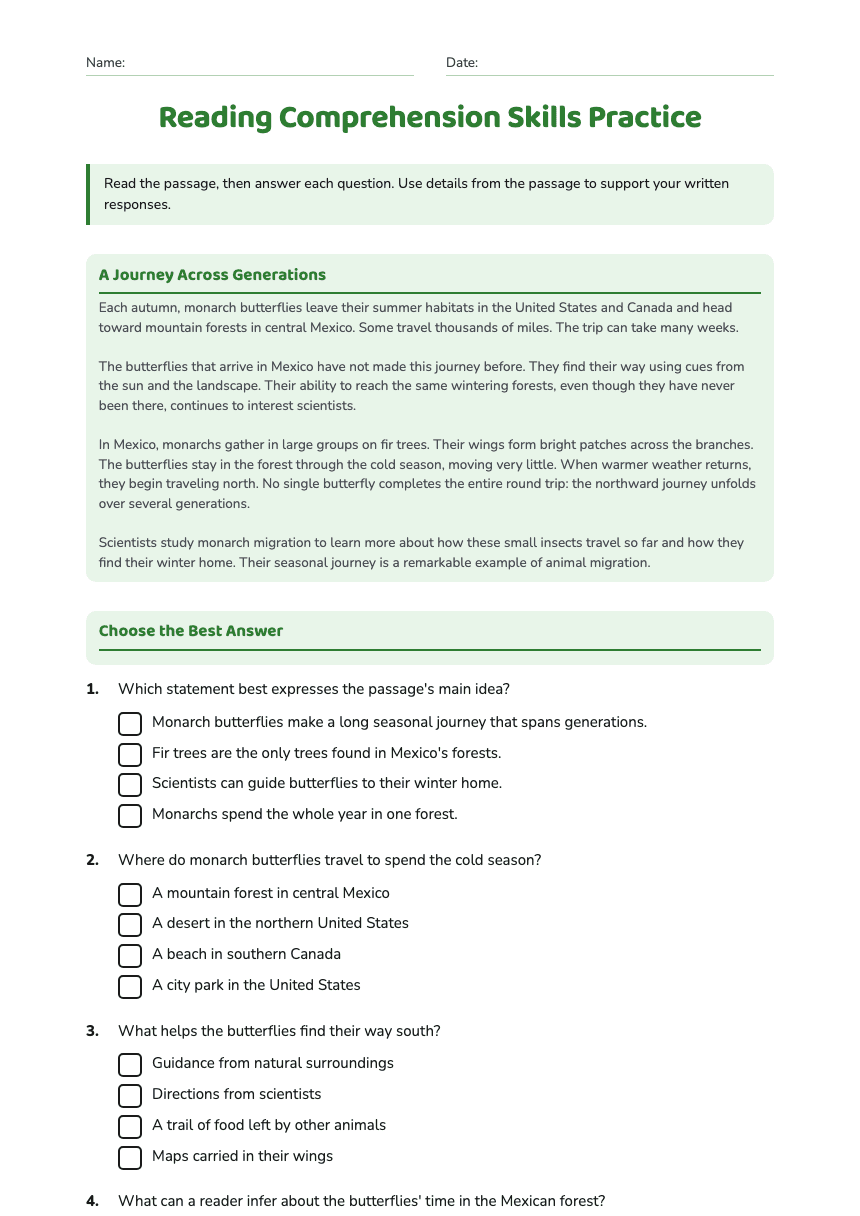
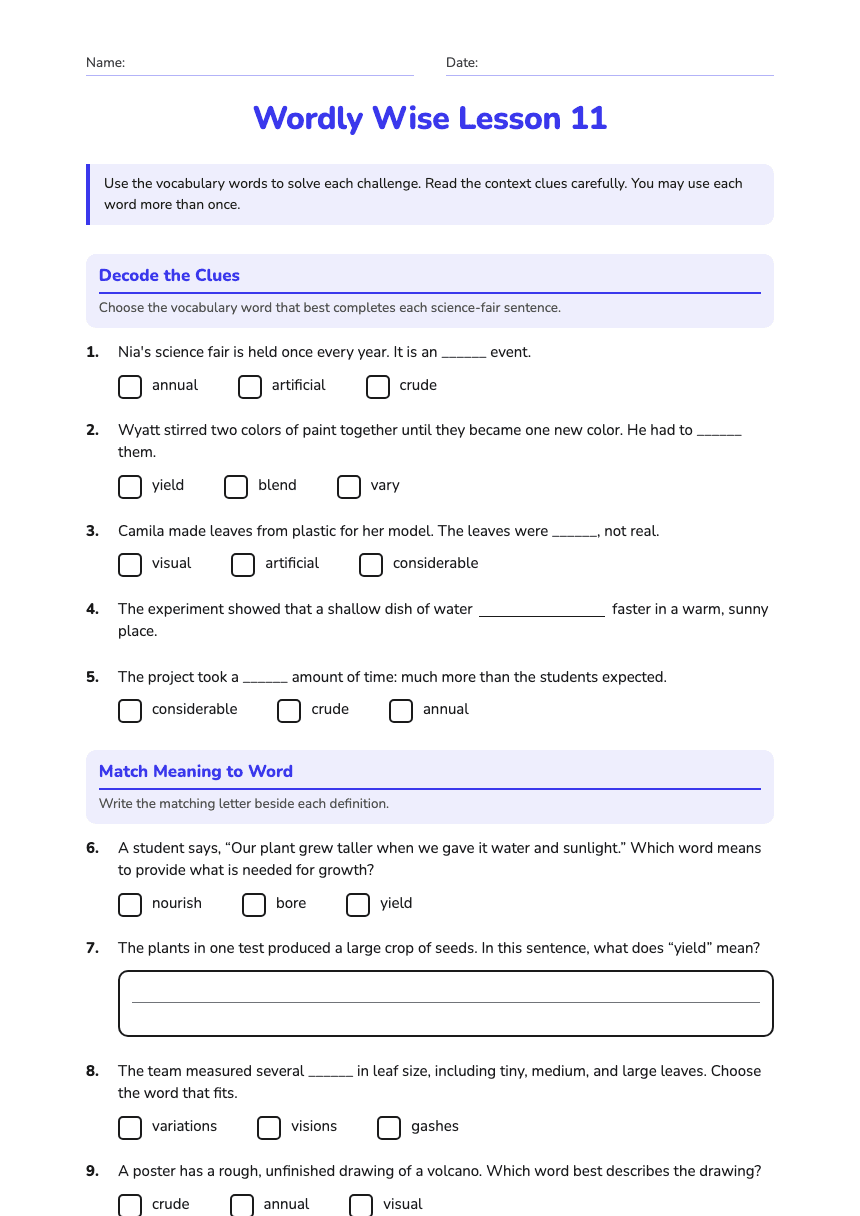

English (ELA) Teaching Slides
Ready-to-teach slide decks aligned to the english (ela) curriculum

Verbals: Gerunds, Participles, and Infinitives

The Night Lincoln Was Assassinated

Cracking the Code: Inferencing with WH Questions

Reading Between the Lines: Making Inferences

Reading Between the Lines: Evidence Detectives

Unlocking Word Meanings with Context Clues

Inventing New Worlds: Fantasy Elements

Phonics Power: Decoding Words Together
Why English Teachers Are Turning to AI
The Complexity of English Language Arts Teaching
English teachers carry one of the heaviest workloads in education. Unlike subjects with definitive right answers, English requires teachers to evaluate student writing—a time-intensive process that demands careful attention to ideas, organization, voice, word choice, sentence fluency, and conventions. A single class set of essays can take hours to assess meaningfully. Add to this the responsibility of planning lessons that address reading comprehension, literary analysis, vocabulary development, grammar instruction, speaking and listening skills, and multiple forms of writing, and it's clear why English teachers often feel overwhelmed by the sheer volume of preparation and grading required.
How AI Supports Literacy Instruction
Artificial intelligence offers English teachers a powerful ally in managing their demanding workload. AI tools designed for English instruction understand the nuances of literacy education—the importance of text complexity, the progression of reading skills, the writing process, and the role of mentor texts in developing student writers. These tools can generate reading comprehension questions at various depths of knowledge, create writing prompts that inspire authentic student voice, and develop vocabulary activities that go beyond simple definitions to build true word knowledge. The result is more engaging instruction created in a fraction of the traditional preparation time.
Differentiated Reading Instruction Made Manageable
Every English classroom contains readers at dramatically different levels—some devouring novels independently while others struggle with grade-level texts. Meeting each student where they are requires differentiated materials, which traditionally meant hours of searching for appropriate texts and creating leveled activities. AI tools can generate reading comprehension questions, discussion prompts, and graphic organizers tailored to different reading levels, all focused on the same themes or skills. This means teachers can maintain a cohesive classroom community while providing each student with appropriately challenging work.
Supporting the Writing Process
Teaching writing is perhaps the most challenging aspect of English instruction. Students need models, practice with specific skills, meaningful feedback, and opportunities to revise—all of which require substantial teacher preparation. AI can generate mentor texts that demonstrate specific writing techniques, create scaffolded writing activities that build skills progressively, and develop rubrics that help students understand expectations. Teachers can generate writing prompts tailored to student interests, create peer editing guides, and design revision checklists—all the tools needed to run an effective writing workshop without spending every evening preparing materials.
Bringing Literature to Life
Great literature teaching goes beyond plot summaries to help students analyze themes, examine author's craft, and connect texts to their own lives and the broader world. AI tools can generate discussion questions that promote deep thinking, create activities that help students examine literary devices, and design projects that allow for creative response to texts. Teachers can quickly generate character analysis frameworks, theme tracking sheets, and comparative literature activities—freeing them to spend class time facilitating the rich discussions that make English class memorable.
Transform Your English Teaching Today
English teachers across grade levels are discovering that AI tools enhance their ability to provide high-quality literacy instruction. By automating the creation of worksheets, discussion questions, writing prompts, and assessments, these tools free teachers to focus on conferencing with student writers, leading text-based discussions, and providing the personalized feedback that helps students grow as readers and writers. Whether you teach elementary reading, middle school language arts, or high school English, AI-powered tools can help you create more engaging lessons, differentiate more effectively, and finally achieve a sustainable work-life balance. The best English teachers have always been those who inspire a love of reading and writing—and AI tools help you spend more time doing exactly that.
Create your own english ELA lesson in seconds
Kuraplan's AI builds curriculum-aligned lessons, worksheets and slides - free to try.