FreePrintable

Bulibasha Vocabulary and Comprehension

A free, printable general worksheet ready for your classroom. Download instantly, print, and hand out to your students — no account needed.
Bulibasha Vocabulary and Comprehension worksheet preview
Bulibasha Vocabulary and Comprehension

Bulibasha Vocabulary and Comprehension

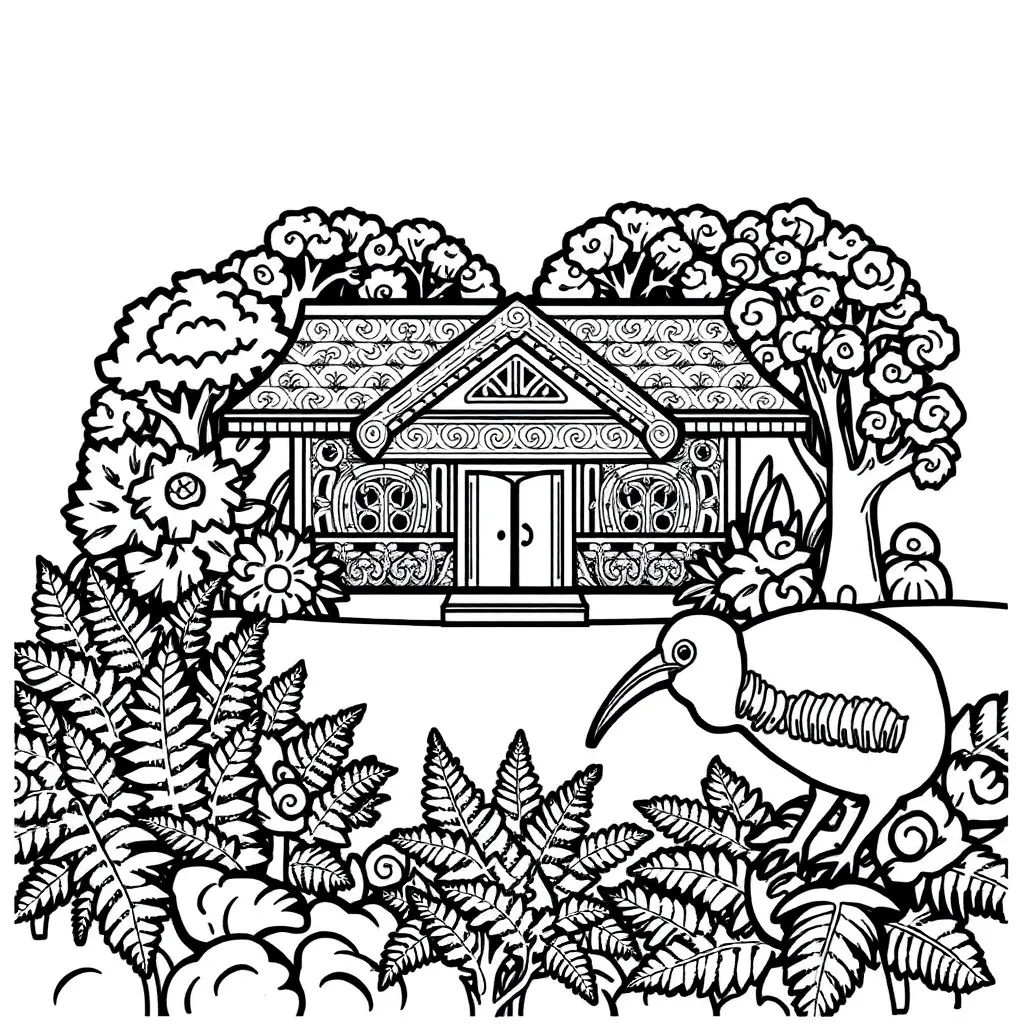
Bulibasha novel cover illustration

📚 Part 1: Vocabulary in Context

1. Define the following words as they are used in chapters 6-10 of Bulibasha:

a) Patriarch:

b) Whānau:

c) Mana:

d) Tangihanga:

2. Choose the best definition for "bulibasha" as used in the novel:

A type of traditional Māori food

The boss or leader of a group

A sacred Māori ceremony

A traditional Māori weapon

🔍 Part 2: Character Analysis

3. How does the narrator's relationship with his grandfather evolve in chapters 6-10? Provide specific examples from the text.
4. Which of the following themes are explored in chapters 6-10? (Select all that apply)

Cultural identity and tradition

Intergenerational conflict

The impact of modernisation on Māori communities

Environmental conservation

Family loyalty and responsibility

Economic inequality

📖 Part 3: Comprehension Questions

5. What significant event occurs in chapter 7 that changes the family dynamics?
6. How does Ihimaera use symbolism in these chapters? Discuss at least two examples.
7. Fill in the blanks with appropriate words from the text:

The grandfather's role as the ____________ of the family is challenged when the younger generation begins to question traditional ____________. This conflict represents the broader struggle between ____________ values and modern ____________ influences.

🎭 Part 4: Literary Techniques

8. Match the literary technique with its example from chapters 6-10:
1. Metaphor
2. Flashback
3. Dialogue
4. Imagery
A. Conversations revealing character relationships
B. Vivid descriptions of the rural landscape
C. Memories of the grandfather's youth
D. Comparing the grandfather to a mighty tree
9. Analyse how Ihimaera's narrative style contributes to the reader's understanding of Māori culture. Consider his use of language, structure, and cultural references.

💭 Part 5: Critical Thinking

10. In your opinion, what is the most significant moment in chapters 6-10? Explain your choice and discuss its impact on the overall narrative.
11. How do the events in these chapters reflect broader issues facing indigenous communities in New Zealand? Support your answer with specific textual evidence.

About This Worksheet

Free Download

No sign-up, no email, no paywall. Just download and print.

Print-Ready

Formatted for standard paper. Clean layout, easy to read.

AI-Generated

Created with Kuraplan's AI, designed for real classroom use.

For Teachers & Parents

Use in classrooms, for homework, tutoring, or homeschool.

Need a custom version of this worksheet?

Kuraplan's AI generates custom worksheets in seconds — differentiated for every learner, aligned to your curriculum.

Generate Custom Worksheets — Free
No credit card Curriculum-aligned Under 60 seconds