
Expressive Movement Mastery for Drama
Year 10 Drama Lesson 2 of 30 Body Awareness and Control

Learning Objectives
Demonstrate enhanced body awareness through controlled movement Express emotions physically without voice Manipulate gestures and posture to communicate character mood Reflect on how physicality influences audience interpretation
:max_bytes(150000):strip_icc()/Square_Crop-About-5-1231273-Squat-Jumps01-084-0db64a10ce2b43a188262e3c4c0b7449.jpg)
Warm-up: Body Awareness
Gentle full-body stretching with breathing focus Eyes closed sensory awareness exercise Basic body isolations (head, shoulders, ribs, hips) Mind-body connection emphasis
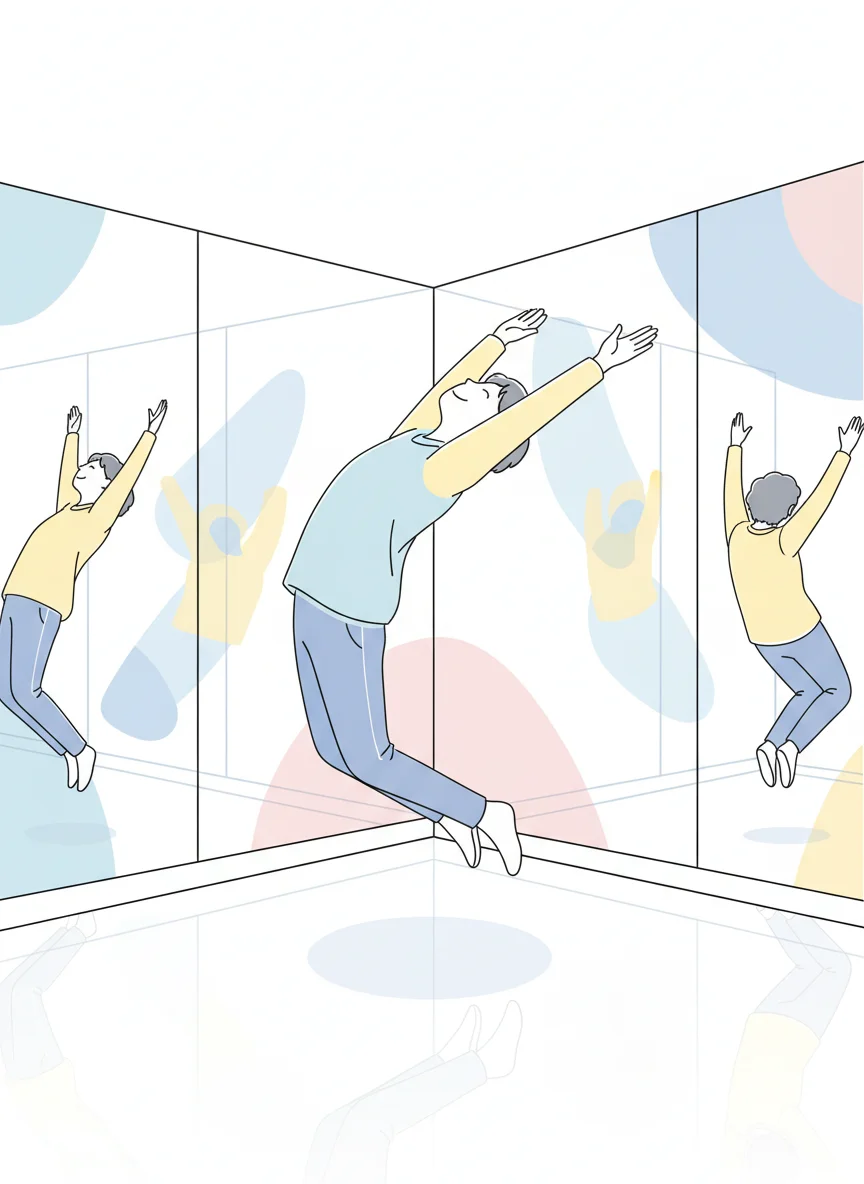
Movement and Emotion Connection
Music triggers different emotional responses Physical expression without voice Controlled movement over sudden gestures Smooth transitions between emotions

Partner Exercise: Mirroring
{"left":"Leader guides slow, controlled movements\nFollower mirrors gestures precisely","right":"Changes in speed, tension, and level\nDevelops kinaesthetic awareness and empathy"}

Reflection Question
How does controlling your movements affect your ability to express emotions? What movements help audiences understand character emotions? How might body awareness help in future drama work?
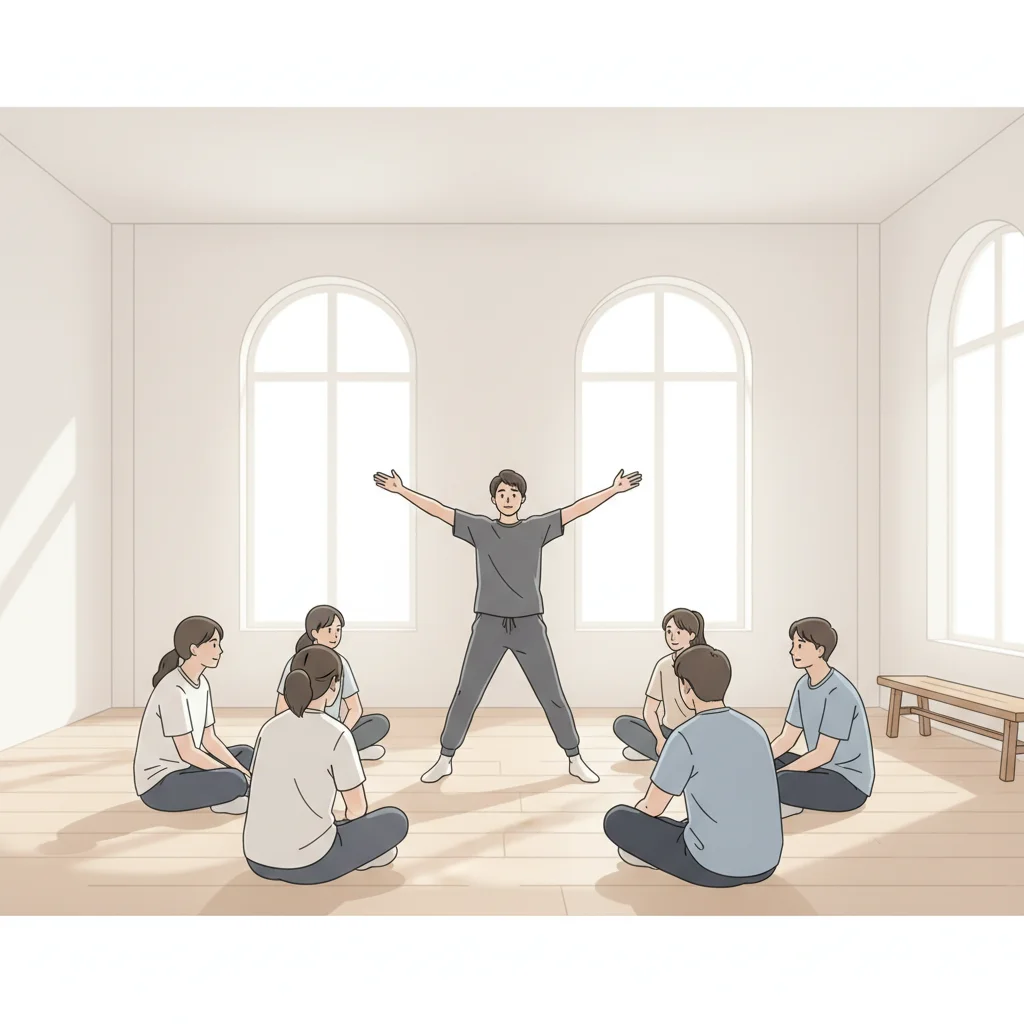
Individual Character Movement
Choose an emotion or character trait 1-2 minute physical monologue Use posture, speed, direction, tension changes Volunteers perform for class feedback

Key Takeaways
Body awareness enhances dramatic expression Controlled movement communicates more effectively Physical choices shape audience interpretation Movement skills support all future drama work
More Drama slide decks
Other ready-to-teach drama decks for Australian classrooms.