
Persuasive Writing Through Roller Coaster Design
Year 5 English/Language Arts Learning to persuade through creative design 90-minute lesson
WALT: We Are Learning To
Identify critical components of persuasive writing Analyse advertisements for persuasive techniques Design a creative roller coaster Write persuasively about our design
What Makes Writing Persuasive?
Strong opening statement or hook Clear reasons and evidence Emotional language that connects with readers Call to action - what do you want readers to do? Addressing the audience directly
Advertisement Analysis - Working Together
Read Advertisement 1 as a class Highlight persuasive techniques we find Fill in our analysis chart together Look for: hook, reasons, emotional words, call to action
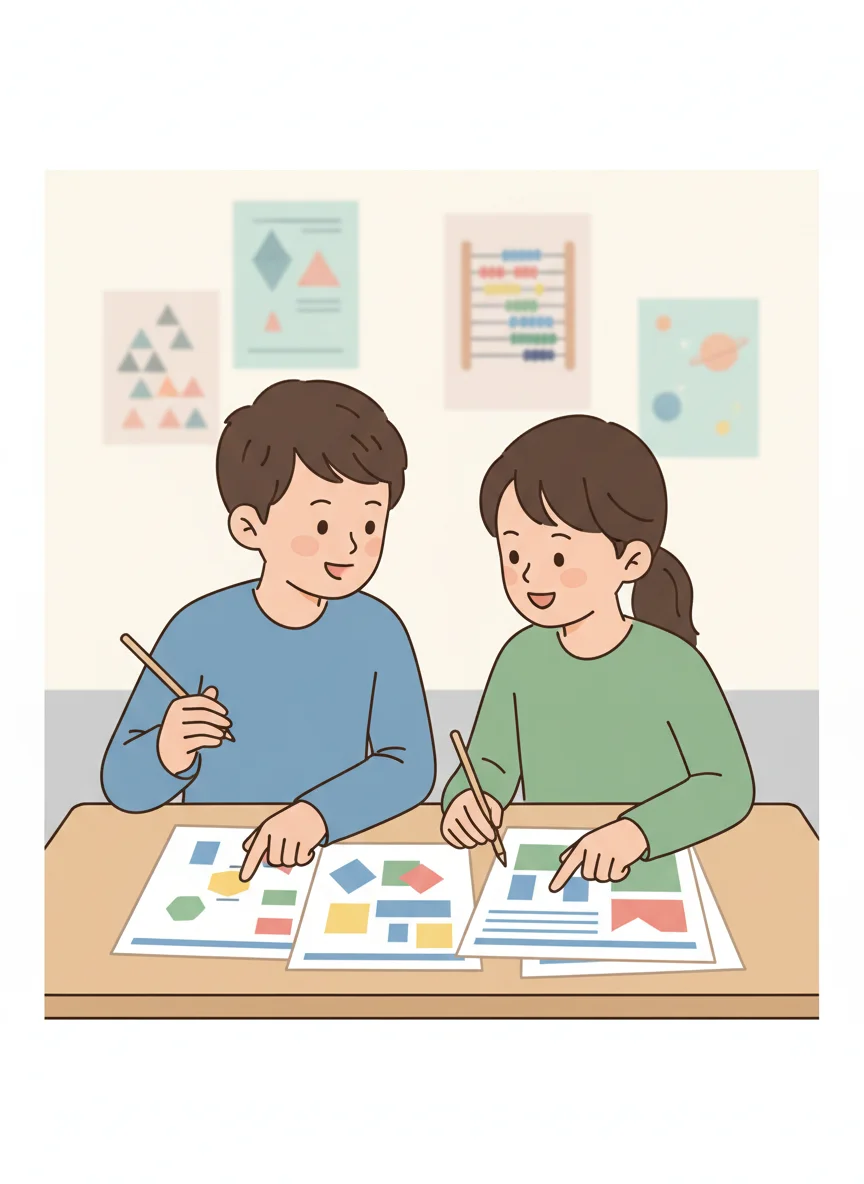
Partner Practice Time
Work with your partner on Advertisement 2 Take turns reading sections aloud Discuss what persuasive techniques you notice Complete the analysis chart together Be ready to share one technique you found
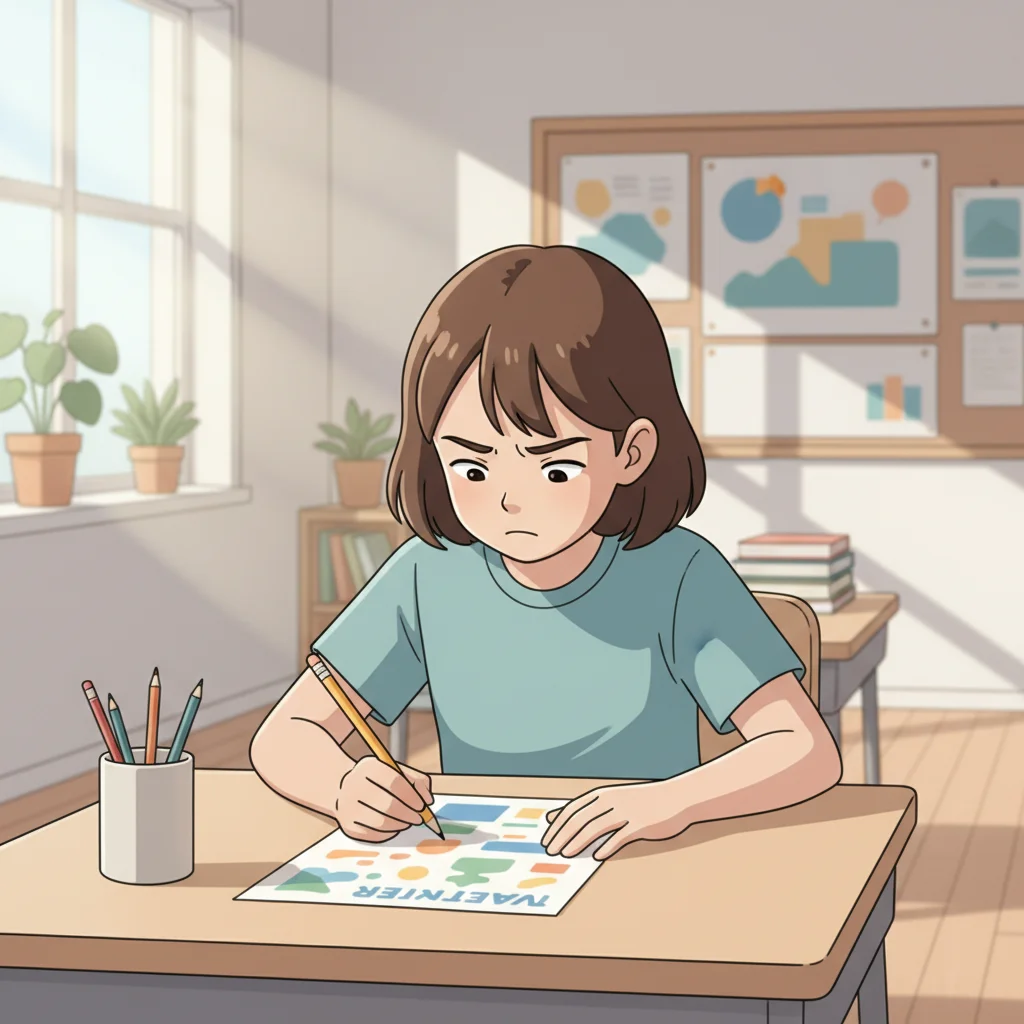
Independent Challenge
Now it's your turn to work independently! Analyse Advertisement 3 on your own Can you find all the persuasive techniques? Which advertisement was most convincing and why?
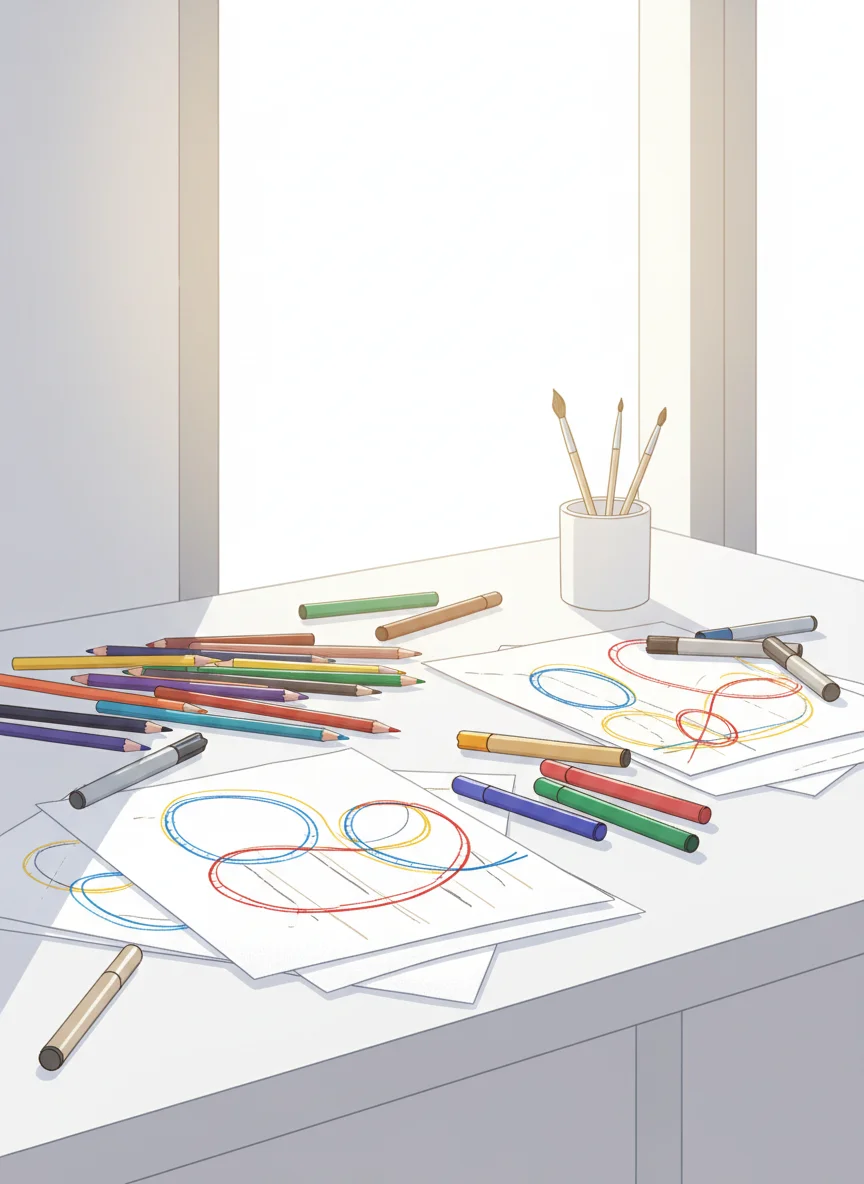
Dream Roller Coaster Design Challenge
You are now roller coaster designers! Brainstorm your dream coaster ideas Think about: theme, special features, target audience Share ideas with a partner before designing
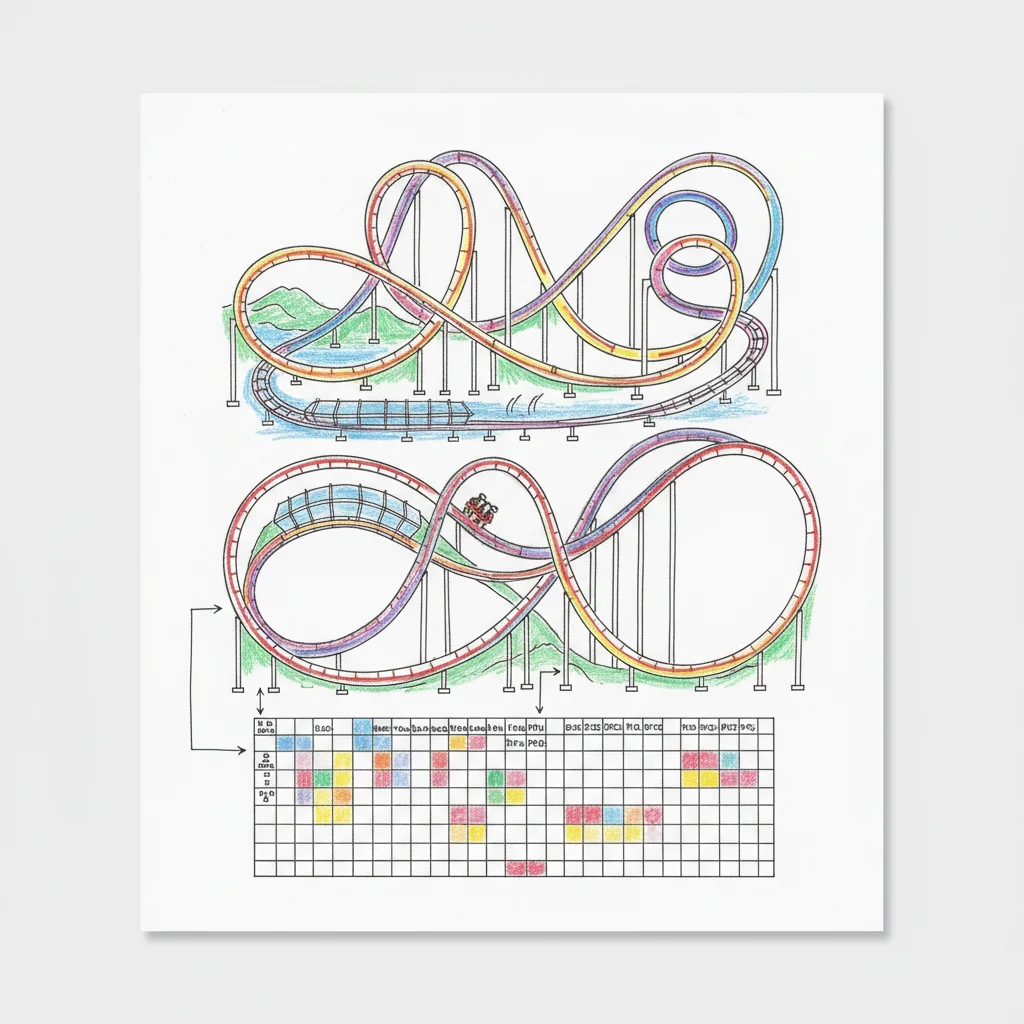
Design and Label Your Coaster
Sketch your roller coaster design Add labels for special features Include: name, theme, key attractions Fill in the planning chart at the bottom Think about WHO you want to ride your coaster
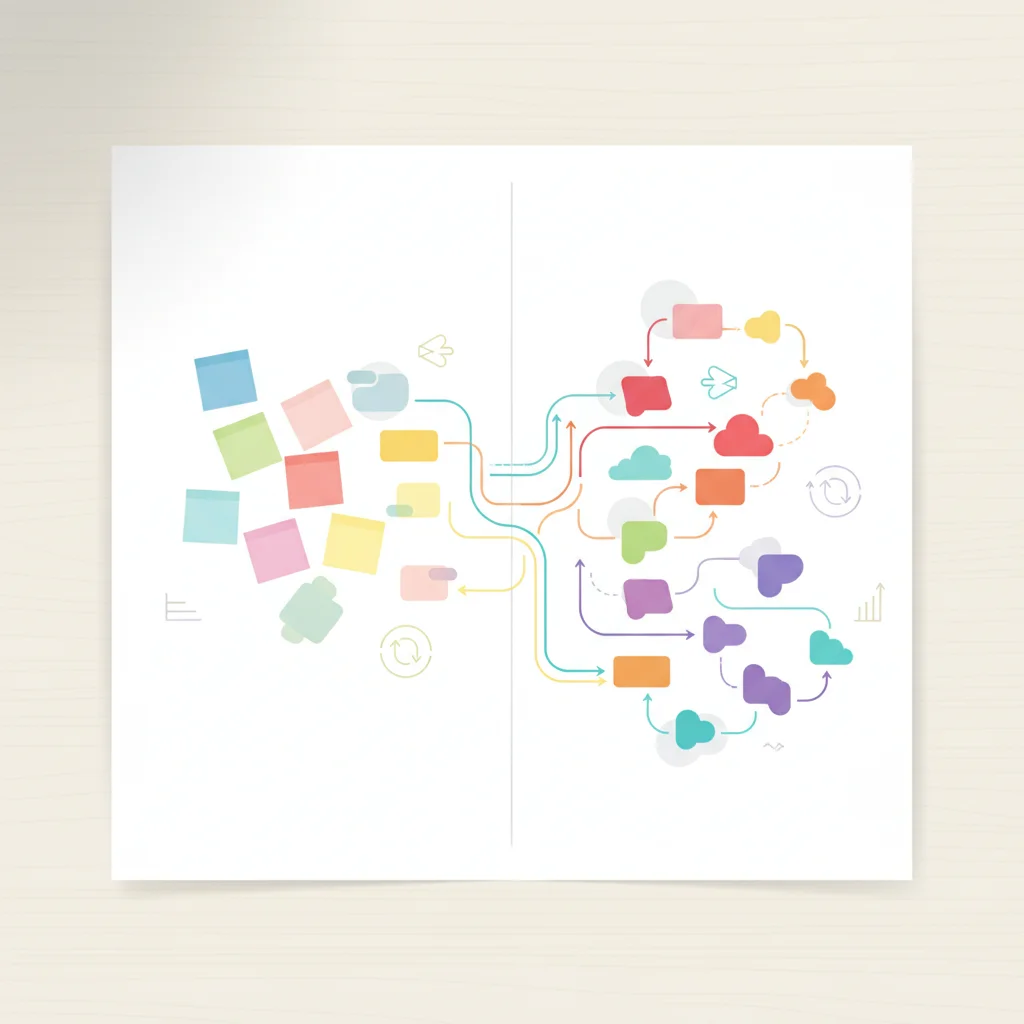
Planning Your Persuasive Pitch
{"left":"What makes your coaster special?\nWho is your target audience?\nWhat exciting features will you highlight?","right":"What emotions do you want riders to feel?\nWhy should people choose YOUR coaster?\nWhat's your call to action?"}
Remember: Great Persuasive Writing...
"Grabs attention, gives strong reasons, connects with emotions, and tells readers exactly what to do!"
More English/Language Arts slide decks
Other ready-to-teach english/language arts decks for Australian classrooms.

Rhythmic Storytelling Journey for Year 6
Rhythmic Storytelling Journey for Year 6

Learning About Stagnant: Grade 3
Learning About Stagnant: Grade 3

Learning the Word "Haggard" Together
Learning the Word "Haggard" Together