
Workforce Management Strategies for Productivity
Year 10 Business Studies Understanding how businesses manage their workforce effectively Learning to explain processes that improve productivity

What is Workforce Management?
Think about your part-time job or a business you've visited What do you think managers need to consider when organizing their staff? How might poor staff management affect a business?
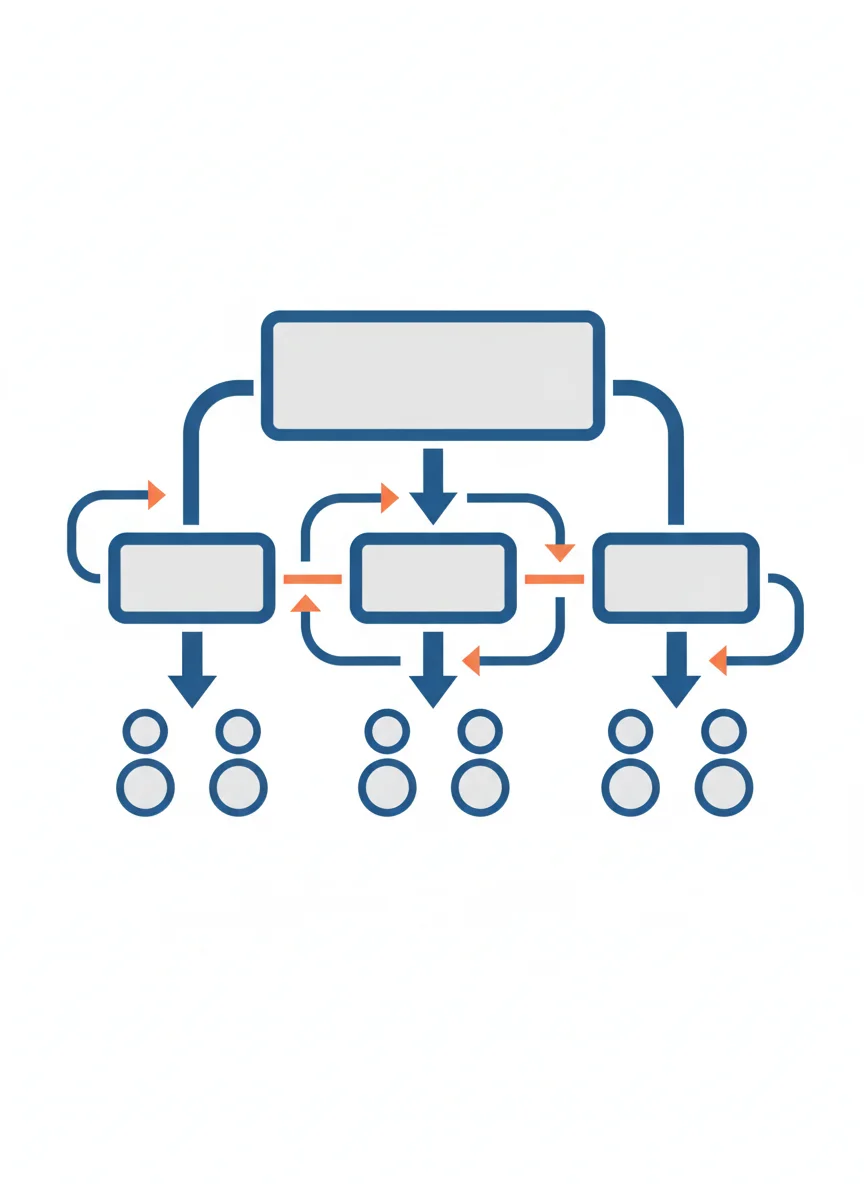
Defining Workforce Management
Workforce management = organizing, supporting and monitoring employees Ensures work is completed efficiently Involves planning, scheduling, and developing staff Goal: Match the right people with the right tasks at the right time

Four Key Workforce Management Strategies
{"left":"Forecasting and Scheduling Staff\nTraining and Development","right":"Employee Engagement\nTechnology Systems"}

Strategy 1: Forecasting and Scheduling Staff
Predicting how many workers are needed Organizing shifts based on busy and quiet periods Prevents understaffing and overstaffing Example: More retail staff during Christmas shopping season

Workforce Strategy Analysis
Choose TWO strategies from our list For each strategy, explain how it improves productivity Provide a real-world business example Share your examples with a partner and discuss

Training, Engagement & Technology
Training and Development: Teaching new skills, reducing mistakes Employee Engagement: Keeping workers motivated through rewards and feedback Technology Systems: Software for scheduling, tracking hours, monitoring performance All strategies work together to boost productivity

Real-World Application
Think of a business you know well (local café, supermarket, etc.) How do they use workforce management effectively? What challenges might they face? How could they improve their workforce management?
More Business Studies slide decks
Other ready-to-teach business studies decks for Australian classrooms.

Evaluating Workforce Management Decisions
Evaluating Workforce Management Decisions

Workforce Processes: Boosting Business Performance
Workforce Processes: Boosting Business Performance

Managing People for Business Success