Email Structure Sorting Practice
A free english worksheet ready for your classroom. Open in Kuraplan to grab the print-ready PDF, customize it for your students, or generate a fresh version in seconds.
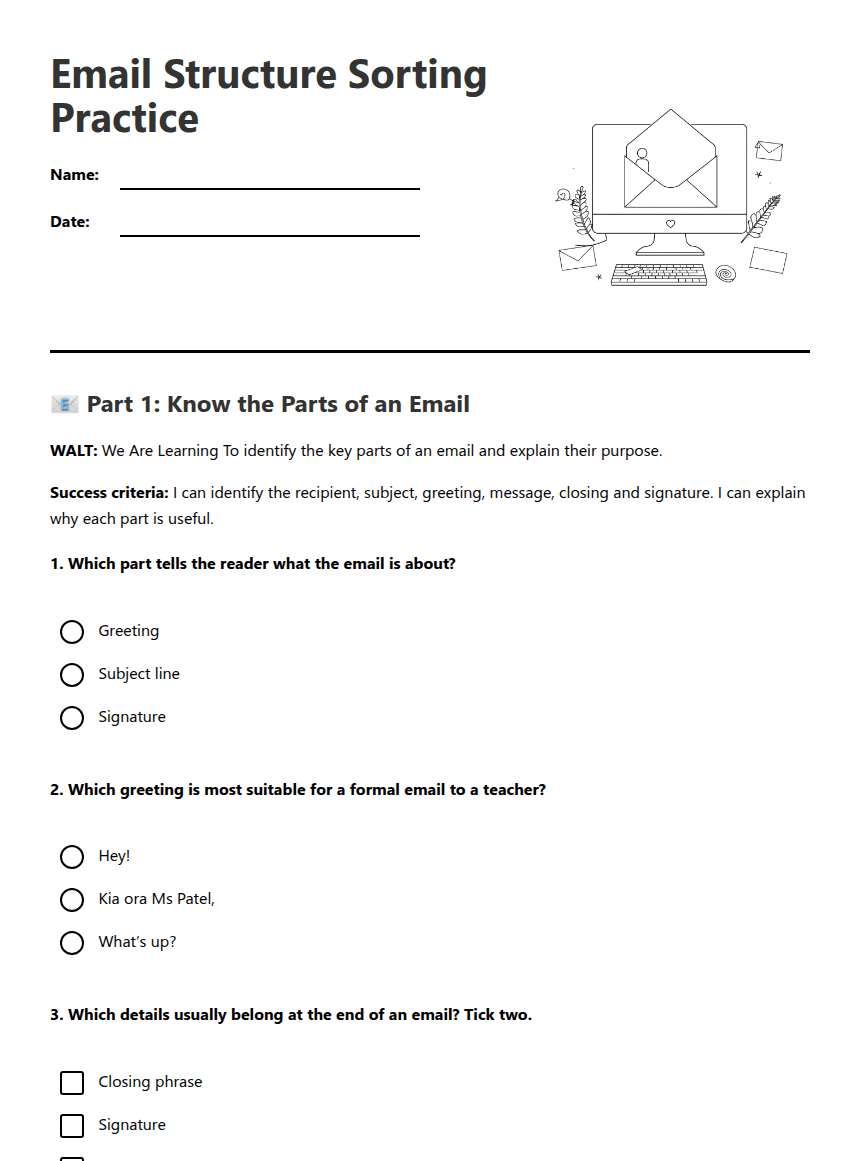
Email Structure Sorting Practice

📧 Part 1: Know the Parts of an Email
WALT: We Are Learning To identify the key parts of an email and explain their purpose.
Success criteria: I can identify the recipient, subject, greeting, message, closing and signature. I can explain why each part is useful.
🔀 Part 2: Arrange and Match
WALT: We Are Learning To organise an email in a logical order.
Success criteria: I can put the parts of an email in the correct order and match each part to its purpose.
✏️ Part 3: Apply Your Knowledge
WALT: We Are Learning To use email structure and an appropriate tone.
Success criteria: I can write a clear subject line, use a polite tone and organise my ideas into paragraphs.
Support and Extension
Differentiation: Use the word bank: recipient, subject, greeting, opening, message, closing, signature, attachment. Work with a partner, colour-code each email part, or use sentence starters such as “Kia ora …” and “I am writing to …”.
Extension: Add a suitable attachment note and rewrite the email for a different audience, such as a close friend. Explain how your tone and word choices changed.
About This Worksheet
Free in Kuraplan
Sign up free, grab the PDF, and customize it for your class.
Print-Ready
Formatted for standard paper. Clean layout, easy to read.
AI-Generated
Created with Kuraplan's AI, designed for real classroom use.
For Teachers & Parents
Use in classrooms, for homework, tutoring, or homeschool.
Need a custom version of this worksheet?
Kuraplan's AI generates custom worksheets in seconds — differentiated for every learner, aligned to your curriculum.
Generate Custom Worksheets — FreeMore English Worksheets
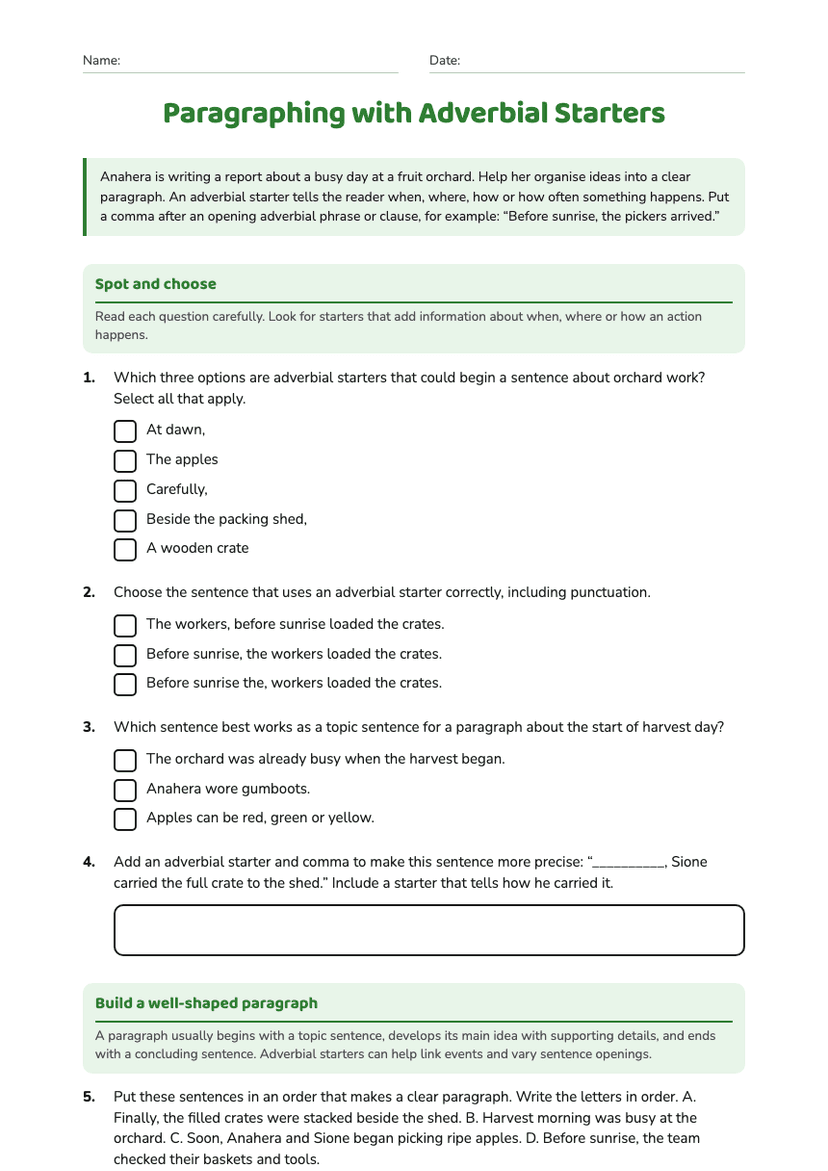
Paragraphing with Adverbial Starters
Free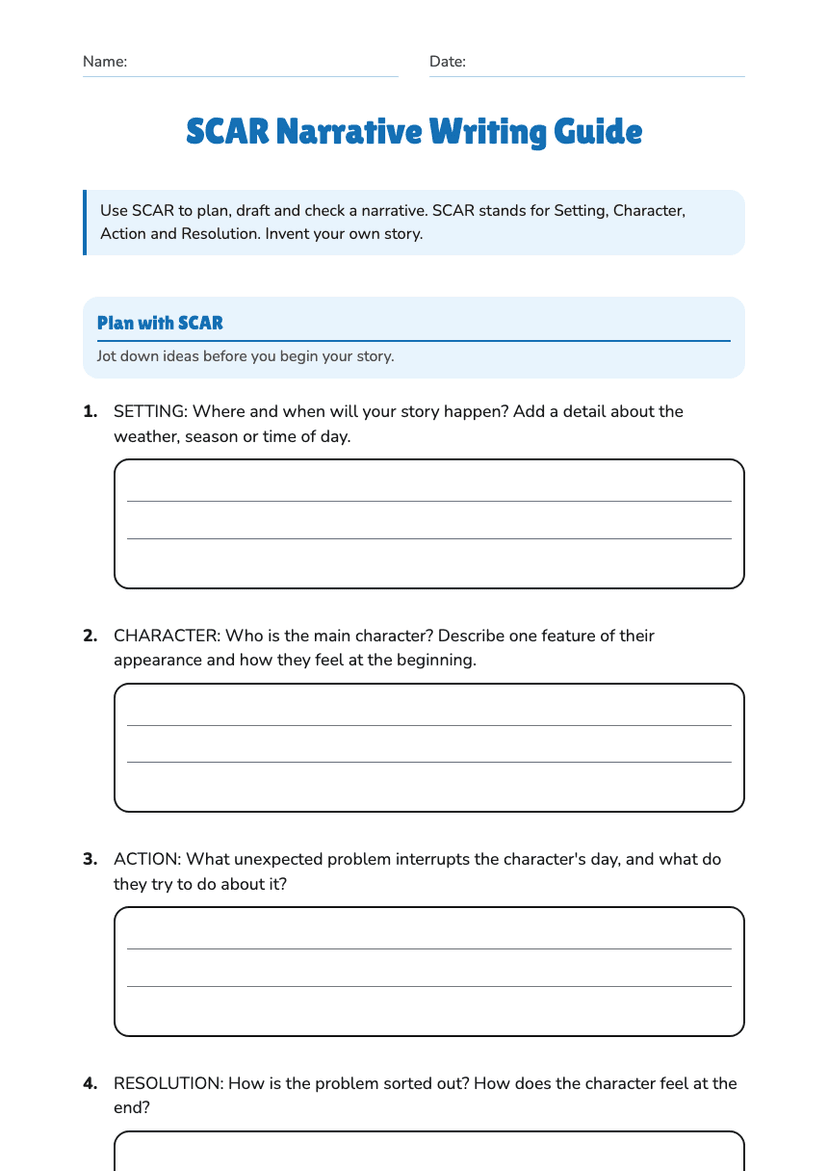
SCAR Narrative Writing Guide
Free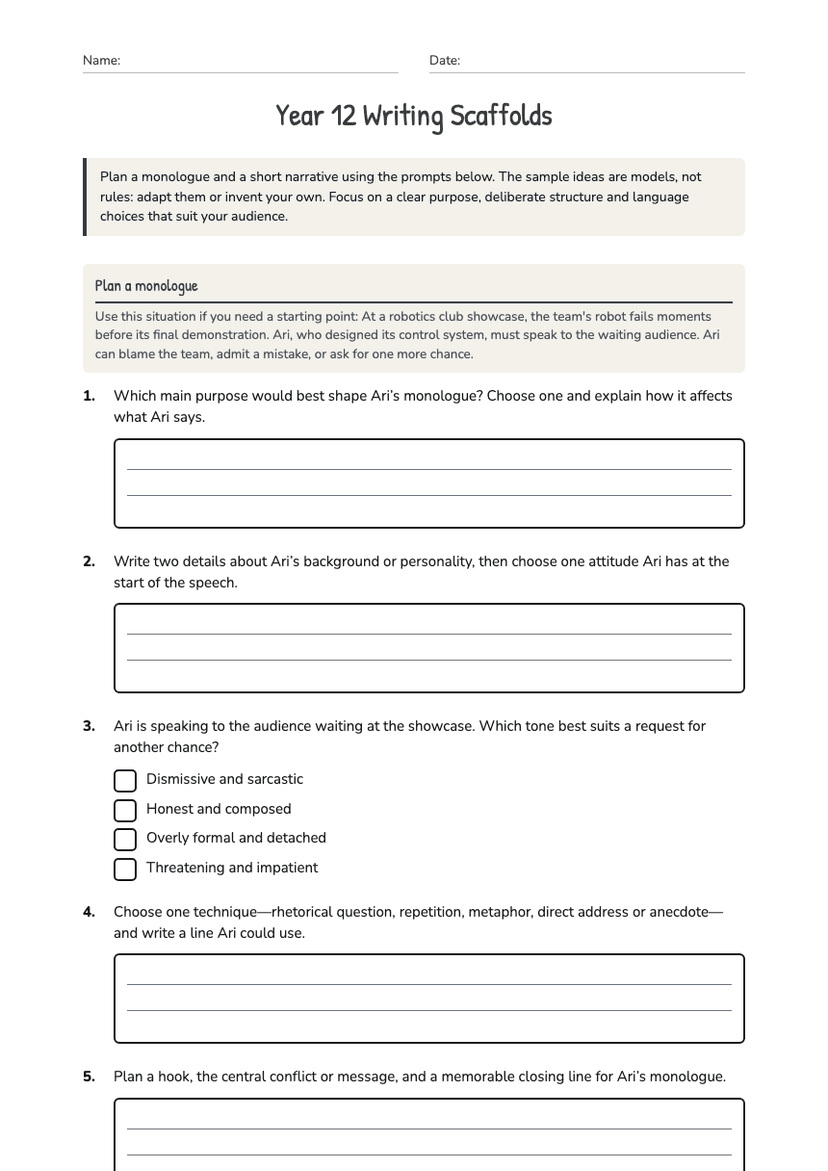
Year 12 Writing Scaffolds
Free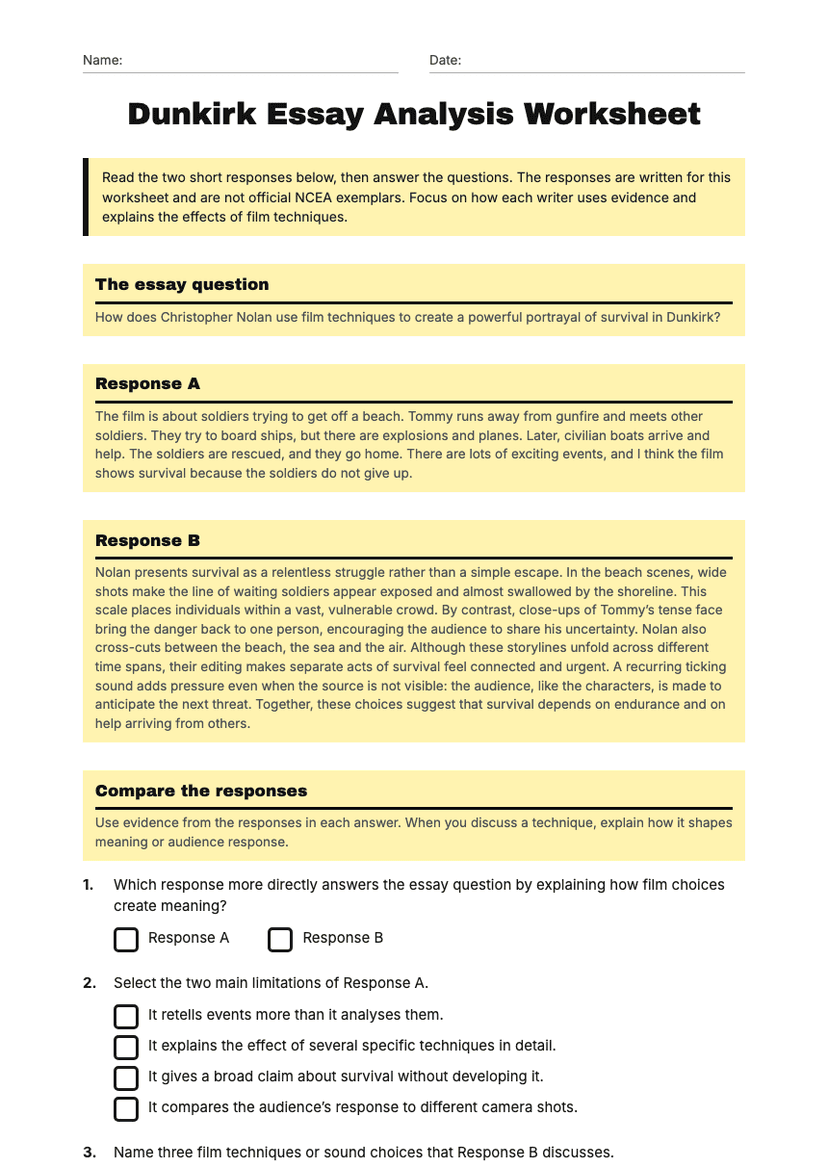
Dunkirk Essay Analysis Worksheet
Free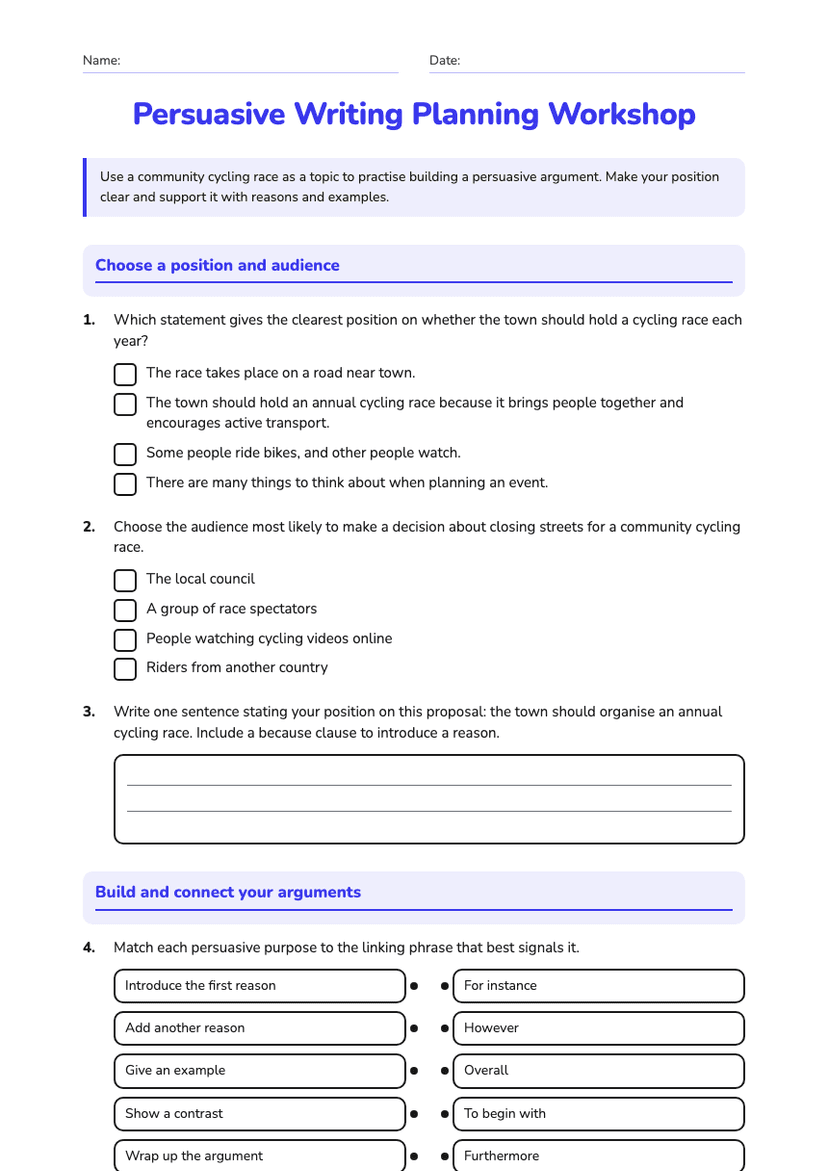
Persuasive Writing Planning Workshop
Free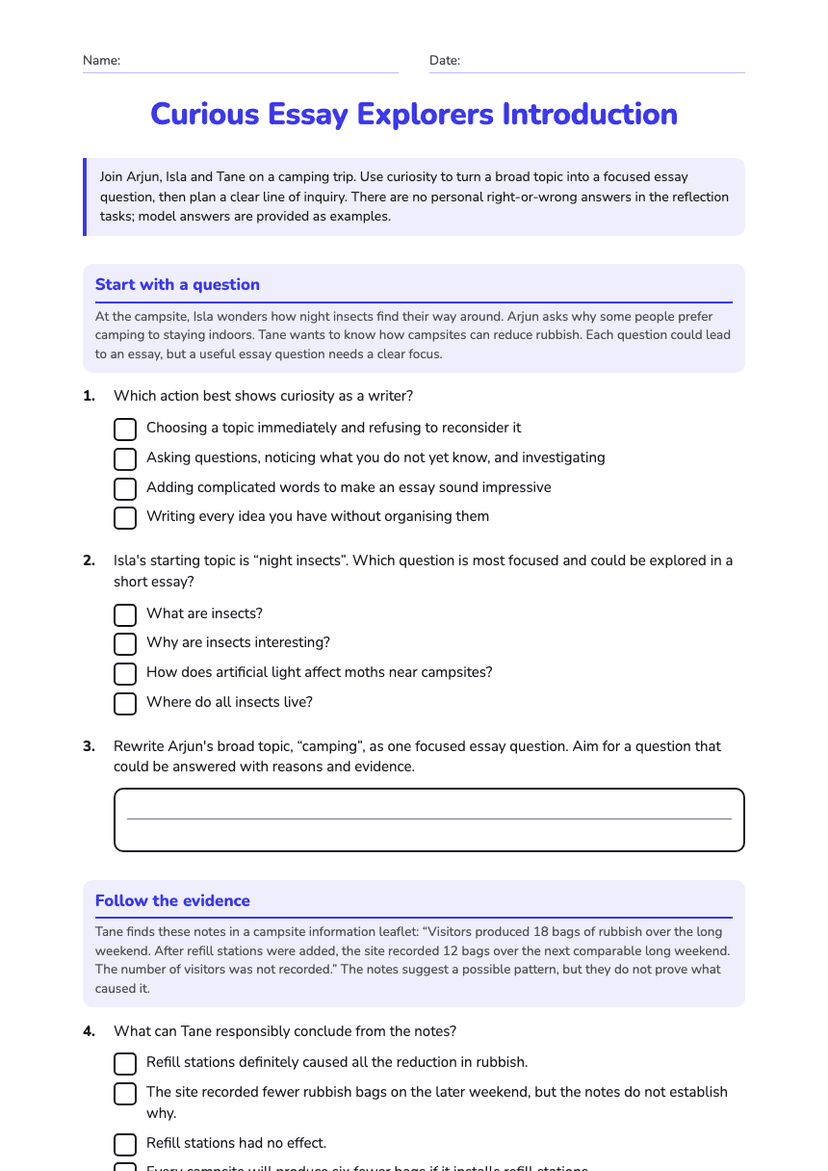
Curious Essay Explorers Introduction
Free
Special Moment Recount Writing
Free