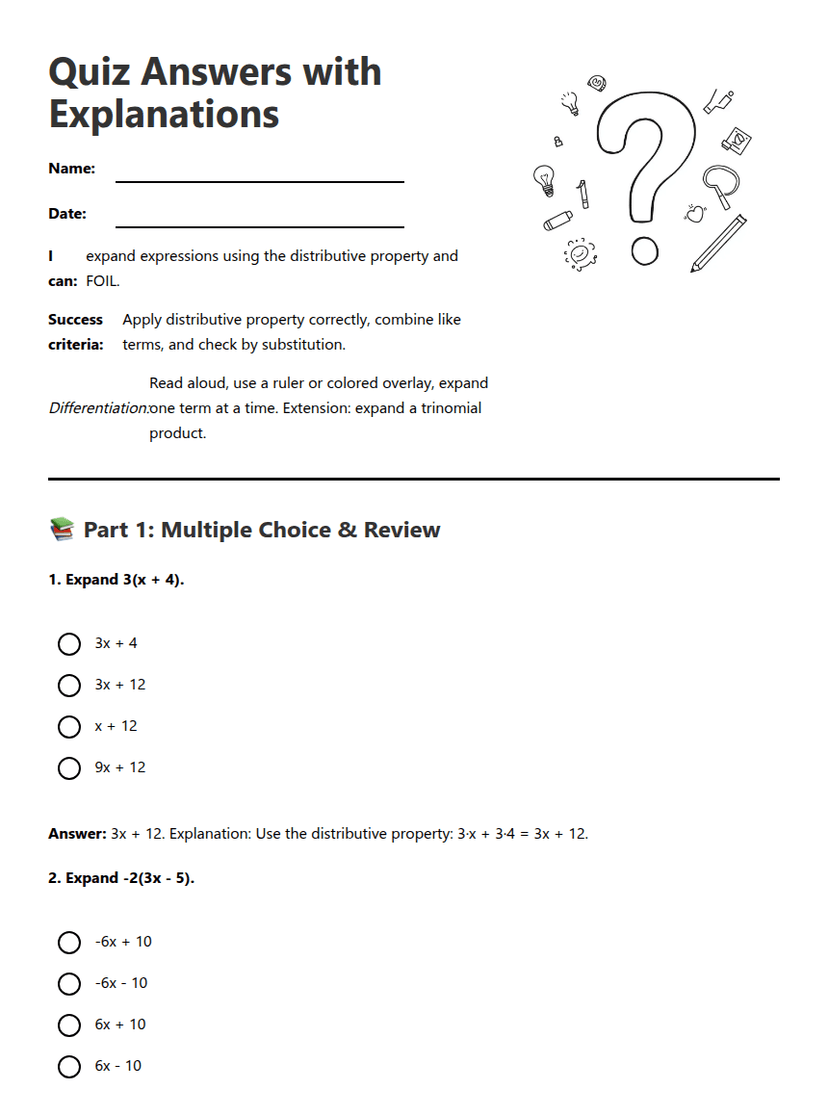
Quiz Answers with Explanations
A free mathematics worksheet ready for your classroom. Open in Kuraplan to grab the print-ready PDF, customize it for your students, or generate a fresh version in seconds.
Quiz Answers with Explanations

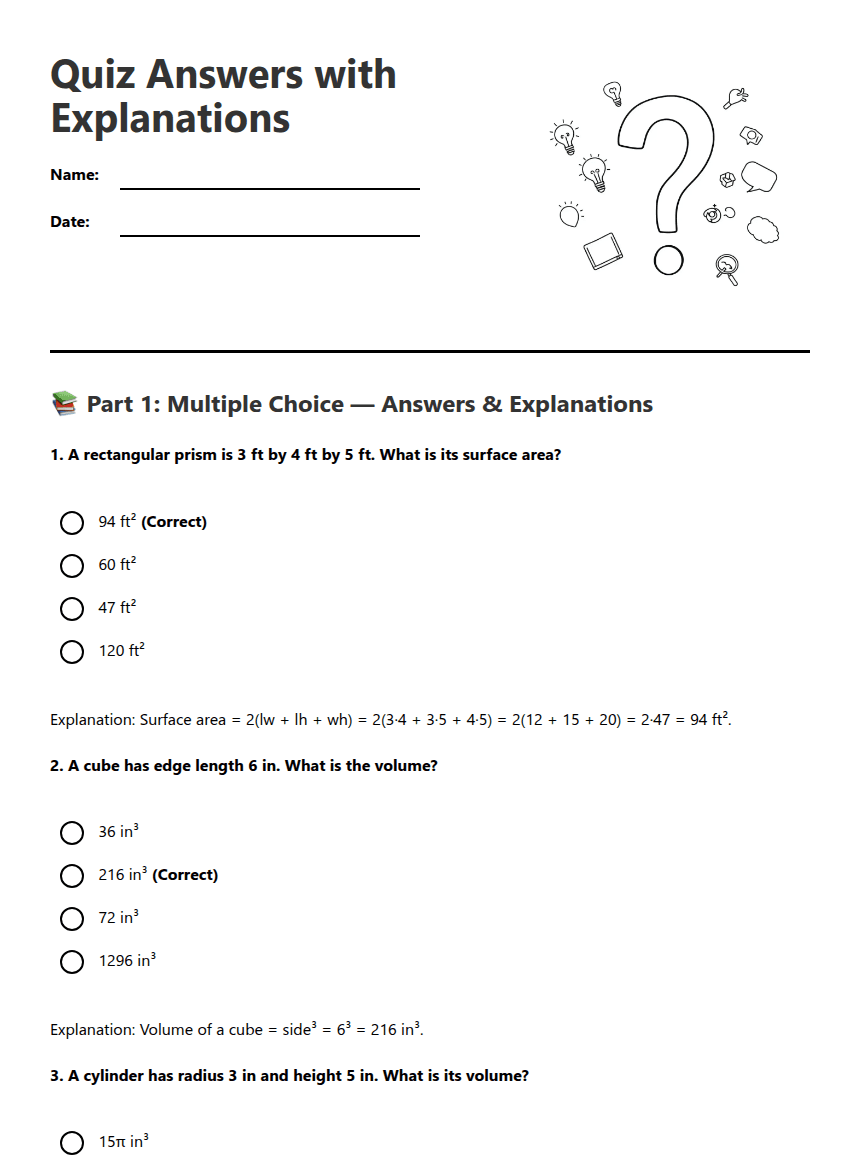
📚 Part 1: Multiple Choice — Answers & Explanations
Explanation: Surface area = 2(lw + lh + wh) = 2(3·4 + 3·5 + 4·5) = 2(12 + 15 + 20) = 2·47 = 94 ft².
Explanation: Volume of a cube = side³ = 6³ = 216 in³.
Explanation: Volume = πr²h = π·3²·5 = π·9·5 = 45π in³ (≈ 141.37 in³).
Explanation: Total surface area = area of two bases (2πr²) + lateral area (2πrh) = 2πr² + 2πrh.
✏️ Part 2: Short Answers — Answers & Explanations
🔎 Lesson Goals, Success Criteria & Supports
I can... solve routine problems involving surface area and volume of prisms, cylinders, spheres, and cubes.
Success criteria: I can choose and apply the correct formula, show units (in² or in³), and explain each calculation step.
Differentiation strategies: For learners who need support, provide step-by-step templates and worked examples; use manipulatives or labeled diagrams; allow calculators for arithmetic. For learners who need challenge, give multi-step problems combining surface area and volume, or ask for proofs about scaling.
Extension activities: Compare how surface area and volume change under different scale factors; design a real-world container minimizing material for a given volume.
Dyslexia-friendly reading options: Provide printed copies with increased spacing, sans-serif fonts, colored overlays if helpful, and audio recordings of the problems. Keep language simple and break explanations into short lines.
About This Worksheet
Free in Kuraplan
Sign up free, grab the PDF, and customize it for your class.
Print-Ready
Formatted for standard paper. Clean layout, easy to read.
AI-Generated
Created with Kuraplan's AI, designed for real classroom use.
For Teachers & Parents
Use in classrooms, for homework, tutoring, or homeschool.
Need a custom version of this worksheet?
Kuraplan's AI generates custom worksheets in seconds — differentiated for every learner, aligned to your curriculum.
Generate Custom Worksheets — FreeMore Mathematics Worksheets
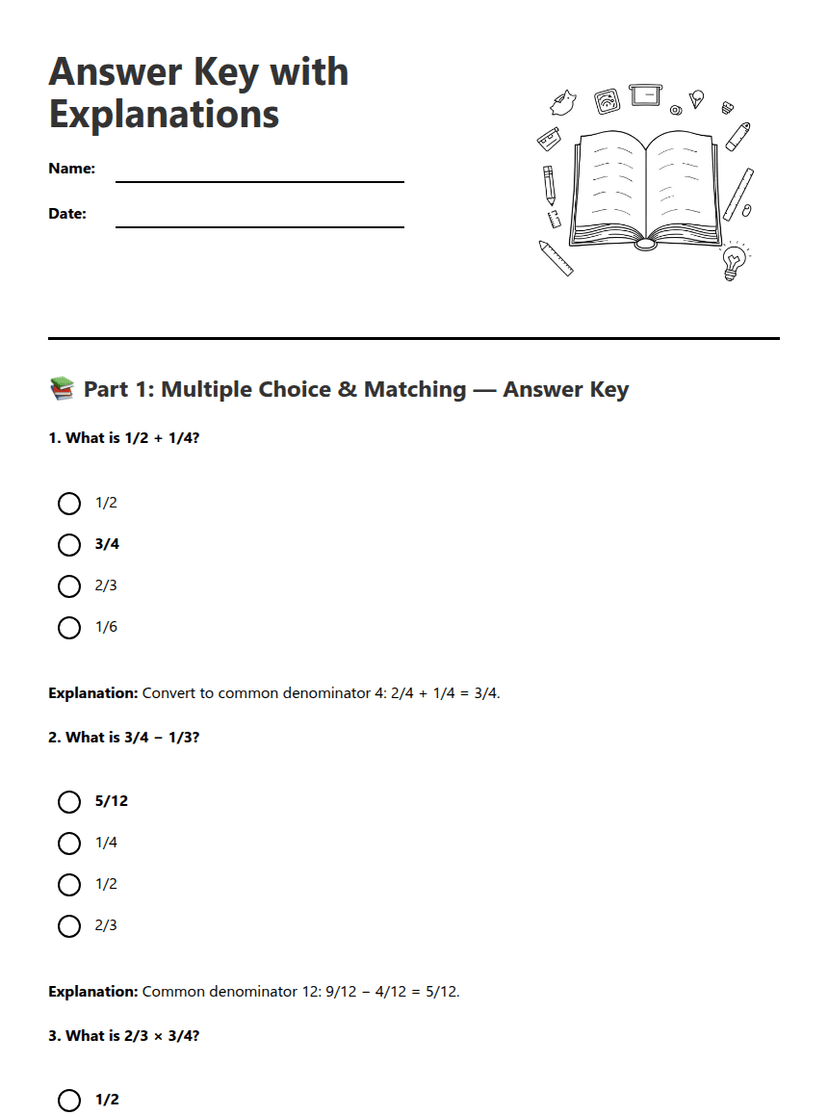
Answer Key with Explanations
Free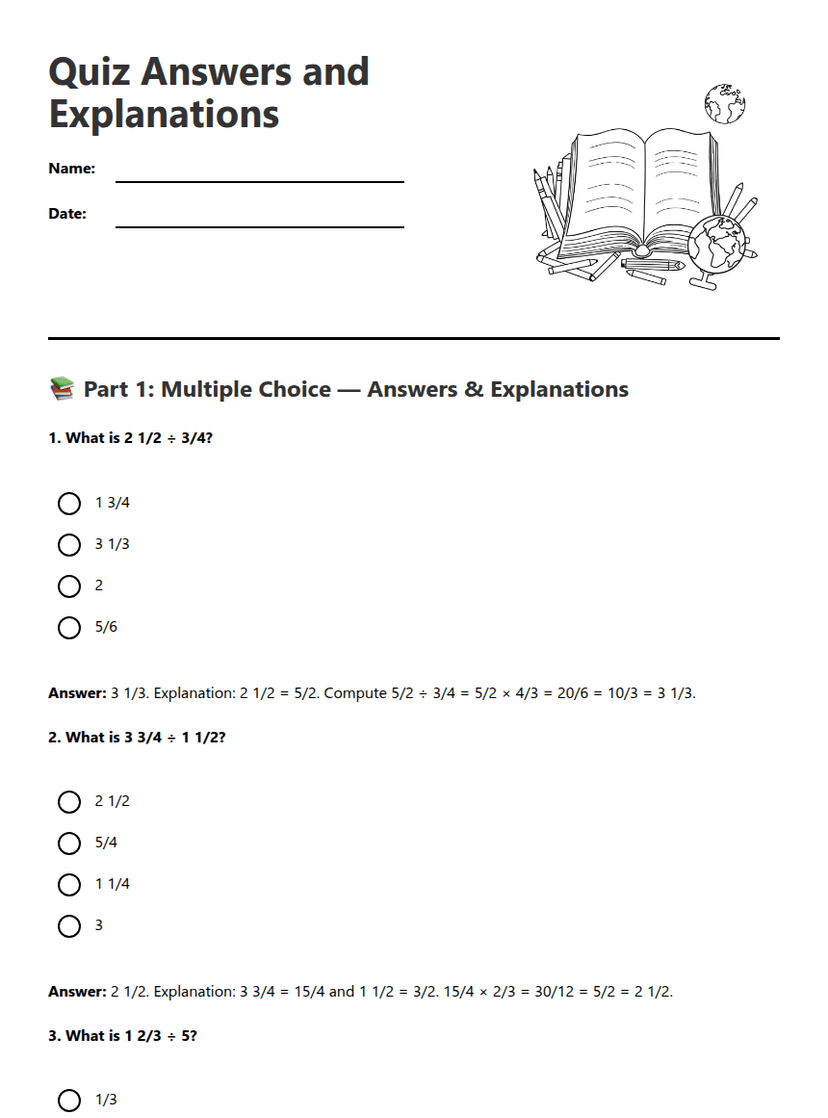
Quiz Answers and Explanations
Free
Quiz Answer Explanations
Free
Quiz Answer Explanations
Free
Quiz Answer Explanations
Free
Quiz Answers with Explanations
Free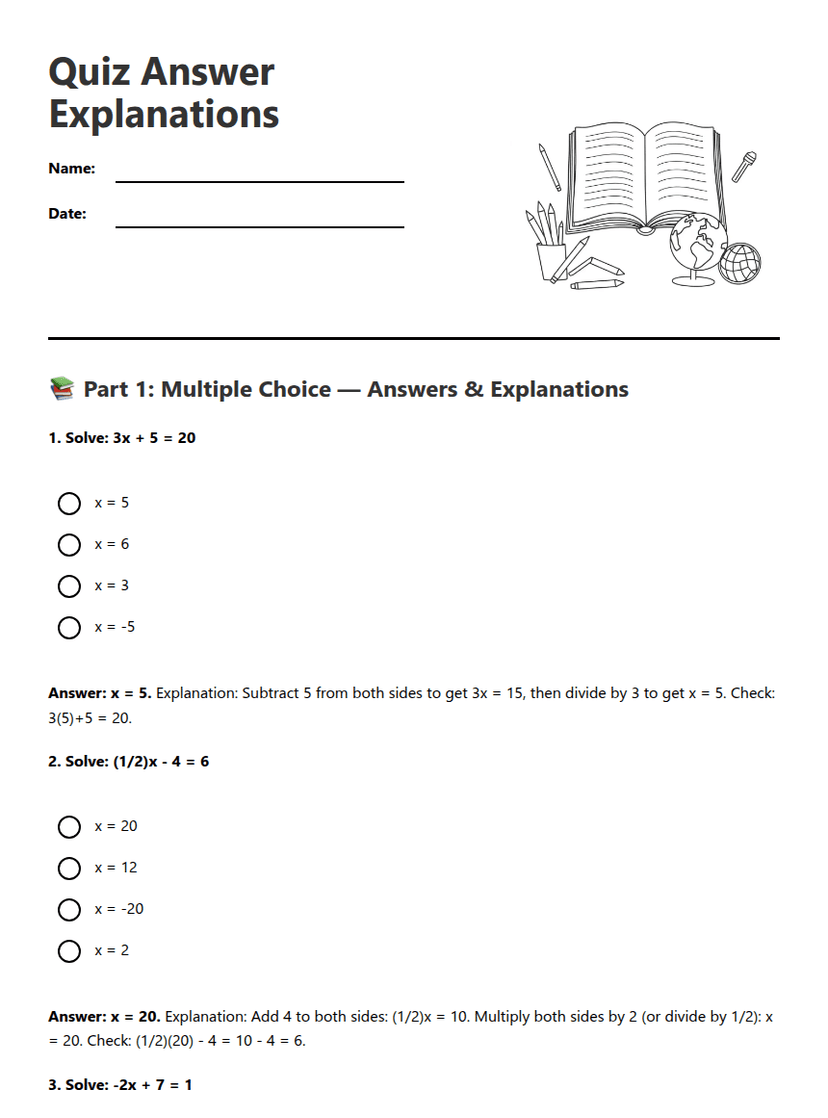
Quiz Answer Explanations
Free