Ancient Civilizations: Causes and Consequences
Exploring the Rise and Impact of Early Societies Grade 8 Social Studies 50-minute Interactive Journey

Hook Activity: Time Travel Poll
If you could live in any ancient civilization, which would you choose? Share your choice with a partner Be ready to explain your reasoning Think about what attracted you to that civilization

Ancient Civilizations World Map

Why Did Civilizations Emerge Here?
River valleys provided fresh water and fertile soil Natural barriers offered protection from invaders Trade routes connected different regions Climate allowed for agriculture and settlement

Jigsaw Activity: Civilization Deep Dive
Form groups of 4-5 students Each group receives one ancient civilization to research Use tiered fact cards based on your reading level Complete the Cause & Consequence Chart Prepare a 3-minute presentation for the class

Group Research Focus Areas
{"left":"Key Features: Government, religion, social structure, achievements\nGeographic Influences: Rivers, climate, natural resources, location","right":"Causes of Development: Why did this civilization emerge here and when?\nConsequences & Legacy: How did this civilization influence later societies?"}

Mesopotamia: The Cradle of Civilization
First cities and writing system (cuneiform) Code of Hammurabi - early legal system Located between Tigris and Euphrates rivers Innovations: wheel, plow, irrigation systems
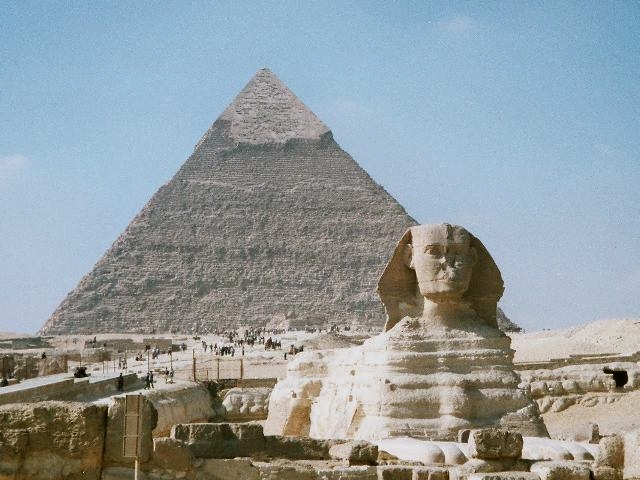
Ancient Egypt: Gift of the Nile
Pharaohs as god-kings with absolute power Mummification and belief in afterlife Hieroglyphic writing and papyrus Monumental architecture: pyramids and temples

Making Connections
How do you see influences of these ancient civilizations in our modern world? Think about: government, writing, architecture, technology, religion

Wrap-Up & Reflection
Exit Ticket Challenge (choose your level): Emerging: Name one thing you learned about an ancient civilization Proficient: Identify one cause and one consequence of early civilizations Advanced: Explain how these civilizations still influence our world today
More Social Studies slide decks
Other ready-to-teach social studies decks for Canadian classrooms.

Indigenous Peoples: Canada's Cultural Diversity

Mapping Canada: Provinces & Physical Features

Plastic Waste: Environmental and Health Impact