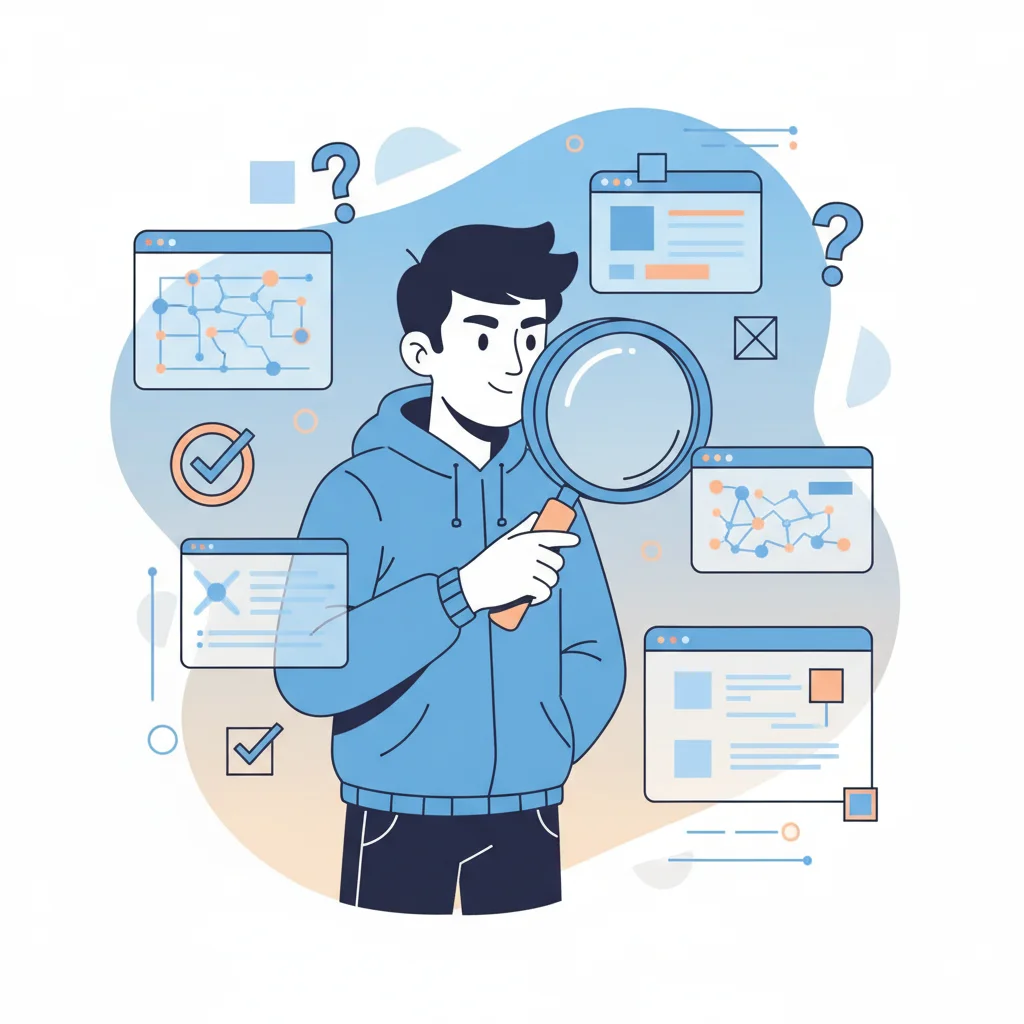
Lateral Reading: Detective Skills Online
Grade 8 Digital Literacy Becoming Information Detectives Critical Thinking in the Digital Age

What Do You Believe?
Look at this headline: 'Scientists Discover Chocolate Helps You Lose Weight!' Quick poll: How many of you would share this on social media? What makes you trust or distrust information online?
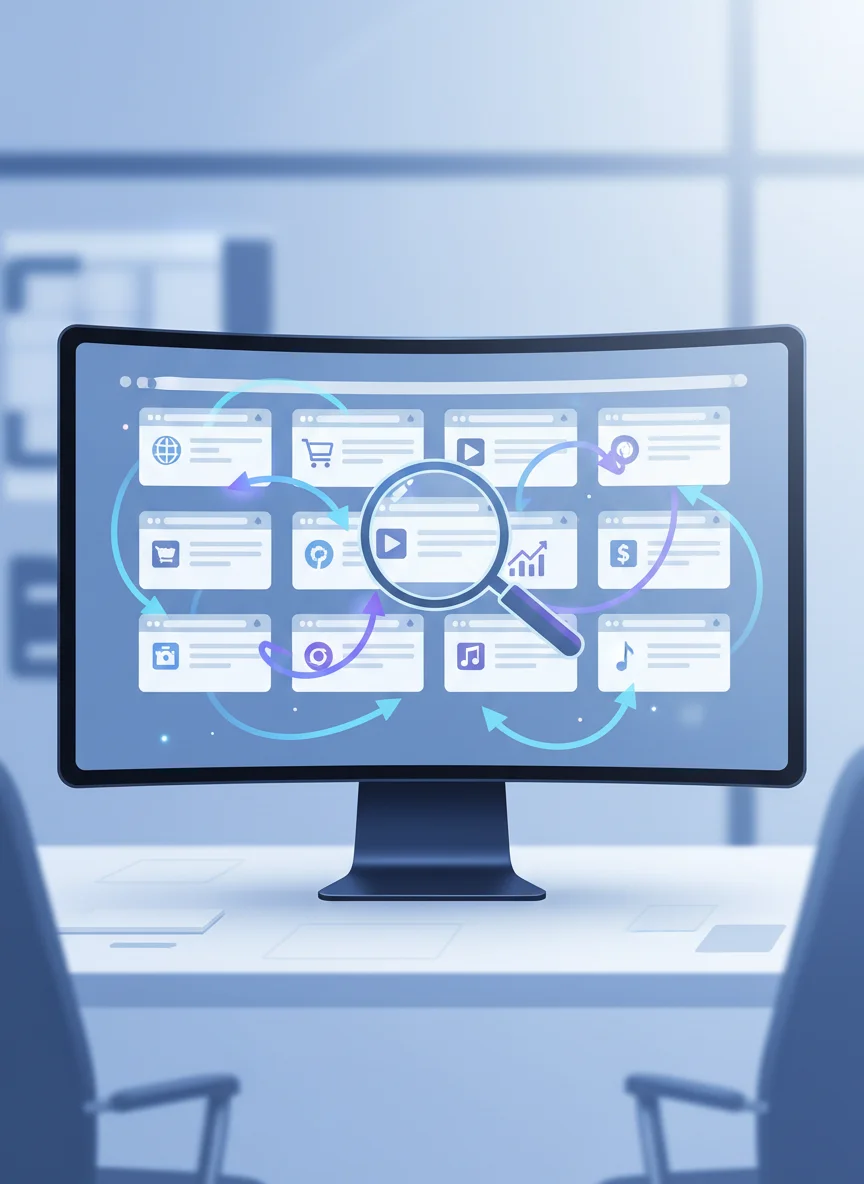
What is Lateral Reading?
Reading 'sideways' - opening new tabs to verify information Like a detective gathering evidence from multiple sources Going beyond the original article to check facts Used by professional fact-checkers and journalists
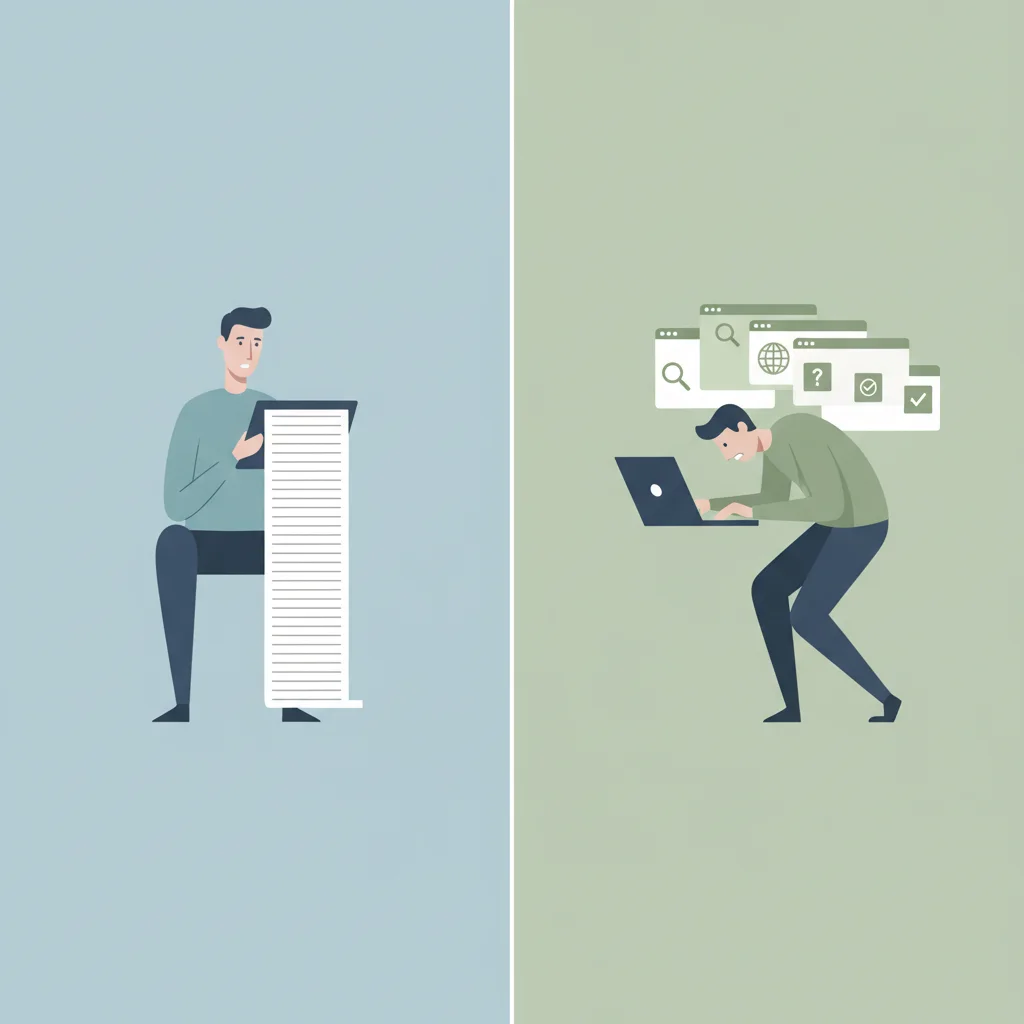
Vertical vs. Lateral Reading
{"left":"Reading straight down one webpage\nAccepting information at face value\nStaying on the same site\nQuick but potentially unreliable","right":"Opening multiple sources\nCross-checking facts and claims\nInvestigating the source's credibility\nSlower but much more reliable"}
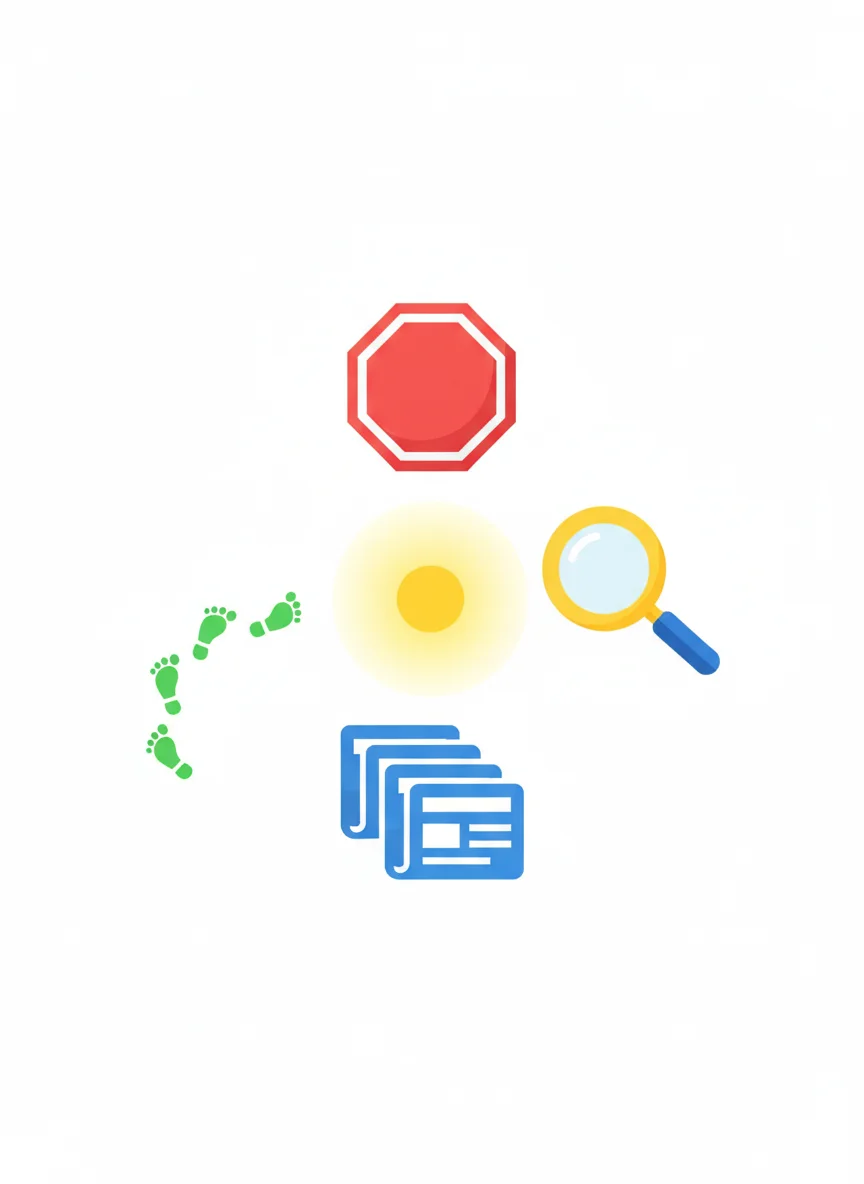
The SIFT Method
S - STOP and think before sharing I - INVESTIGATE the source F - FIND better coverage T - TRACE claims to their origin
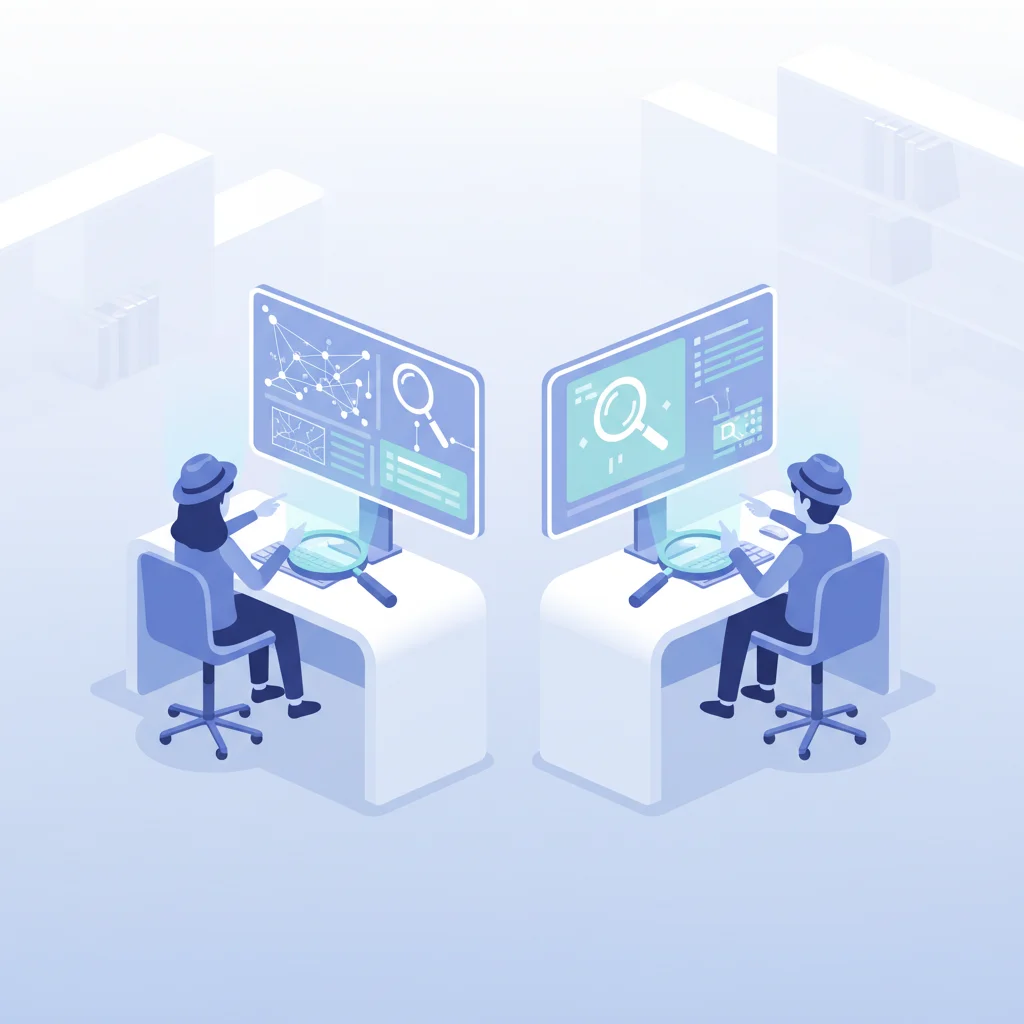
Detective Training: Source Investigation
You'll receive a suspicious article about 'Tree Octopuses' Work in pairs to investigate using SIFT Open new tabs to research the Pacific Northwest Tree Octopus Record your findings on the worksheet Time limit: 10 minutes
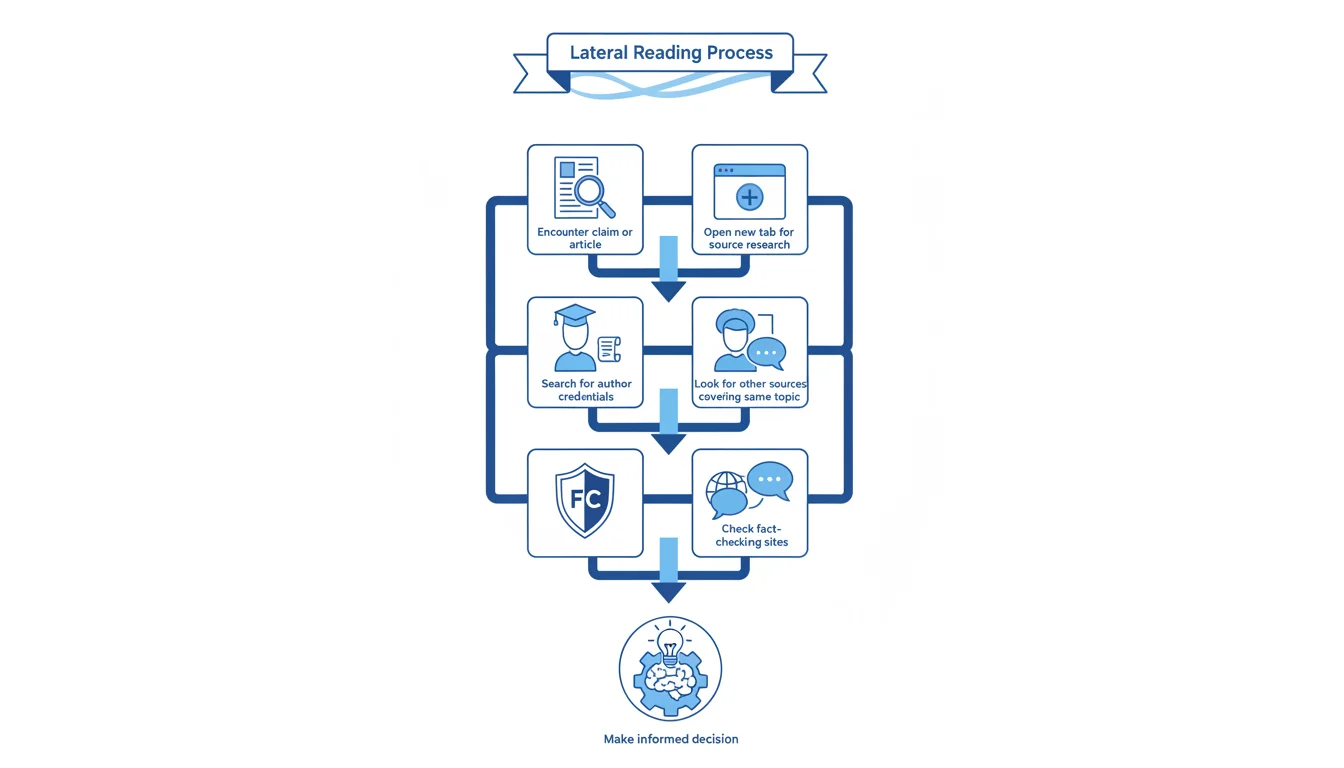
Lateral Reading Workflow
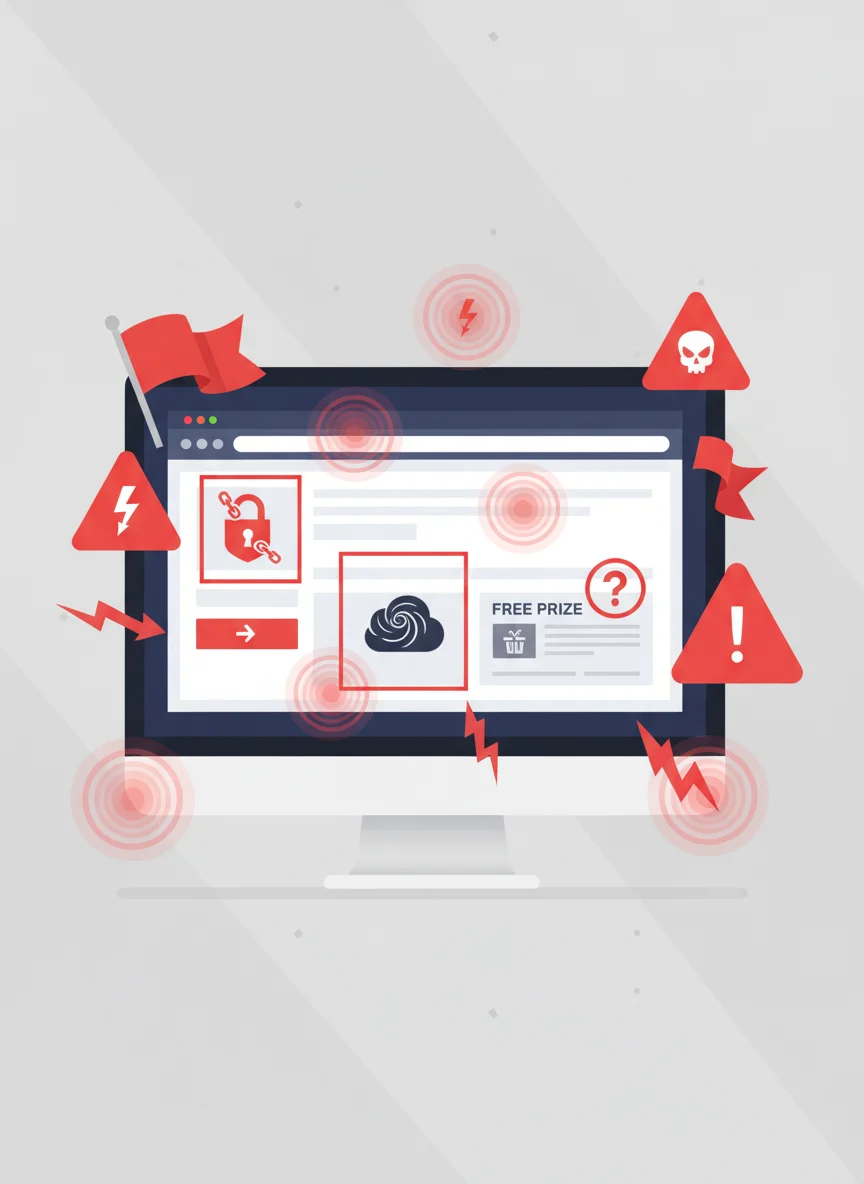
Red Flags to Watch For
Emotional language designed to make you angry or excited No author listed or unknown publication Claims that seem too good to be true Lots of ads or clickbait headlines No sources or links to verify information Asks you to share immediately

Remember This
"The best way to spot fake news is to read beyond the headline and check multiple sources." - Professional Fact-Checker's Golden Rule

Final Challenge: Information Detective Badge
Choose one current news story from today Use lateral reading to verify three key facts Find at least two additional reliable sources Present your findings to the class in 2 minutes Earn your Information Detective Badge!