
Drama 1.2 - Participating in Creative Strategies to Create a Drama PowerPoint
Year 9 Drama New Zealand Curriculum Creative Expression Through Digital Storytelling
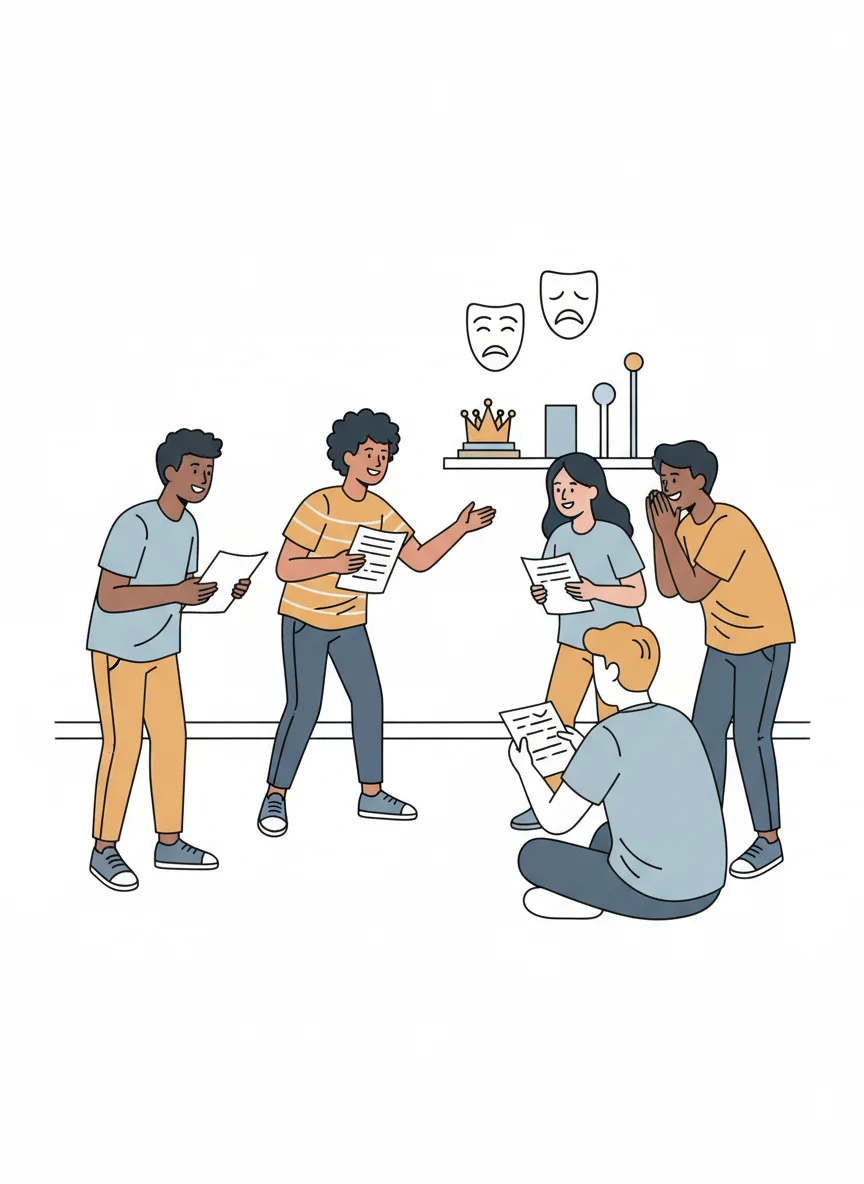
Introduction to Creative Strategies in Drama
Roles: Understanding different character perspectives Characters: Developing believable personalities Collaboration: Working effectively in teams Communication: Expressing ideas clearly and creatively

Using Voice and Movement
Body Language: Posture, gestures, and physical expression Tone: Emotional quality of your voice Volume: Appropriate loudness for your audience Pace: Speed of speech and movement Facial Expression: Conveying emotion through your face
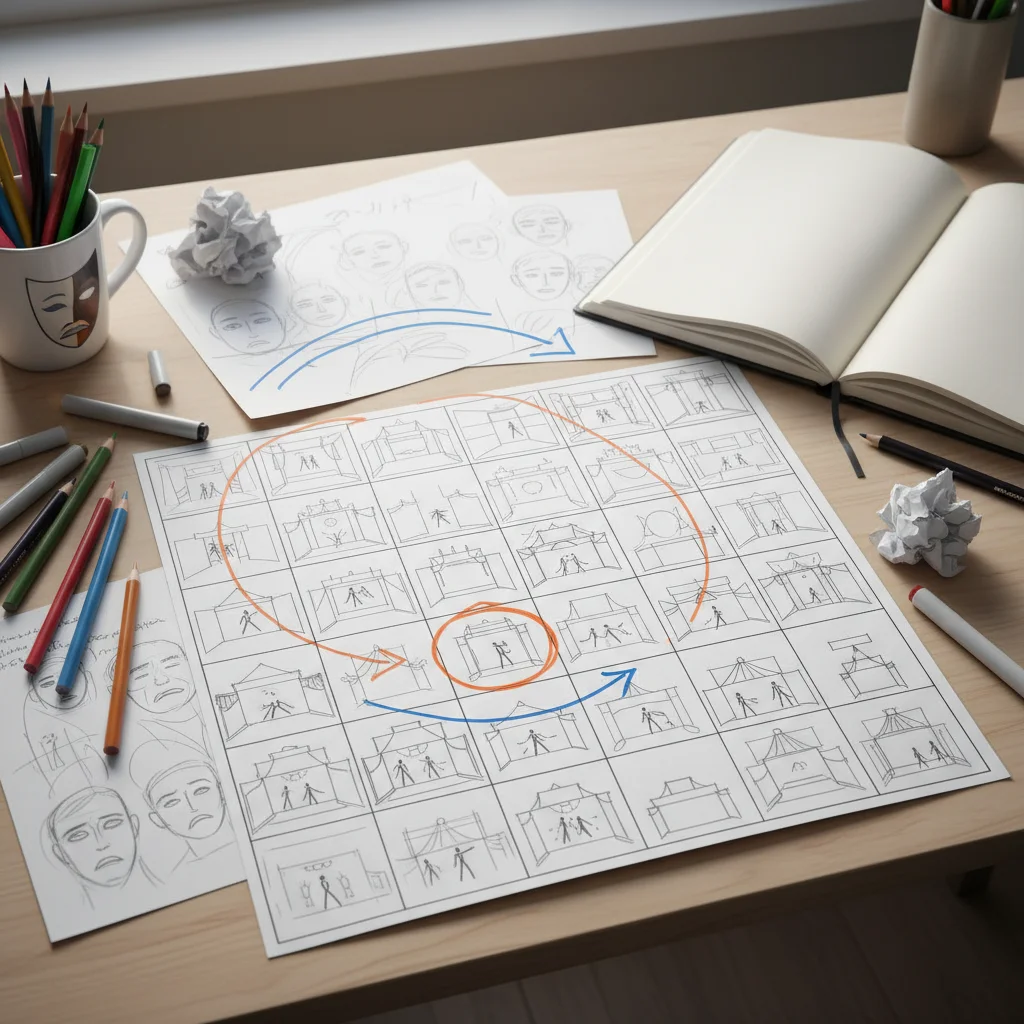
Planning Your Drama PowerPoint
ACTIVITY: Create a storyboard for your presentation Consider: What story will you tell? Structure: Beginning, middle, and end Visual Elements: Images, colors, and fonts that support your theme Supporting Storytelling: How slides enhance your narrative

Creating Your Slides: Tips for Clear and Engaging Visuals
{"left":"Use large, readable fonts (minimum 24pt)\nChoose colors that contrast well\nInclude relevant images that support your story","right":"Keep text brief - use bullet points\nMaintain consistent design throughout\nUse animations sparingly and purposefully"}
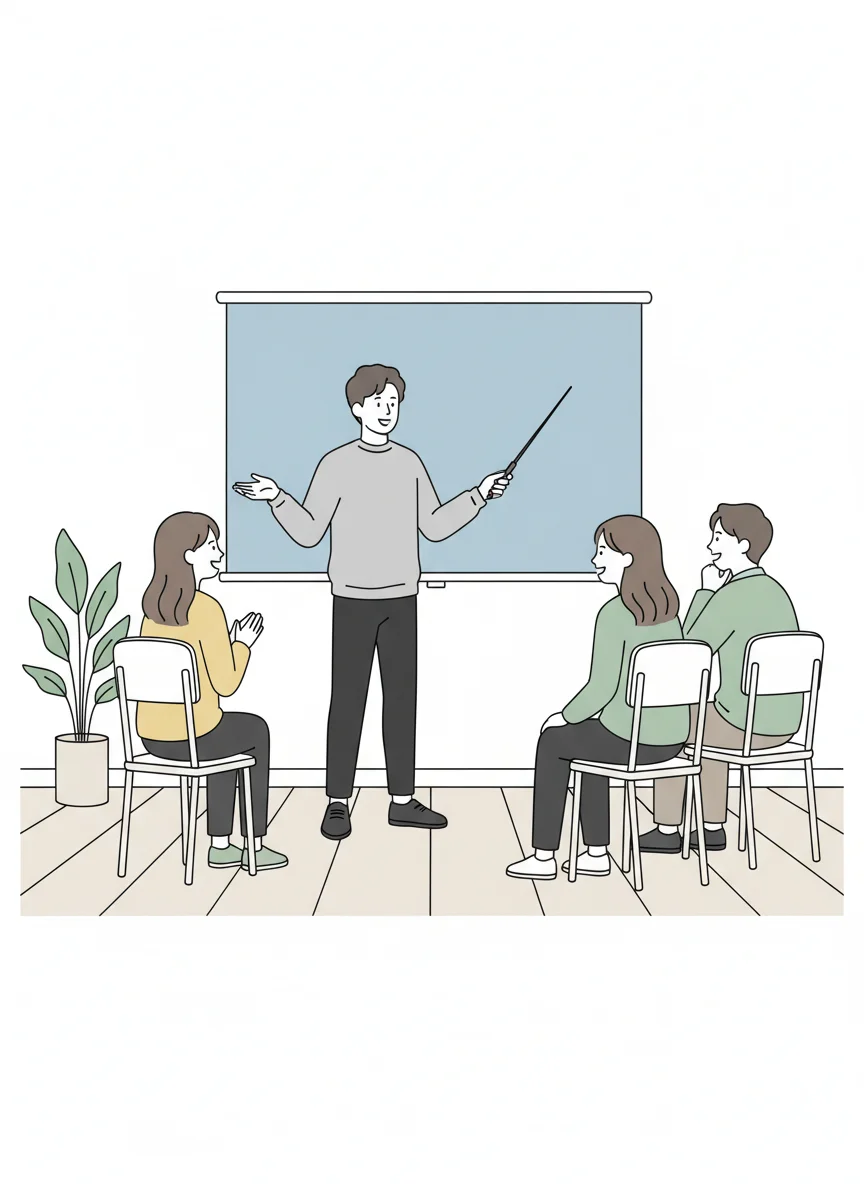
Practicing Presentations: Rehearsal and Presentation Skills
Rehearse your timing - aim for your allocated time slot Practice transitions between slides Use eye contact with your audience Speak clearly and project your voice Handle technology confidently Prepare for questions from the audience

Assessment Criteria
"Excellence is achieved through clarity of communication, creativity in approach, and genuine engagement with your audience"
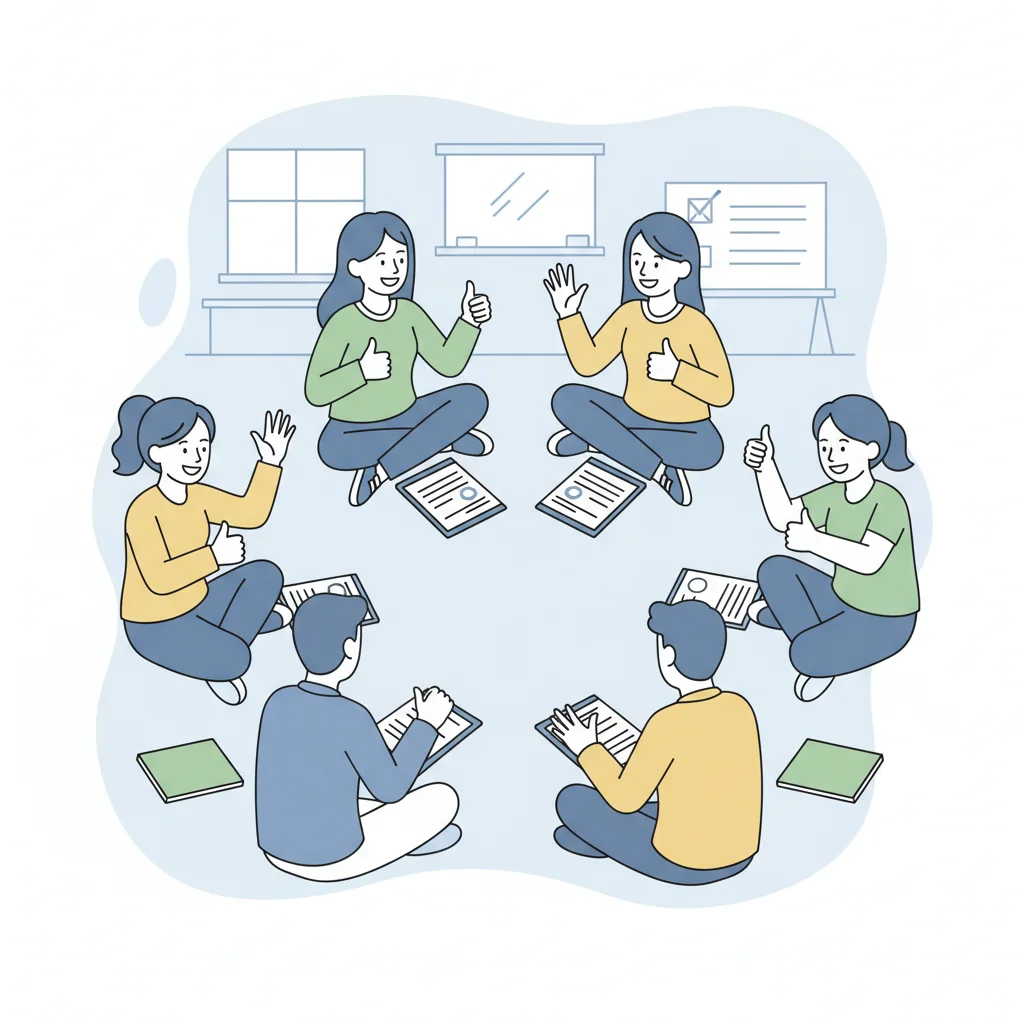
Peer Feedback and Reflection
REFLECTION ACTIVITY: What went well? Giving feedback: Be specific and constructive Focus on: Clarity, creativity, and engagement Receiving feedback: Listen actively and ask questions Use feedback to improve your next presentation Celebrate your classmates' achievements
More Drama slide decks
Other ready-to-teach drama decks for New Zealand classrooms.


