Design Thinking Portfolio Process Guide
A comprehensive guide for Year 10 students Building your design thinking portfolio From empathy to testing
What is Design Thinking?
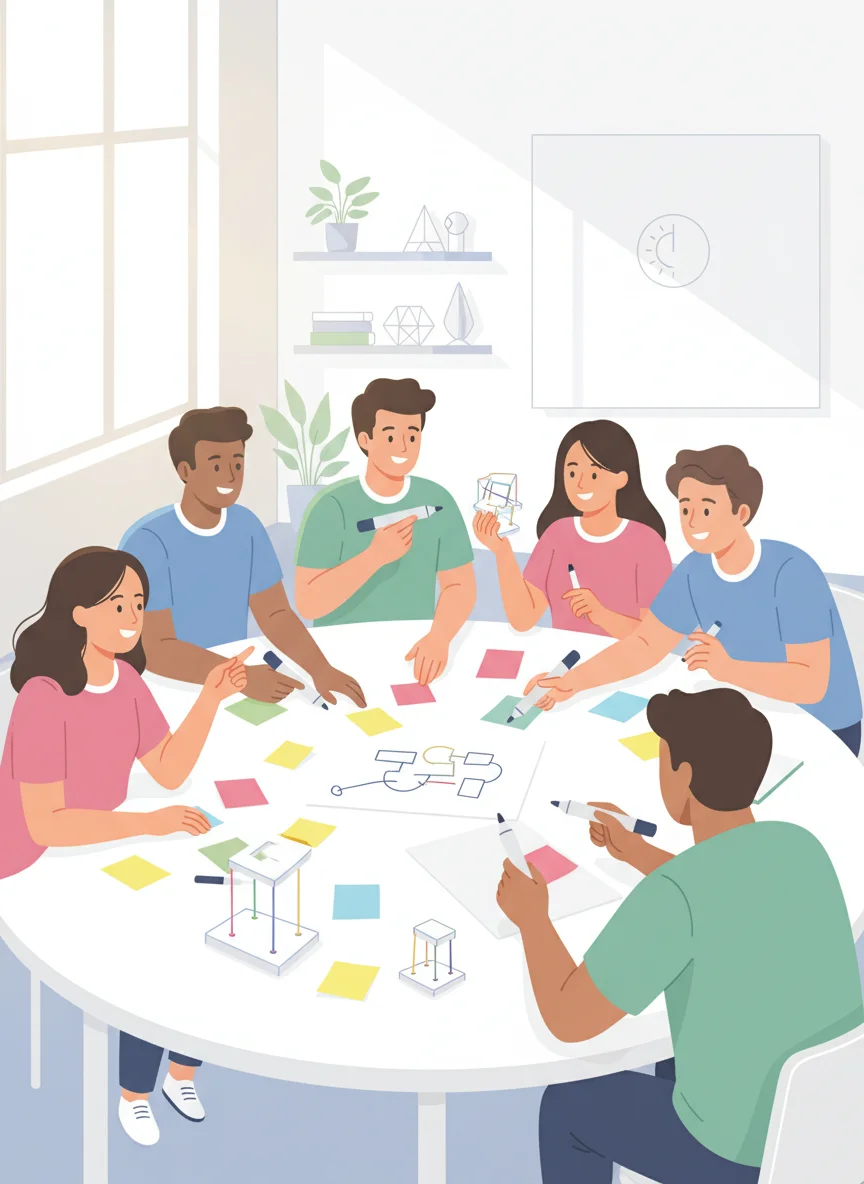
Human-centered approach to innovation Combines empathy, creativity, and rationality Five-stage iterative process Used by leading companies like Apple, Google, and IDEO
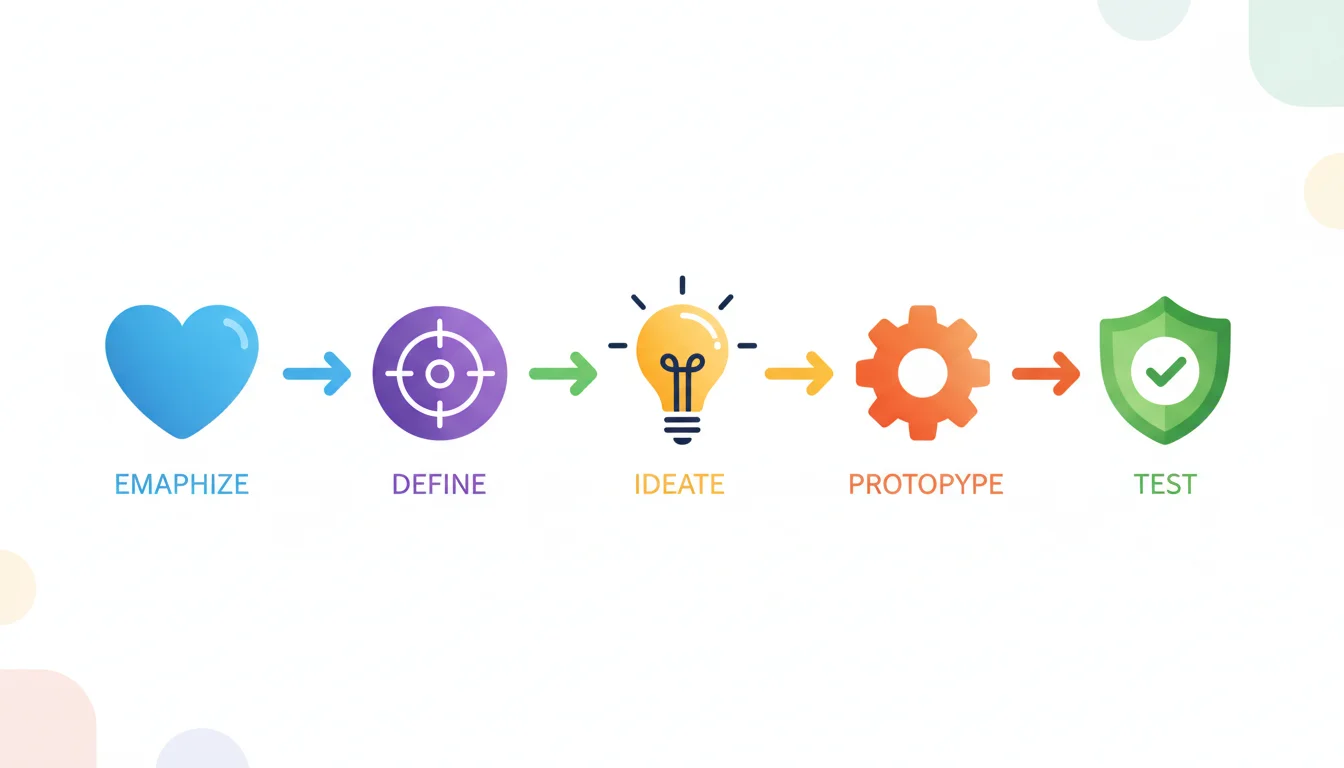
The Five Stages of Design Thinking

Stage 1: Empathize
Understand your users' needs and feelings Conduct interviews and observations Build empathy maps and user personas Document insights in your portfolio

Portfolio Activity: Empathy Map
Create an empathy map for your chosen user Include: Says, Thinks, Does, Feels Use real quotes from user research Add photos or sketches to illustrate insights

Stage 2: Define
Synthesize observations into a clear problem statement Create a Point of View (POV) statement Frame the challenge as 'How Might We...' questions Ensure your problem is human-centered
Stage 3: Ideate
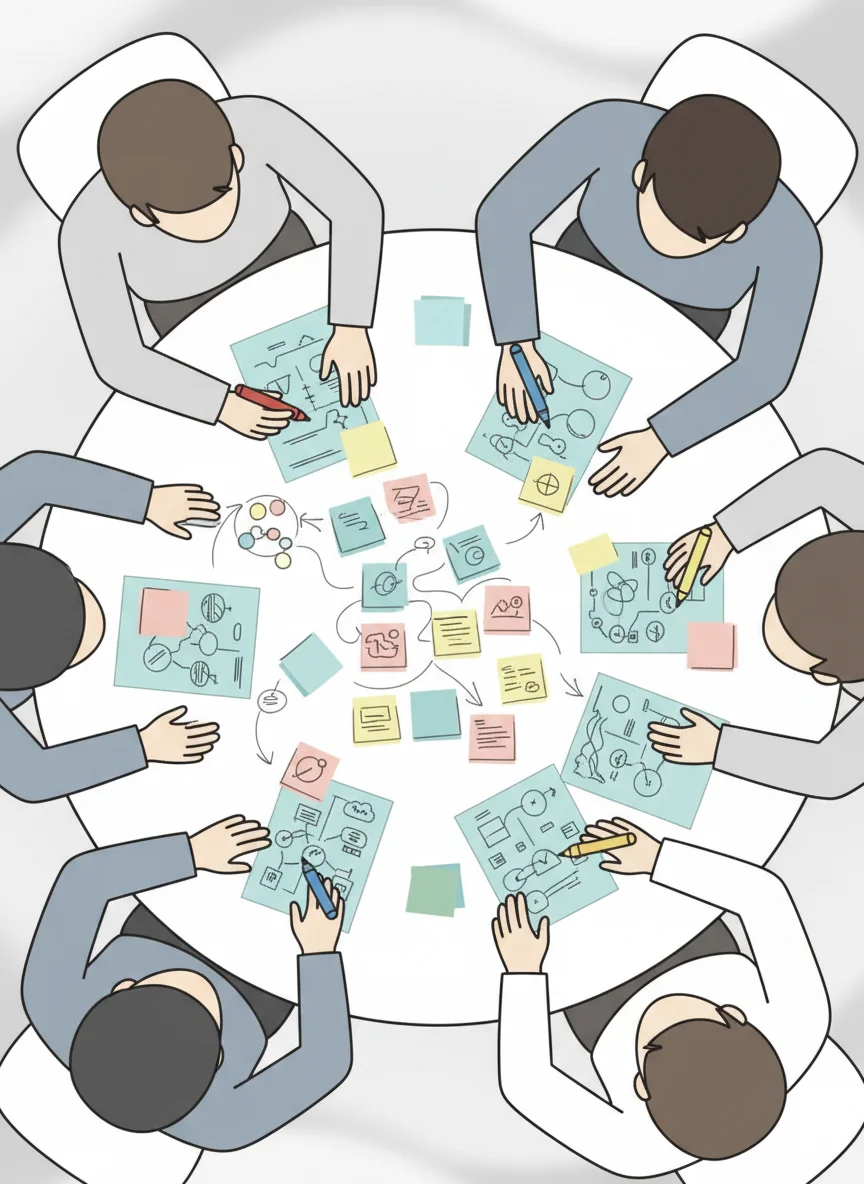
Generate a wide range of creative solutions Use brainstorming techniques like mind mapping Build on others' ideas with 'Yes, and...' Quantity over quality - aim for 100+ ideas
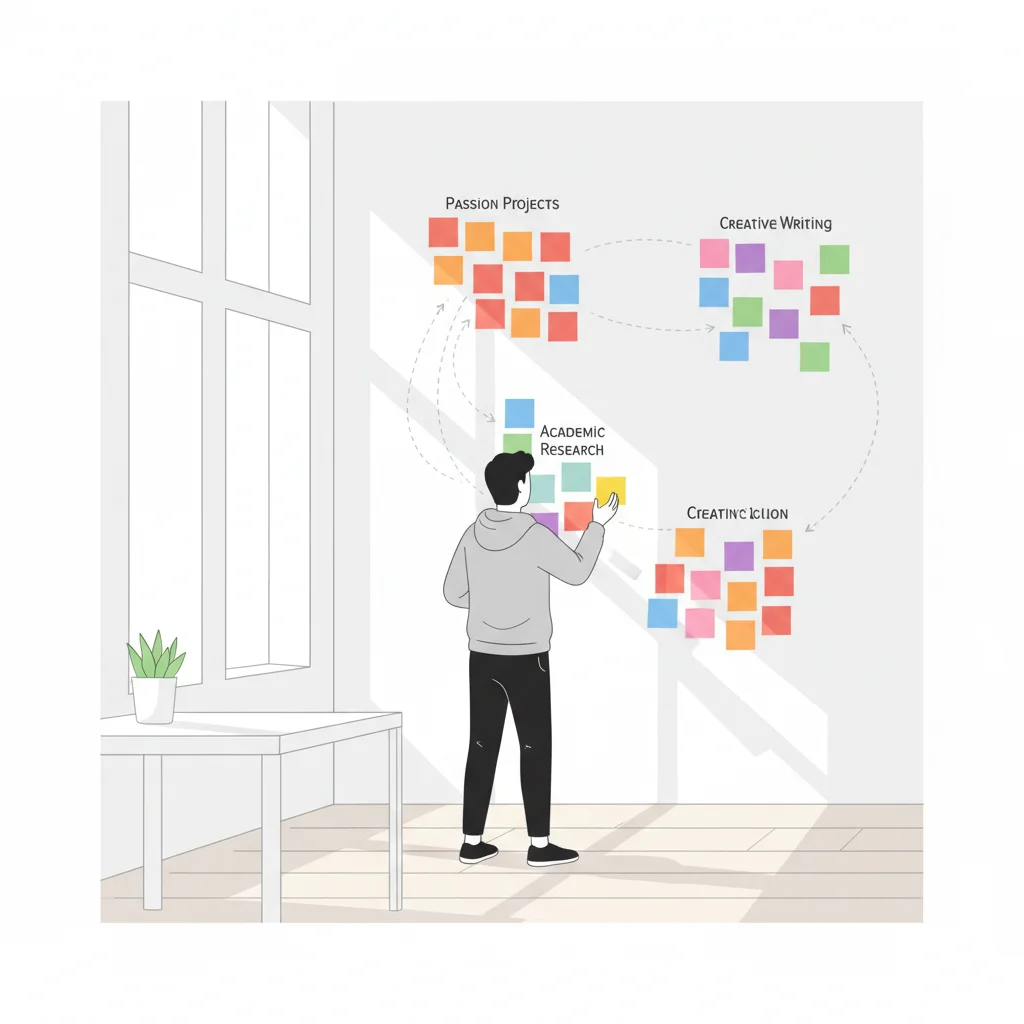
Portfolio Activity: Ideation Session
Document your brainstorming process Include photos of sticky note sessions Show idea clustering and selection Explain your top 3 solution concepts

Stages 4 & 5: Prototype and Test
Build quick, low-fidelity prototypes Test with real users early and often Learn from failures and iterate Document insights and improvements
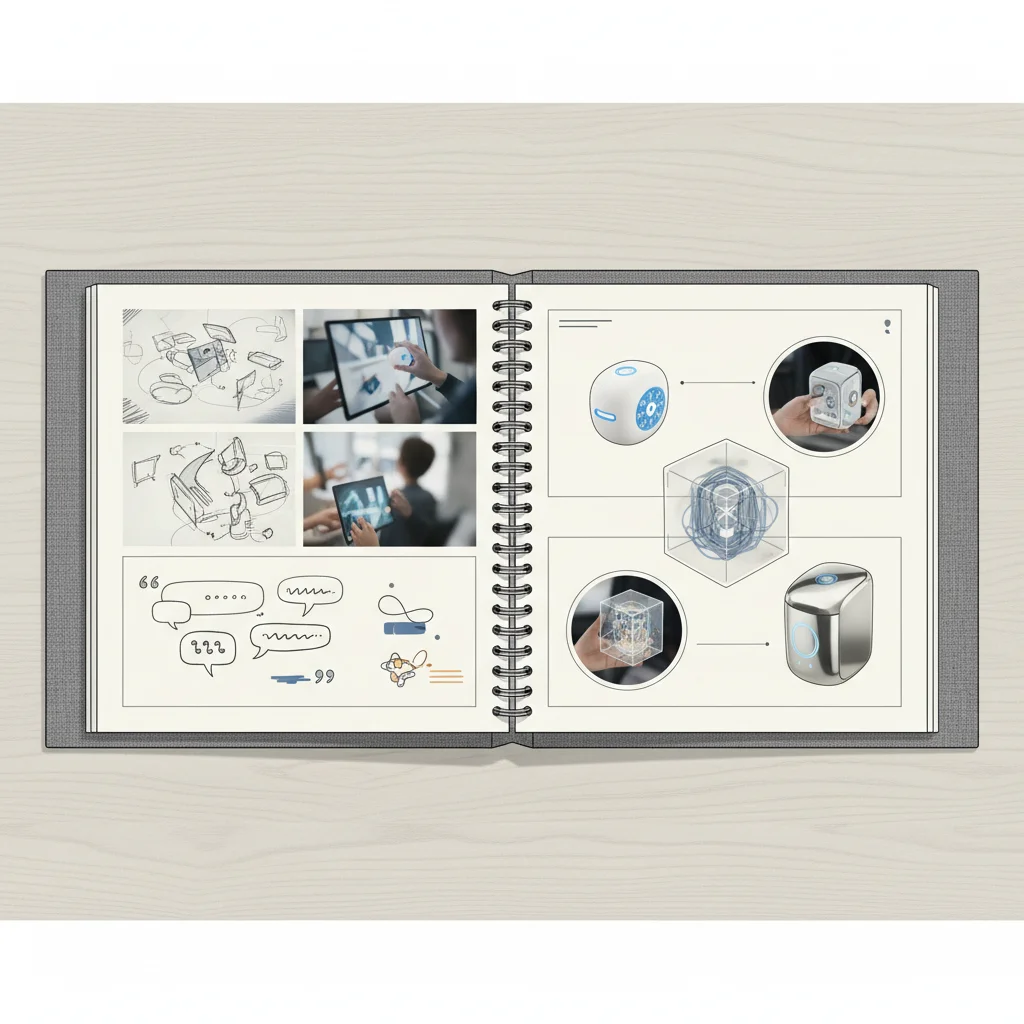
Portfolio Success
Your portfolio should tell the story of your design journey, showing both successes and failures as valuable learning experiences.
More Technology/Design slide decks
Other ready-to-teach technology/design decks for New Zealand classrooms.