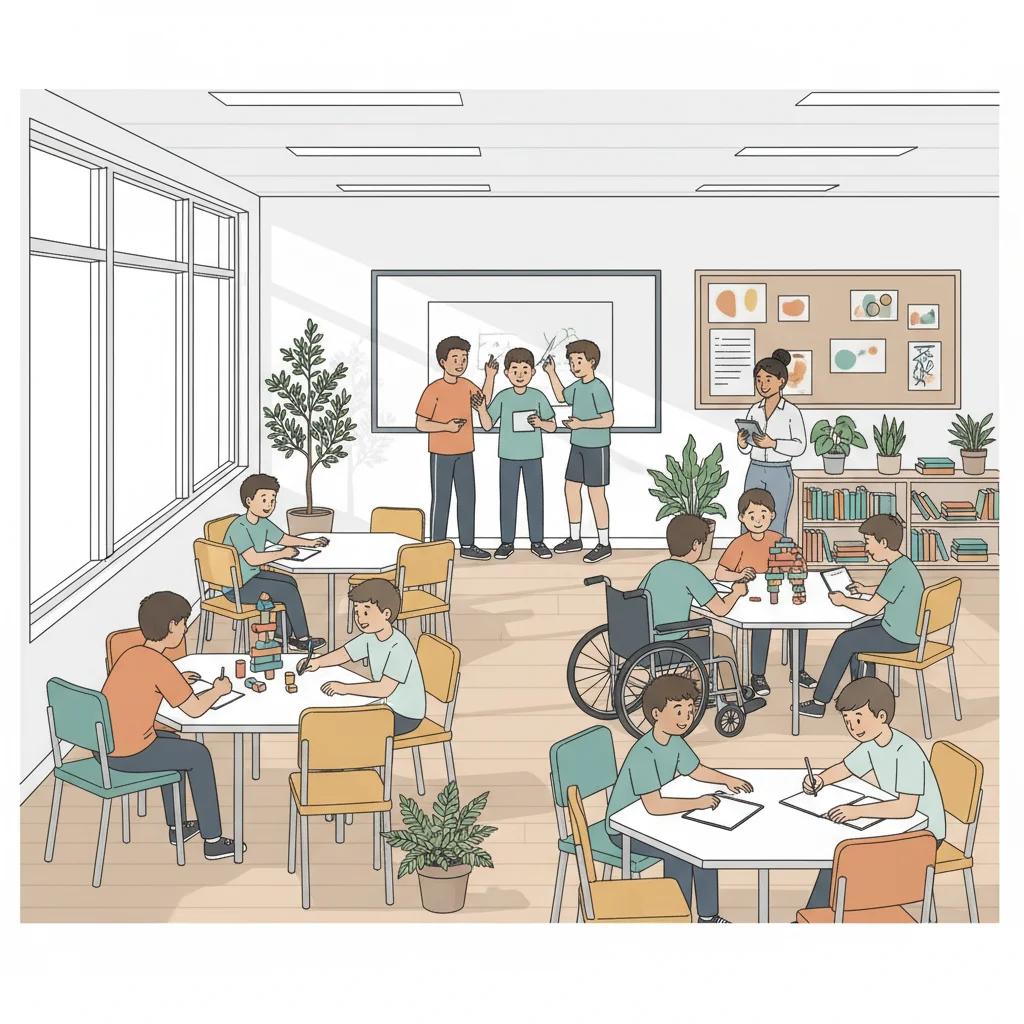
DEVELOP AND EMBED LEARNER AGENCY FERGUSON INTERMEDIATE YEAR 7 & 8
Empowering Student Voice and Choice Building Independent Learning Pathways Creating Collaborative Learning Communities

Theoretical Foundations: The Three Pillars
Jean Piaget: Discovery Learning & Cognitive Development Lev Vygotsky: Social Construction & Zone of Proximal Development John Hattie: Visible Learning & Evidence-Based Practice These theories converge to support learner agency
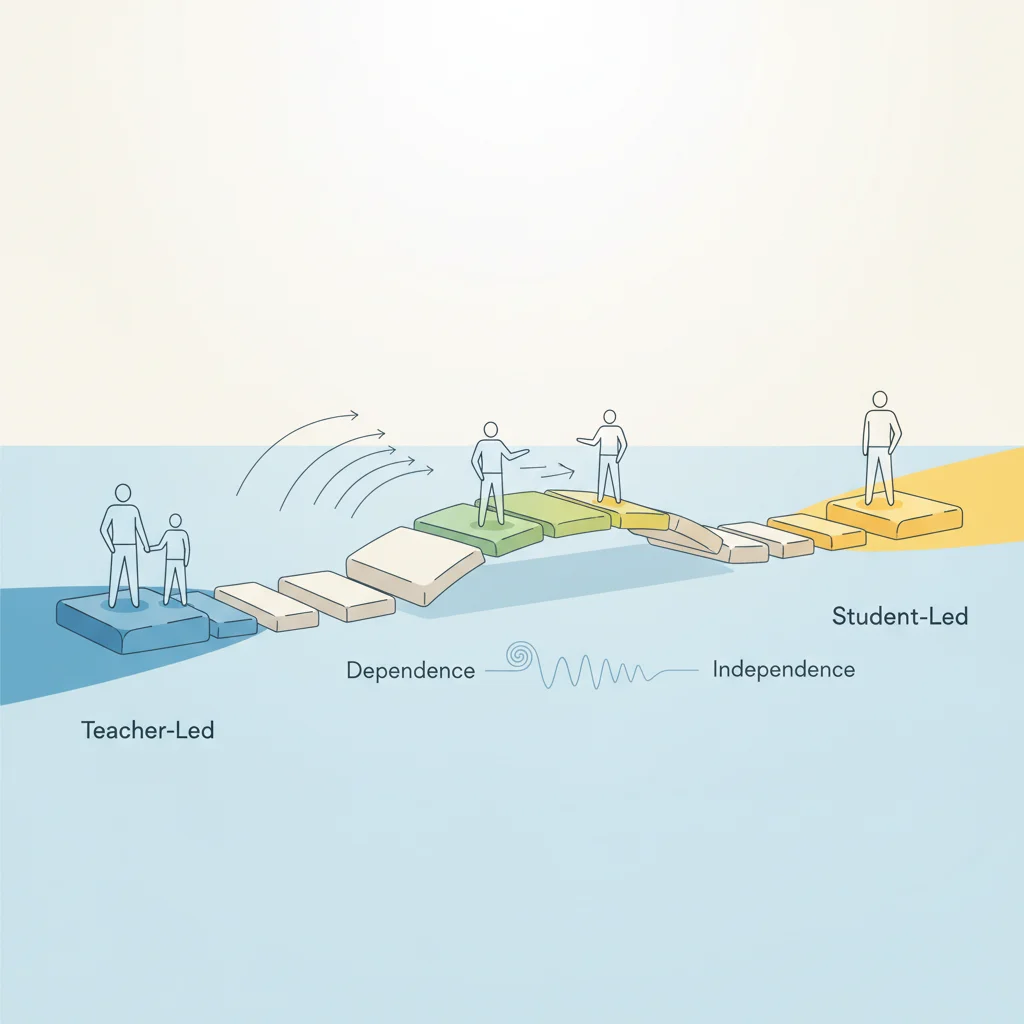
From Theory to Practice: The Gradual Release Model
{"left":"Modelled Learning: Teacher demonstrates and thinks aloud\nGuided Practice: Teacher and students work together\nIndependent Practice: Students apply learning autonomously","right":"Student Agency: Learners take ownership of their learning journey\nClear learning intentions and success criteria\nRegular feedback and self-assessment opportunities"}
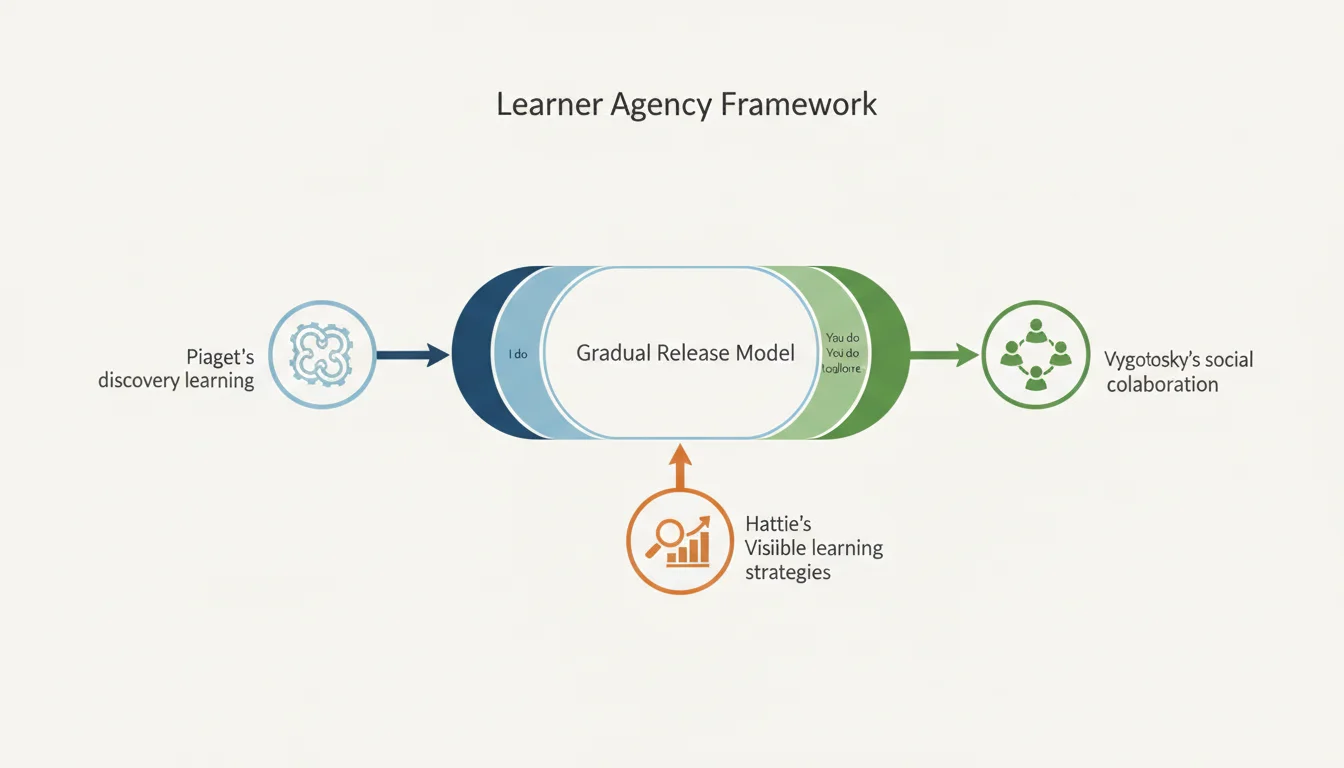
Pedagogical Integration Framework
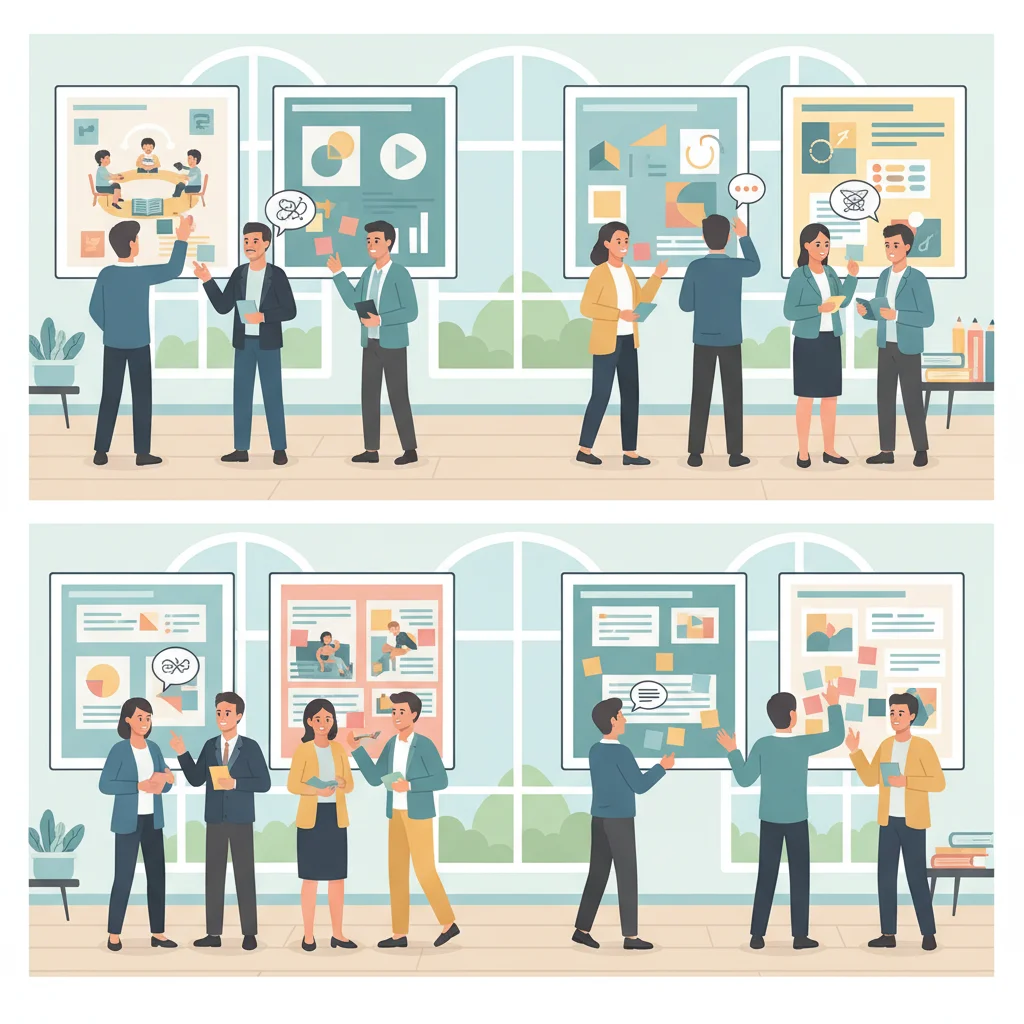
Collaborative Gallery Walk: Theory in Action
Small groups analyze real classroom scenarios Compare Piagetian discovery learning examples Examine Vygotsky's social collaboration strategies Review Hattie's visible learning techniques Add post-it note suggestions for deeper learner agency integration Use Gradual Release Model as your analysis framework
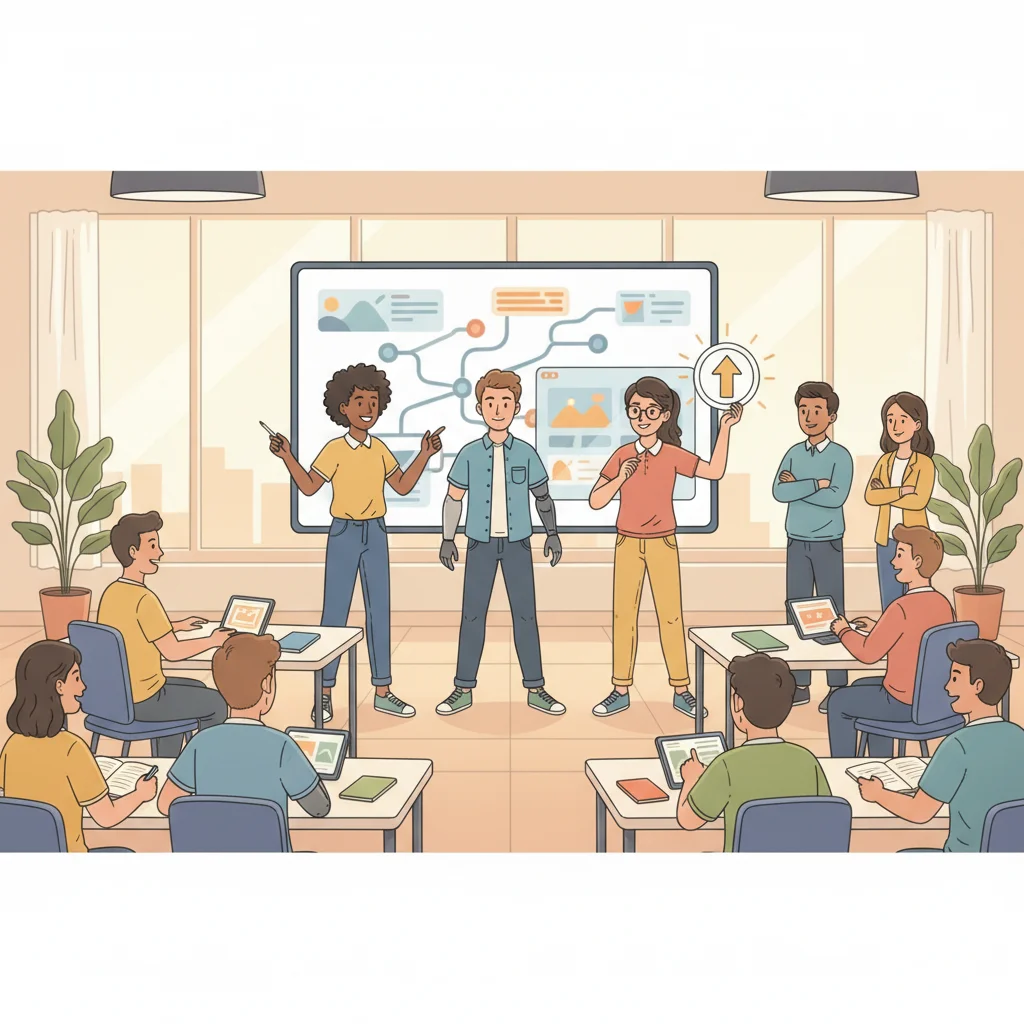
Embedding Learner Agency: Moving Forward
'The goal is not to make learning easier, but to make learners more powerful.' - David Perkins Sustainable implementation strategies Building student voice and choice into daily practice Creating conditions for authentic ownership of learning
More Professional Development / Pedagogy slide decks
Other ready-to-teach professional development / pedagogy decks for New Zealand classrooms.
