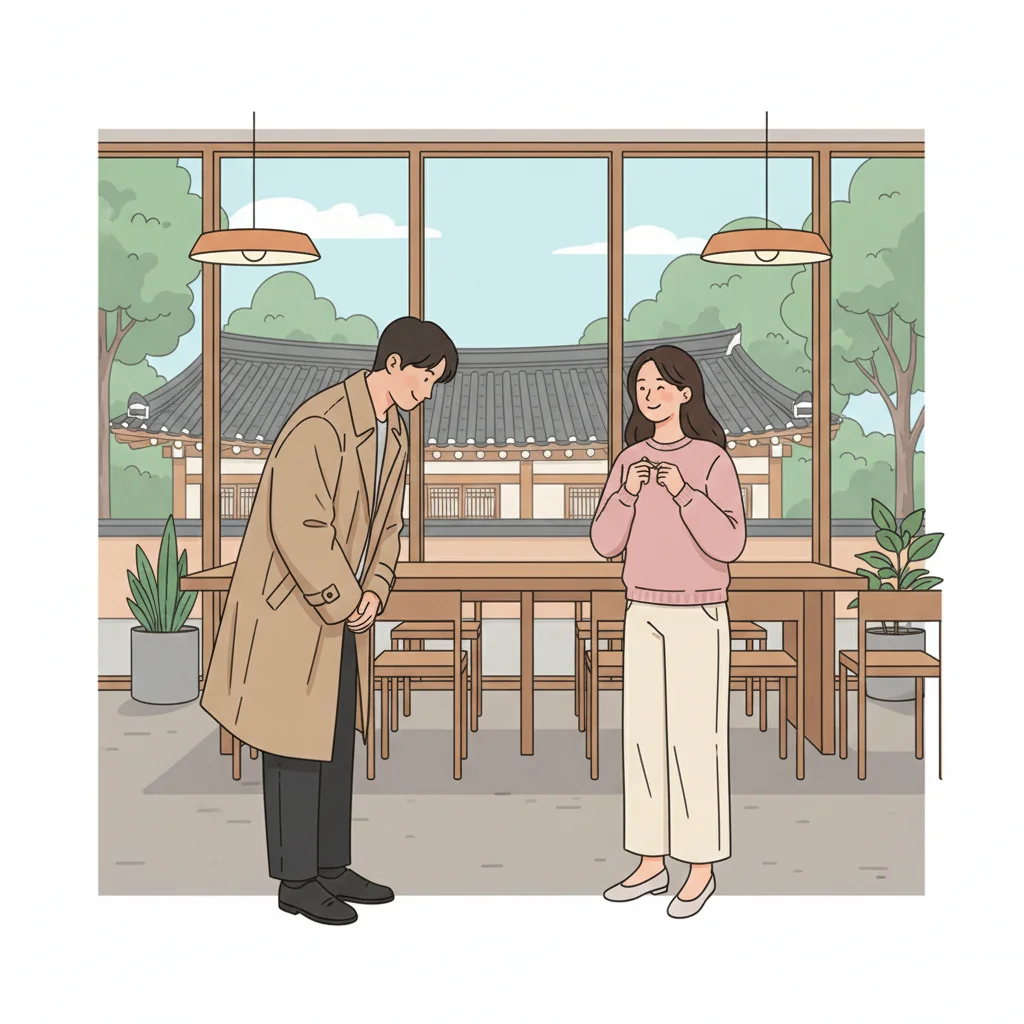
Korean First Meeting Essentials
Learn key questions and answers for meeting someone new Essential Korean phrases for beginners Building confidence in Korean conversation
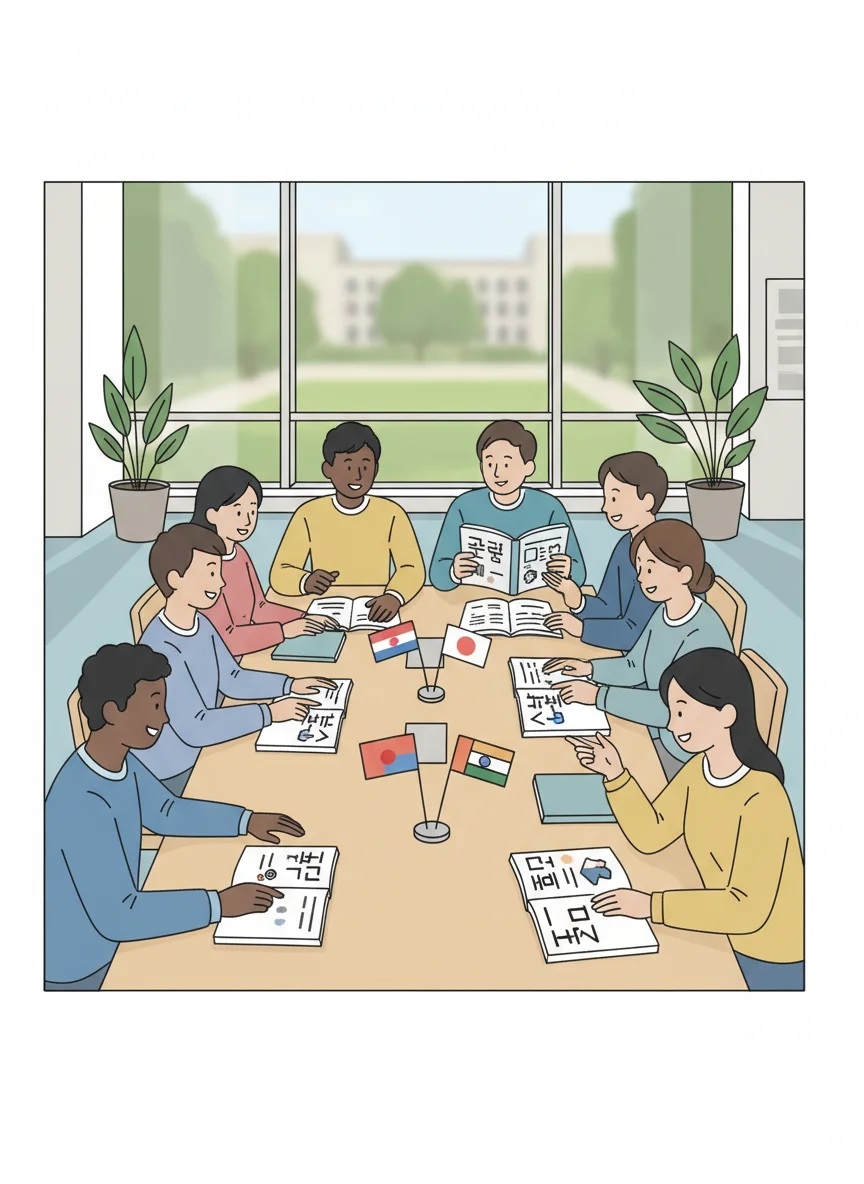
Why Learn Korean Greetings?
Korean culture values respect and politeness Proper greetings show cultural understanding Essential for travel, work, and friendships Opens doors to Korean language learning
Basic Korean Greeting: 안녕하세요
안녕하세요 (annyeonghaseyo) = Hello Used in formal and semi-formal situations Safe to use with anyone you meet Pronounced: ahn-nyeong-ha-se-yo
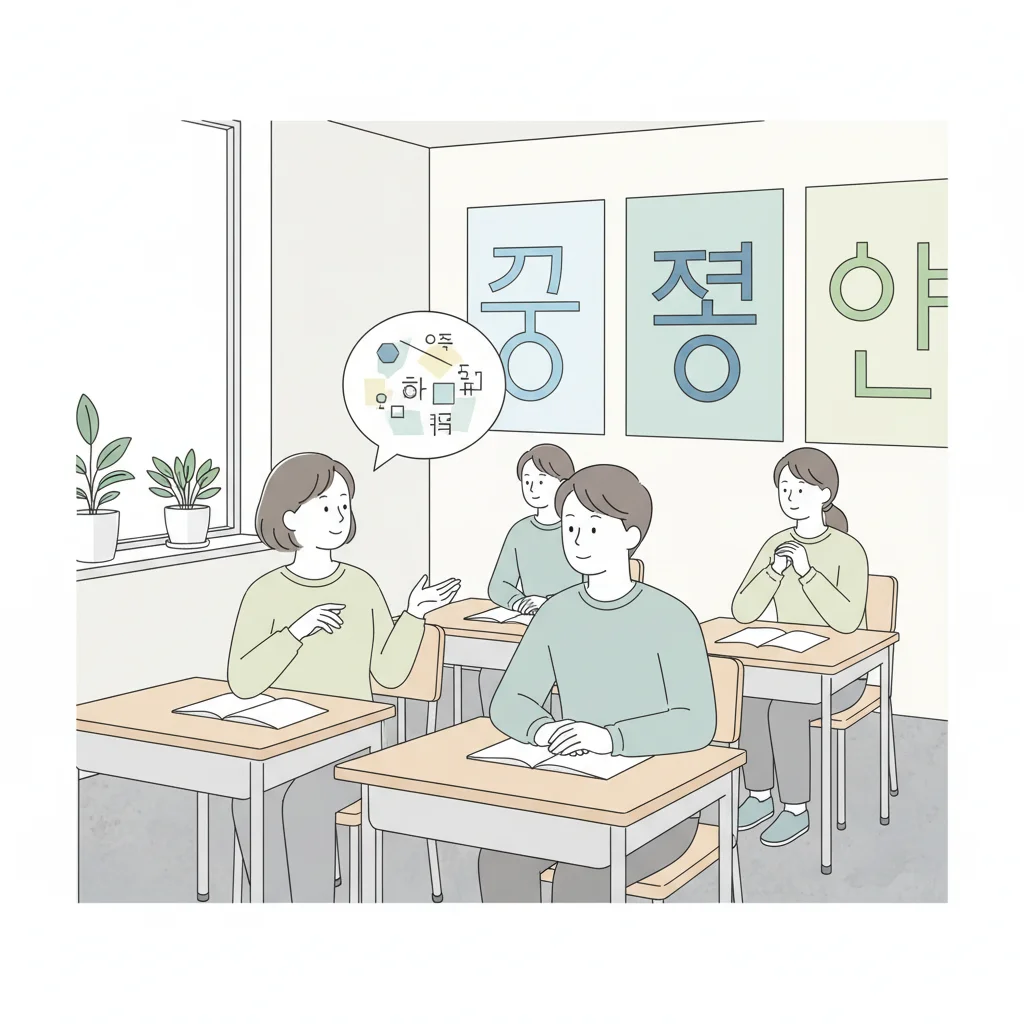
Pronunciation Practice
Listen and repeat: 안녕하세요 Practice with a partner Focus on the 'ng' sound in 안녕 Remember the rising tone at the end

Introducing Yourself: 저는... 입니다
저는 (jeoneun) = I am (formal) 입니다 (imnida) = to be (formal ending) Example: 저는 사라입니다 (I am Sarah) Always use formal speech with new people

Asking Someone's Name
{"left":"성함이 어떻게 되세요?\n(What is your name? - very formal)\n이름이 뭐예요?","right":"(What is your name? - polite)\nFirst option shows more respect\nUse with adults or in professional settings"}
Cultural Question
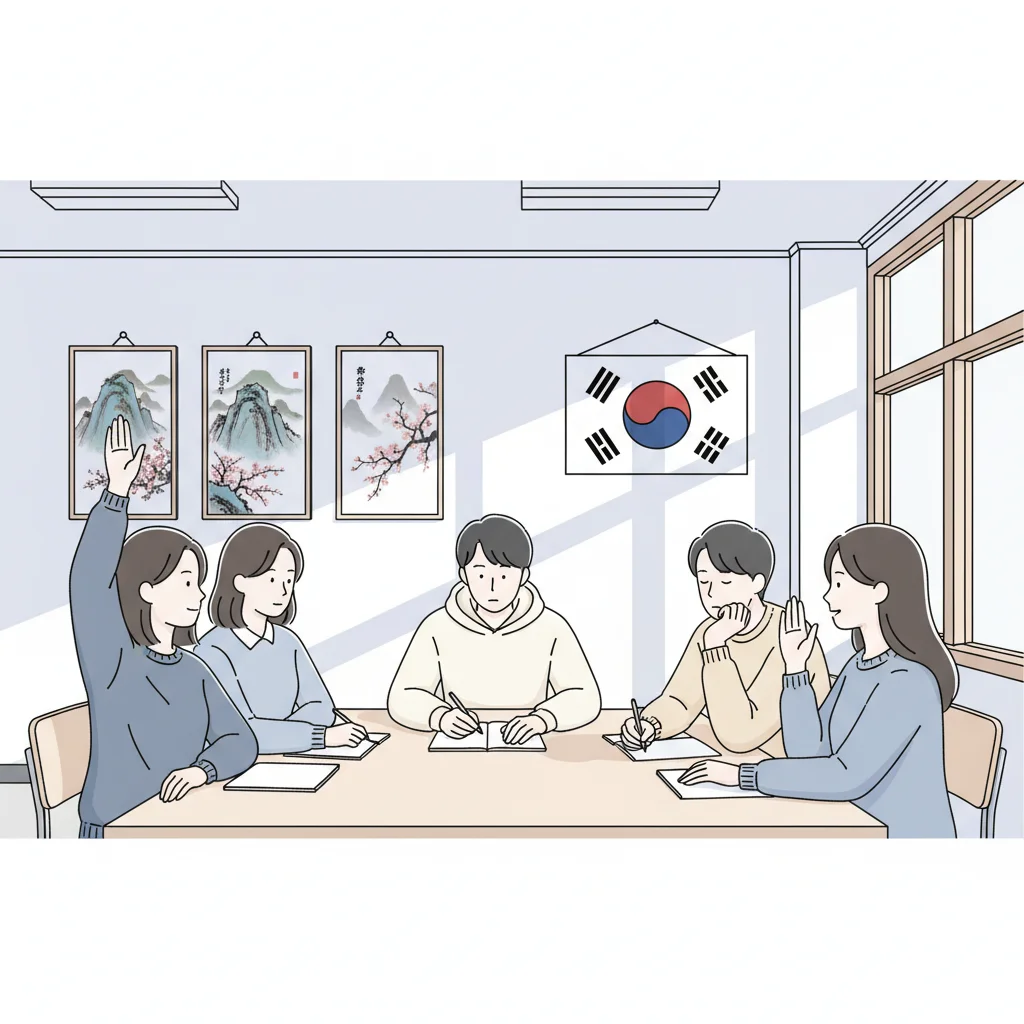
Why do you think Koreans have different levels of formality in their language? How does this compare to English? What does this tell us about Korean culture?
Asking 'How are you?' - 어떻게 지내세요?
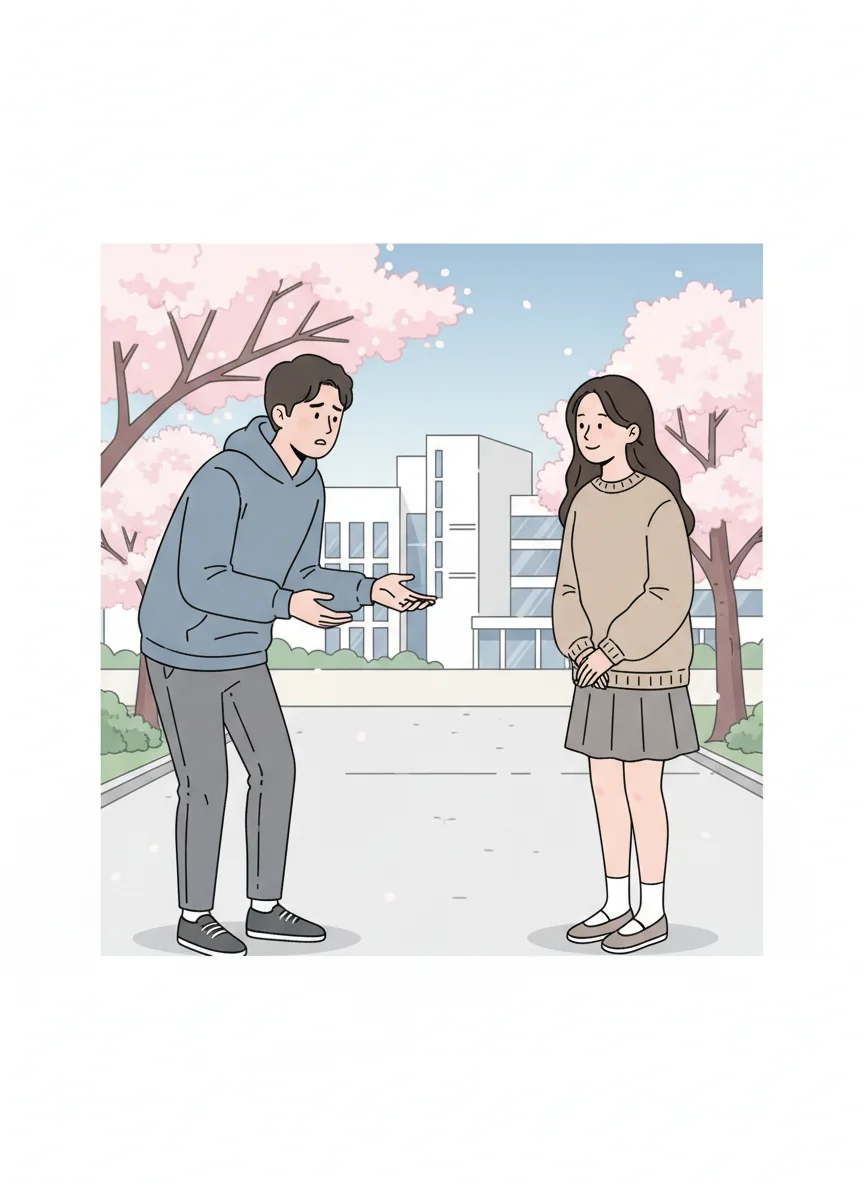
어떻게 지내세요? = How are you doing? Pronounced: eo-tteo-ke ji-nae-se-yo More personal than just saying hello Shows genuine interest in the person
Role-Play Activity
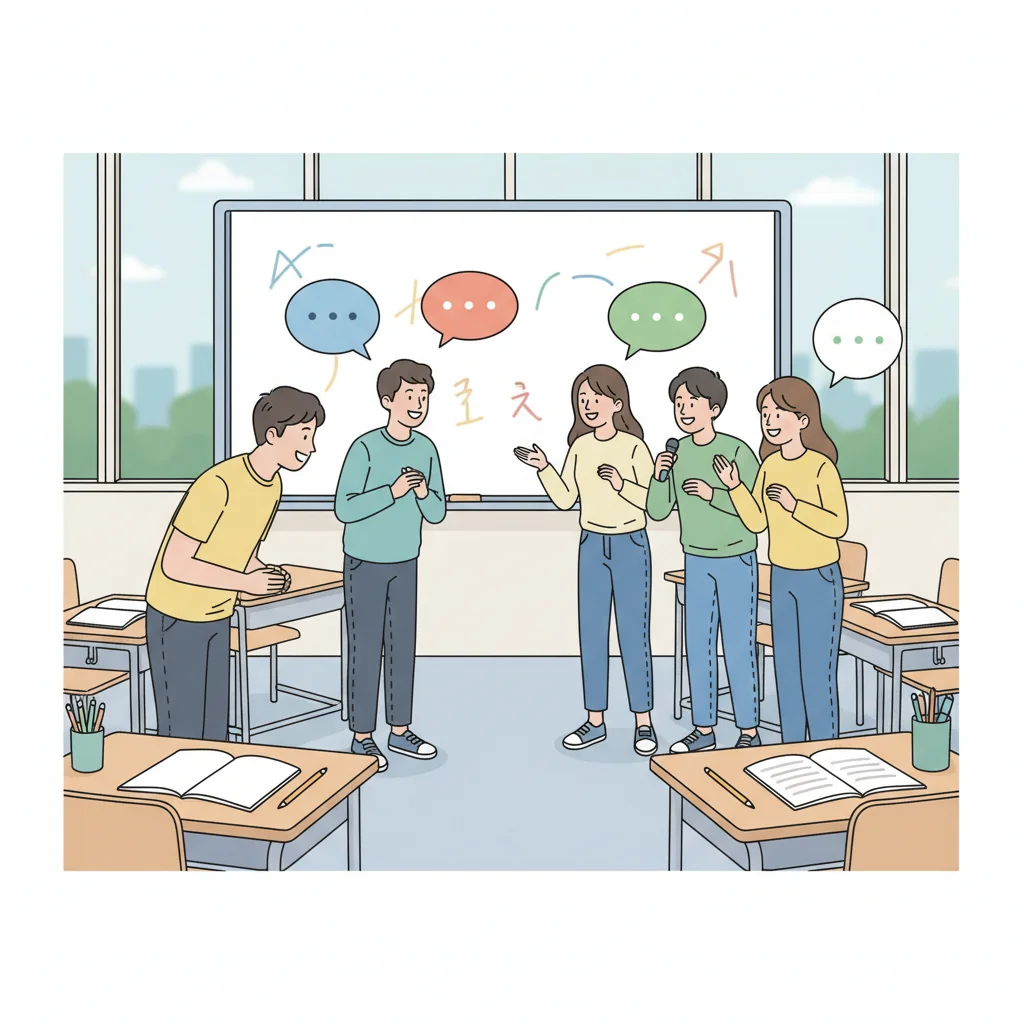
Student A: Greet and introduce yourself Student B: Respond and ask their name Student A: Ask how they are doing Student B: Respond positively Switch roles and repeat
Summary: Your Korean First Meeting Toolkit
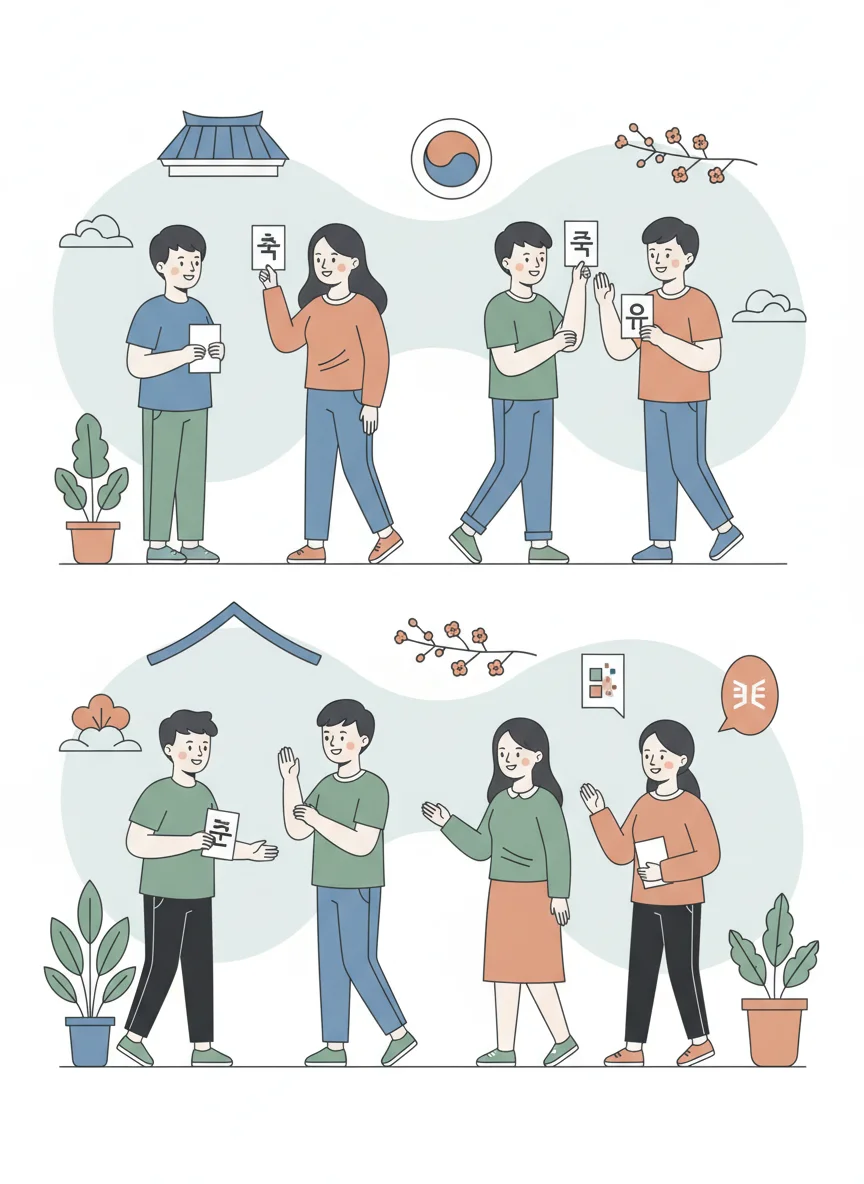
안녕하세요 - Hello (universal greeting) 저는 ___입니다 - I am ___ (self-introduction) 성함이 어떻게 되세요? - What's your name? (formal) 어떻게 지내세요? - How are you doing? Remember: Use formal speech with new people! Practice makes perfect - keep using these phrases!