
Vietnam War: Music of Protest
Year 10 Social Studies Understanding perspectives through protest songs How music reflected social movements of the 1960s-70s
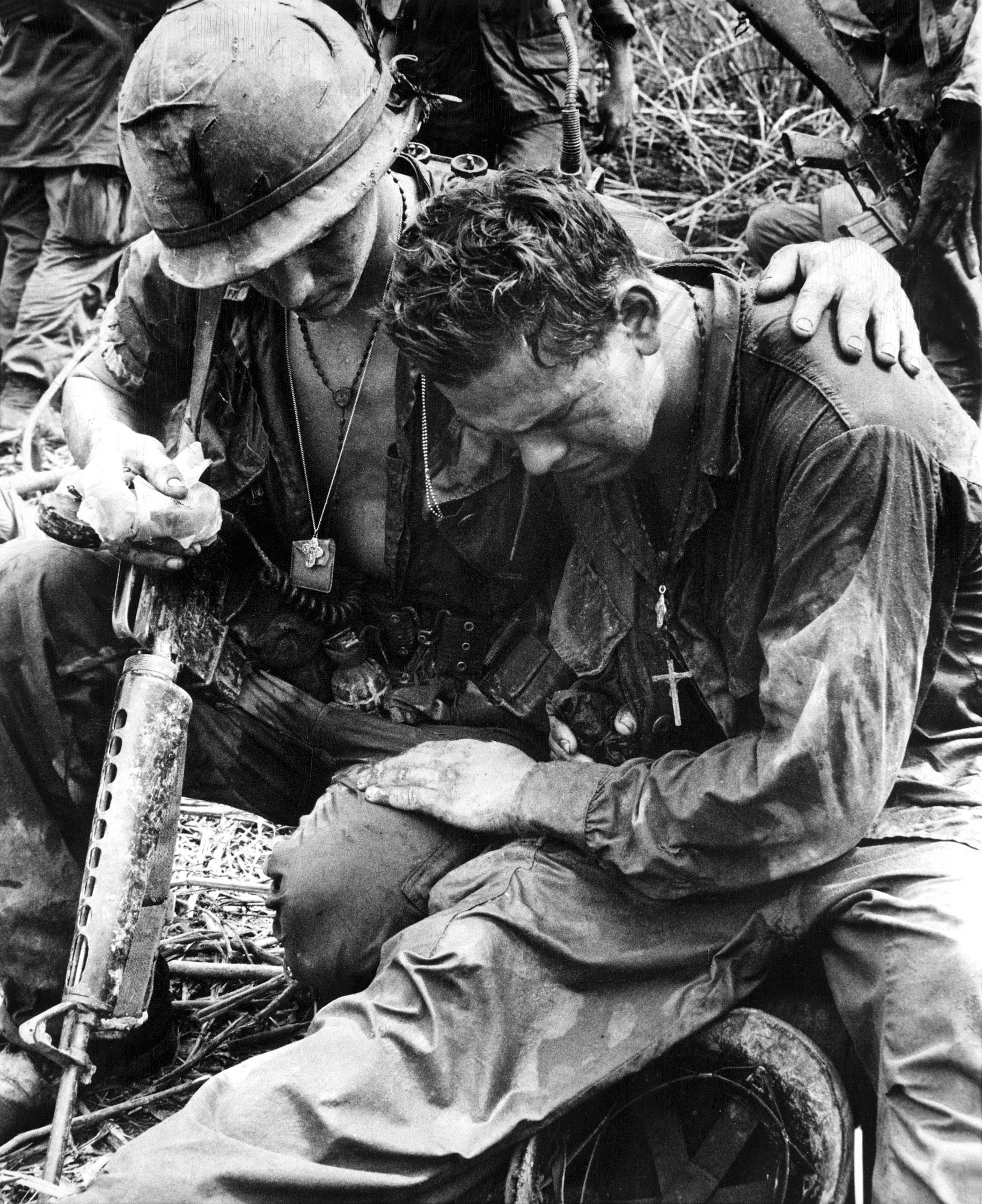
The Vietnam War Context (1955-1975)
Cold War conflict between North and South Vietnam US military involvement escalated from 1964 Over 58,000 American deaths by war's end Controversial war with unclear objectives Growing opposition at home, especially among youth

Why do you think music became such a powerful form of protest?
Think about: How music reaches people emotionally The role of radio and television in the 1960s Youth culture and generational differences

Key Protest Songs and Their Messages
'Blowin' in the Wind' (Bob Dylan, 1963) - questioning war and injustice 'Fortunate Son' (CCR, 1969) - class inequality in military service 'Give Peace a Chance' (John Lennon, 1969) - simple anti-war message 'Ohio' (CSNY, 1970) - response to Kent State shootings 'War' (Edwin Starr, 1970) - direct condemnation of conflict
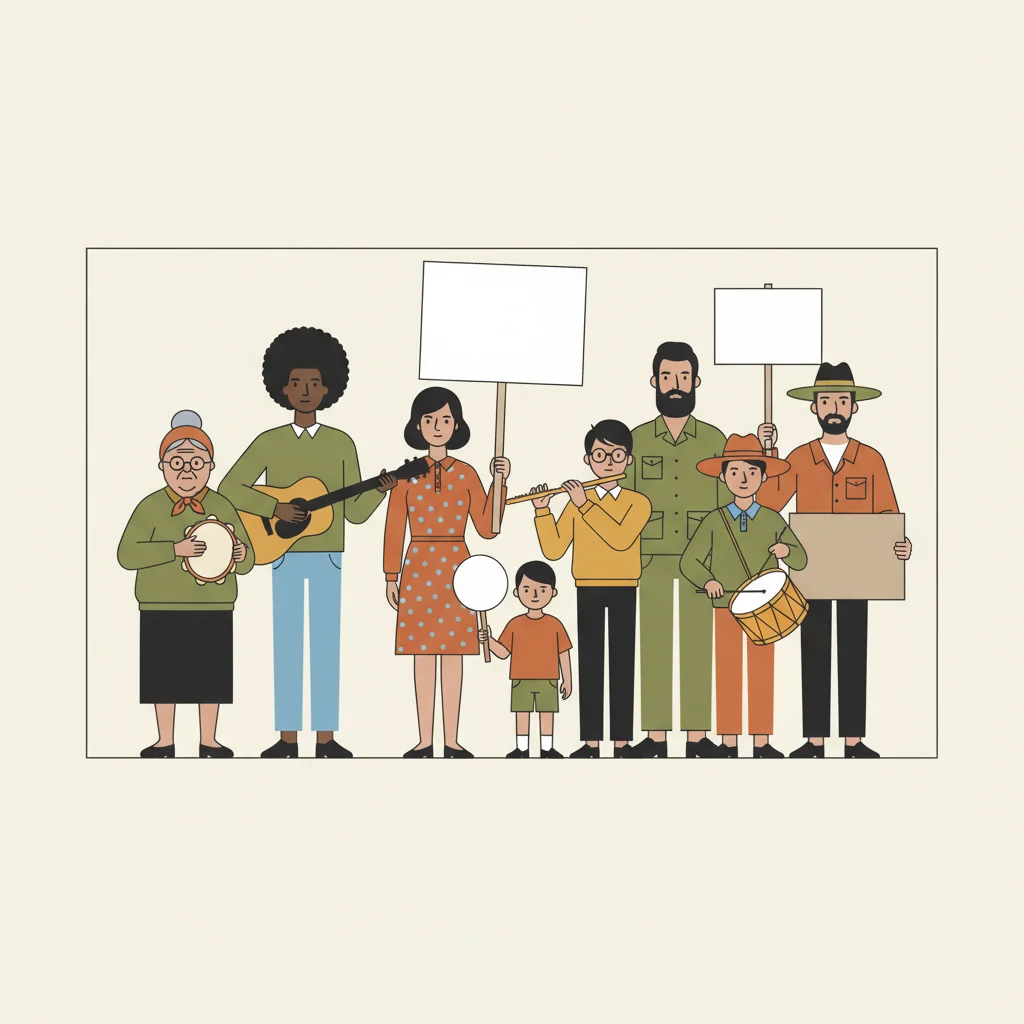
Perspectives in Protest Music
{"left":"Anti-war activists: War is morally wrong and unnecessary\nYoung men facing draft: Fear of being forced to fight\nParents of soldiers: Worry for their children's safety","right":"Civil rights activists: Linked war to domestic inequality\nMusicians and artists: Responsibility to speak truth to power\nWorking-class families: Sons fighting while rich kids got deferments"}
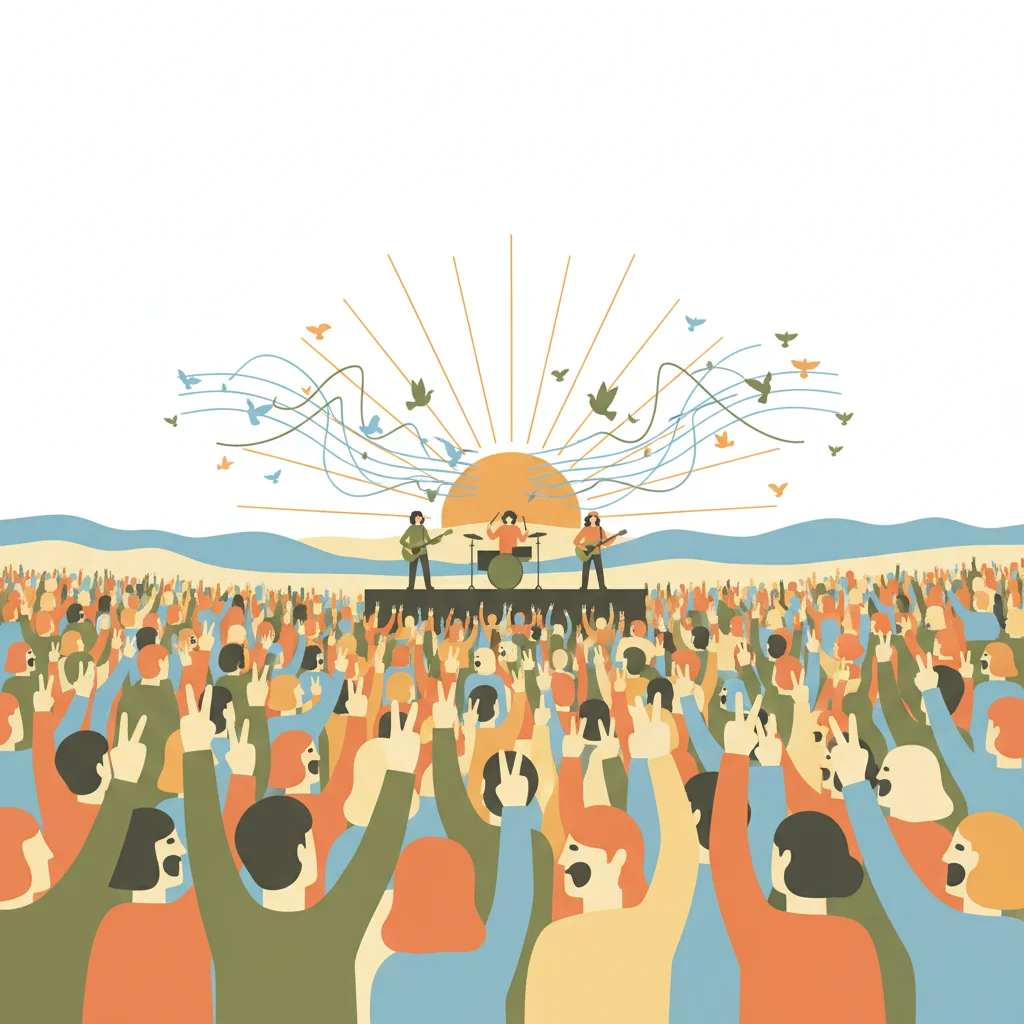
The Power of Music to Unite
'Music can change the world because it can change people.' - Bono How protest songs became anthems for the anti-war movement

Song Analysis Activity
Choose one protest song from the list Listen to the lyrics carefully Identify: What perspective does it represent? What specific issues or events inspired it? How does the music enhance the message? Share your findings with a partner

Social Issues That Inspired Protest Songs
Military draft and conscription Class inequality in military service Civil rights and racial injustice Government dishonesty about war progress Campus protests and student activism Generational conflict over values Economic costs of war vs. domestic needs
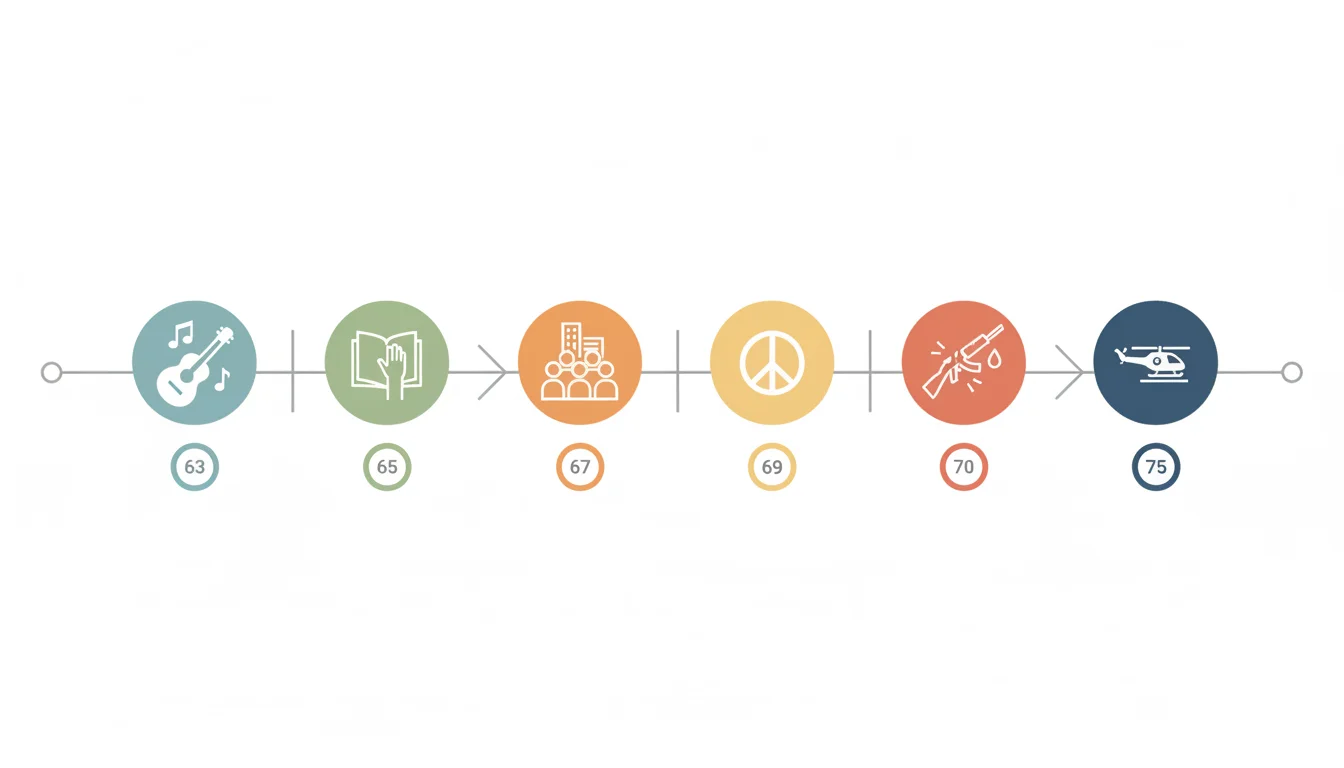
Timeline: Music and Anti-War Movement
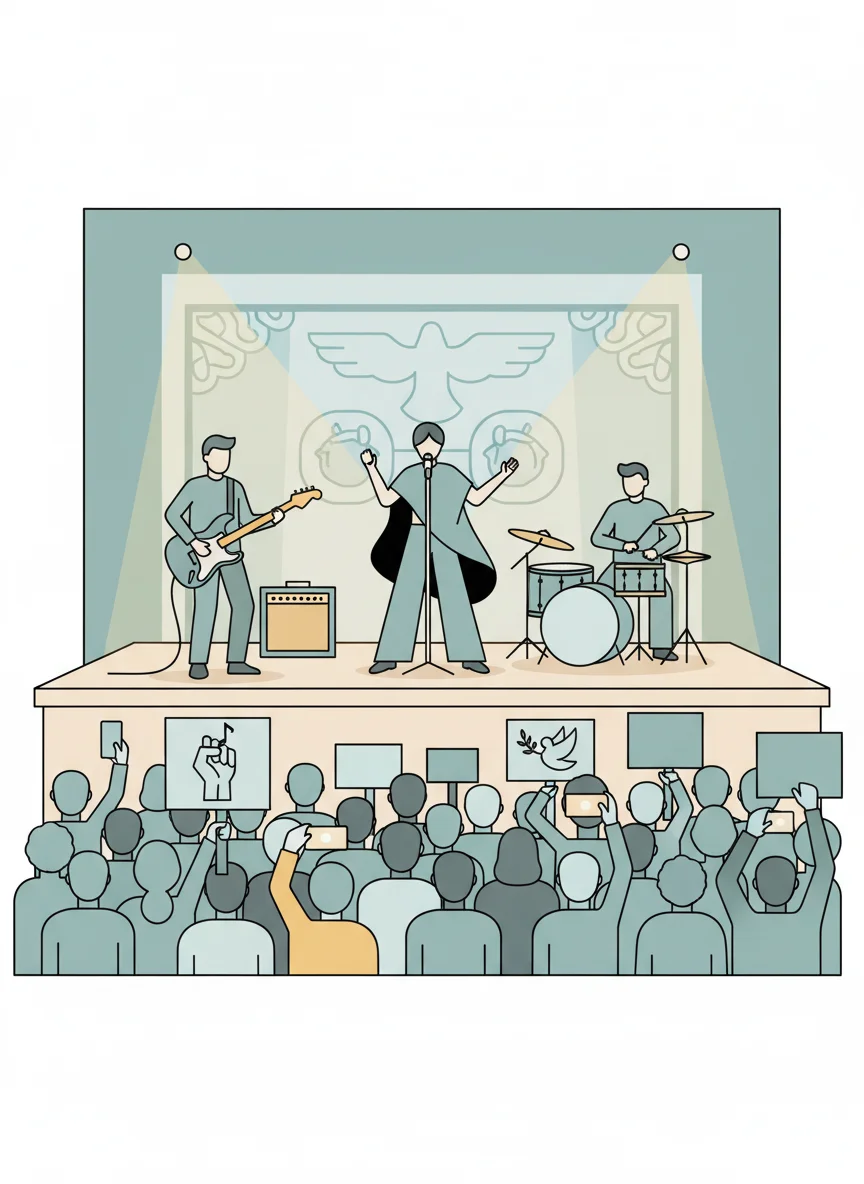
Legacy and Impact
Protest songs helped turn public opinion against the war Demonstrated music's power as a form of political expression Influenced later protest movements and musicians Showed how artists can reflect and shape social consciousness Created lasting cultural memory of the anti-war movement Established tradition of musicians speaking out on social issues
More History/Social Studies slide decks
Other ready-to-teach history/social studies decks for New Zealand classrooms.

Evaluating Sources: Bias, Reliability, Perspective
Evaluating Sources: Bias, Reliability, Perspective
St Patrick's Day: History and Fun
St Patrick's Day: History and Fun

Te Tiriti: New Zealand's Founding Document
