Volume and Capacity Exploration
📏 Part 1: Understanding Volume and Capacity
1. What is the difference between volume and capacity? Fill in the blanks:
Volume is the amount of _________________ that a 3D object occupies.
Capacity is the amount that a _________________ can hold.
2. Circle the correct unit of measurement for each item:
A water bottle:
litres
millilitres
A swimming pool:
litres
millilitres
A teaspoon of medicine:
litres
millilitres
A milk carton:
litres
millilitres
🔢 Part 2: Estimation Practice
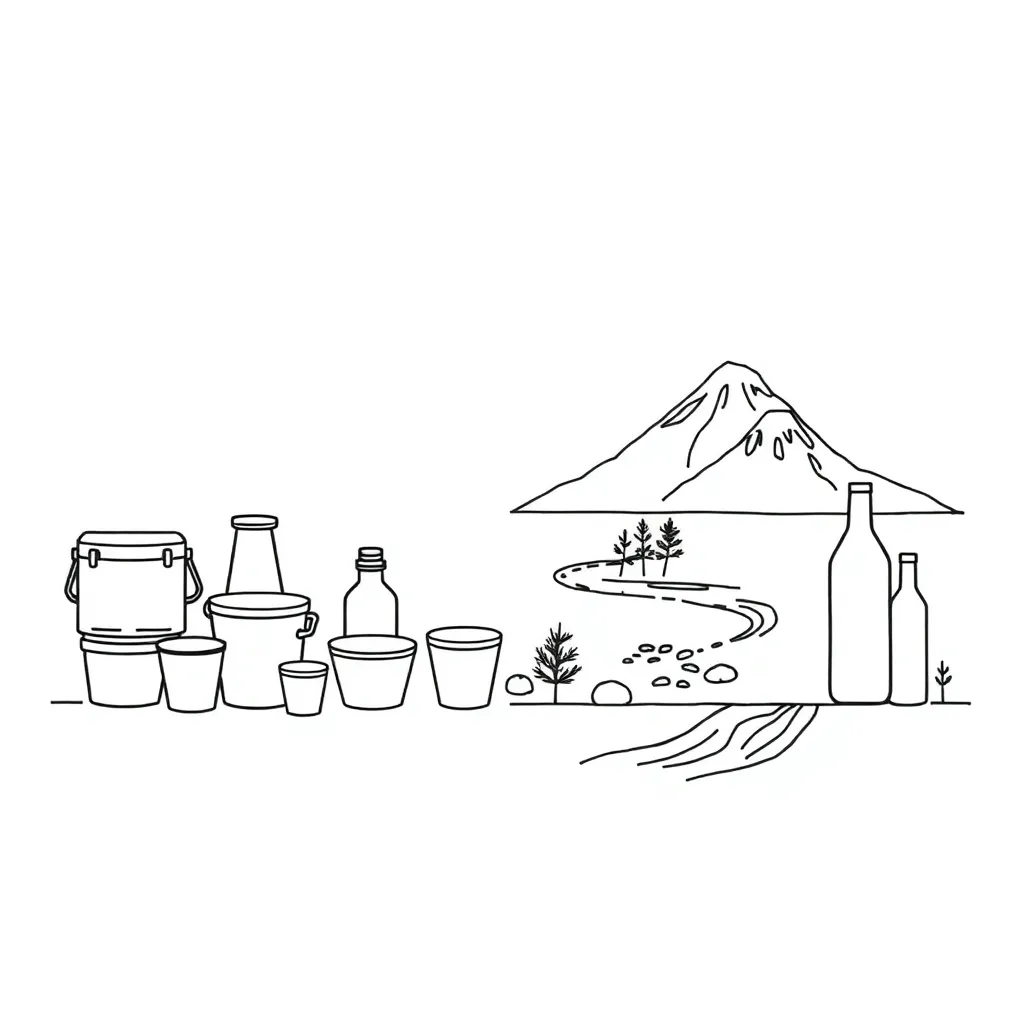
3. Look at the containers your teacher shows you. Estimate their capacity:
Container A: My estimate: _______ litres/millilitres
Container B: My estimate: _______ litres/millilitres
Container C: My estimate: _______ litres/millilitres
4. Now measure the actual capacity and record your results:
Container A: Actual measurement: _______ litres/millilitres
Container B: Actual measurement: _______ litres/millilitres
Container C: Actual measurement: _______ litres/millilitres
5. Which estimate was closest to the actual measurement? Why do you think that happened?
🧮 Part 3: Volume with Blocks
6. Before filling your container with centicubes, estimate how many blocks will fit:
My estimate: _______ blocks
7. After filling the container, record the actual number:
Actual number: _______ blocks
8. Draw your container filled with blocks in the space below:
9. Was your estimate close? What helped you make a good estimate?
🏠 Part 4: Real-Life Connections
10. Match each item with its most likely capacity:
1. Coffee mug
2. Bathtub
3. Eye dropper
4. Kitchen sink
A. 200 litres
B. 1 millilitre
C. 20 litres
D. 250 millilitres
11. Check all the places where you might use volume or capacity measurements in real life:
Cooking and baking
Filling a car with petrol
Taking medicine
Watering plants
Filling a swimming pool
Making a drink
🤔 Part 5: Problem Solving
12. Sarah has a 2-litre jug. She wants to fill 8 cups that each hold 250 millilitres. Does she have enough water? Show your working:
13. Convert these measurements:
1000 millilitres = _______ litre
2 litres = _______ millilitres
500 millilitres = _______ of a litre
14. Circle the container that would have the GREATEST capacity:
A tall, thin bottle
A short, wide bowl
A medium-sized cube-shaped box
15. Explain your thinking for question 14:
⭐ Part 6: Reflection
16. What was the most surprising thing you learned about volume and capacity today?
17. How will you use what you've learned about volume and capacity outside of school?
18. Rate your understanding of volume and capacity:
I understand it very well and can explain it to others
I understand most of it but need a bit more practice
I understand some of it but need more help
I need lots more help to understand it