MathsFreePrintable

Volume and Capacity Measurement

A free maths worksheet ready for your classroom. Open in Kuraplan to grab the print-ready PDF, customize it for your students, or generate a fresh version in seconds.
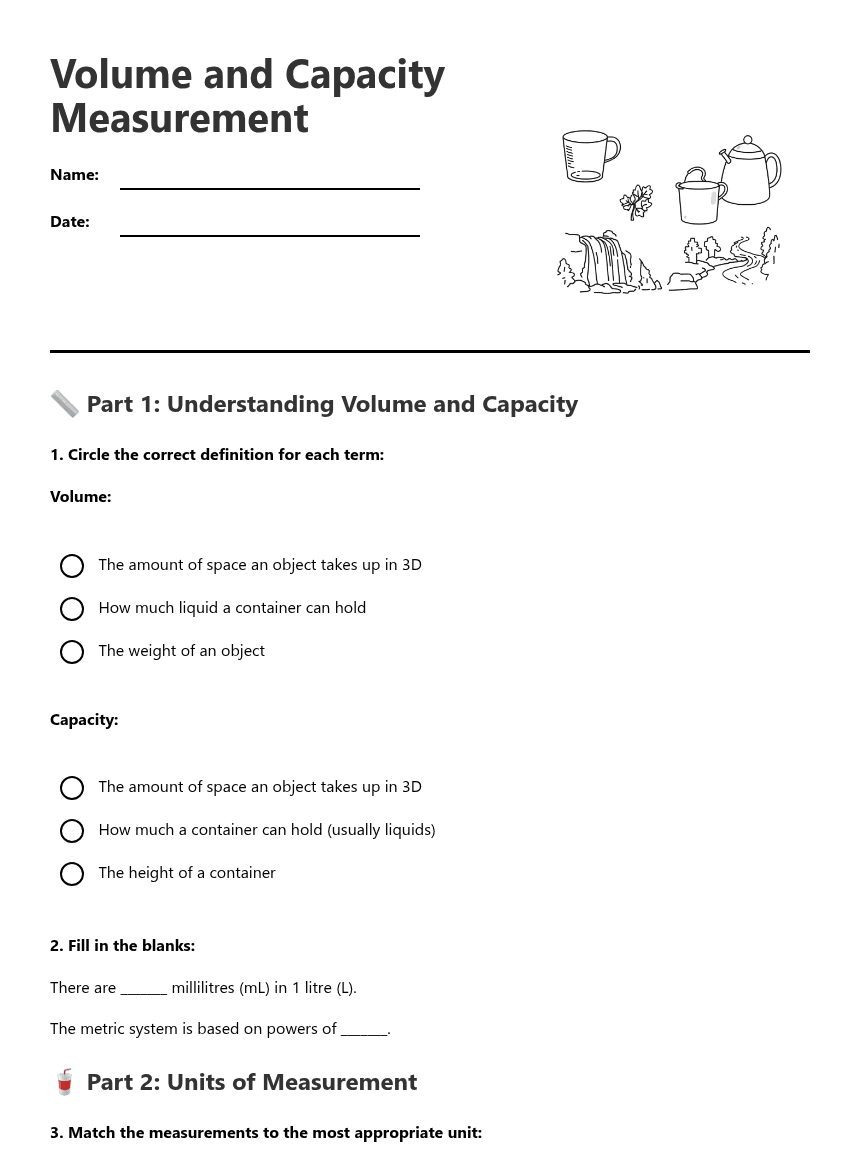
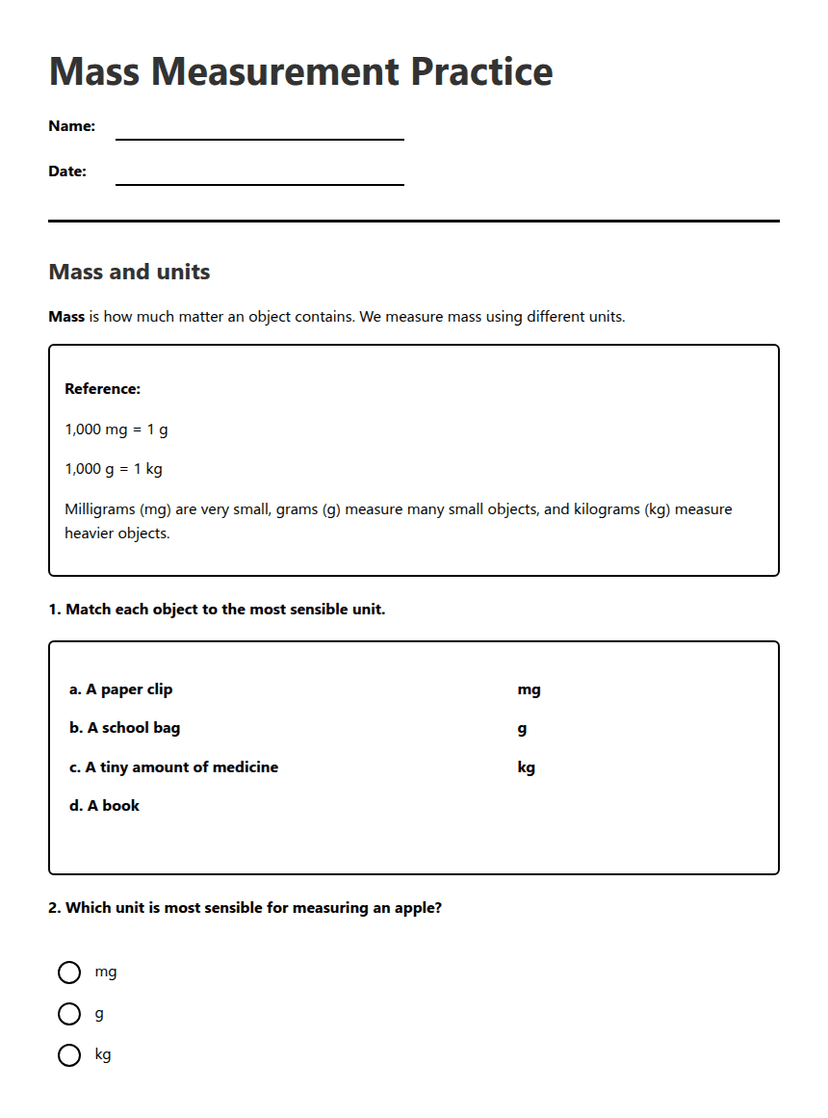
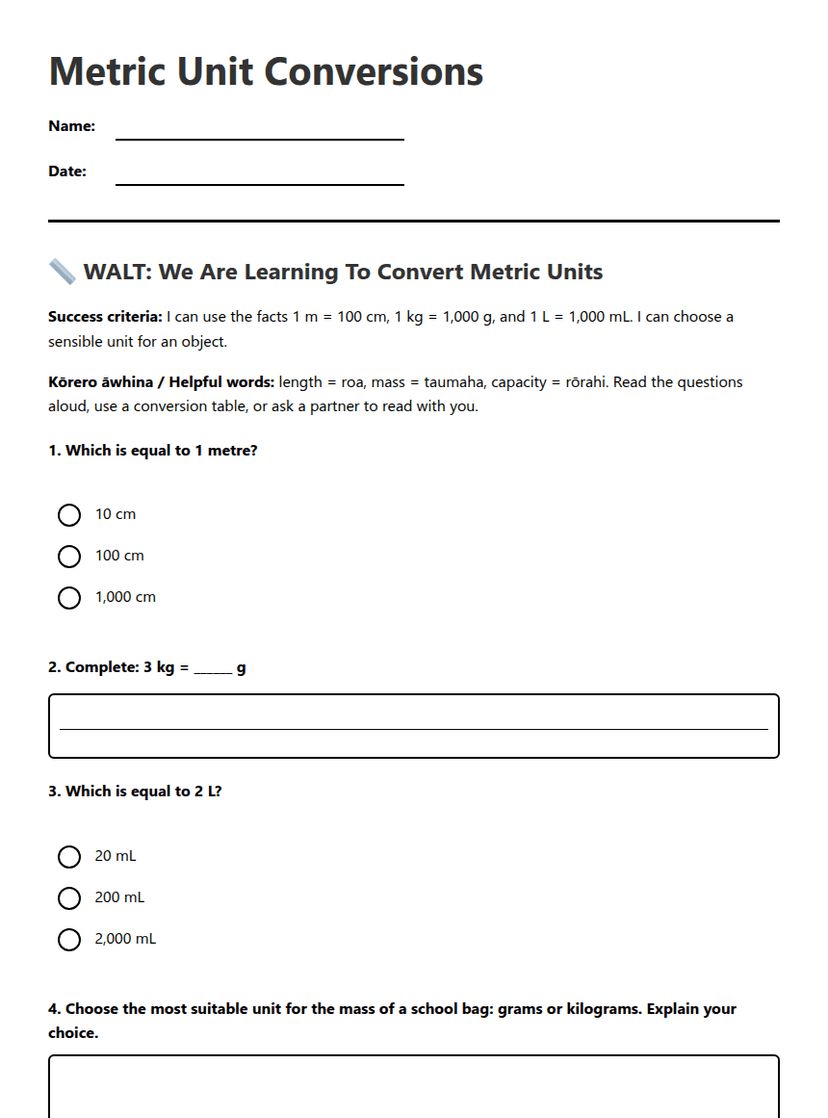
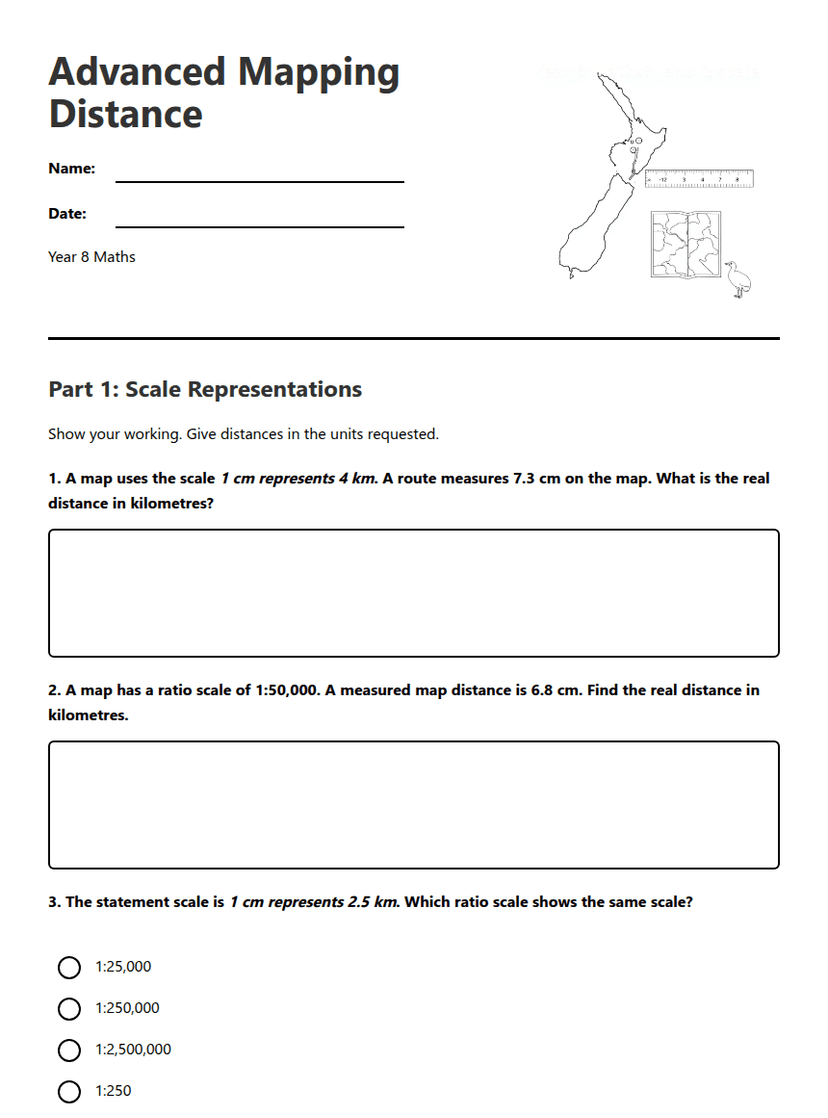
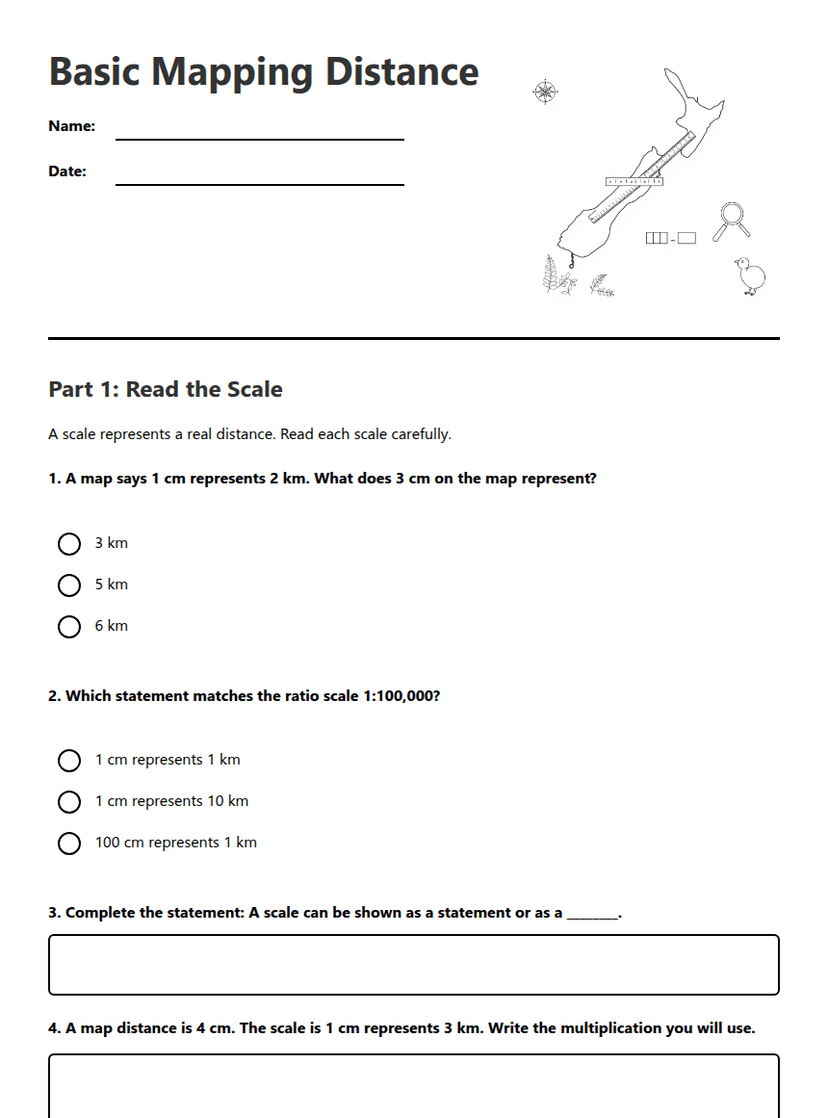
Volume and Capacity Measurement worksheet preview
Volume and Capacity Measurement

Volume and Capacity Measurement

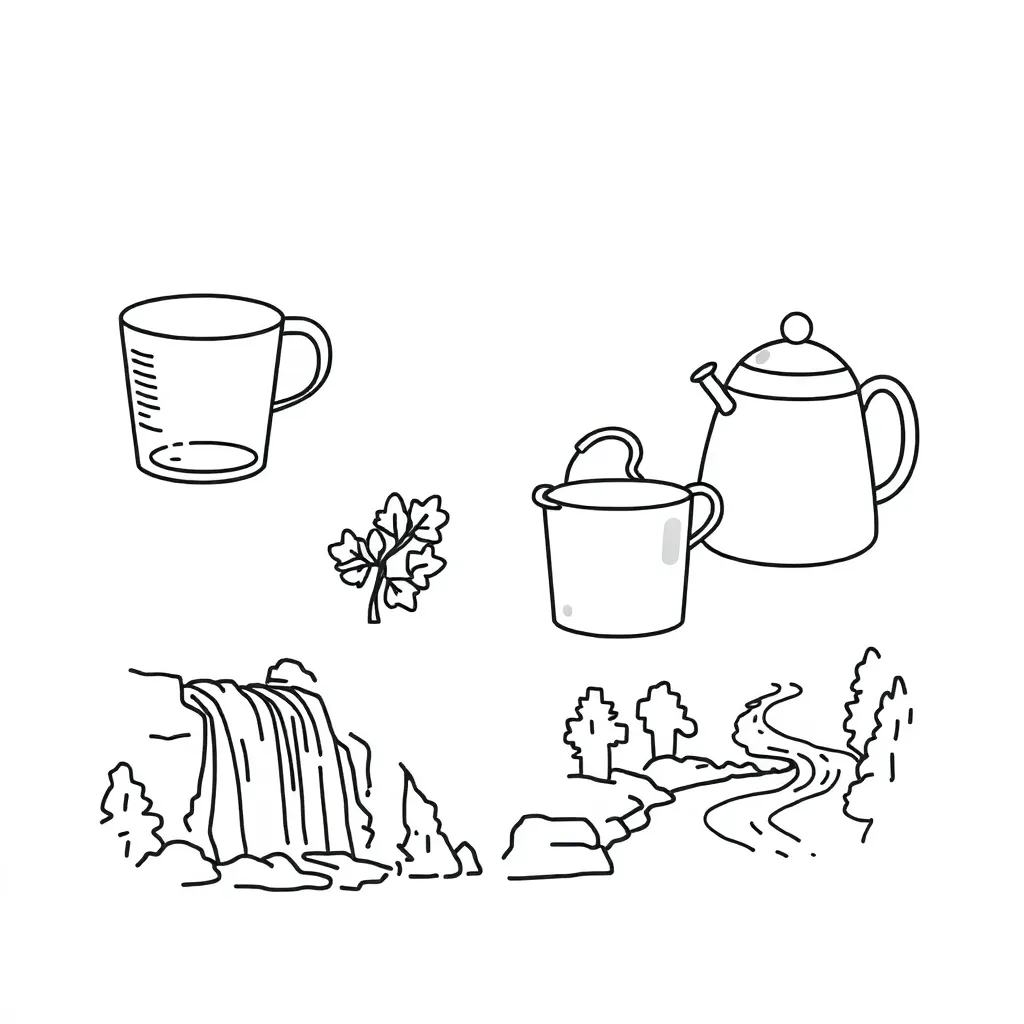
Measuring cups and containers illustration

📏 Part 1: Understanding Volume and Capacity

1. Circle the correct definition for each term:

Volume:

The amount of space an object takes up in 3D

How much liquid a container can hold

The weight of an object

Capacity:

The amount of space an object takes up in 3D

How much a container can hold (usually liquids)

The height of a container

2. Fill in the blanks:

There are _______ millilitres (mL) in 1 litre (L).

The metric system is based on powers of _______.

🥤 Part 2: Units of Measurement

3. Match the measurements to the most appropriate unit:
1. A teaspoon of medicine
2. A swimming pool
3. A water bottle
4. A coffee cup
A. 250 mL
B. 5 mL
C. 50,000 L
D. 600 mL
4. Convert these measurements:

2 litres = _______ mL

3500 mL = _______ L and _______ mL

Half a litre = _______ mL

🔬 Part 3: Measuring Activity Recording

5. Record your group's measurements from today's activity:

Container 1:

Estimated capacity: _______ mL

Actual measured volume: _______ mL

Difference: _______ mL

Container 2:

Estimated capacity: _______ mL

Actual measured volume: _______ mL

Difference: _______ mL

Container 3:

Estimated capacity: _______ mL

Actual measured volume: _______ mL

Difference: _______ mL

6. Order your containers from smallest to largest capacity:

Smallest: Container _______

Middle: Container _______

Largest: Container _______

🤔 Part 4: Thinking About Measurements

7. Which container had the biggest difference between your estimate and the actual measurement? Why do you think this happened?
8. Check all the important things to remember when measuring liquids:

Read the measurement at eye level

Pour the liquid quickly

Use the correct measuring tool

Record your measurements carefully

Estimate first, then measure

9. Explain the difference between volume and capacity in your own words:

🏠 Part 5: Real-Life Applications

10. Draw and label three containers from your home. Write their approximate capacity next to each drawing:
11. A recipe calls for 1.5 litres of water. You only have a 250 mL measuring cup. How many times will you need to fill the measuring cup?
12. Circle the most reasonable capacity for a kitchen sink:

20 mL

20 L

200 L

2000 L

About This Worksheet

Free in Kuraplan

Sign up free, grab the PDF, and customize it for your class.

Print-Ready

Formatted for standard paper. Clean layout, easy to read.

AI-Generated

Created with Kuraplan's AI, designed for real classroom use.

For Teachers & Parents

Use in classrooms, for homework, tutoring, or homeschool.

Need a custom version of this worksheet?

Kuraplan's AI generates custom worksheets in seconds — differentiated for every learner, aligned to your curriculum.

Generate Custom Worksheets — Free
No credit card Curriculum-aligned Under 60 seconds