
AI Safety: Navigating Technology Together
Understanding Artificial Intelligence Digital Citizenship for Year 11 Safe and Responsible AI Use
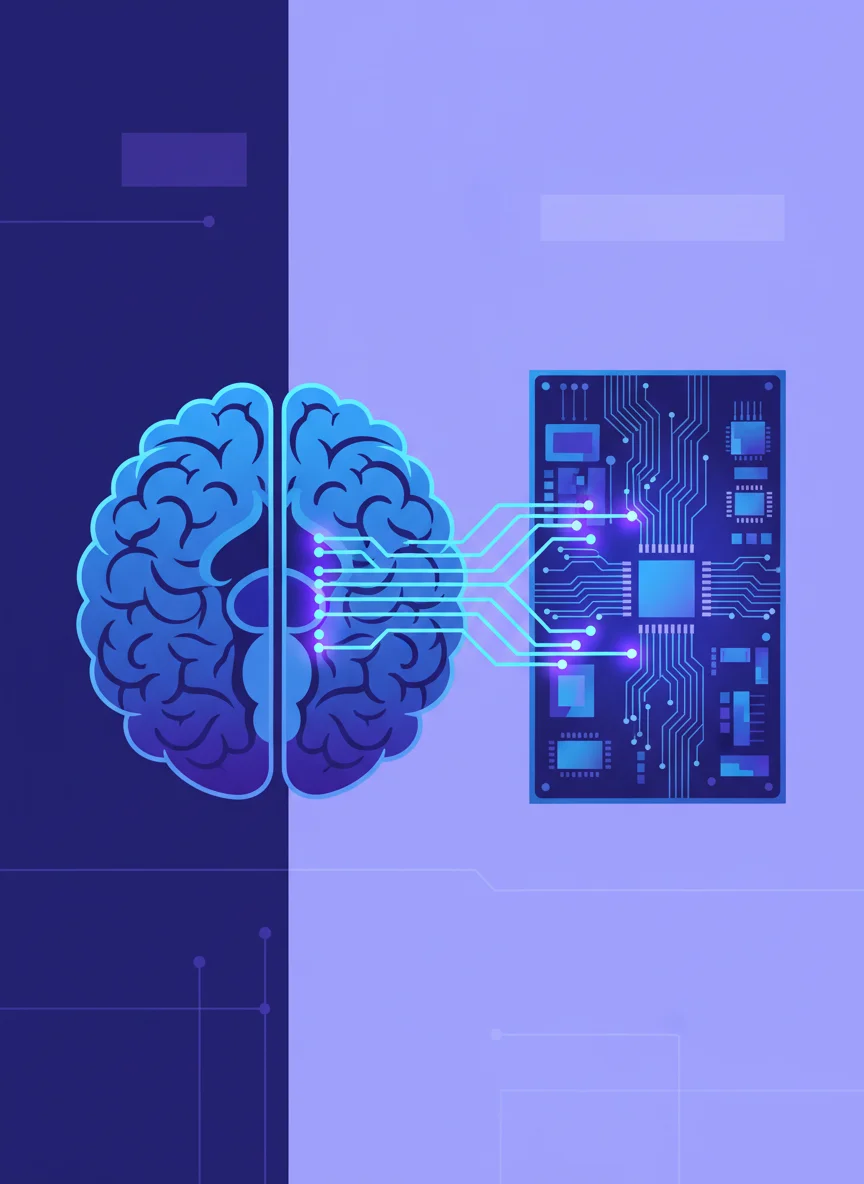
What is Artificial Intelligence?
Simulation of human intelligence by machines Includes learning, reasoning, and self-correction Examples: Voice assistants, recommendation systems, chatbots Been developing since the 1950s, not just a recent trend
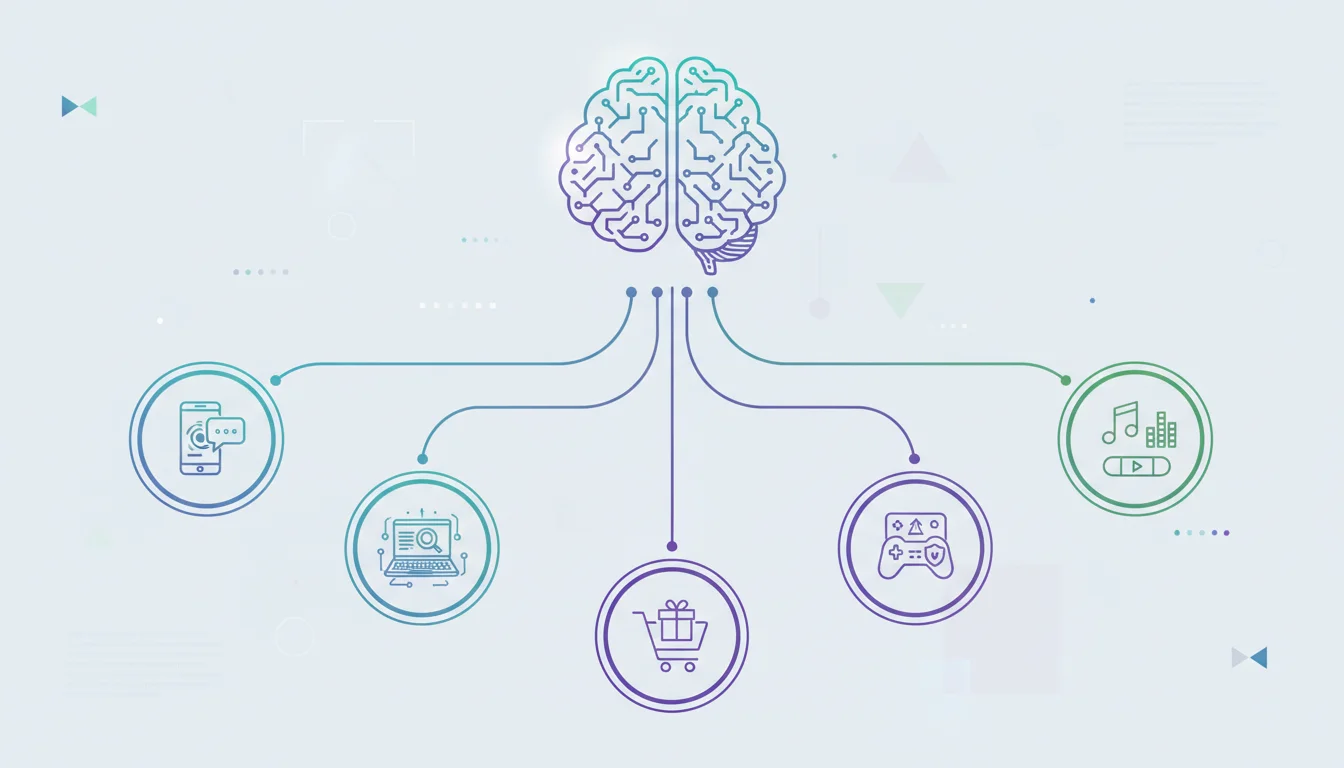
AI in Your Daily Life
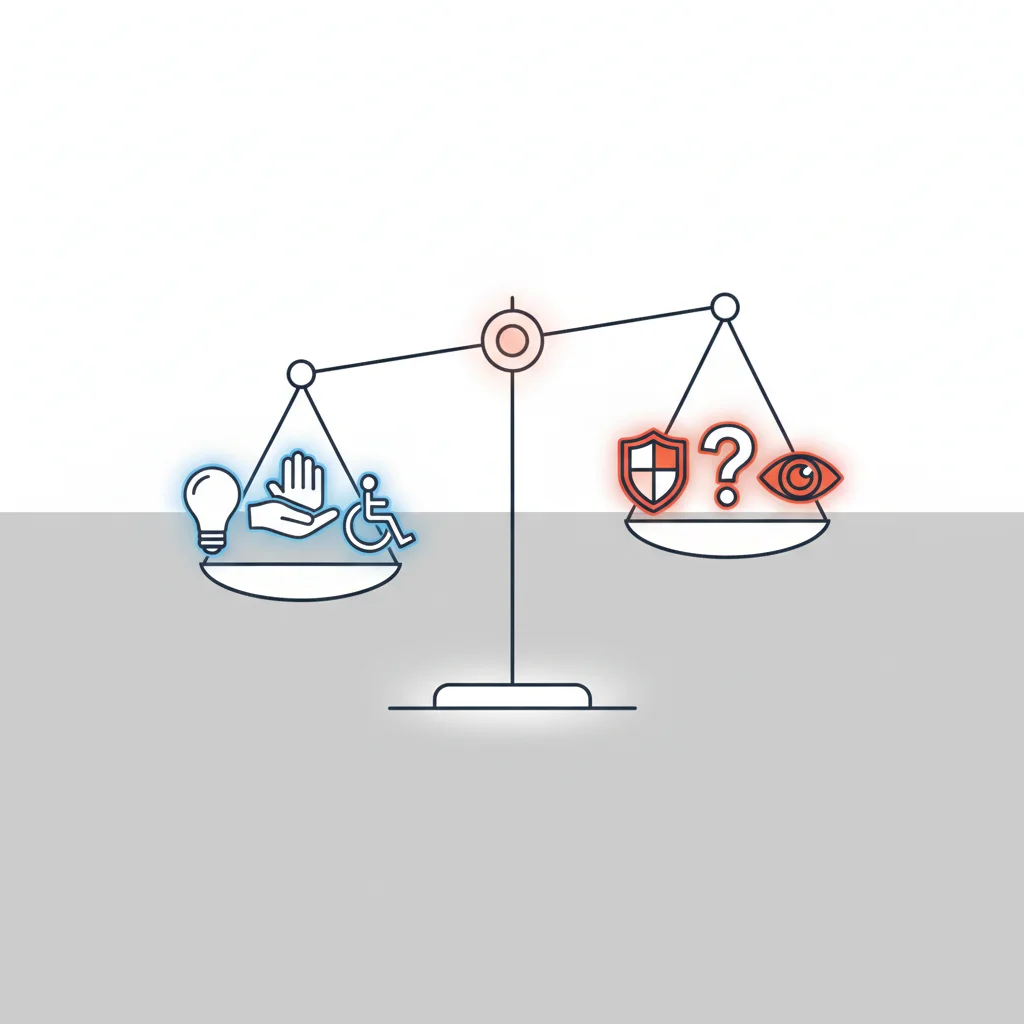
AI Benefits vs. Concerns
{"left":"Personalised learning and tutoring\nCreative assistance and inspiration\nAccessibility tools for disabilities\nEfficient information processing","right":"Privacy and data collection issues\nPotential for misinformation\nOver-reliance on technology\nBias in AI decision-making"}
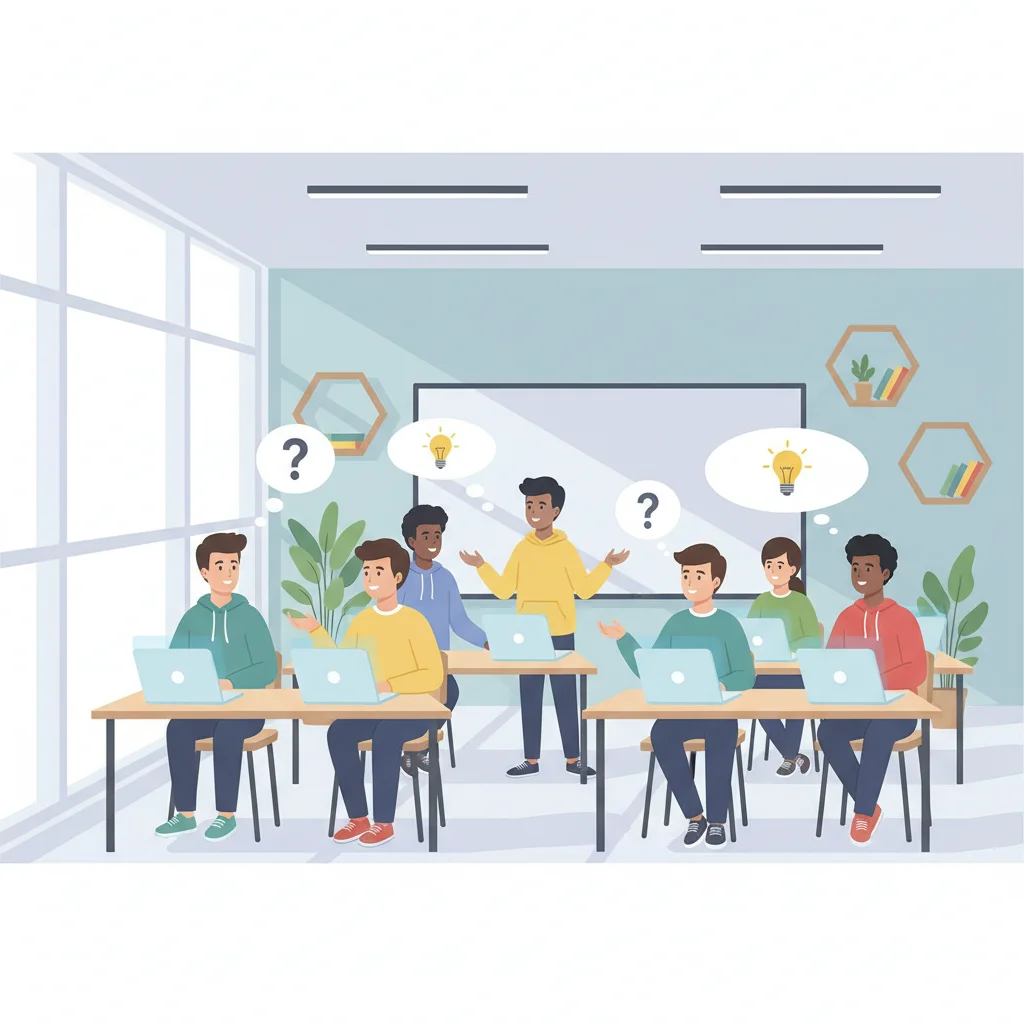
AI Safety Scenarios
Work in pairs to discuss these scenarios: Scenario 1: ChatGPT offers to write your entire essay Scenario 2: An AI app asks for access to your photos Scenario 3: You receive AI-generated fake news on social media What would you do in each situation?
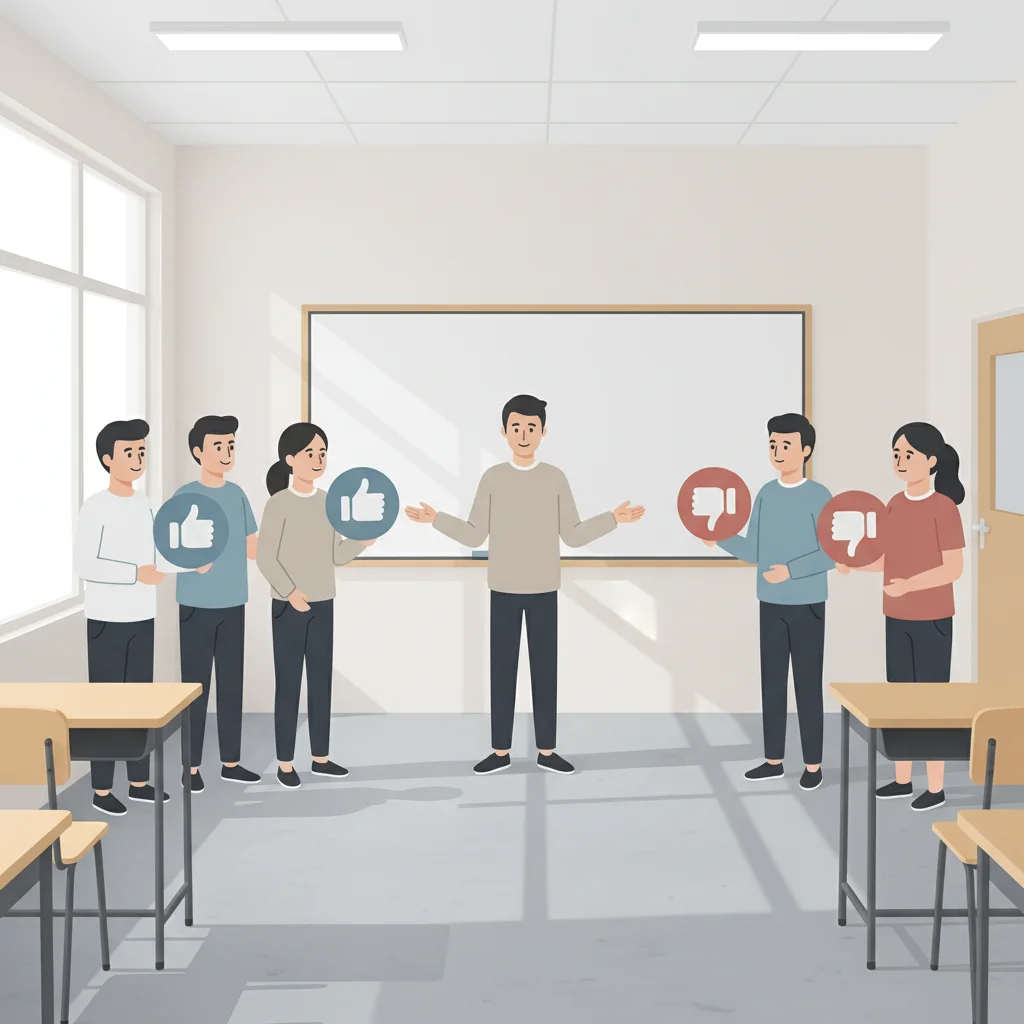
Debate: Should AI Be Allowed in Schools?
Consider both perspectives: FOR: Enhanced learning, accessibility, preparation for future careers AGAINST: Academic dishonesty, reduced critical thinking, privacy concerns What's your position and why?

Guidelines for Safe AI Use
Always verify AI-generated information with reliable sources Protect your personal data - read privacy policies Use AI as a tool to enhance, not replace, your thinking Be transparent about AI assistance in academic work Report suspicious or harmful AI-generated content
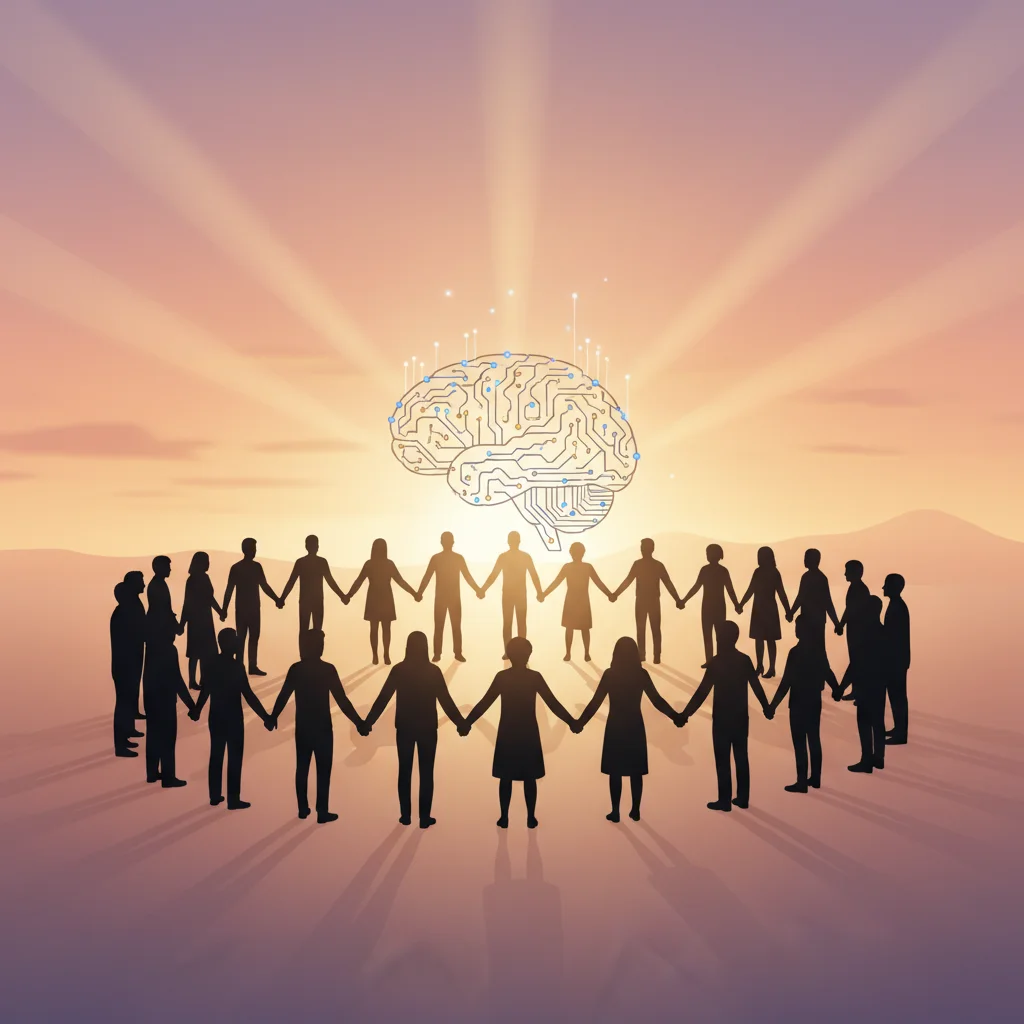
Moving Forward Together
"The goal is not to replace human intelligence, but to augment it. AI should make us better at being human, not replace what makes us human." - Adapted from AI Ethics Principles
More Technology/Digital Citizenship slide decks
Other ready-to-teach technology/digital citizenship decks for UK classrooms.