Charlie's Chocolate Factory Reading Adventure
Year 8 English Exploring Roald Dahl's Classic Novel Reading Skills & Character Analysis

WALT: Meet Roald Dahl
We Are Learning To identify key facts about Roald Dahl's life Understand how his experiences influenced his writing Recognize characteristics of his writing style
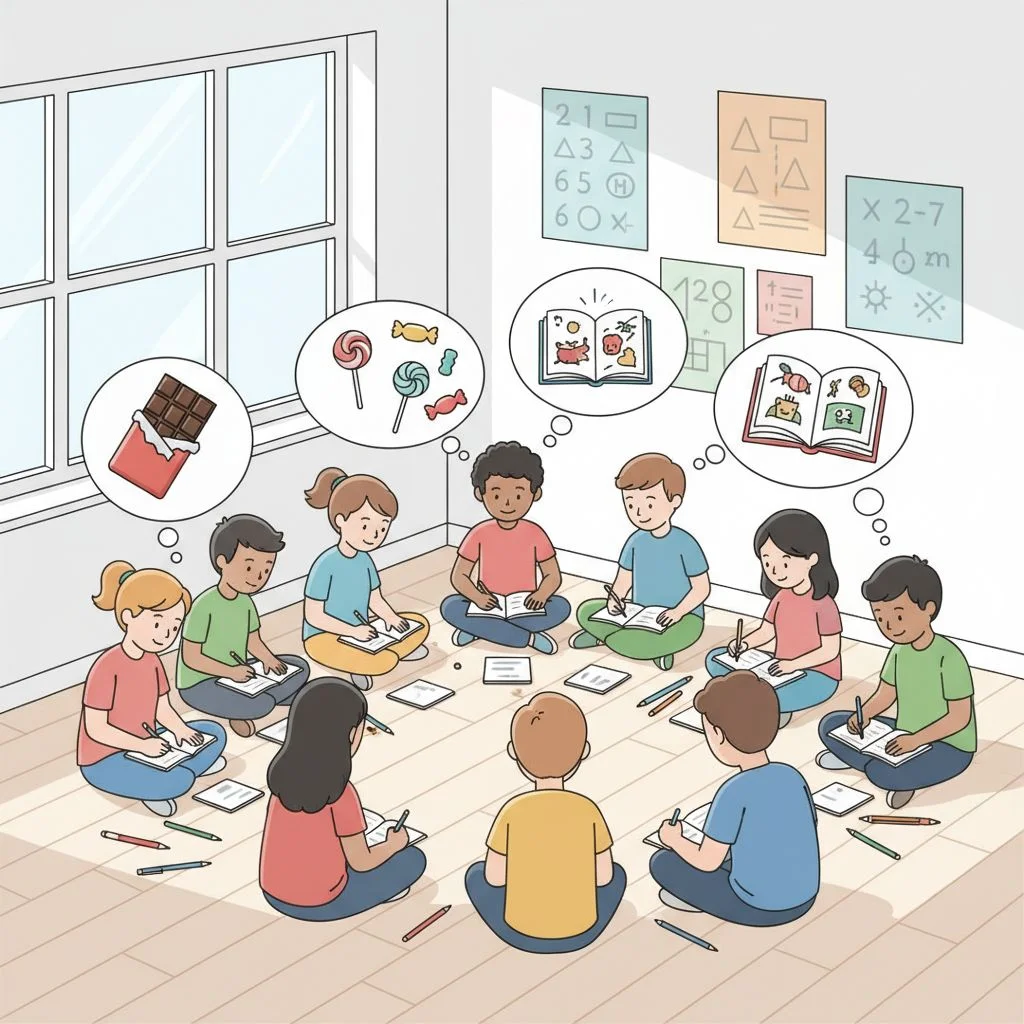
Baseline Assessment: What Do You Know?
Write down everything you already know about chocolate factories List any Roald Dahl books you've read or heard of Predict what might happen in this story

Success Criteria for Our Journey
I can identify and analyze main characters I can use evidence from the text to support my ideas I can understand and explain key themes I can write creatively using descriptive language

Roald Dahl's Writing Philosophy
"A little nonsense now and then is relished by the wisest men." - Roald Dahl
WALT: Explore Story Structure
We Are Learning To identify the key elements of a narrative Understand how Dahl structures his opening chapters Recognize how setting creates atmosphere
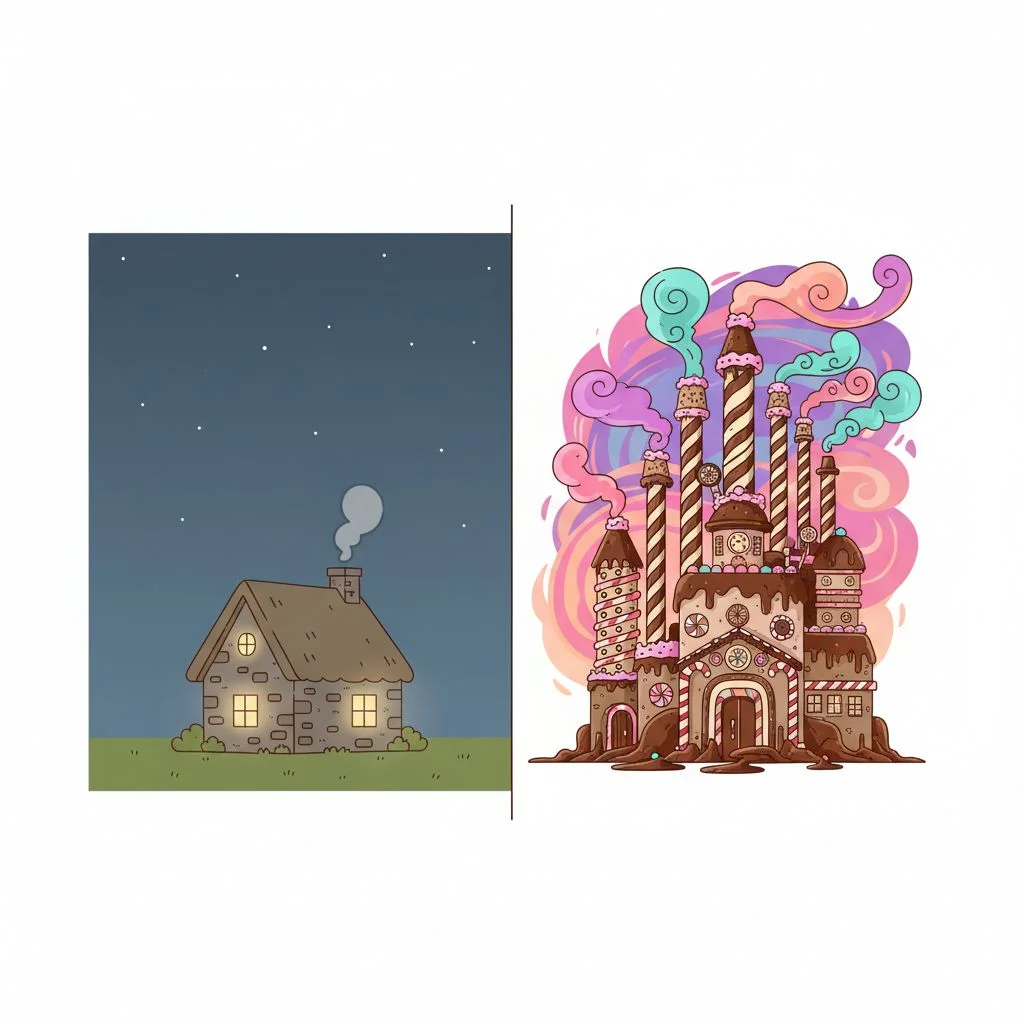
Charlie's World vs. The Factory
{"left":"Small, cramped house with four grandparents in one bed\nMagnificent chocolate factory with impossible wonders\nCabbage soup and bread for dinner\nRivers of chocolate and edible wallpaper","right":"Family love and warmth despite poverty\nMagical inventions and candy creations\nRealistic, everyday struggles\nFantasy and unlimited possibilities"}

Character Introduction Gallery Walk
Move around the room to different character stations Read the character descriptions from Chapter 1-3 Fill in your character analysis sheet Focus on: appearance, personality, family relationships
Discussion: Why Does Dahl Start With Poverty?
Think-Pair-Share: Why do you think Roald Dahl begins the story by showing us Charlie's poor family? How does this make us feel about Charlie as a character?

WALT: Analyze Descriptive Writing
We Are Learning To identify powerful descriptive techniques Understand how Dahl creates atmosphere through description Use evidence to support our analysis
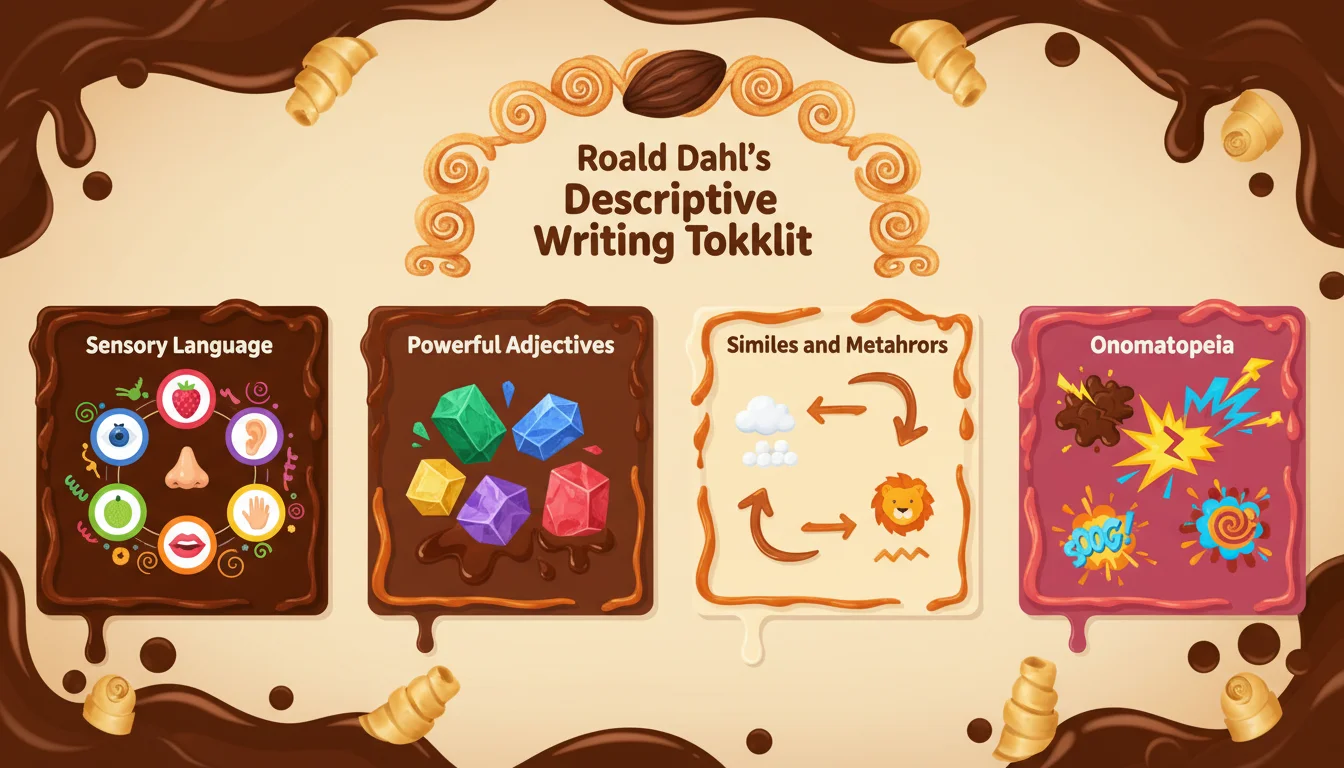
Dahl's Descriptive Techniques Toolkit
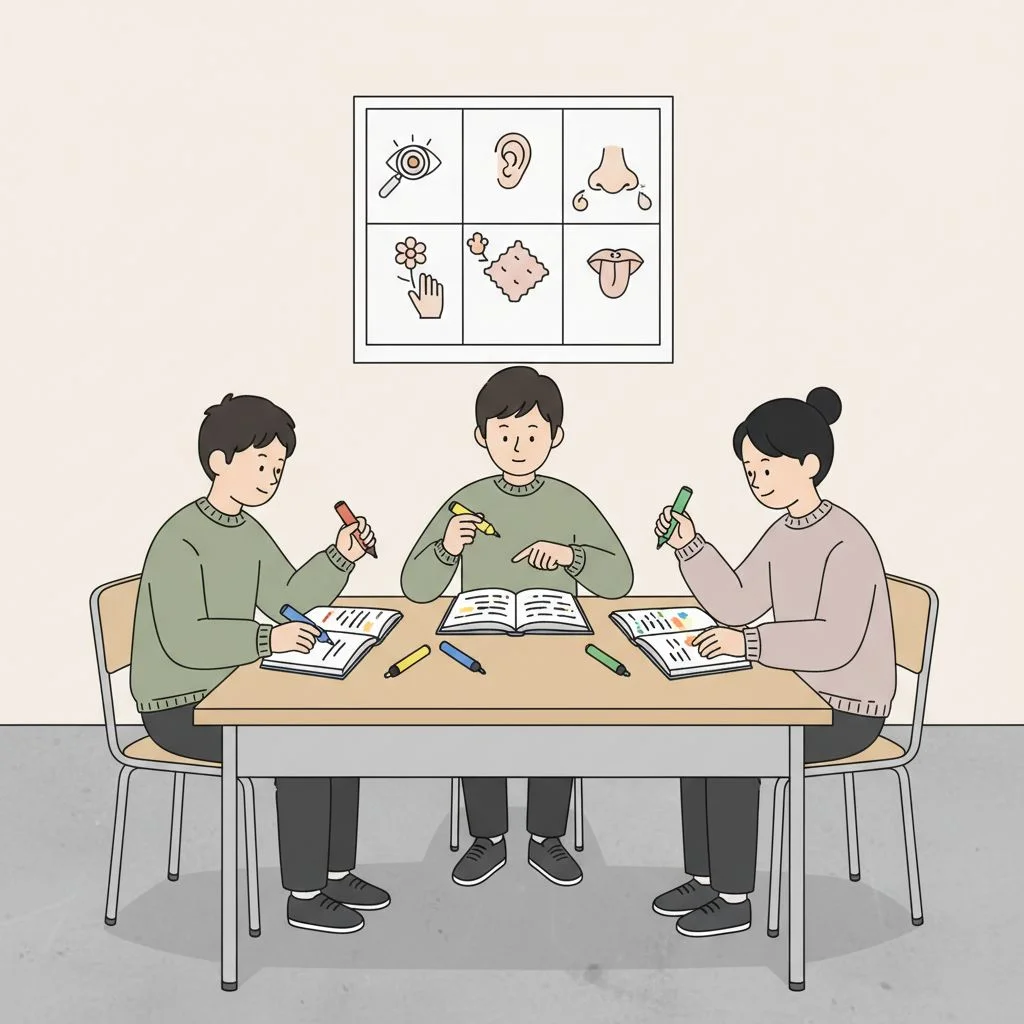
Sensory Description Hunt
Work in pairs to find examples of each sense in Chapters 1-3 SIGHT: What visual details does Dahl include? SMELL: How does he describe different scents? SOUND: What sounds bring the story to life? Create a sensory evidence table
8 more slides available after you open the deck.
Download all 20 slidesMore English slide decks
Other ready-to-teach english decks for UK classrooms.


