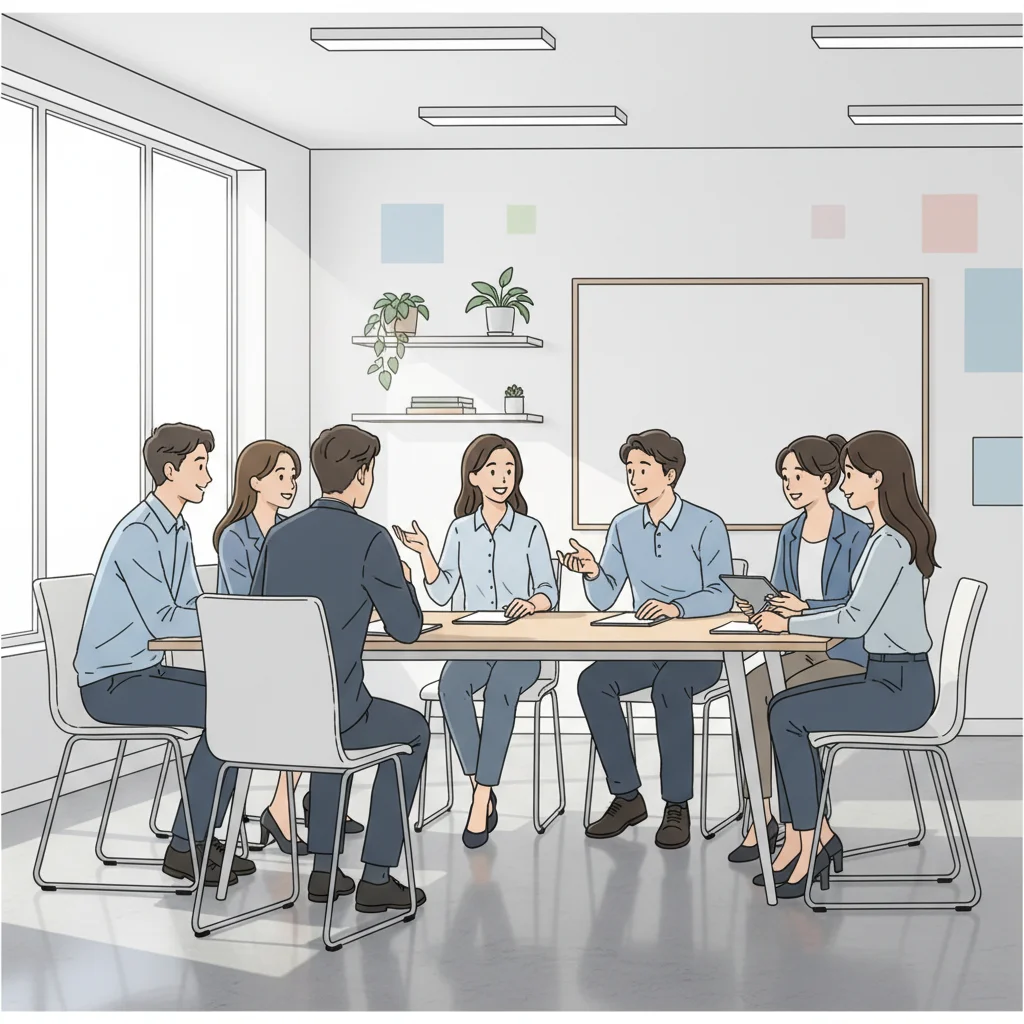
Communication Skills for Personal Development
Year 14 Personal Development Building Effective Communication 55-minute session

Learning Objectives
Identify key components of effective communication Understand verbal and non-verbal communication Practice active listening techniques Develop confidence in expressing ideas clearly Apply communication skills in real-world scenarios
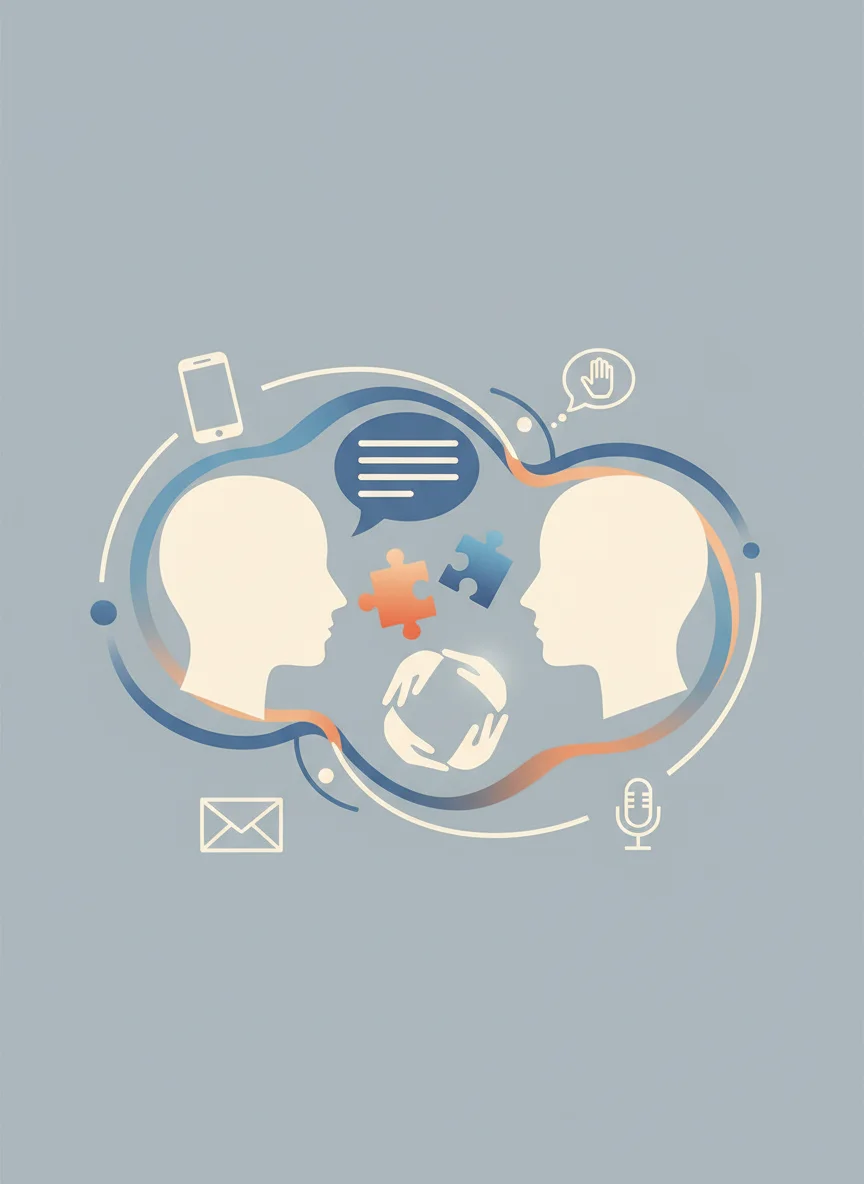
What is Effective Communication?
Clear and purposeful exchange of information Involves both sending and receiving messages Requires understanding between all parties Adapts to audience and context Combines verbal, non-verbal, and written elements
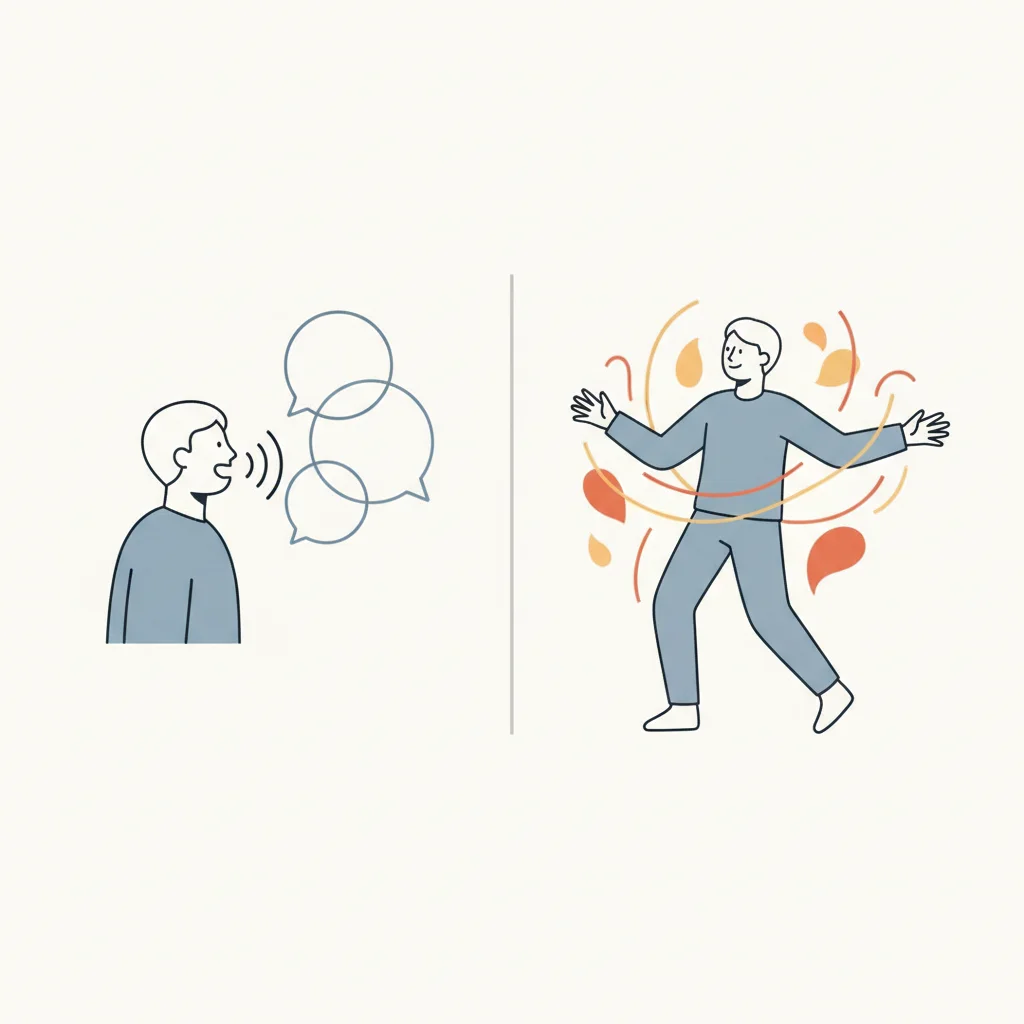
Verbal vs Non-Verbal Communication
{"left":"Words we choose\nTone of voice\nPace and volume\nClarity of speech","right":"Body language\nFacial expressions\nEye contact\nPosture and gestures"}
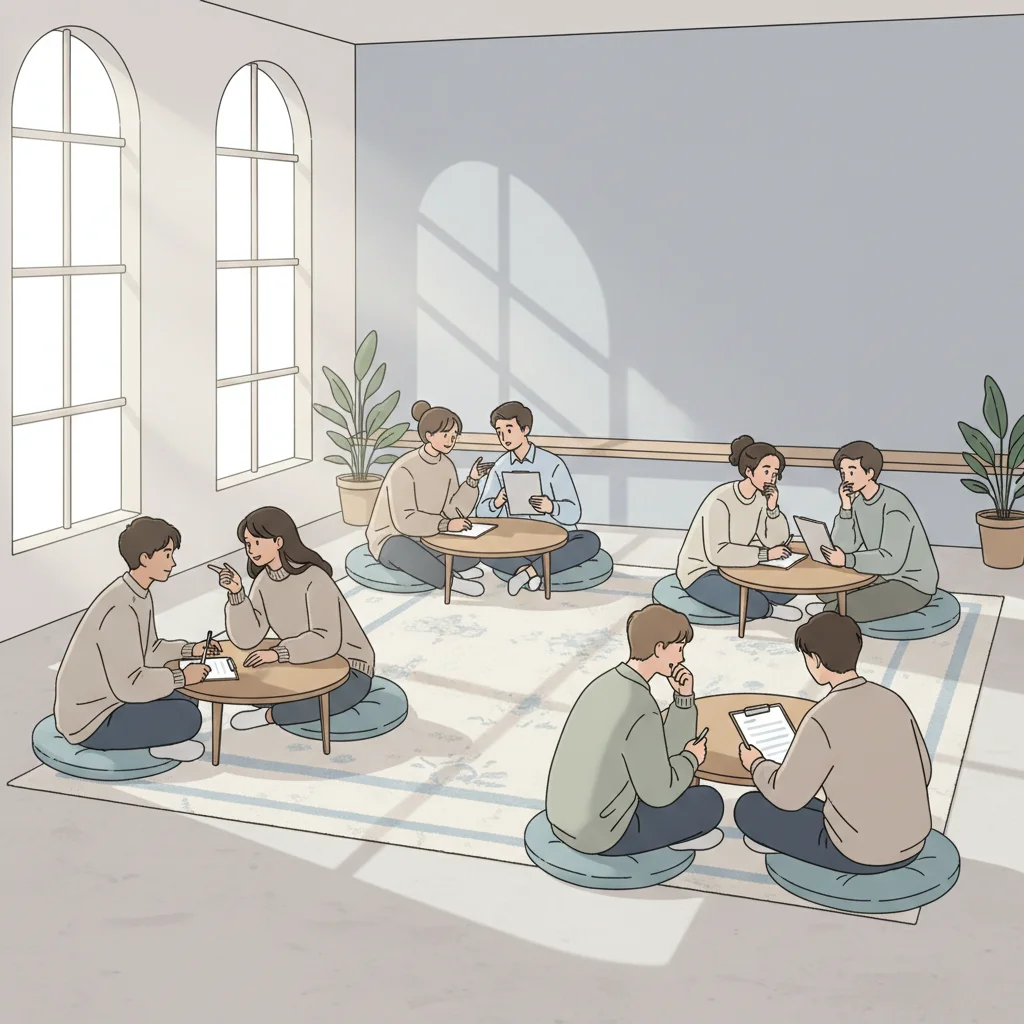
Communication Styles Assessment
Complete the communication styles questionnaire Identify your primary communication style Discuss results with a partner Share one strength and one area for development
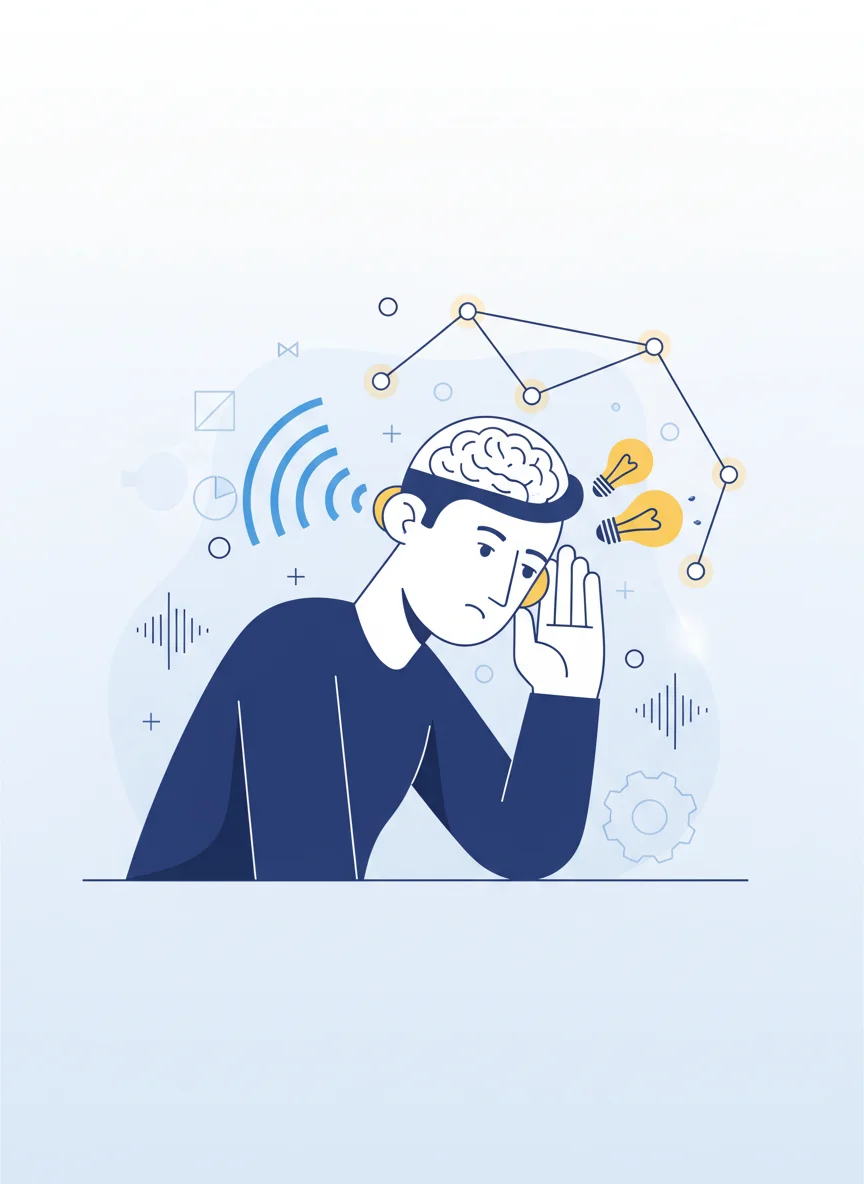
The Art of Active Listening
Give full attention to the speaker Avoid interrupting or preparing responses Use verbal and non-verbal encouragers Ask clarifying questions Paraphrase to confirm understanding Show empathy and respect
Reflection Question
Think of a time when you felt truly heard and understood by someone. What did that person do that made you feel this way? How did it affect your relationship with them?
Practical Listening Exercise
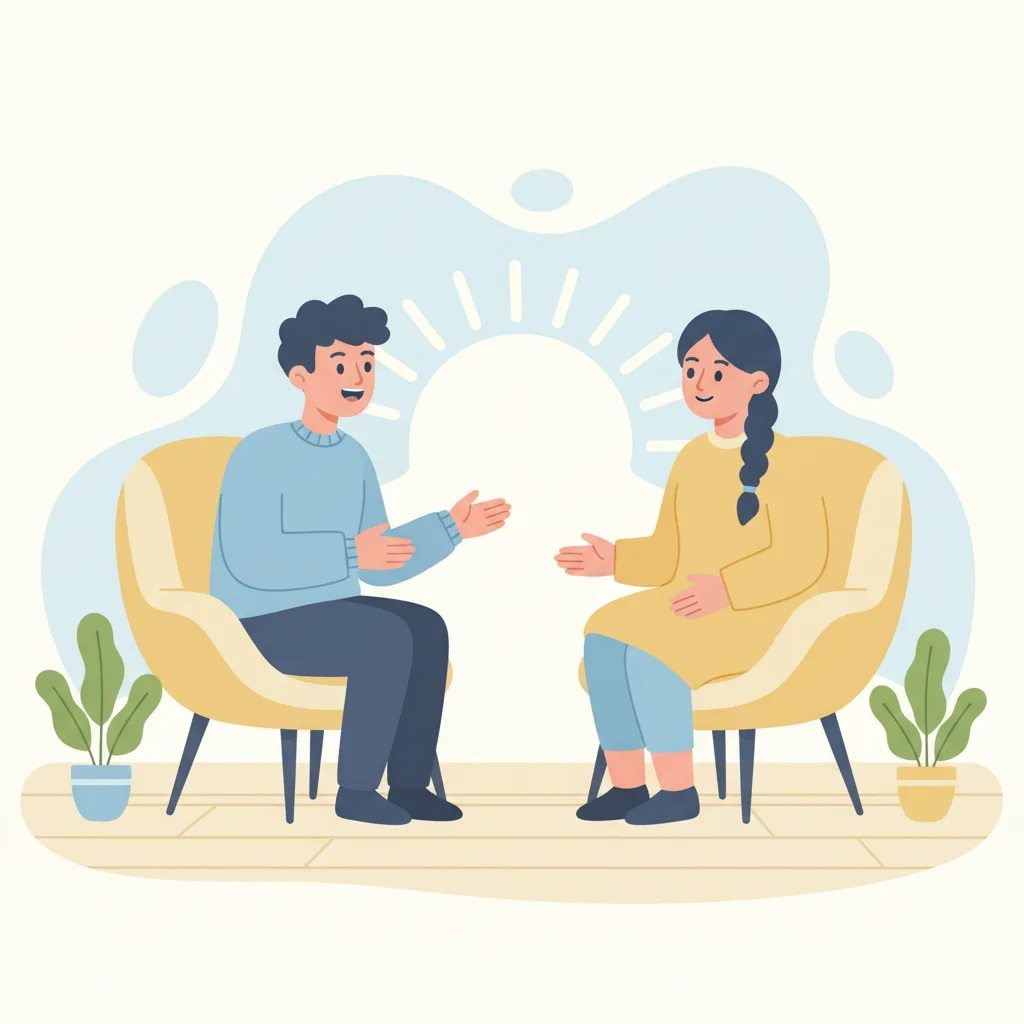
Partner A: Share a 2-minute story about a recent experience Partner B: Practice active listening techniques Partner B: Summarise what you heard Partner A: Provide feedback on listening quality Switch roles and repeat
Barriers to Effective Communication
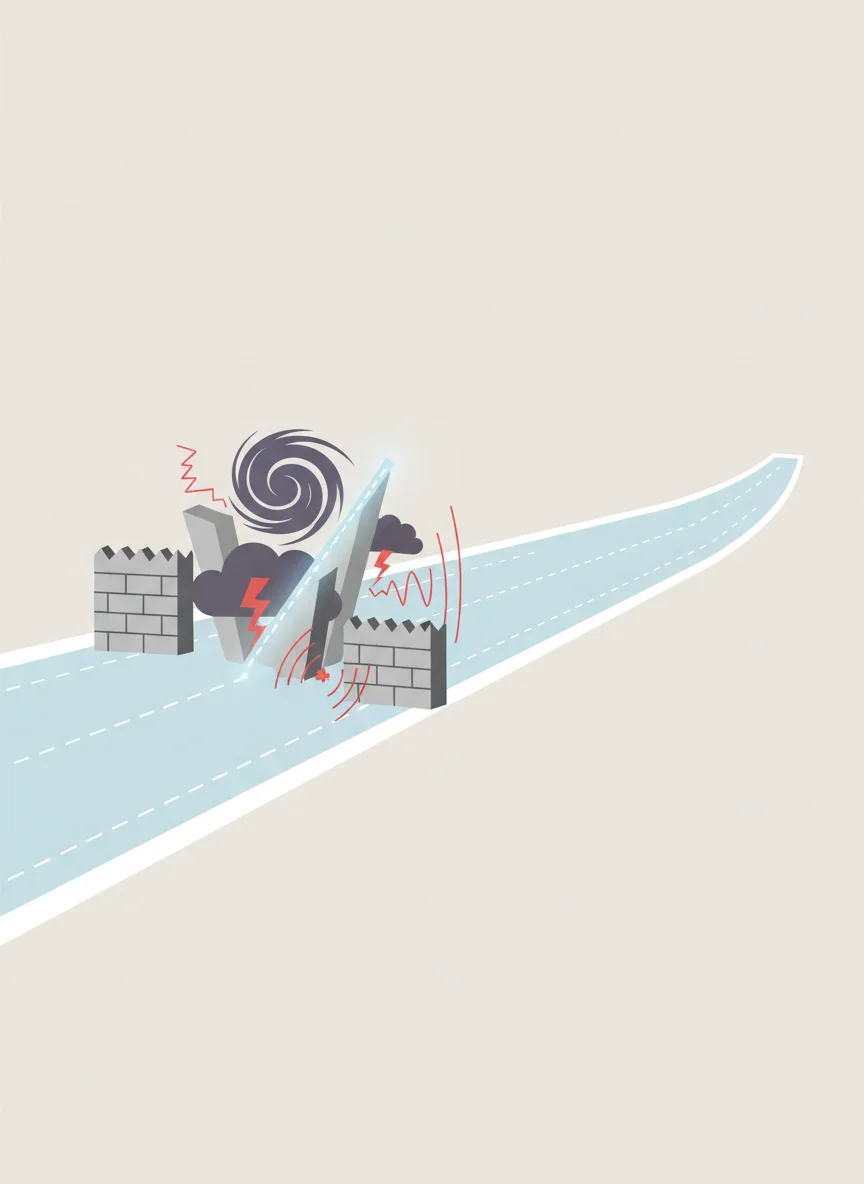
Physical distractions and noise Emotional barriers and stress Cultural and language differences Assumptions and prejudices Technology interference Lack of confidence or fear of judgment
Key Takeaway
The single biggest problem in communication is the illusion that it has taken place. - George Bernard Shaw