Exploring Fortnite's Geography: Lesson 2
Understanding Biomes and Environments Year 6 Geography 45 minutes

Lesson 2 Learning Objectives
Identify different biomes in Fortnite's map Compare game biomes to real-world environments Understand how climate affects landscape features Explain the relationship between location and environment
Success Criteria - What Makes a Great Geographer?
I can name at least 4 different biomes from Fortnite I can describe 2 features of each biome I can explain why certain biomes appear in specific locations I can make connections between game environments and real places
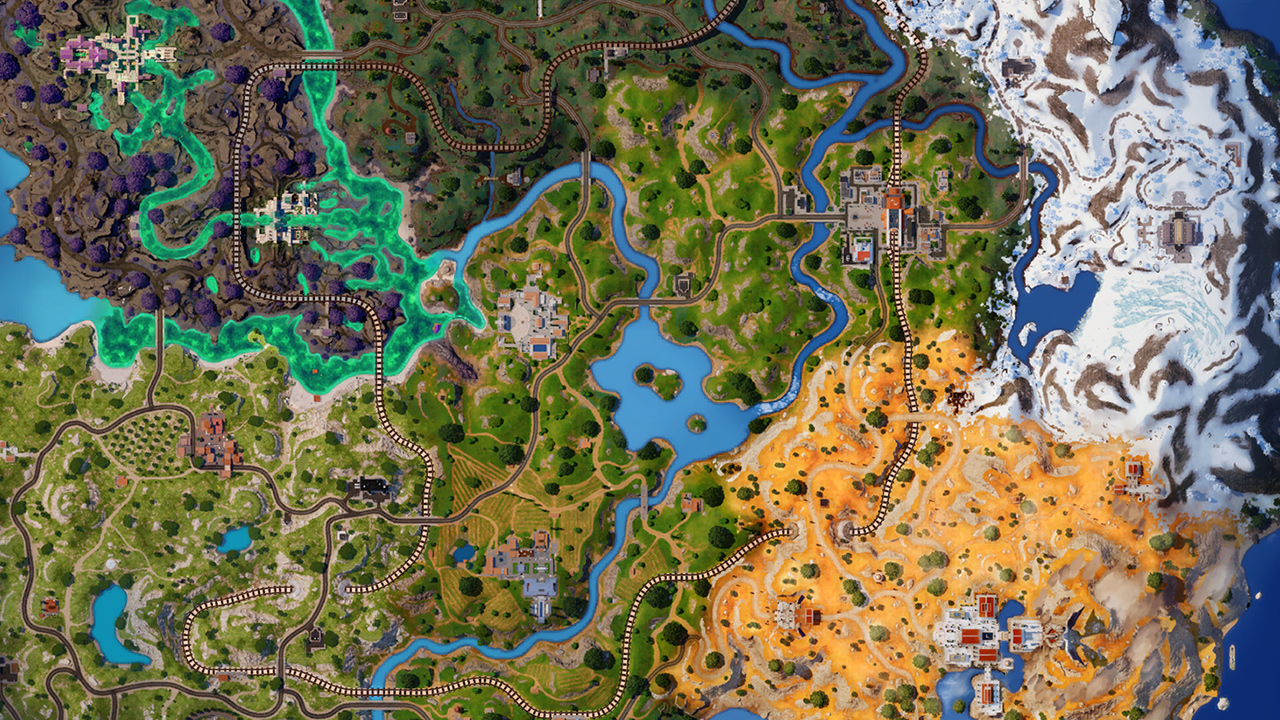
Fortnite's Major Biomes Map
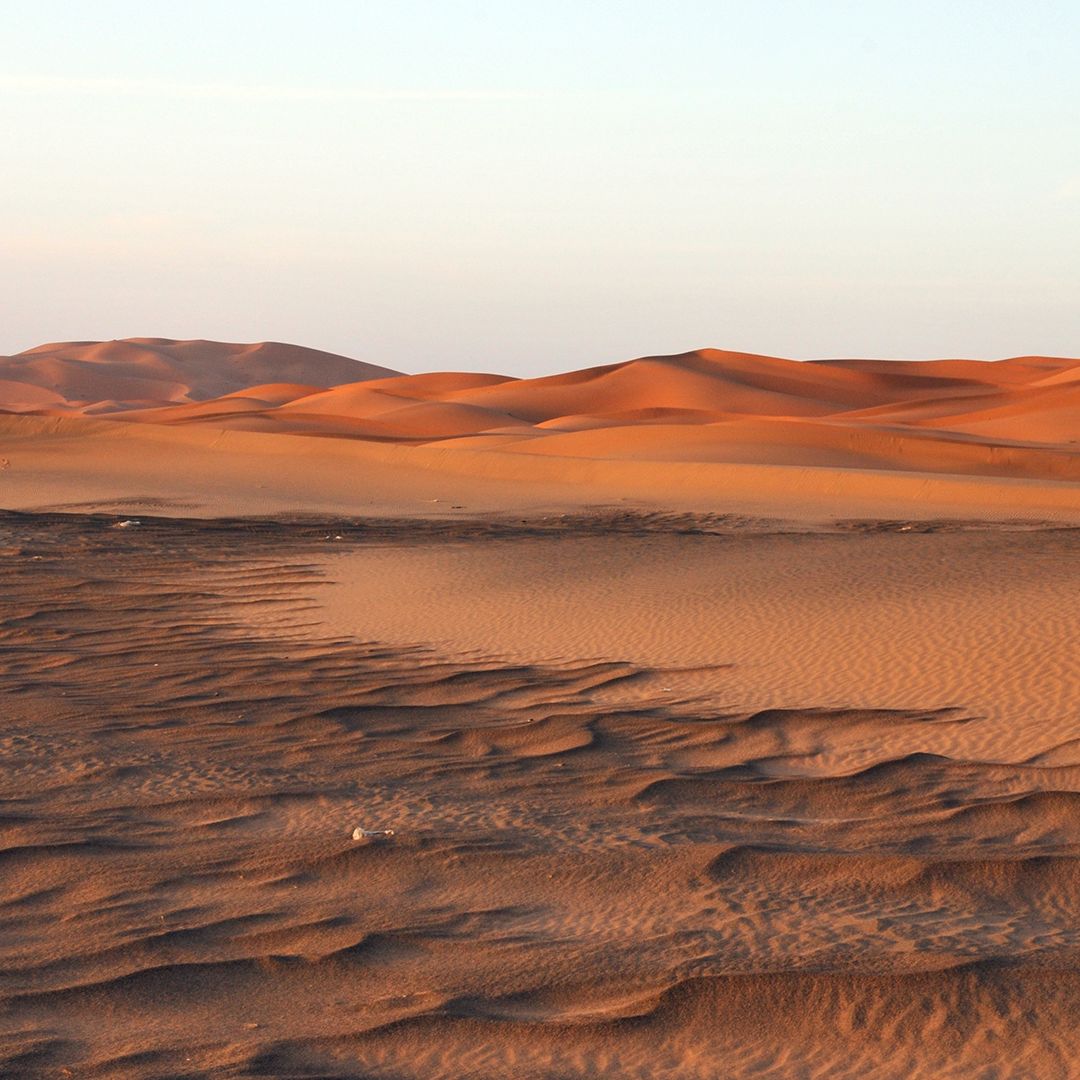
Desert vs Jungle Biomes
{"left":"Hot and dry climate\nSandy terrain with cacti\nLimited water sources\nBright, sunny conditions","right":"Hot and humid climate\nDense vegetation and trees\nRivers and waterfalls\nFiltered sunlight through canopy"}

Biome Detective Challenge
Work with your partner to identify biome clues Look at the mystery location cards Match each location to its correct biome Explain your reasoning using climate and features
Think and Discuss
Why do you think the snowy biome is found in the mountains? What would happen if the desert area suddenly got lots of rain? How do these game biomes compare to places you've visited in real life?
Differentiation Support
Visual learners: Use the colorful biome map and picture cards Struggling readers: Partner support and key word cards provided Advanced learners: Research extension activity about climate zones Dyslexia support: Large font worksheets and audio descriptions available

Extension Activities for Advanced Learners
Research real-world locations that match Fortnite biomes Create a climate data comparison chart Design your own island with different biomes Investigate how biomes change over time due to climate
Lesson Summary and Next Steps
We explored 5 major biomes in Fortnite's world Learned how climate affects landscape features Made connections between game and real environments Next lesson: We'll investigate how humans adapt to different biomes
More Geography slide decks
Other ready-to-teach geography decks for UK classrooms.


