
Paint Words: Poetry Comes Alive!
Using descriptive language to create vivid imagery Year 3 English - Poetry Unit

WALT (We Are Learning To)
Use descriptive language to create vivid imagery in poetry Paint pictures with our words Make our poems come alive for readers

Success Criteria - What We Need to Do
Compose a four-line stanza (quatrain) Include at least two vivid adjectives Include at least three descriptive verbs Show understanding of resilience themes through word choice

What Makes Words Come Alive?
Think about your favorite story or poem What words helped you imagine the scene? How did the author paint pictures in your mind?
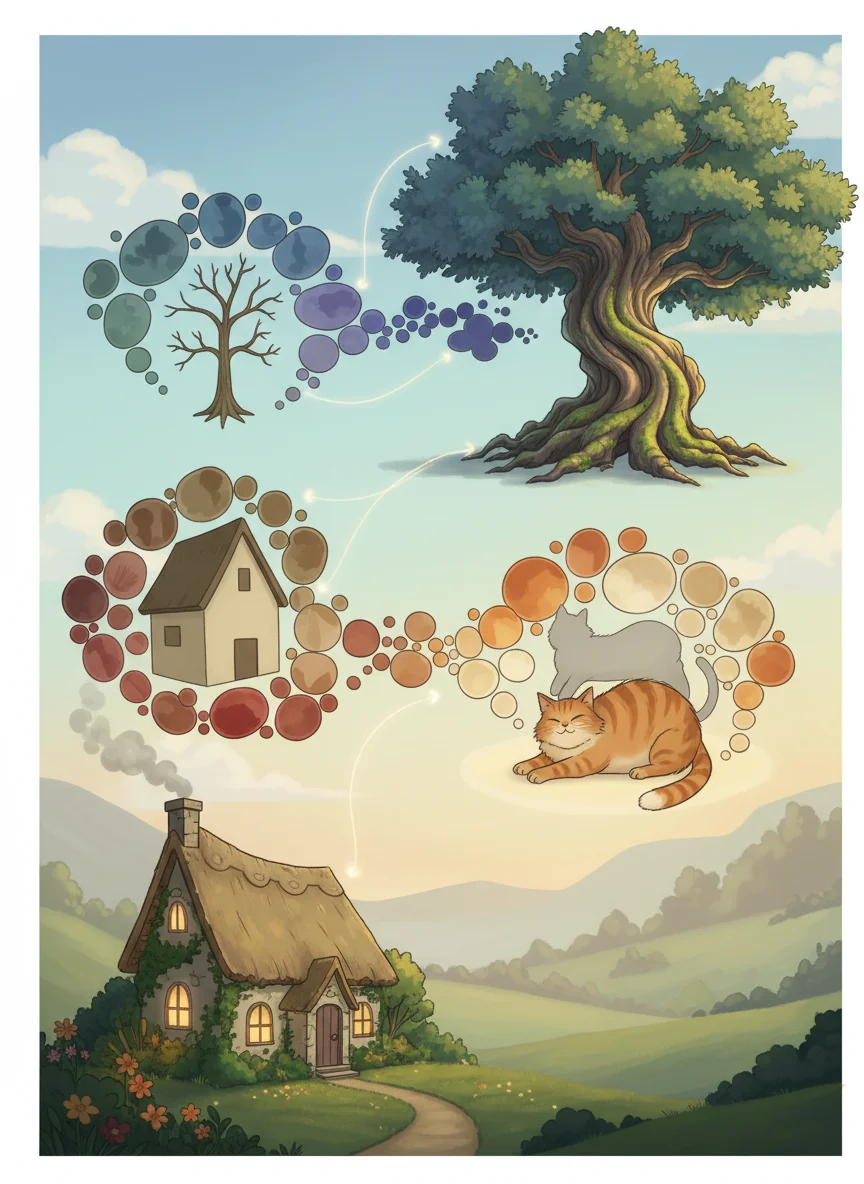
Adjectives - Our Describing Words
Adjectives describe nouns (people, places, things) They help us see, hear, and feel in our minds Examples: brave, sparkling, gentle, fierce, whispered
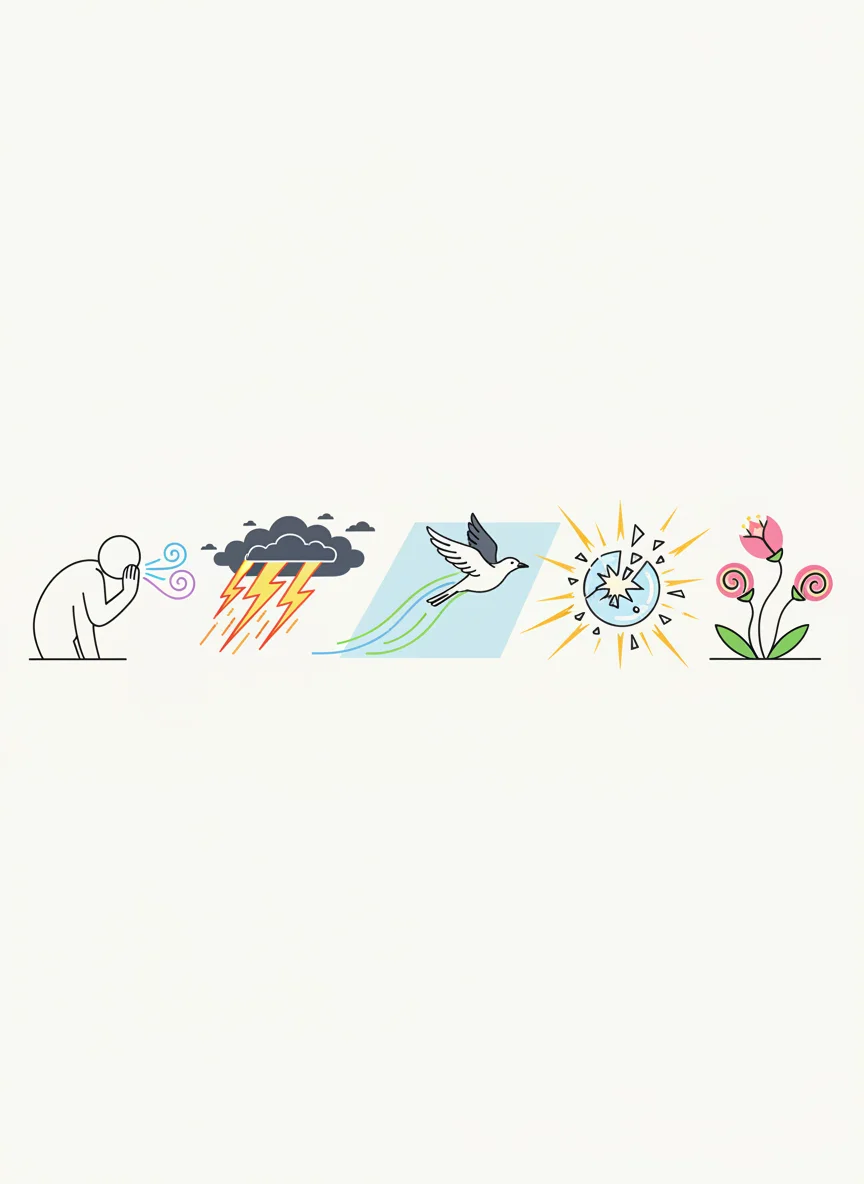
Verbs - Our Action Words
Verbs show what someone or something is doing Strong verbs create powerful images Examples: whispered, thundered, glided, shattered, bloomed
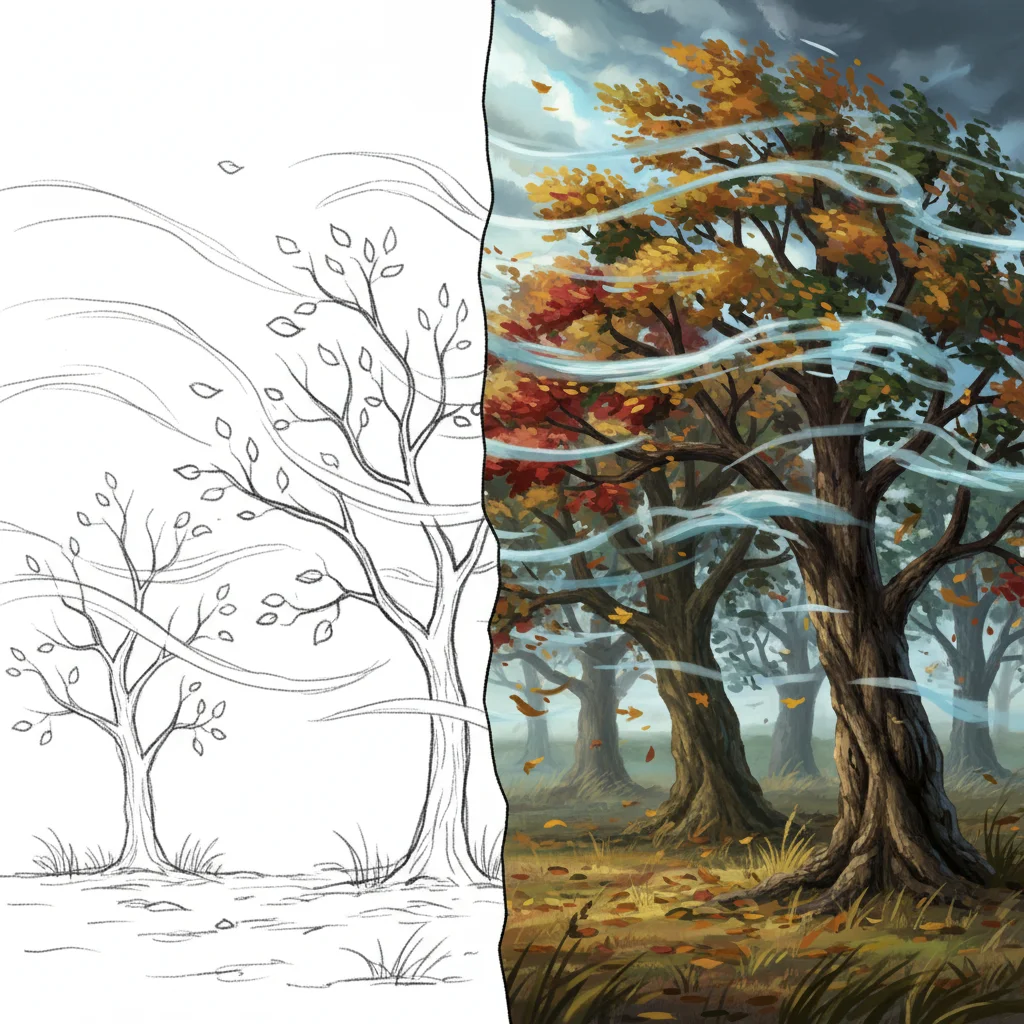
Word Painting Challenge
Look at this sentence: 'The wind moved through the trees' How can we make it more vivid? Try: 'The fierce wind whispered through the ancient trees' Your turn - improve this sentence!

Resilience in Our Words
Resilience means being strong and not giving up We can show resilience through our word choices Resilient words: determined, unbreakable, rising, overcome, flourish

Poetry Planning Time
Use your poetry planning template Choose words from the word bank if you need help Remember: 2 adjectives, 3 verbs, 4 lines Theme: Being resilient and strong

Remember: Poets are Word Artists!
Every word you choose paints a picture Strong adjectives and verbs make your poetry shine Your words can show resilience and strength
More English slide decks
Other ready-to-teach english decks for UK classrooms.


