Elizabethan Rich vs Poor
A free history worksheet ready for your classroom. Open in Kuraplan to grab the print-ready PDF, customize it for your students, or generate a fresh version in seconds.
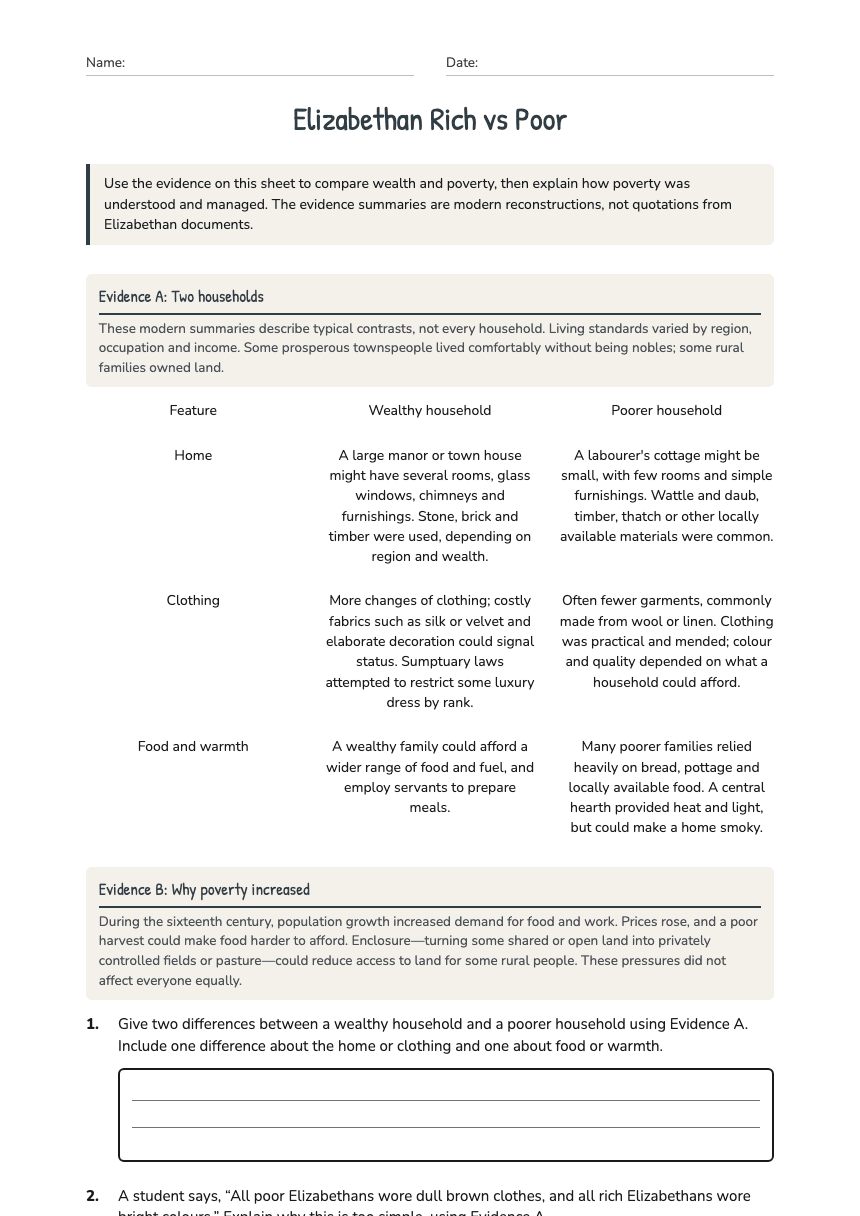
Elizabethan Rich vs Poor
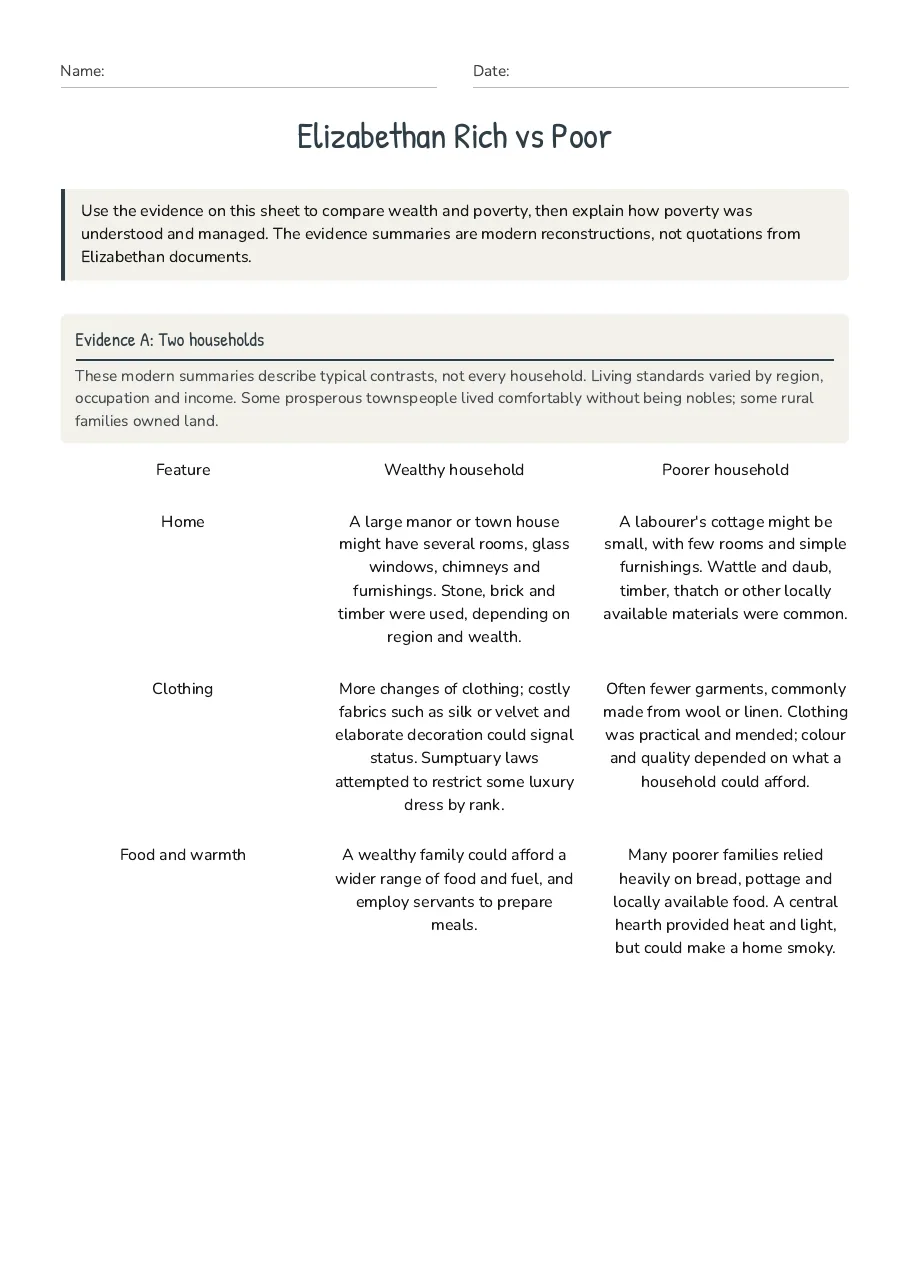
Evidence A: Two households
These modern summaries describe typical contrasts, not every household. Living standards varied by region, occupation and income. Some prosperous townspeople lived comfortably without being nobles; some rural families owned land.
Feature
Wealthy household
Poorer household
Home
A large manor or town house might have several rooms, glass windows, chimneys and furnishings. Stone, brick and timber were used, depending on region and wealth.
A labourer's cottage might be small, with few rooms and simple furnishings. Wattle and daub, timber, thatch or other locally available materials were common.
Clothing
More changes of clothing; costly fabrics such as silk or velvet and elaborate decoration could signal status. Sumptuary laws attempted to restrict some luxury dress by rank.
Often fewer garments, commonly made from wool or linen. Clothing was practical and mended; colour and quality depended on what a household could afford.
Food and warmth
A wealthy family could afford a wider range of food and fuel, and employ servants to prepare meals.
Many poorer families relied heavily on bread, pottage and locally available food. A central hearth provided heat and light, but could make a home smoky.
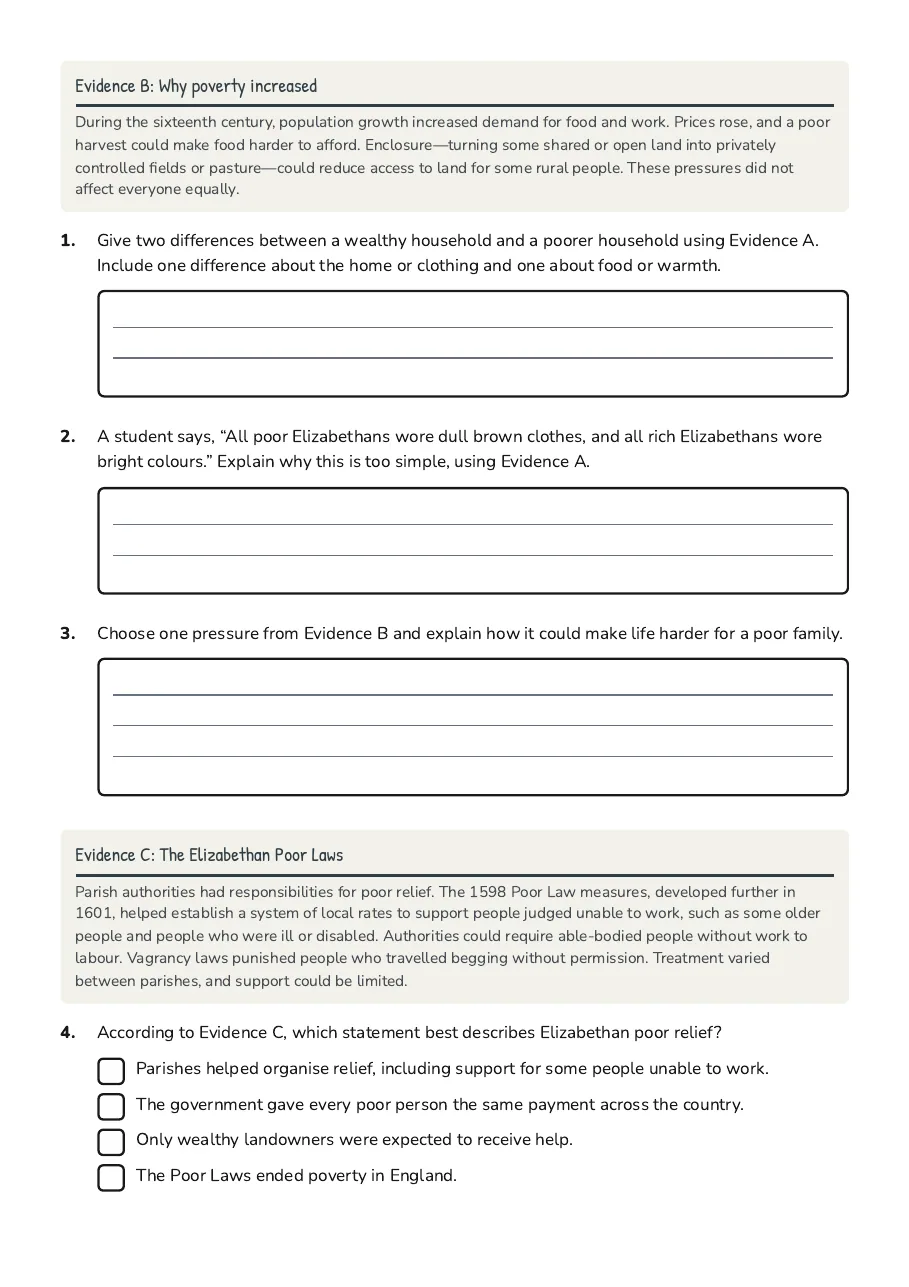
Evidence B: Why poverty increased
During the sixteenth century, population growth increased demand for food and work. Prices rose, and a poor harvest could make food harder to afford. Enclosure—turning some shared or open land into privately controlled fields or pasture—could reduce access to land for some rural people. These pressures did not affect everyone equally.
Evidence C: The Elizabethan Poor Laws
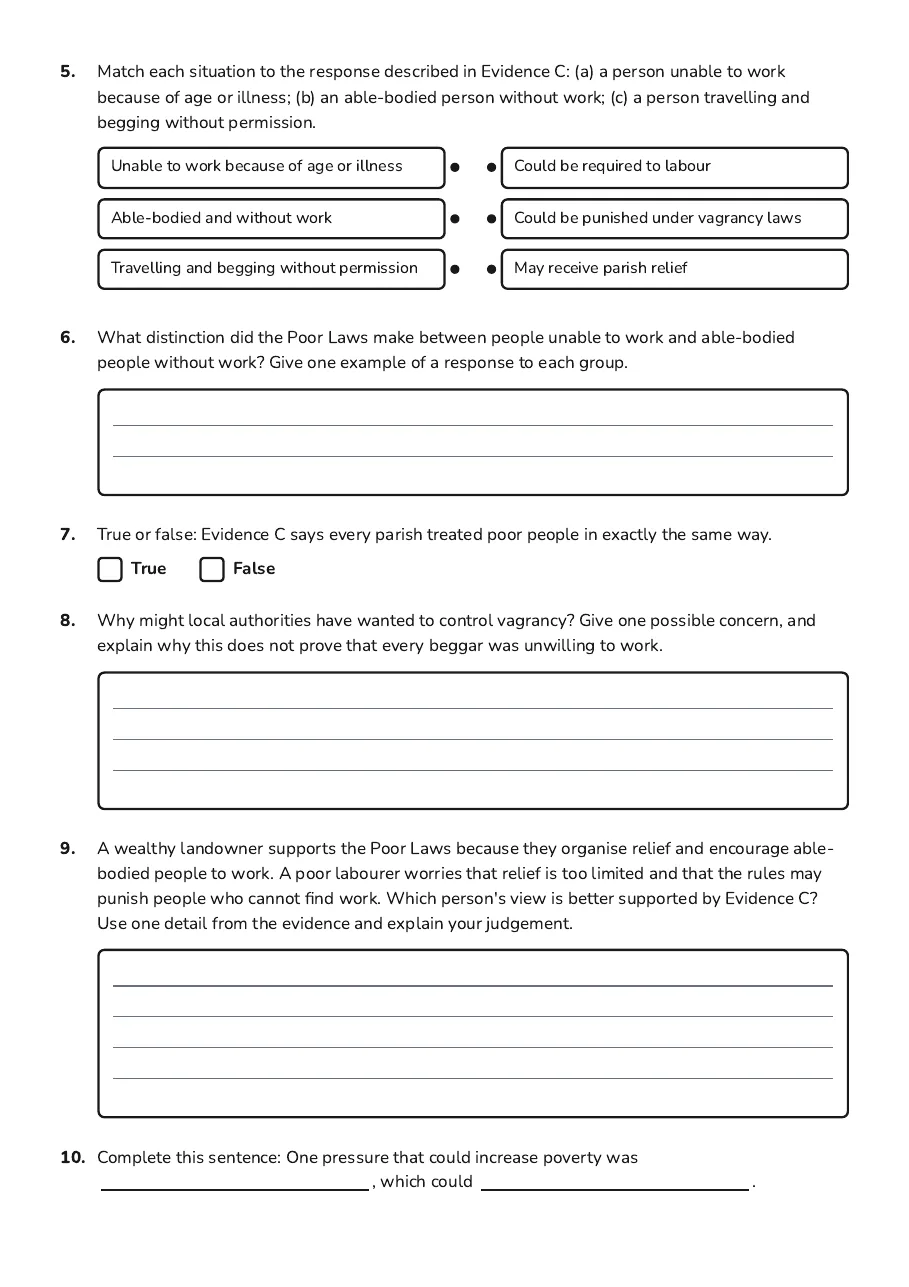
Parish authorities had responsibilities for poor relief. The 1598 Poor Law measures, developed further in 1601, helped establish a system of local rates to support people judged unable to work, such as some older people and people who were ill or disabled. Authorities could require able-bodied people without work to labour. Vagrancy laws punished people who travelled begging without permission. Treatment varied between parishes, and support could be limited.
- Parishes helped organise relief, including support for some people unable to work.
- The government gave every poor person the same payment across the country.
- Only wealthy landowners were expected to receive help.
- The Poor Laws ended poverty in England.
- Unable to work because of age or illness
- Able-bodied and without work
- Travelling and begging without permission
- Could be required to labour
- Could be punished under vagrancy laws
- May receive parish relief
4 printable pages
Page 1
Page 2
Page 3

Page 4
About This Worksheet
Free in Kuraplan
Sign up free, grab the PDF, and customize it for your class.
Print-Ready
Formatted for standard paper. Clean layout, easy to read.
AI-Generated
Created with Kuraplan's AI, designed for real classroom use.
For Teachers & Parents
Use in classrooms, for homework, tutoring, or homeschool.
Need a custom version of this worksheet?
Kuraplan's AI generates custom worksheets in seconds — differentiated for every learner, aligned to your curriculum.
Generate Custom Worksheets — FreeMore History Worksheets
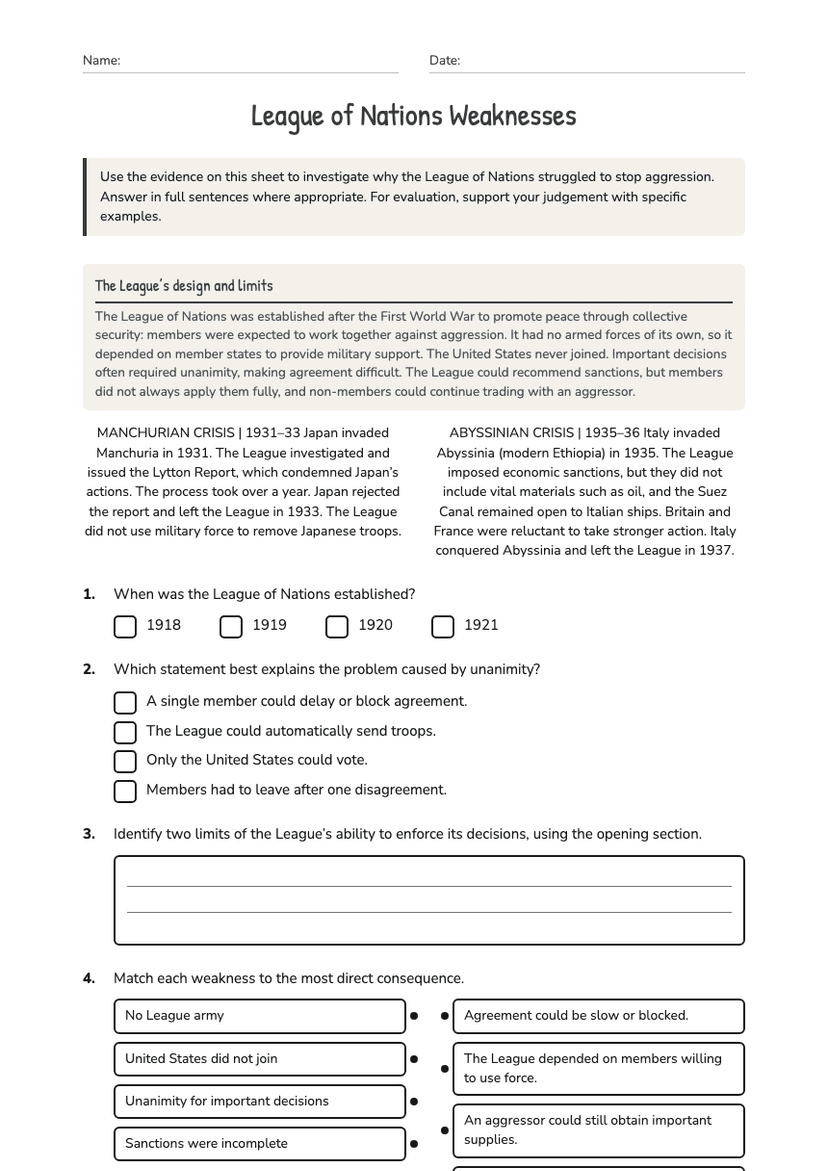
League of Nations Weaknesses
Free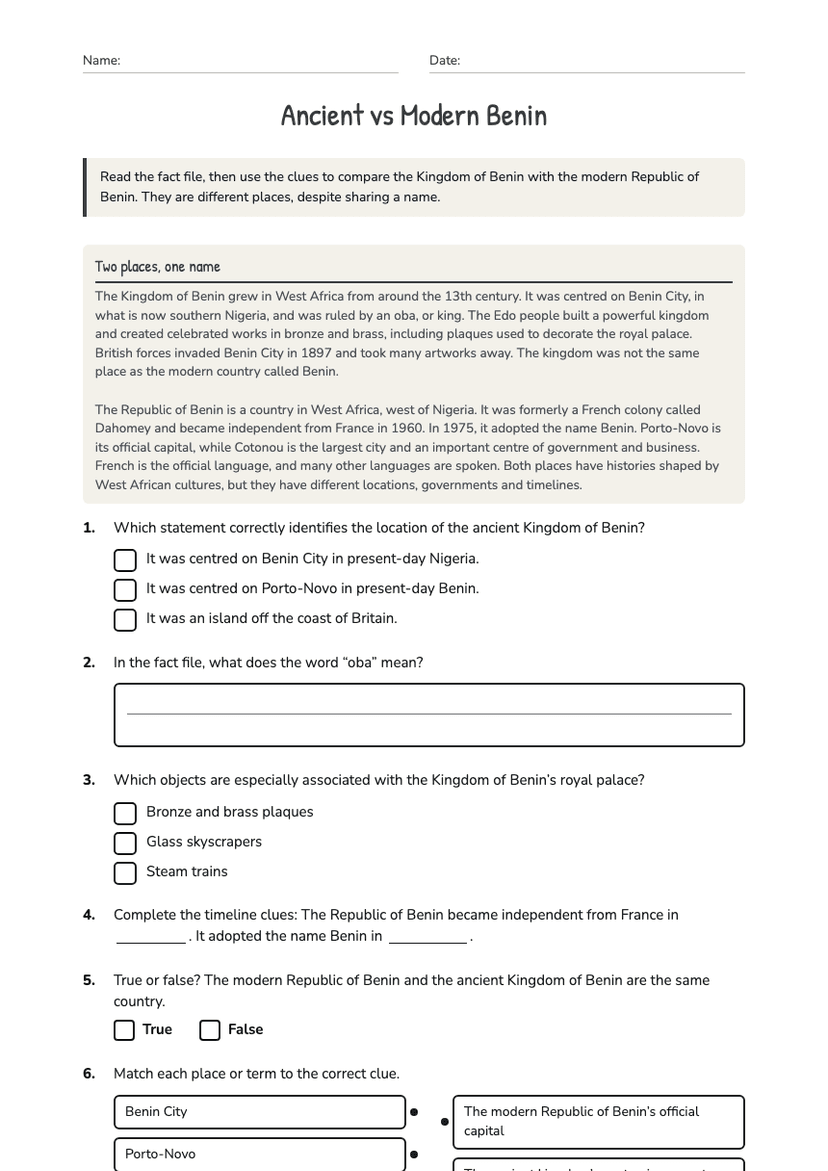
Ancient vs Modern Benin
Free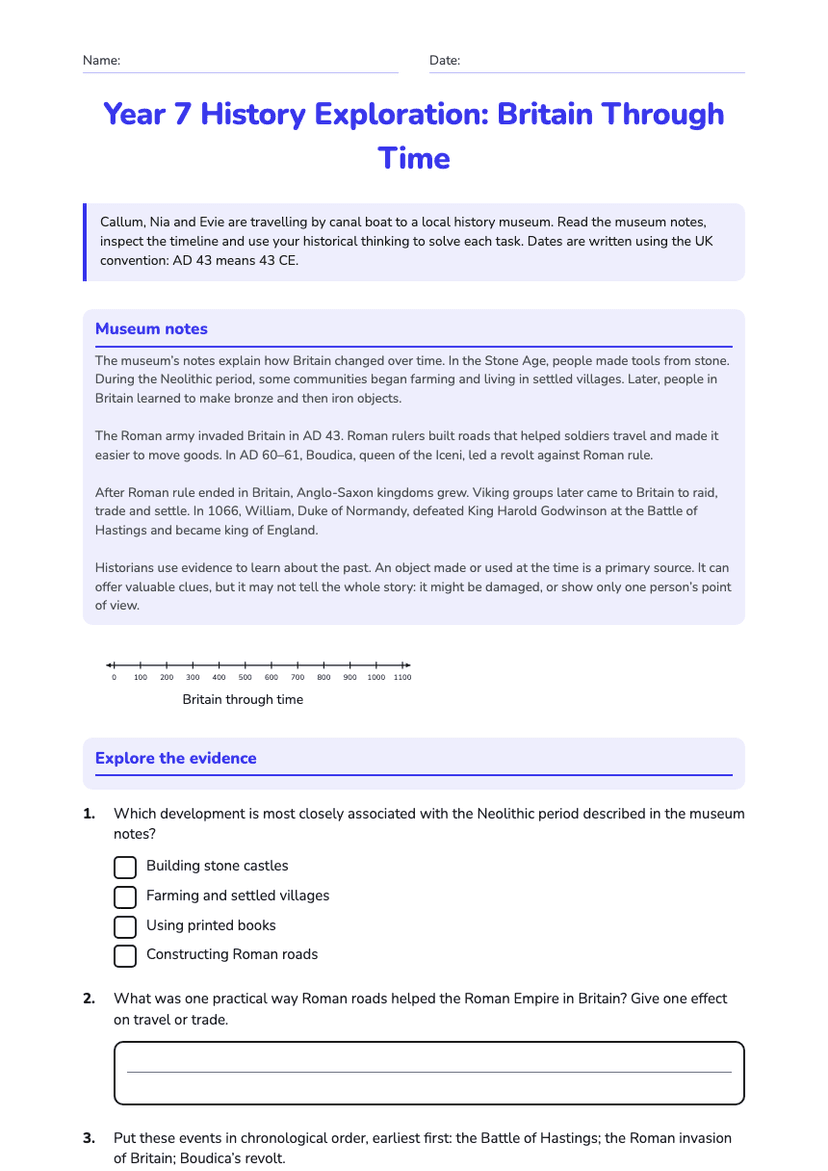
Year 7 History Exploration: Britain Through Time
Free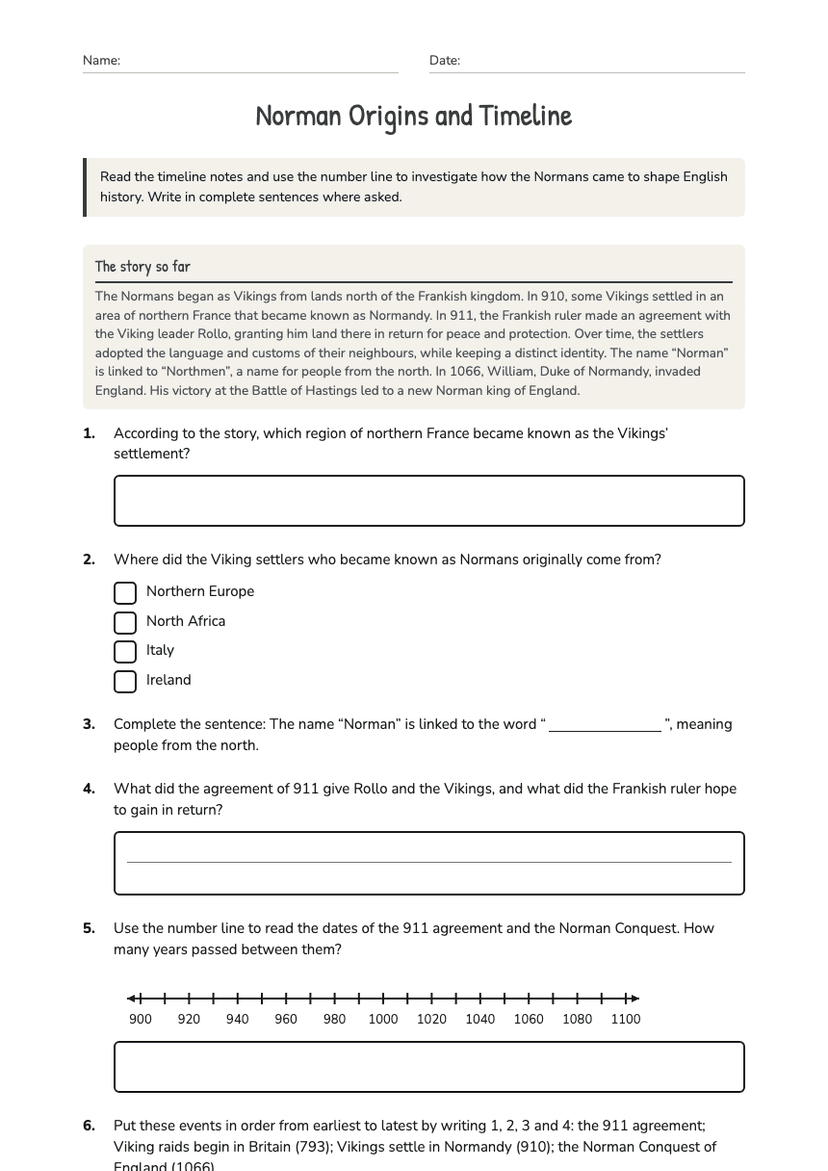
Norman Origins and Timeline
Free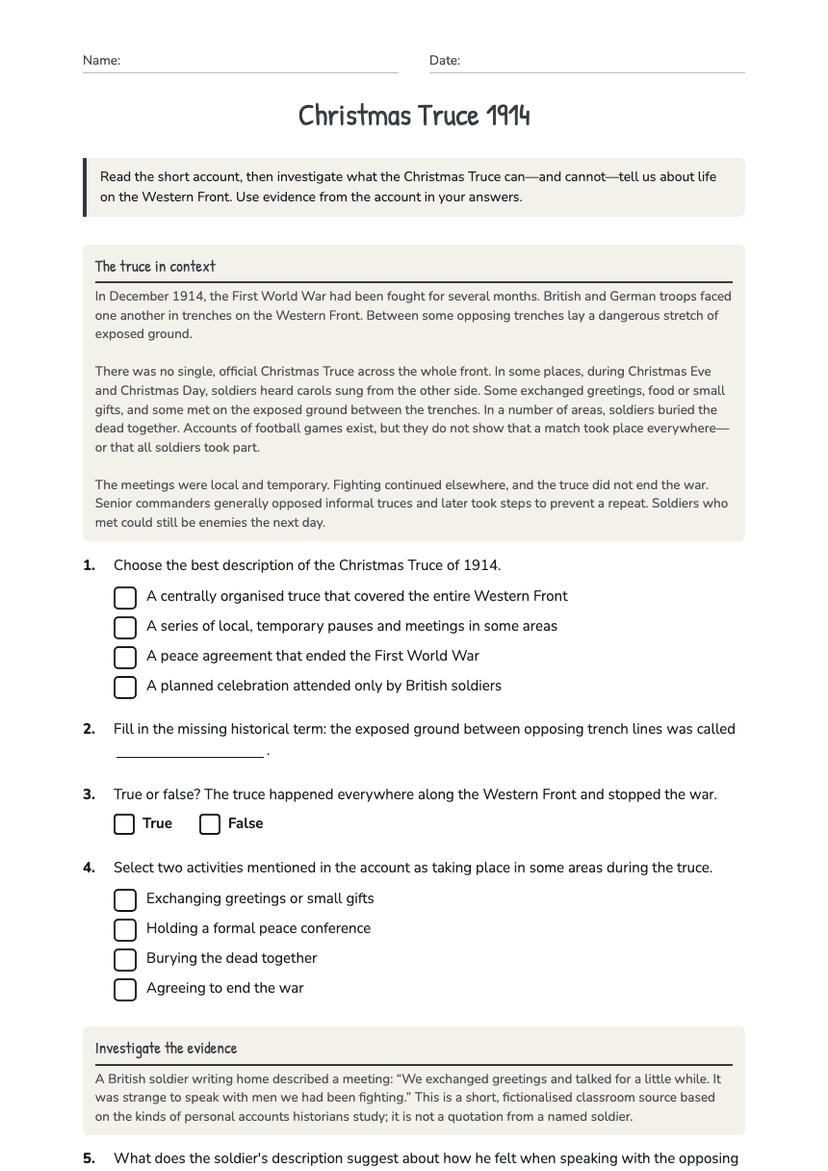
Christmas Truce 1914
Free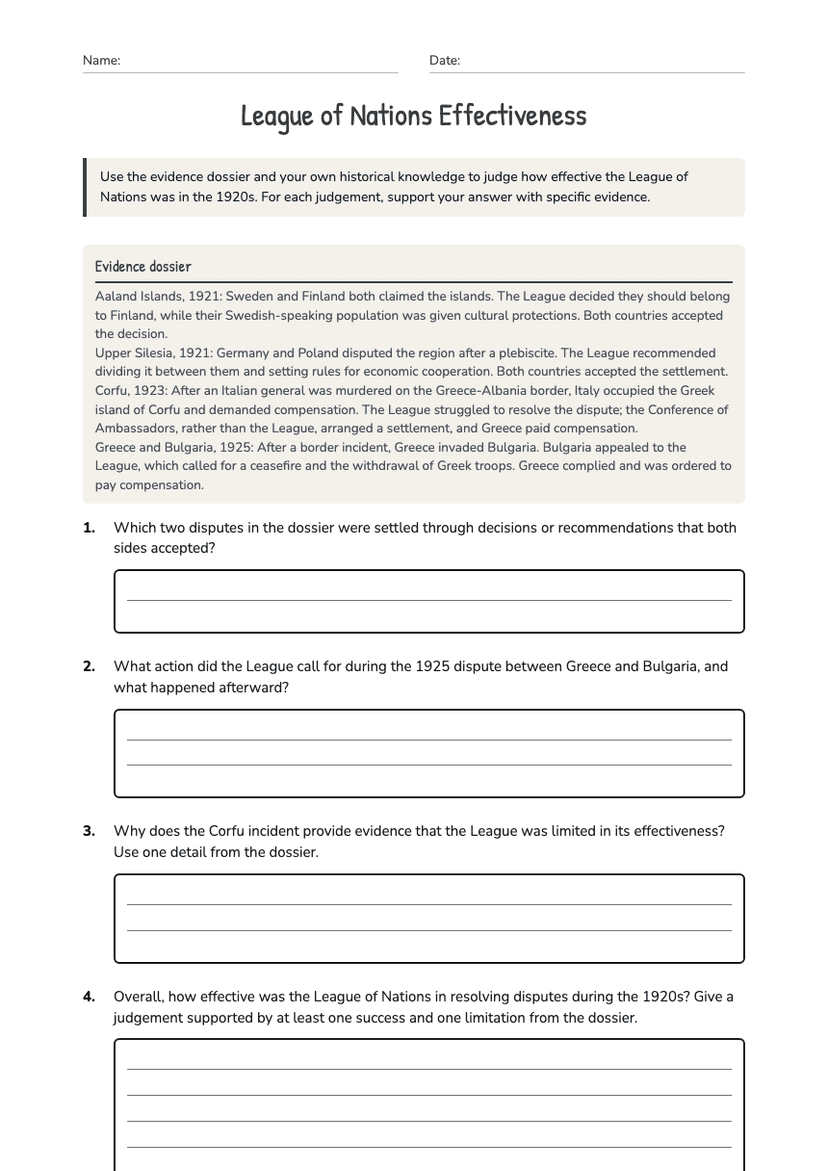
League of Nations Effectiveness
Free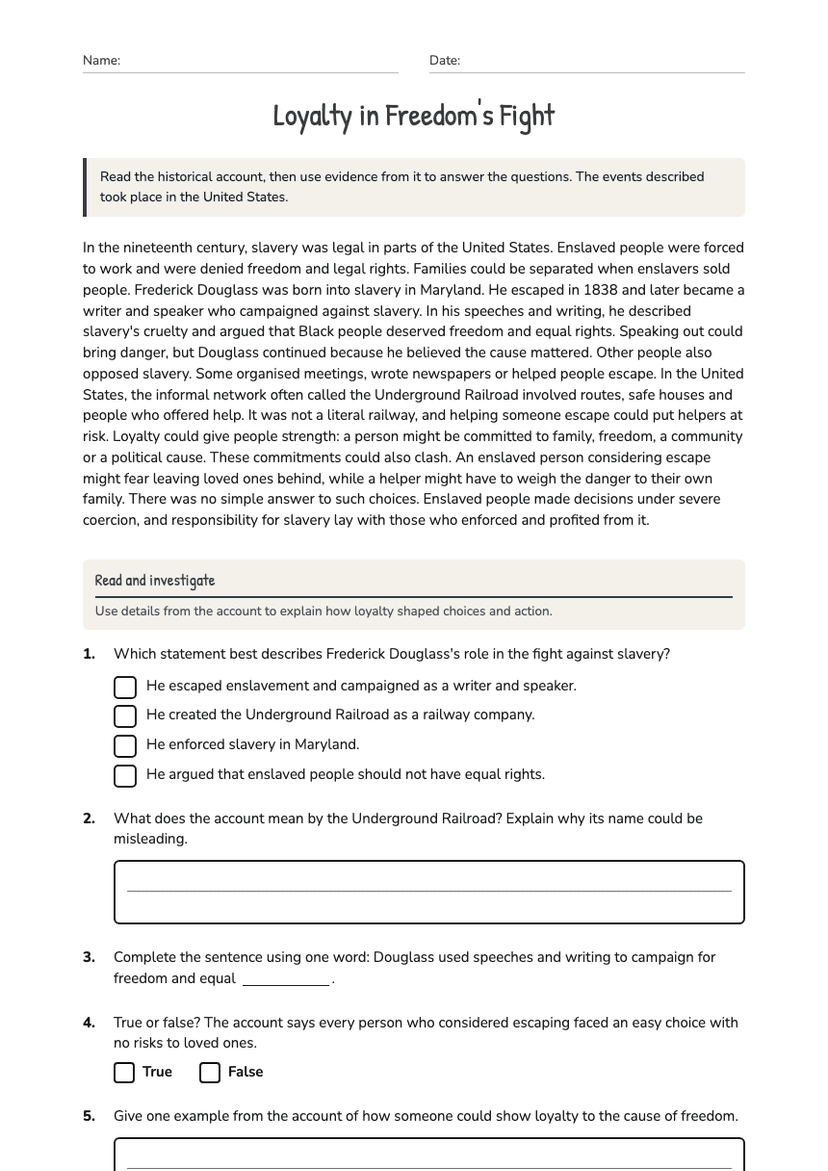
Loyalty in Freedom's Fight
Free