UK Suffrage Timeline Worksheet
A free history worksheet ready for your classroom. Open in Kuraplan to grab the print-ready PDF, customize it for your students, or generate a fresh version in seconds.
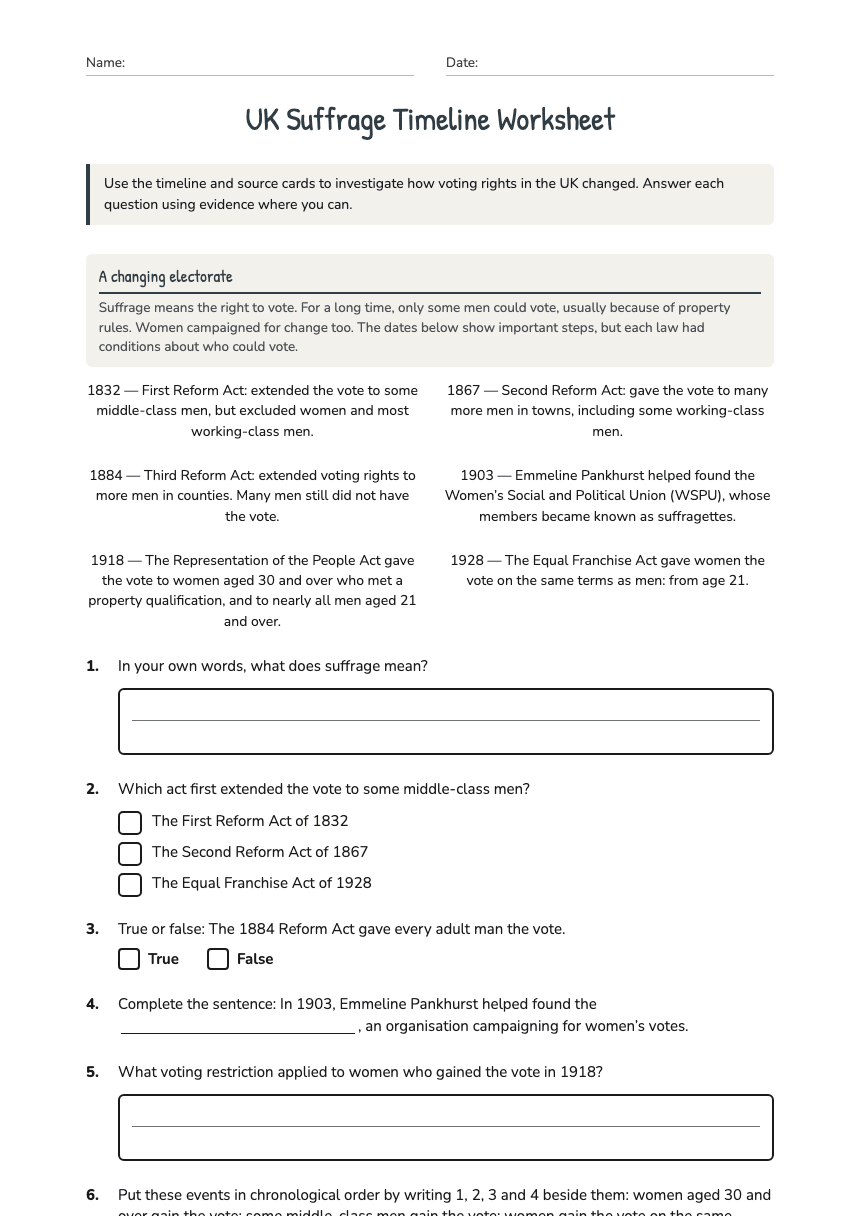
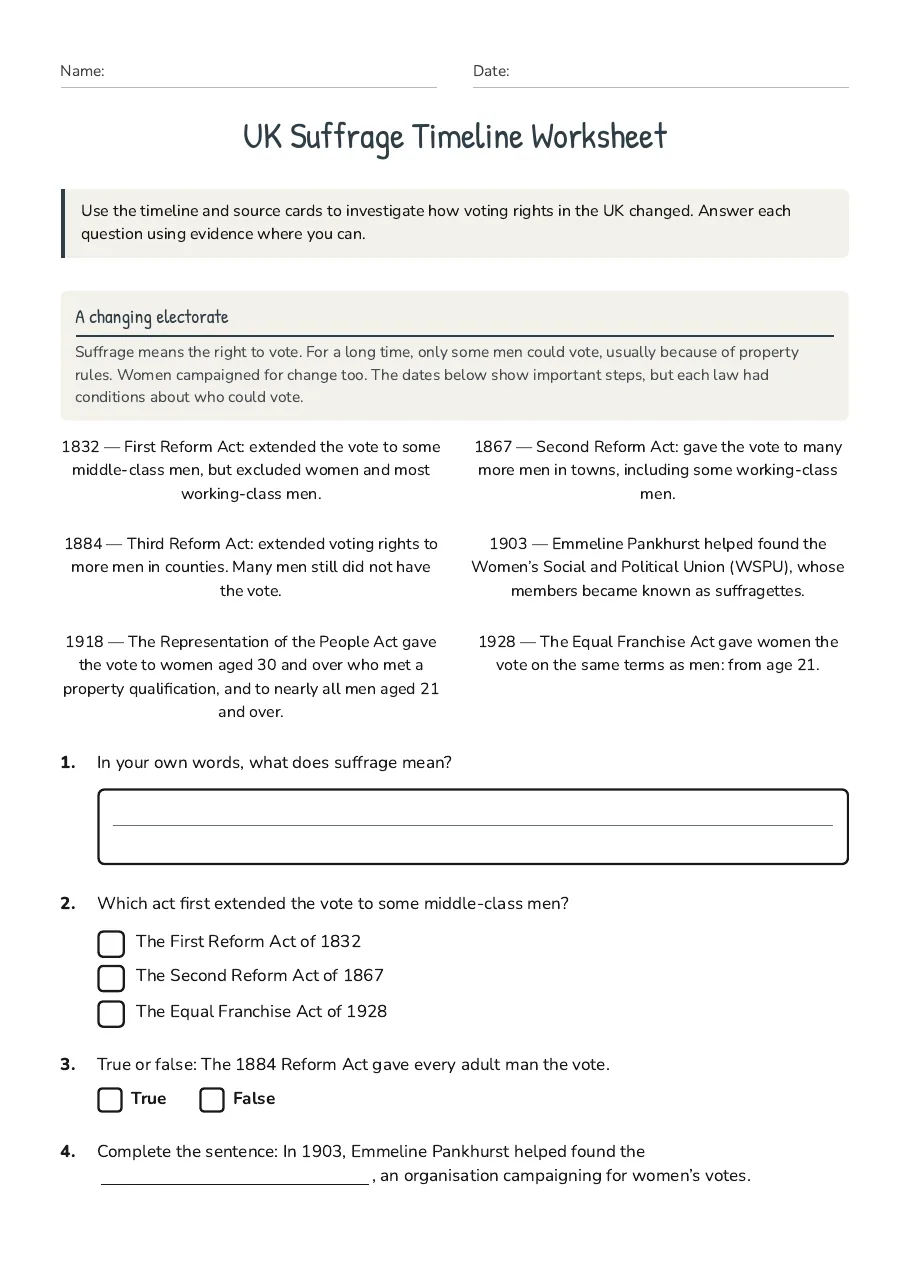
UK Suffrage Timeline Worksheet
A changing electorate
Suffrage means the right to vote. For a long time, only some men could vote, usually because of property rules. Women campaigned for change too. The dates below show important steps, but each law had conditions about who could vote.
1832 — First Reform Act: extended the vote to some middle-class men, but excluded women and most working-class men.
1867 — Second Reform Act: gave the vote to many more men in towns, including some working-class men.
1884 — Third Reform Act: extended voting rights to more men in counties. Many men still did not have the vote.
1903 — Emmeline Pankhurst helped found the Women’s Social and Political Union (WSPU), whose members became known as suffragettes.
1918 — The Representation of the People Act gave the vote to women aged 30 and over who met a property qualification, and to nearly all men aged 21 and over.
1928 — The Equal Franchise Act gave women the vote on the same terms as men: from age 21.
- The First Reform Act of 1832
- The Second Reform Act of 1867
- The Equal Franchise Act of 1928
3 printable pages
Page 1
Page 2
Page 3
About This Worksheet
Free in Kuraplan
Sign up free, grab the PDF, and customize it for your class.
Print-Ready
Formatted for standard paper. Clean layout, easy to read.
AI-Generated
Created with Kuraplan's AI, designed for real classroom use.
For Teachers & Parents
Use in classrooms, for homework, tutoring, or homeschool.
Need a custom version of this worksheet?
Kuraplan's AI generates custom worksheets in seconds — differentiated for every learner, aligned to your curriculum.
Generate Custom Worksheets — FreeMore History Worksheets
League of Nations Weaknesses
Free
Ancient vs Modern Benin
Free
Year 7 History Exploration: Britain Through Time
Free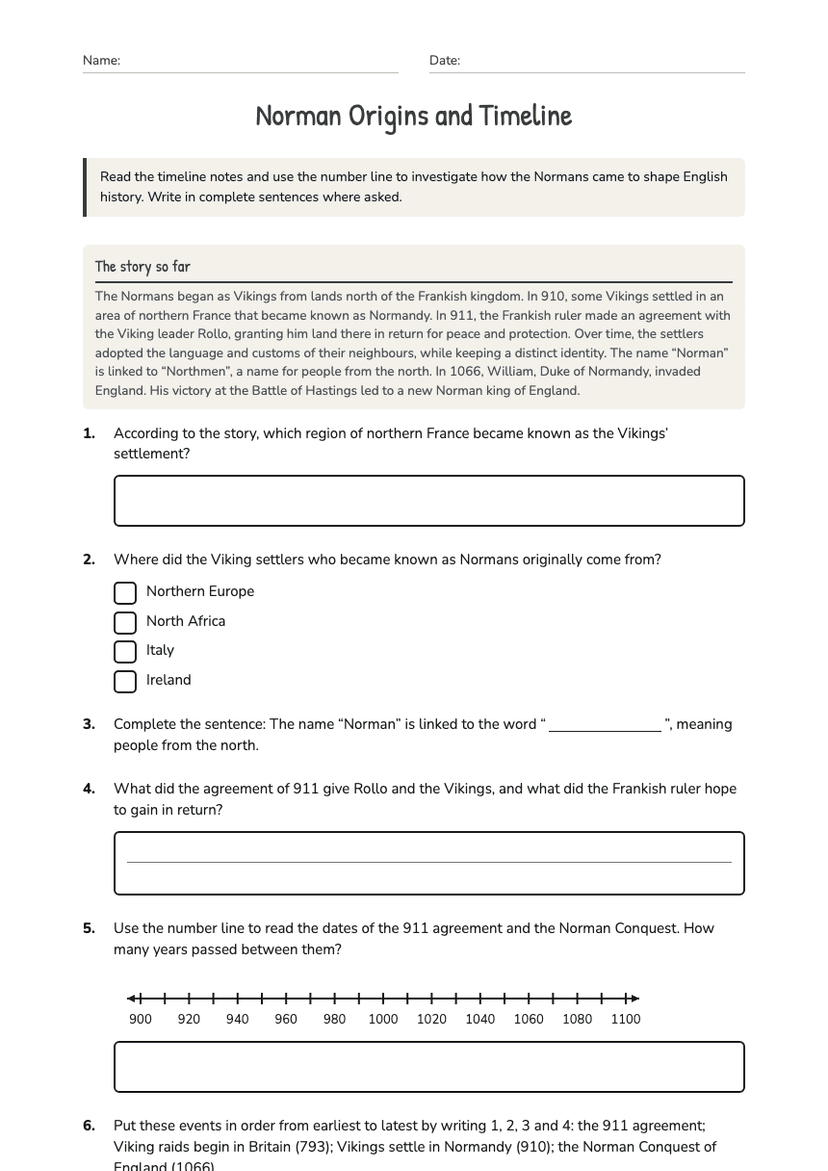
Norman Origins and Timeline
Free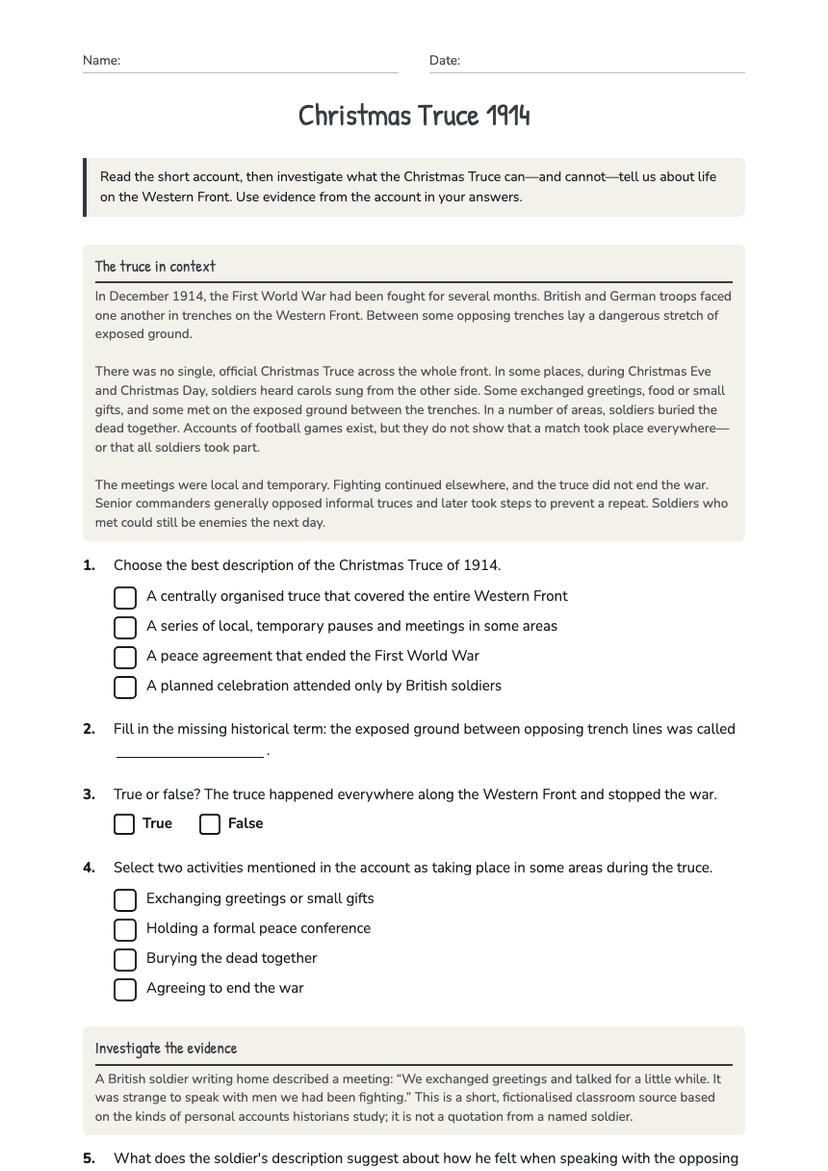
Christmas Truce 1914
Free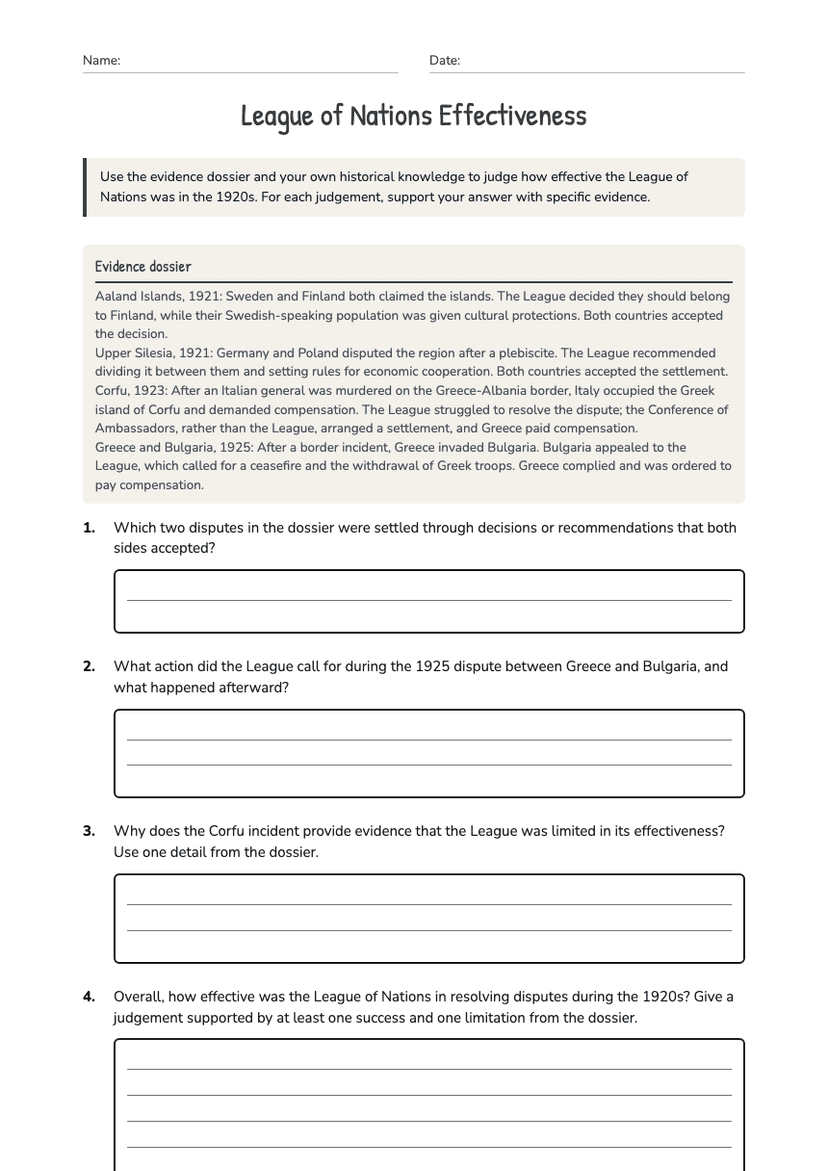
League of Nations Effectiveness
Free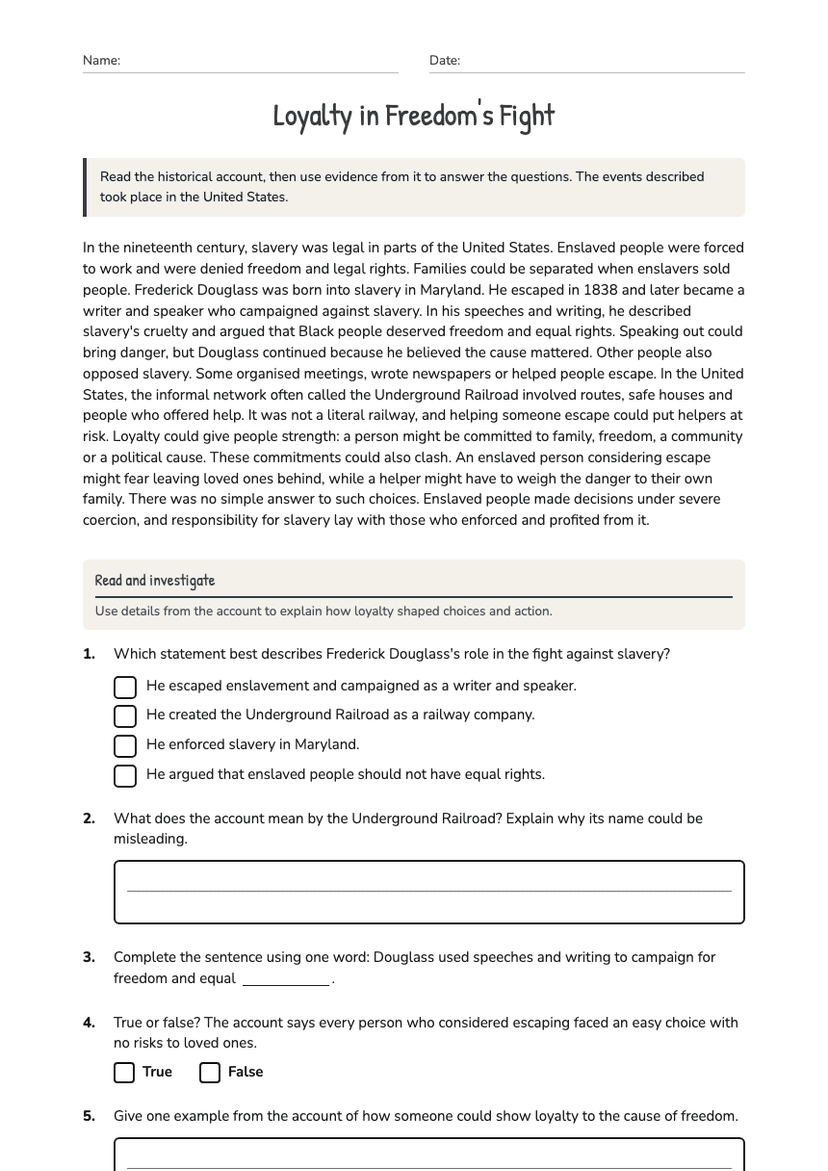
Loyalty in Freedom's Fight
Free