Australian Aboriginal Cultures Study
🌏 Part 1: Understanding Aboriginal Culture and Identity
1. What does the term "Aboriginal" mean when referring to Australian indigenous peoples?
2. Circle the correct statement about Aboriginal cultures:
There is one unified Aboriginal culture across Australia
There are over 250 distinct Aboriginal language groups with diverse cultures
All Aboriginal peoples live in the same way today
Aboriginal cultures are only found in remote areas
3. Fill in the blanks about Aboriginal connection to land:
Aboriginal peoples have lived in Australia for over _____________ years. Their connection to _____________ is central to their identity, spirituality, and cultural practices. This relationship is often described as _____________ rather than ownership.
4. Check all the ways Aboriginal peoples traditionally passed on their culture (multiple selection):
Oral storytelling
Rock art and cave paintings
Written books
Ceremonies and rituals
Dance and music
Teaching through country
📚 Part 2: Historical Impact and Colonisation
5. When did European colonisation of Australia begin?
6. List three major impacts of European colonisation on Aboriginal peoples:
7. What were the "Stolen Generations"?
8. Match the historical events with their descriptions:
1. Terra Nullius
2. Mabo Decision
3. Sorry Day
4. Native Title
A. Legal recognition of Aboriginal land rights
B. Annual remembrance of Stolen Generations
C. 1992 High Court ruling overturning "empty land" concept
D. False legal concept meaning "nobody's land"
🎨 Part 3: Cultural Expressions and Art
9. Draw and label the key elements you might find in Aboriginal dot painting:
10. What is a "Dreamtime" story?
11. Check all the traditional Aboriginal art forms:
Dot painting
Rock art
Body painting
Bark painting
Sand drawing
Sculpture
12. Fill in the blanks about Aboriginal music:
The _____________ is a traditional wind instrument that has been played for thousands of years. Aboriginal music often includes _____________ singing and is used in ceremonies and _____________.
🤝 Part 4: Contemporary Issues and Reconciliation
13. What does "reconciliation" mean in the context of Aboriginal and non-Aboriginal Australians?
14. Circle the year when Aboriginal Australians were first counted in the national census:
15. Name two contemporary Aboriginal leaders, artists, or athletes and explain their contributions:
🌿 Part 5: Connections to Māori Culture
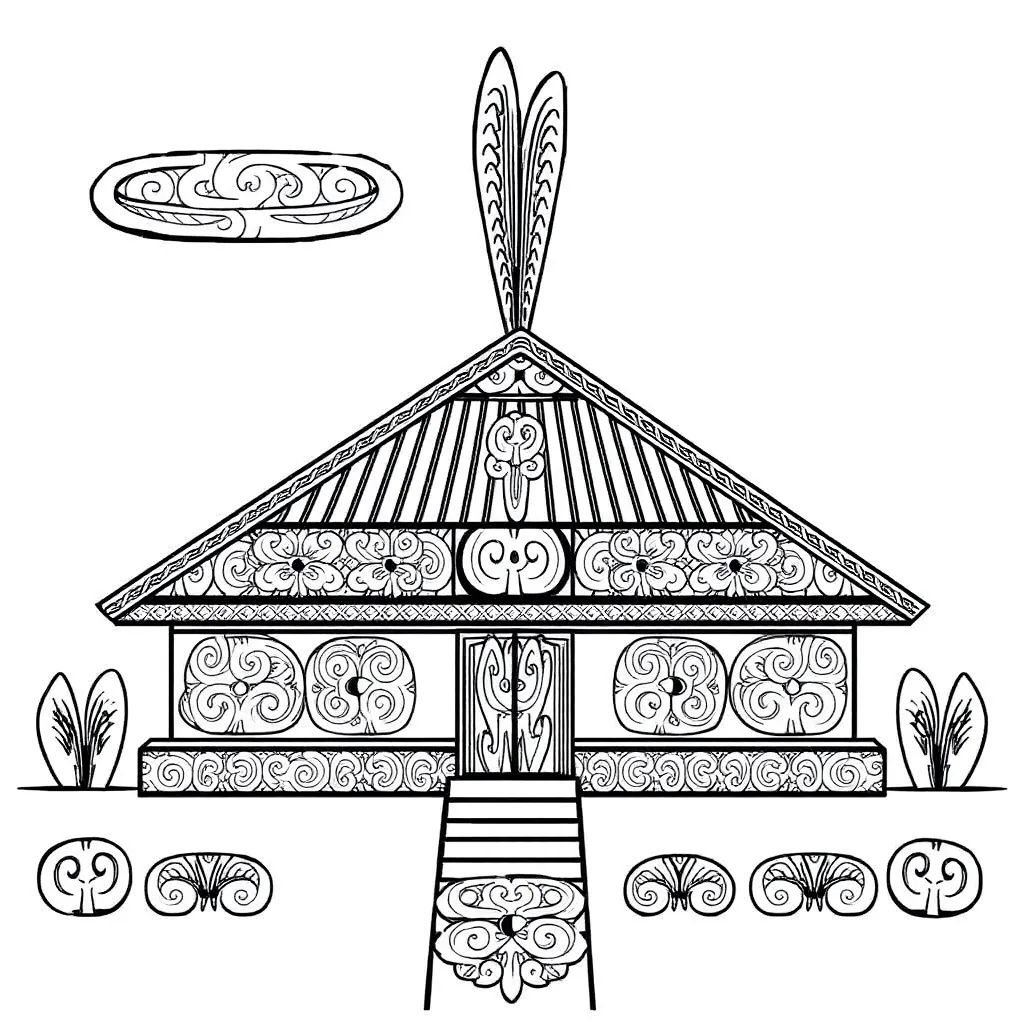
16. Compare and contrast Aboriginal Australian and Māori relationships with land:
17. Check the similarities between Aboriginal and Māori cultures:
Oral tradition and storytelling
Deep spiritual connection to land
Impact of European colonisation
Efforts to revitalise language and culture
Traditional art forms
Collective rather than individual land ownership concepts
18. How can understanding Aboriginal cultures help us better appreciate indigenous rights in New Zealand?
💭 Part 6: Reflection and Action
19. Write one action you can take to show respect for Aboriginal cultures and histories:
20. What is one question you still have about Aboriginal cultures that you would like to research further?
21. Reflection: How has learning about Aboriginal cultures changed your understanding of indigenous peoples globally?