Plate Tectonics Forces Worksheet
A free science worksheet ready for your classroom. Open in Kuraplan to grab the print-ready PDF, customize it for your students, or generate a fresh version in seconds.

Plate Tectonics Forces Worksheet
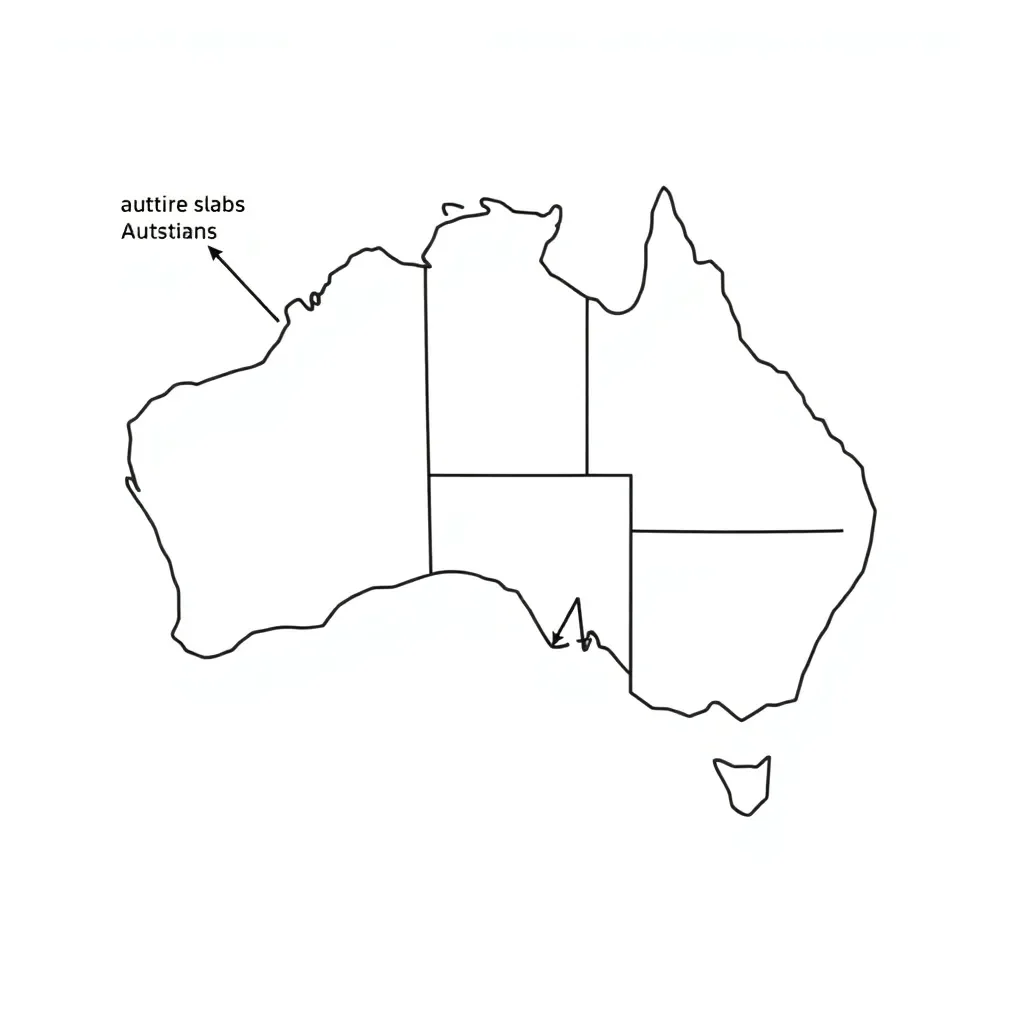
🌍 Part 1: Key Concepts — Multiple Choice
Circle the best answer for each question.
✏️ Part 2: Short Answer Questions
Answer each question in full sentences.
🔬 Part 3: Diagram & Thinking Challenge
Word Bank: Slab Pull | Ridge Push | Convection Current | Subducting Plate | Mid-Ocean Ridge
Draw a simple cross-section of two tectonic plates (one oceanic, one continental) showing a subduction zone on one side and a mid-ocean ridge on the other. Add arrows to show the direction of movement and label the three forces.
📋 Answer Key (Teacher Reference Only)
Part 1 — Multiple Choice
Q1: ✅ The weight of a dense, sinking oceanic plate pulling the rest of the plate along with it
Q2: ✅ Mid-ocean ridges where new crust is formed and plates are pushed apart
Q3: ✅ Heat from Earth's core causing hot material to rise and cool material to sink
Q4: ✅ Earthquakes, Volcanic eruptions, Mountain building (Rainfall patterns is NOT correct)
Part 2 — Short Answers (Guide)
Q5: Heat from Earth's core warms mantle rock, causing it to rise. As it reaches the upper mantle it cools, becomes denser, and sinks back down. This circular movement (convection current) drags tectonic plates along the surface.
Q6: At mid-ocean ridges, new magma pushes up and forces plates apart (ridge push). At subduction zones, the older, denser oceanic plate sinks and its weight drags the rest of the plate behind it (slab pull). Most scientists believe slab pull is the stronger of the two forces.
Q7: Australia sits in the centre of the Indo-Australian Plate, far from any plate boundaries. Japan and New Zealand sit on or near plate boundaries (subduction zones and transform faults) where plate movement causes stress and energy release as earthquakes.
Q8: When two continental plates collide, neither sinks because continental crust is less dense than oceanic crust. Instead, the crust crumples and folds upward, building mountain ranges like the Himalayas. Oceanic crust subducts because it is denser and heavier.
Part 3 — Diagram & Thinking
Q9 Diagram Labels: Mid-Ocean Ridge (centre, where plates separate), Ridge Push (arrows pointing outward from ridge), Subducting Plate (oceanic plate angling downward), Slab Pull (arrow pulling downward on the sinking plate), Convection Current (circular arrows in the mantle).
Q10: Slab pull drags the dense oceanic plate downward into the mantle (subduction). As the plate sinks deeper, the intense heat and pressure cause it to release water into the surrounding mantle rock. This lowers the melting point of the rock, creating magma. The magma is less dense than surrounding rock, so it rises through the crust. When pressure builds enough, it erupts at the surface as a volcano.
About This Worksheet
Free in Kuraplan
Sign up free, grab the PDF, and customize it for your class.
Print-Ready
Formatted for standard paper. Clean layout, easy to read.
AI-Generated
Created with Kuraplan's AI, designed for real classroom use.
For Teachers & Parents
Use in classrooms, for homework, tutoring, or homeschool.
Need a custom version of this worksheet?
Kuraplan's AI generates custom worksheets in seconds — differentiated for every learner, aligned to your curriculum.
Generate Custom Worksheets — FreeMore Science Worksheets
Pushes and Pulls Worksheet
Free
Push and Pull Movement
Free
Push and Pull Movement
Free
Car Physics: Crashes & Traction
Free
Bridge Challenge Logbook
Free
Bridge Challenge Assessment Rubric
Free
Force Diagram Practice Year 7
Free