Puppet Making Materials
A free science worksheet ready for your classroom. Open in Kuraplan to grab the print-ready PDF, customize it for your students, or generate a fresh version in seconds.

Puppet Making Materials
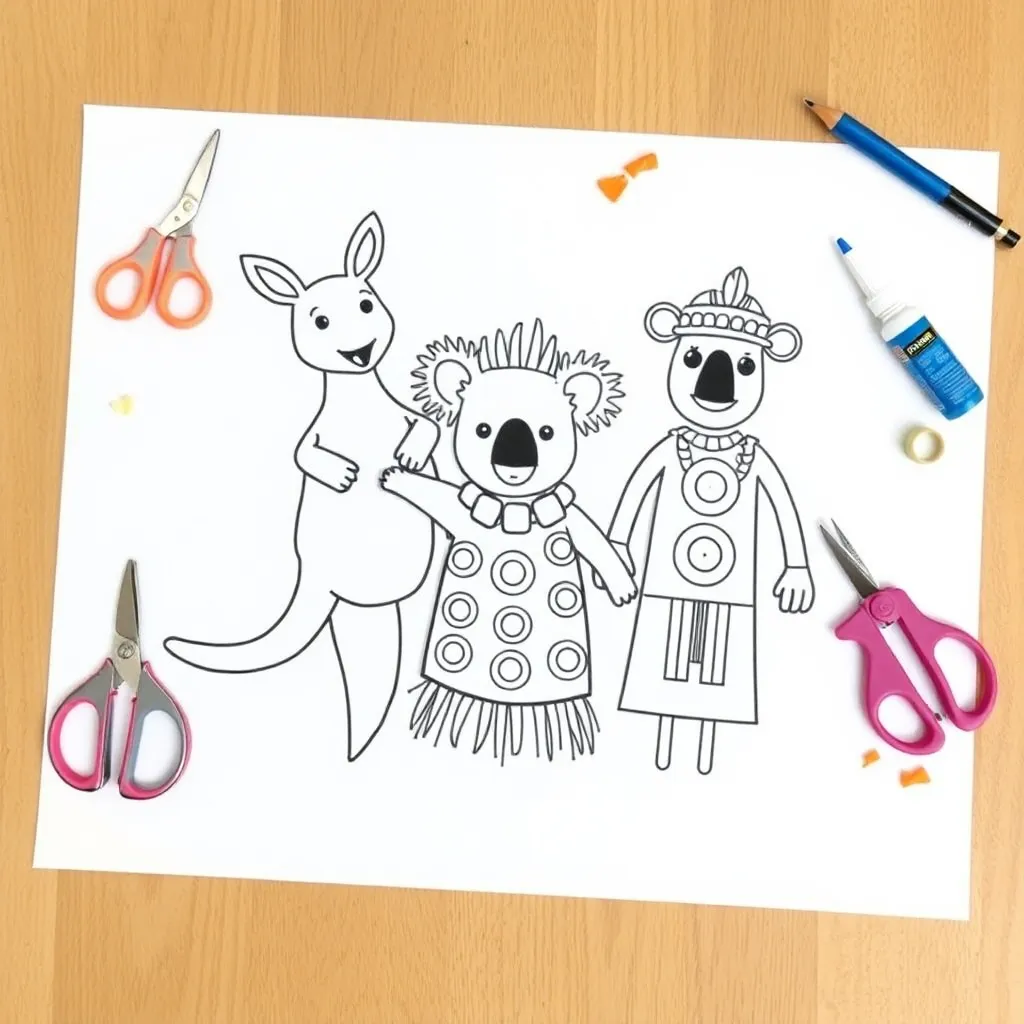
🎭 Part 1: About Puppets
paper rocks fabric cardboard ice string
🧵 Part 2: Material Properties
Materials: fabric, cardboard, string, wooden stick, googly eyes, plastic spoon
SOFT Materials:
HARD Materials:
Fabric feels __________ and cardboard feels __________.
✂️ Part 3: My Puppet Design
1. _____________________
2. _____________________
3. _____________________
About This Worksheet
Free in Kuraplan
Sign up free, grab the PDF, and customize it for your class.
Print-Ready
Formatted for standard paper. Clean layout, easy to read.
AI-Generated
Created with Kuraplan's AI, designed for real classroom use.
For Teachers & Parents
Use in classrooms, for homework, tutoring, or homeschool.
Need a custom version of this worksheet?
Kuraplan's AI generates custom worksheets in seconds — differentiated for every learner, aligned to your curriculum.
Generate Custom Worksheets — Free