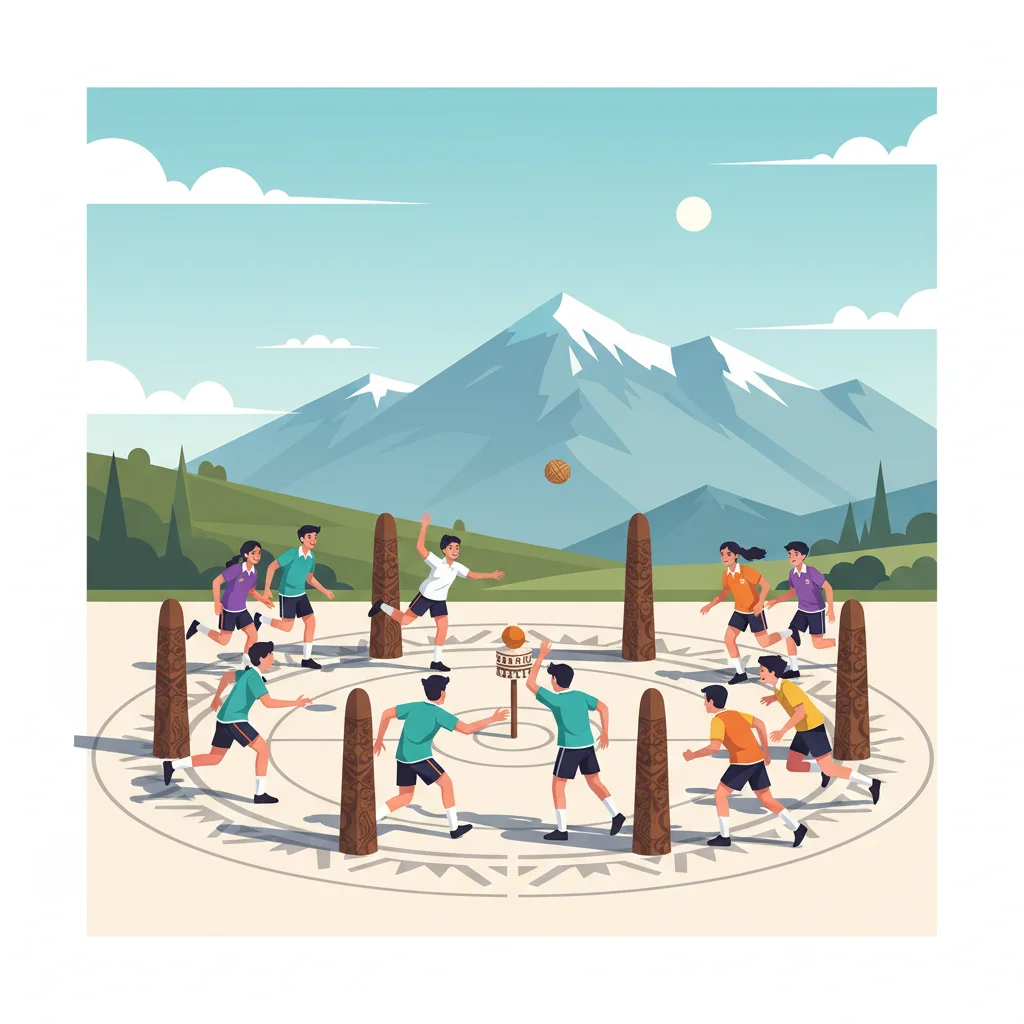
AS 92016: Level 1 PE – More Than Just a Game
Movement Strategies in Action It's not just how fast you run; it's where you run and why.
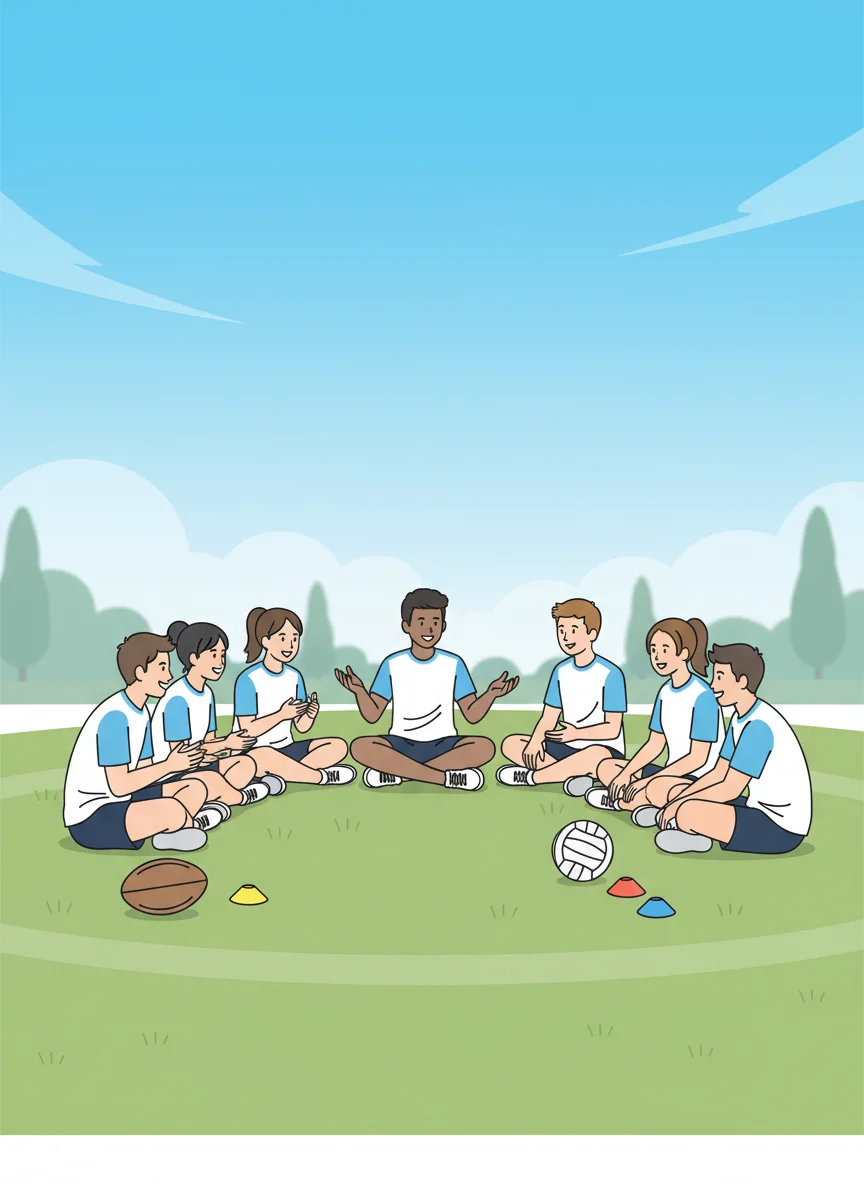
What are we doing? (Learning Intentions)
W.A.L.T (We Are Learning To): 1. Understand Standard 92016 requirements (5 Credits) 2. Define 'Movement Strategies' 3. See the difference between a skill and a strategy Success Criteria: You can explain what a movement strategy is and give examples from your chosen sport

The 5-Credit Goal
The Standard: 'Apply movement strategies in an applied setting' What this means in plain English: • Movement Strategy: Your 'Game Plan' • Applied Setting: A real, high-pressure game (not just a drill) • Apply: You actually try it out on the court/field Extension: Think about how strategies change under pressure
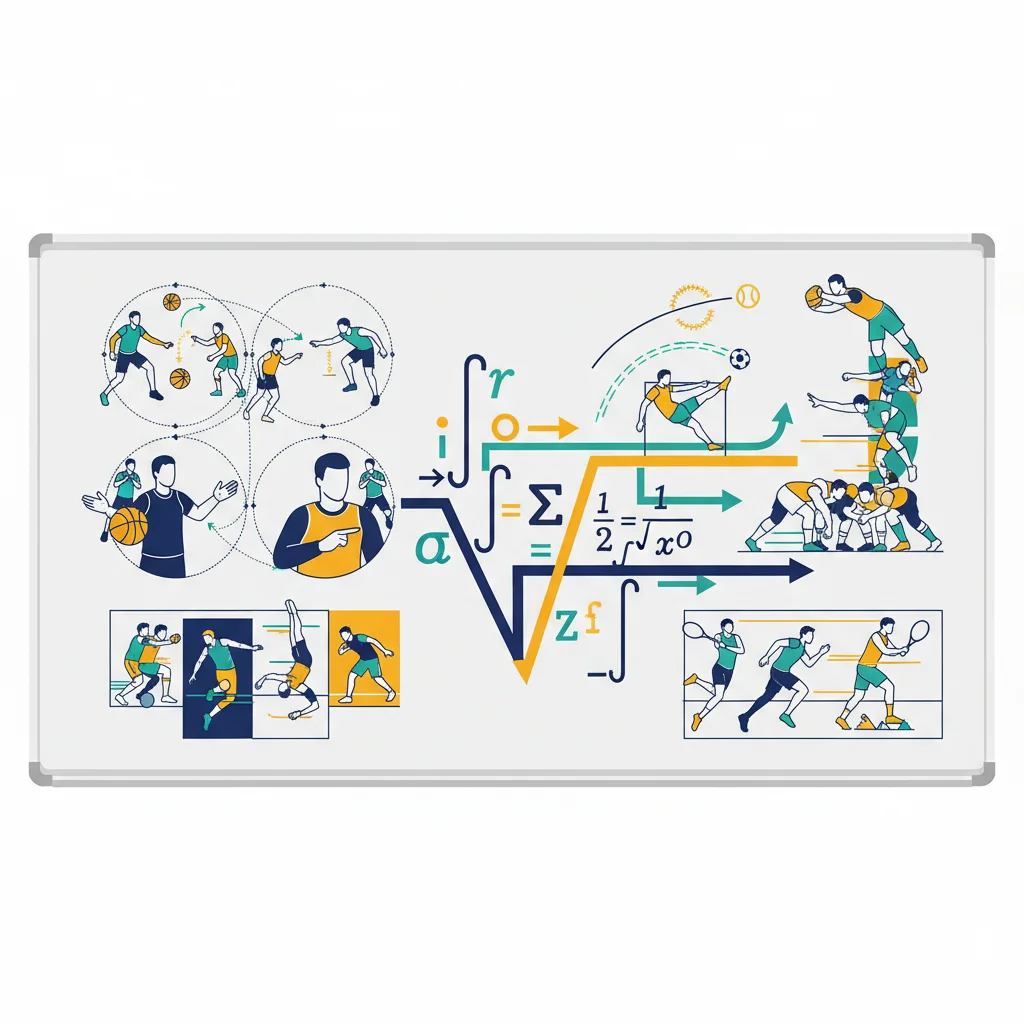
The Strategy Equation
Movement Strategy = Tactical + Interpersonal + Execution • Tactical: The 'Plays' (e.g., 2-3 zone, overlap run) • Interpersonal: The 'Vibe' (e.g., calling names, supporting teammates, staying calm) • Execution: Actually doing it under pressure
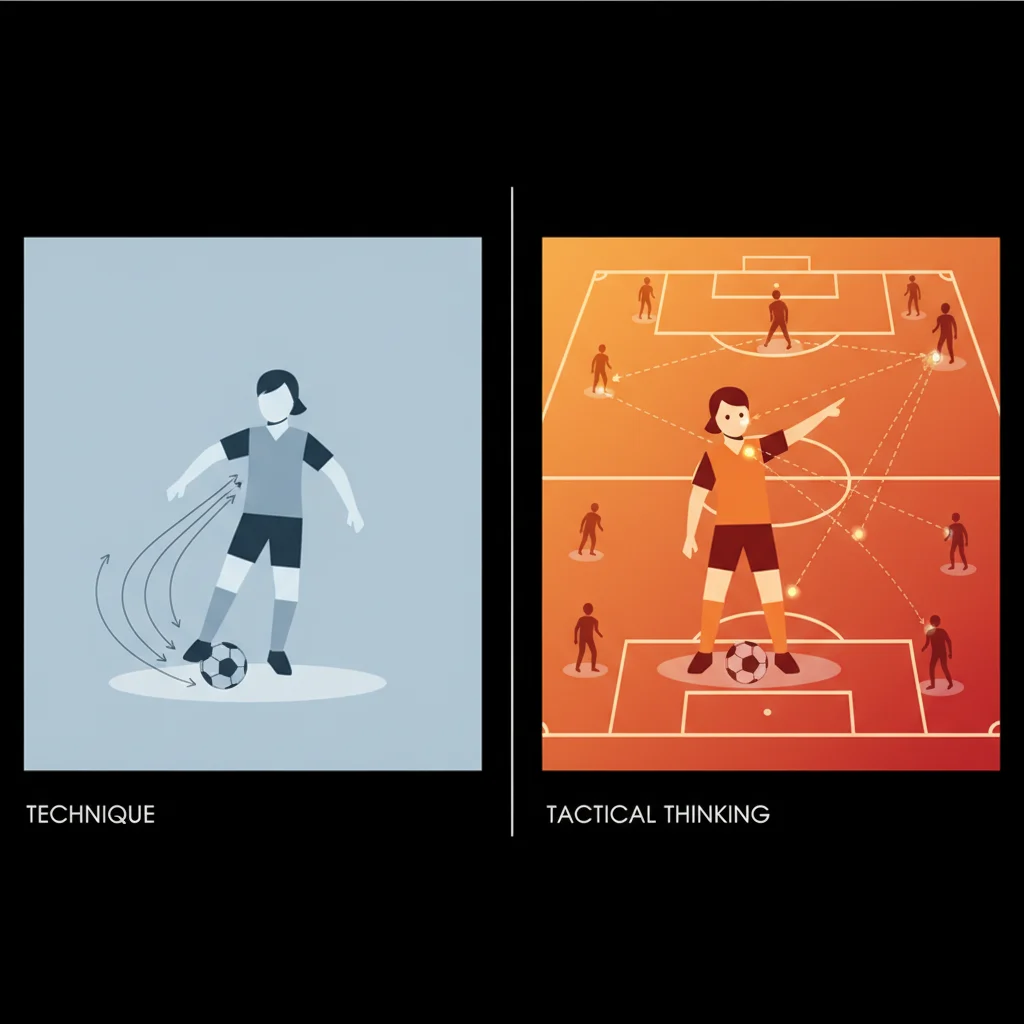
Skill vs. Strategy (The Comparison)
{"left":"Passing a ball accurately\nPassing to the wing because the defense is too tight in the middle\nMaking a touch","right":"Making a touch then immediately 'splitting' to open a gap\nServing a volleyball\nServing to the opponent's weakest passer to force a bad set"}

The 'South Auckland' Edge
Why do teams from the 09 often dominate? • We play with heart (Interpersonal) • We have natural flair (Execution) • The Missing Link: High-level tactical discipline Goal: We are turning 'flair' into 'calculated strategy' Activity: In pairs, discuss one strength your team has and one area for strategic improvement
More Physical Education slide decks
Other ready-to-teach physical education decks for New Zealand classrooms.