
Movement Strategies in Applied Settings
NCEA Level 1 Standard 92016 Year 11 Physical Education South Auckland Context

WALT: Understanding Applied Settings
We Are Learning To identify what makes a setting 'applied' Distinguish between practice and authentic game situations Recognize the three key requirements: Authentic, Competitive, Sustained
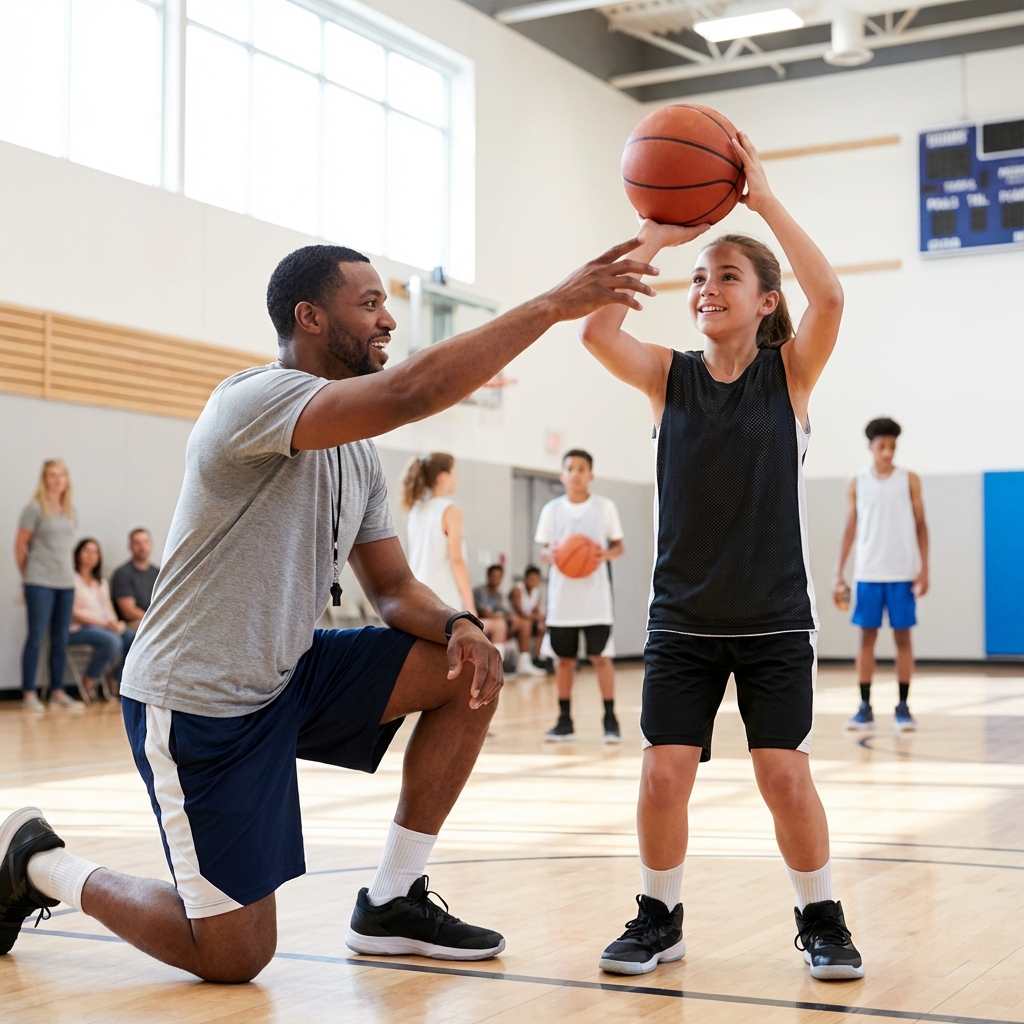
Applied vs Practice Settings
{"left":"Practice drill with cones and predetermined movements\nPredictable outcomes and controlled environment\nNo real opposition or pressure","right":"Full game situation with unpredictable opponents\nReal stakes and competitive pressure\nMust adapt strategies in real-time"}
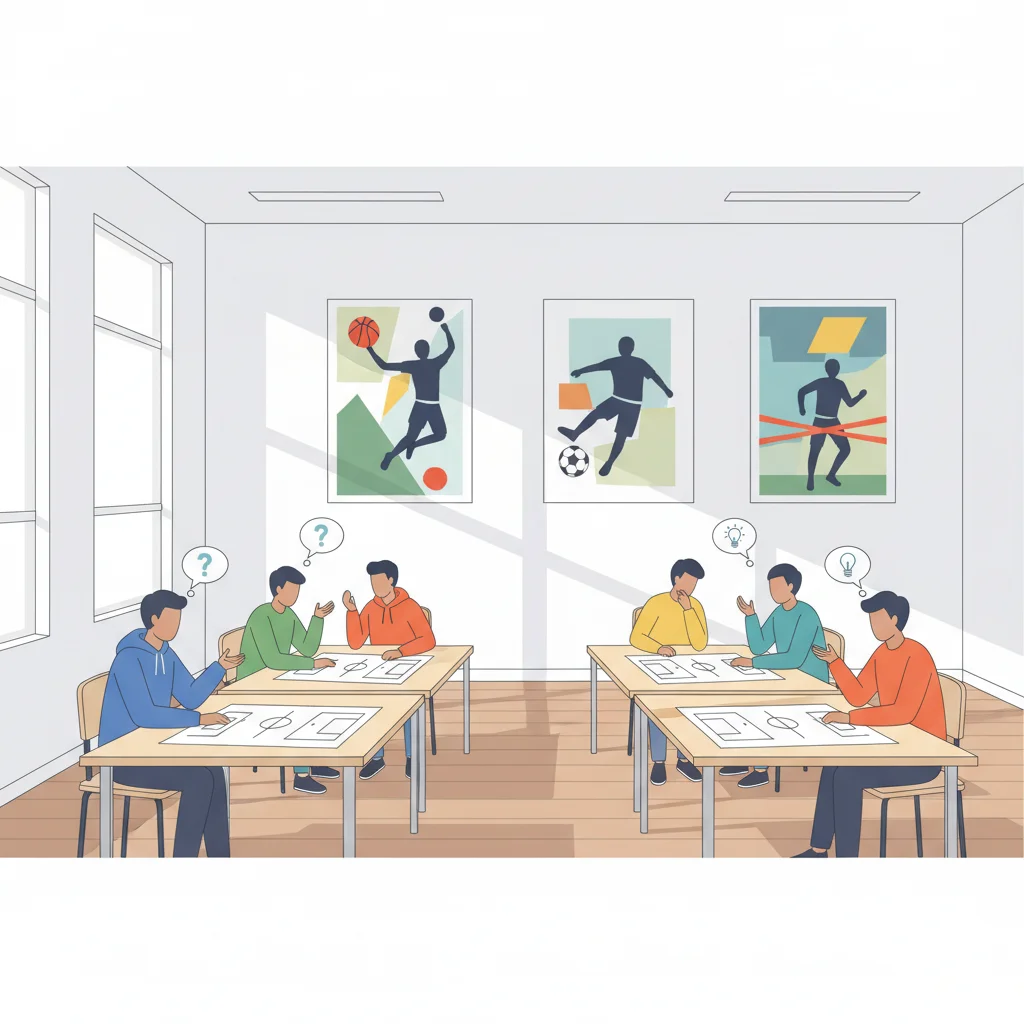
Identify the Applied Setting
Scenario Analysis Activity Work in pairs to classify each scenario Tick ✓ for Applied Setting or ✗ for Practice Be ready to justify your answers
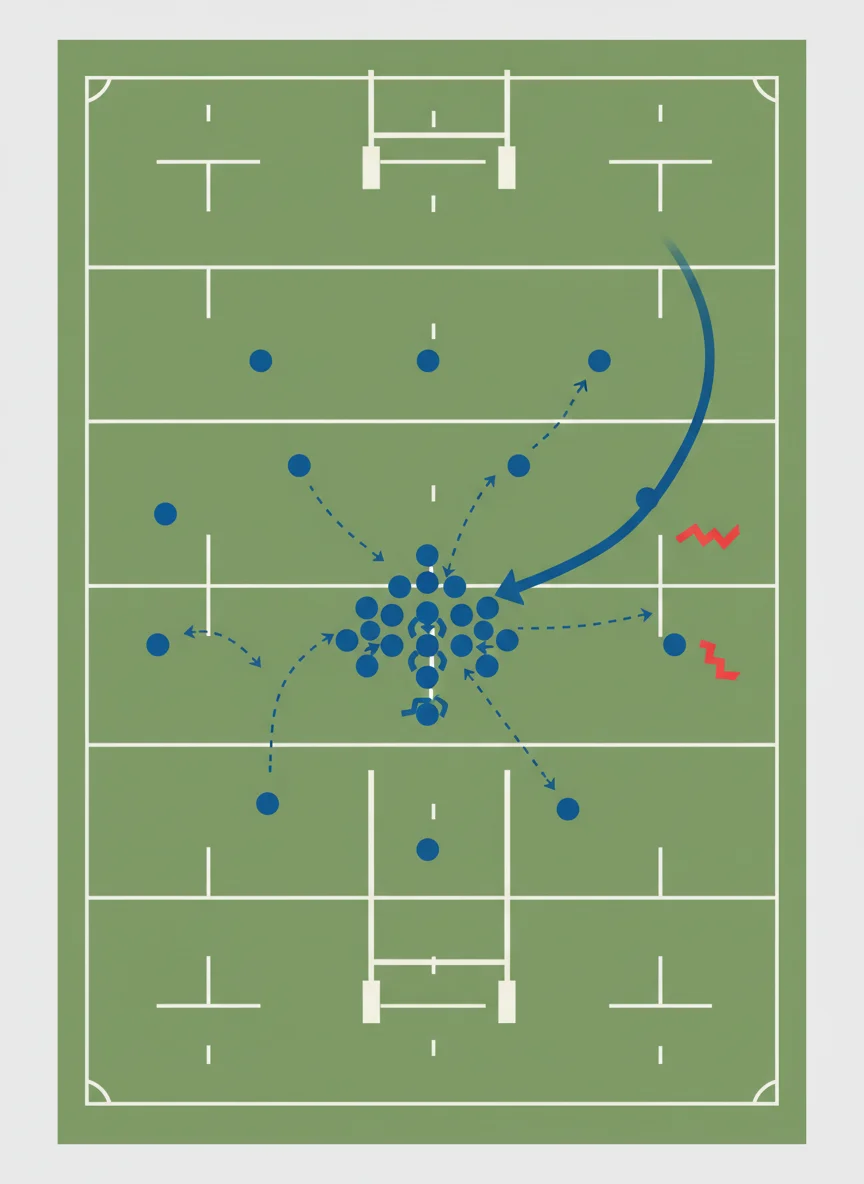
WALT: Tactical Strategies - The 'What'
We Are Learning To identify offensive and defensive tactical strategies Understand how tactics create advantages Recognize tactics in Kī-o-Rahi, Rugby League, and Netball

Offensive vs Defensive Tactics
{"left":"Screen and roll in Kī-o-Rahi\nThird shot drop in pickleball\nOverlap runs in rugby\nQuick center pass in netball","right":"Zonal marking in rugby defense\nCommunication triggers for positioning\nDouble-team blocks\nIntercepting passing lanes"}

Strategic Thinking Challenge
Your rugby league team is down by 4 points with 5 minutes left The opposition is defending deep in their own half What offensive tactics would you apply and why?
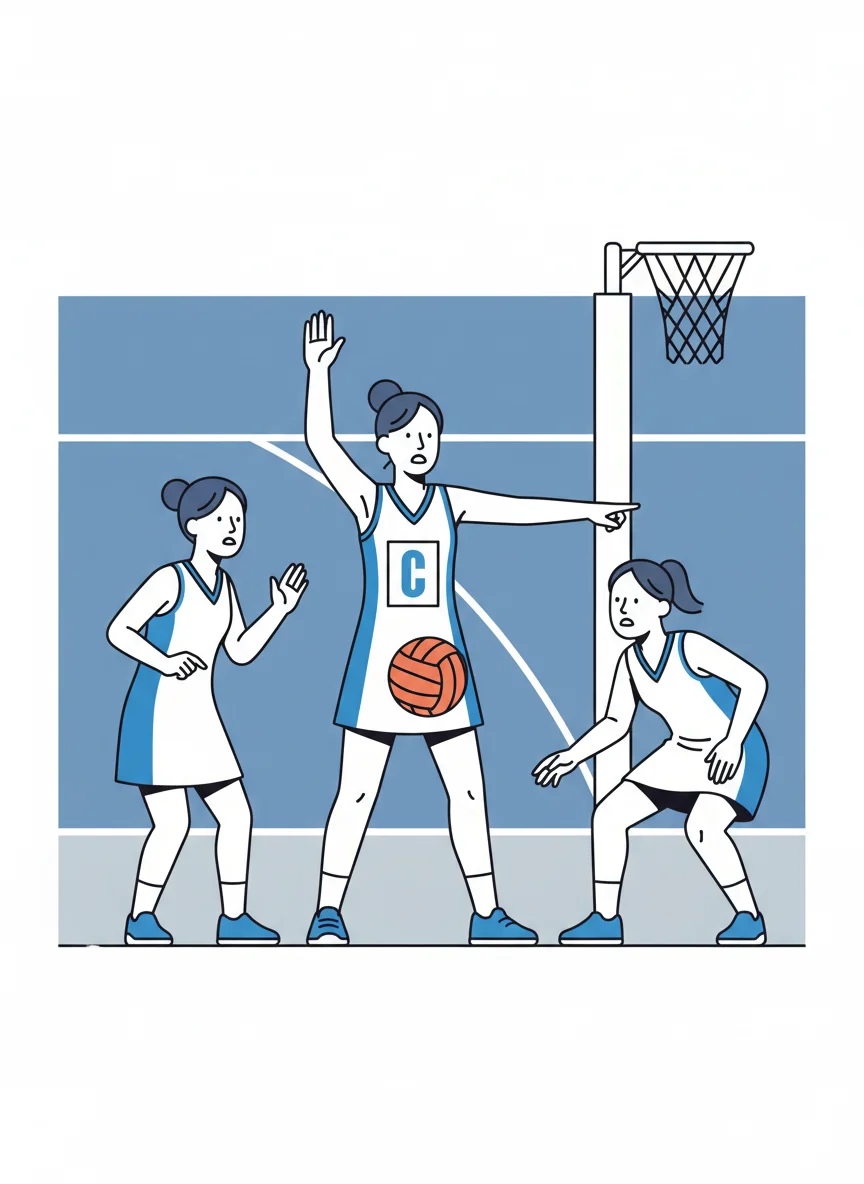
WALT: Interpersonal Skills - The 'How'
We Are Learning To apply communication as a movement strategy Use cooperation to execute tactical plans Demonstrate leadership in applied settings

Assessment Evidence Collection
Strategy Action Plan
Choose your applied setting for assessment Identify 2 tactical strategies you'll demonstrate Plan your interpersonal skills application Set goals for consistent strategy use
More Physical Education slide decks
Other ready-to-teach physical education decks for New Zealand classrooms.