Expository Writing Planning Worksheet
A free english worksheet ready for your classroom. Open in Kuraplan to grab the print-ready PDF, customize it for your students, or generate a fresh version in seconds.

Expository Writing Planning Worksheet
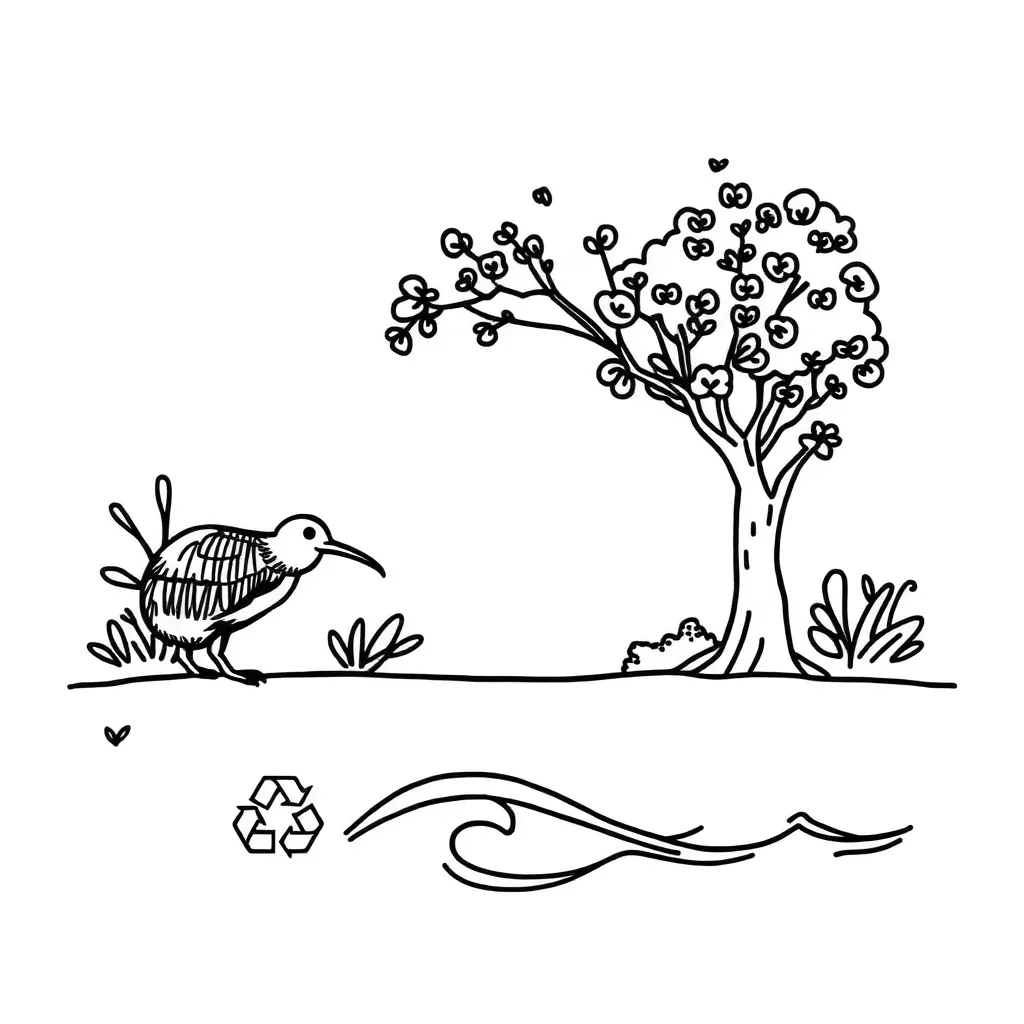
📝 Part 1: Planning Your Expository Text
Topic: Why we should take care of things
Sentence starter: Have you ever wondered why... / Did you know that... / It is important to...
Ideas: saves money, lasts longer, reduces waste
Ideas: less rubbish, protects animals, reduces pollution
Ideas: clean regularly, store properly, repair instead of replace
Sentence starter: In conclusion... / Therefore... / This is why...
📚 Part 2: Vocabulary Bank
Environment: pollution, recycle, climate change, habitat, ecosystem, greenhouse gases
Money: expensive, affordable, budget, waste, save, cost
Caring: maintain, preserve, protect, repair, treasure, valuable
Linking words: to begin with, another reason is, also, for example, together with, in conclusion
📖 Part 3: Exemplar Text - Why Taking Care of Things is Important
Why Taking Care of Things is Important
Have people ever thrown away toys that broke after just one week? Taking care of belongings is more important than many people realise.
To begin with, when people look after their things, they save money. Instead of buying new items all the time, people can use what they have for much longer. For example, if someone cleans their bike regularly, it will last for years. This happens because proper maintenance prevents rust, broken parts, and general wear that forces people to replace items early.
Another reason is that caring for things helps protect the environment. When people throw things away, these items often end up in landfills or pollute the oceans. This harms animals and contributes to climate change. Also, by keeping items longer, we reduce the demand for new products, which means fewer factories producing goods and less carbon dioxide released into the atmosphere.
Together with these benefits, people can take better care of things by cleaning them, storing them properly, and repairing them when they break. Small actions like wiping down tablets or putting toys away safely make a big difference. For example, these simple habits prevent damage from dust, moisture, and accidents, while also teaching people to value their possessions rather than treating them as disposable.
In conclusion, taking care of belongings saves money, protects the environment, and teaches people to value what they have. Next time someone uses something, they should remember to treat it with care!
Look for: the hook in the introduction, linking words, main points, and conclusion
About This Worksheet
Free in Kuraplan
Sign up free, grab the PDF, and customize it for your class.
Print-Ready
Formatted for standard paper. Clean layout, easy to read.
AI-Generated
Created with Kuraplan's AI, designed for real classroom use.
For Teachers & Parents
Use in classrooms, for homework, tutoring, or homeschool.
Need a custom version of this worksheet?
Kuraplan's AI generates custom worksheets in seconds — differentiated for every learner, aligned to your curriculum.
Generate Custom Worksheets — Free